


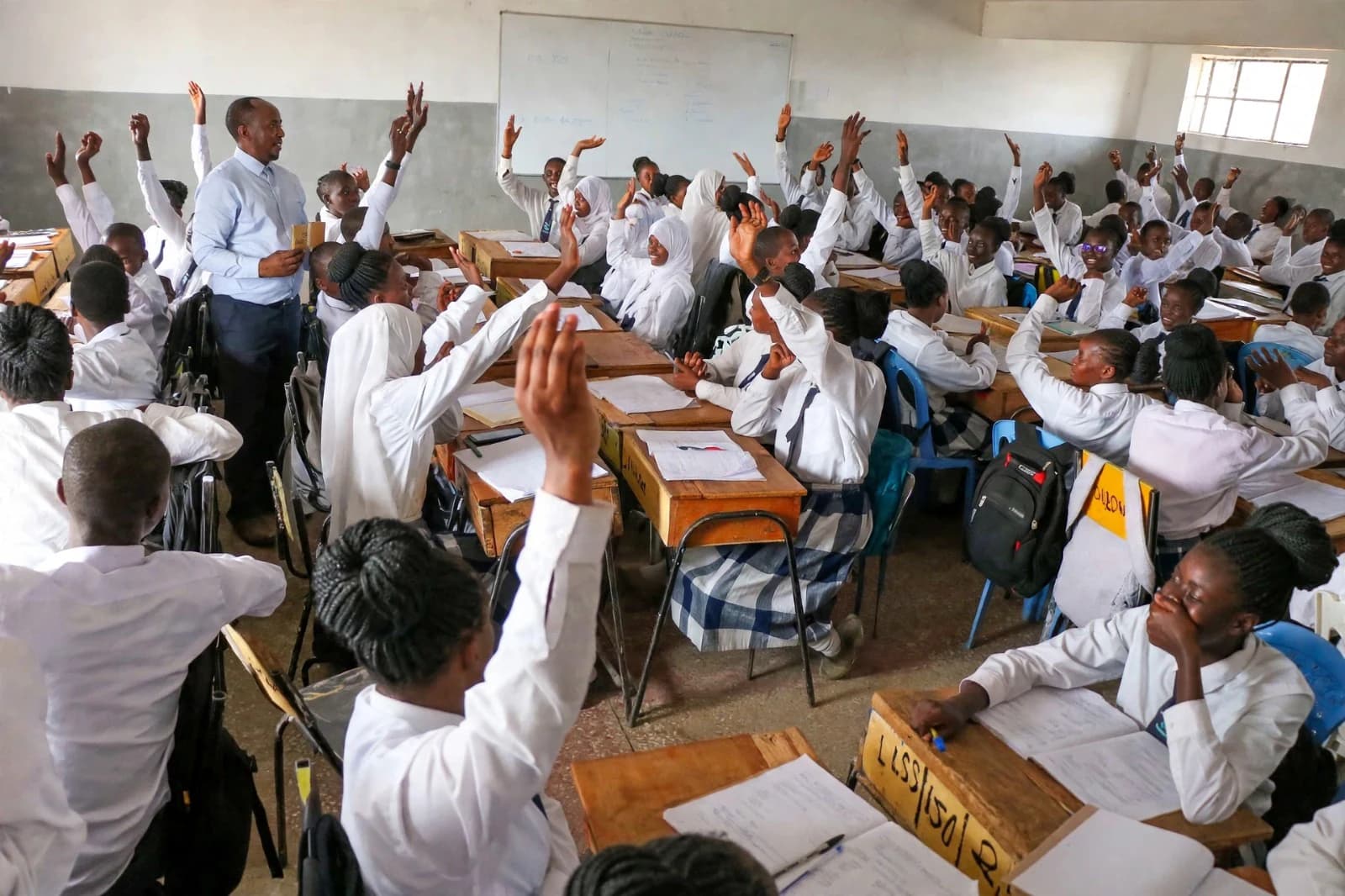

Delayed and inadequate government funding is threatening the effective implementation of Competency-Based Education (CBE) in Kenya, leaving schools struggling to finance practical learning, acquire teaching materials, pay suppliers and meet obligations to institution-employed workers, with disadvantaged learners facing the greatest risk of being left behind.
Reported capitation deficits, delayed disbursements and accumulated arrears have exposed a widening gap between the government's reform ambitions and the resources available to schools. The resulting pressure is forcing school heads to balance curriculum demands against unpaid bills, staff wages, essential services and the daily costs of keeping institutions running. The effects reach the classroom, affecting learning materials, practical activities, continuous assessment and the support services learners need to develop the competencies the curriculum envisages.
Reported Funding Shortfalls Expose Pressure on Schools
The scale of the challenge is reflected in figures reported by education stakeholders and during parliamentary proceedings. In September 2026, the Kenya Secondary Schools Heads Association (KESSHA) raised concerns over the gap between the annual capitation allocation of about Sh22,244 per learner and the amount reaching schools. Schools were reportedly receiving about Sh14,000 per learner in their accounts, leaving a gap of roughly Sh8,000 against the stated allocation.
The concerns are not new. In June 2025, Kitui Central MP Robert Mbui raised an accumulated capitation shortfall estimated at Sh64 billion over five years. Separately, the Ministry of Education reported a Sh7.5 billion gap between the Sh36.3 billion required for secondary schools in Term One of 2025 and the Sh28.8 billion it said had been disbursed in two tranches. These figures cover different reporting periods and funding measures, but together they illustrate the pressure inadequate financing places on the system.
The wider sector faces similar constraints. In July 2026, Education Cabinet Secretary Julius Ogamba reportedly told MPs that public universities required Sh70.3 billion for scholarships and grants against an approved budget of Sh41.2 billion, leaving a Sh28.9 billion deficit. The Ministry also reported a cumulative Sh14.9 billion funding deficit under the student-centred Technical and Vocational Education and Training (TVET) scholarship model. Although university and TVET funding is distinct from basic-school capitation, the figures show the broader challenge of matching education financing with institutional needs.
Supplier Payments, Staff Wages and Essential Services Under Pressure
When capitation fails to arrive as expected, school heads may struggle to pay suppliers of food, learning materials, stationery, cleaning products and other essentials. Unpaid invoices can strain supplier relationships, delay deliveries and make providers reluctant to extend further credit, forcing schools to postpone purchases or ration materials.
Schools also face difficulties paying workers they employ directly, including support staff whose services are essential to daily operations. Delayed wages can cause financial hardship for those employees and their families and undermine staff morale. Electricity and water bills, sanitation, repairs, transport and maintenance can likewise become hard to meet, raising the risk of service interruptions and deteriorating facilities.
Principals are left to decide which obligations to prioritise while ensuring learning continues, and money used to clear accumulated debts may not be available for teaching materials or the practical activities CBE requires. Timely disbursement is therefore as important as the amount allocated, since accumulated debts and disrupted supplier arrangements can prevent schools from restoring normal operations even after funds are released.
CBE Requires More Than Classrooms and Teachers
Kenya's transition to CBE demands a learning environment in which learners actively acquire and demonstrate competencies rather than merely cover prescribed content. This requires textbooks, stationery, science equipment, digital resources, safe classrooms and opportunities to take part in projects and other practical activities, alongside continuous assessment that responds to learners' different abilities and interests.
These requirements carry financial costs. Practical activities may need specialised materials, while effective assessment requires teachers to observe learners, document progress and provide feedback. Without sufficient resources, CBE risks being implemented in policy but compromised in practice, with learners in well-resourced schools continuing to enjoy practical learning while those in financially constrained institutions receive a narrower education. Such disparities would undermine the equity objectives of the reforms.
Funding Gaps Risk Widening Educational Inequalities
Schools do not face identical financial circumstances. Institutions with high enrolment, ageing infrastructure, limited facilities or learners requiring specialised support have different expenditure needs, and when funding fails to reflect these differences, already disadvantaged schools risk falling further behind. Learners with disabilities, for example, may require assistive devices, specialised materials and additional support, and without adequate provision their participation in practical and inclusive learning can be constrained. The effects can extend to school feeding, sanitation, classroom maintenance and access to digital learning.
Teachers and learners bear the consequences. Teachers may be expected to deliver the curriculum and assess competencies despite shortages of teaching materials, while learners lose opportunities to apply what they have learnt or receive individual support when activities are postponed or scaled down. Better-resourced households can supplement learning materials or seek alternatives, but disadvantaged learners have fewer options when their schools struggle.
Government Must Match CBE Ambitions With Adequate Funding
Addressing the problem requires more than announcing capitation allocations. Funding must reflect enrolment, the actual cost of delivering the curriculum and the operational demands facing different categories of schools. It must also arrive on time, since even an adequate allocation loses practical value when it reaches schools too late to purchase supplies, settle bills, pay workers or organise planned learning activities.
The Ministry of Education should provide transparent information distinguishing between amounts budgeted, funds released by the National Treasury, money transferred to schools and amounts retained centrally for specific programmes, so that school heads, parents and policymakers can see where funding gaps arise. Funding arrangements should also recognise that CBE involves recurring expenditure, from practical activities and consumables to facility maintenance and assessment throughout the year, not only one-off costs such as textbooks and classrooms.
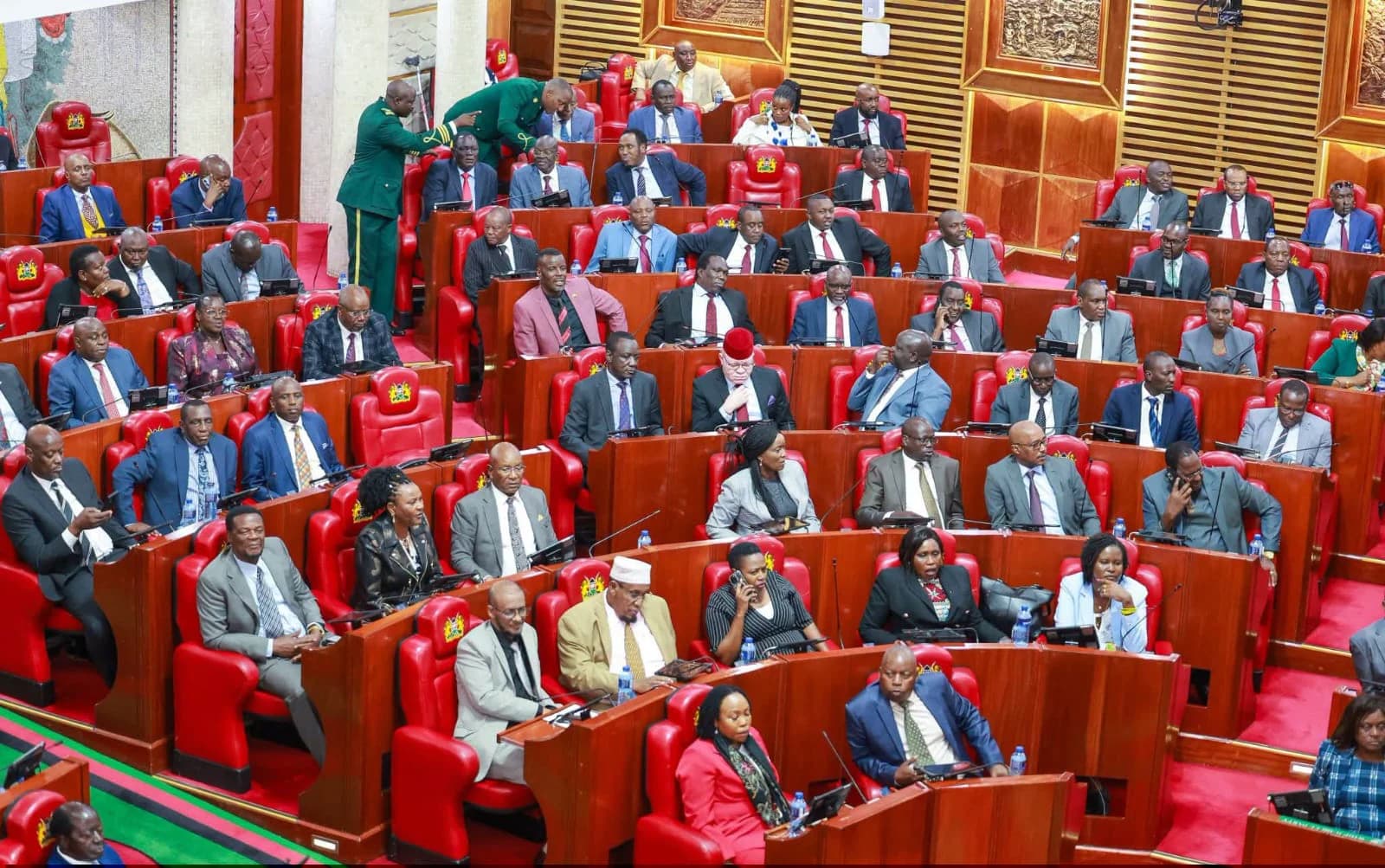
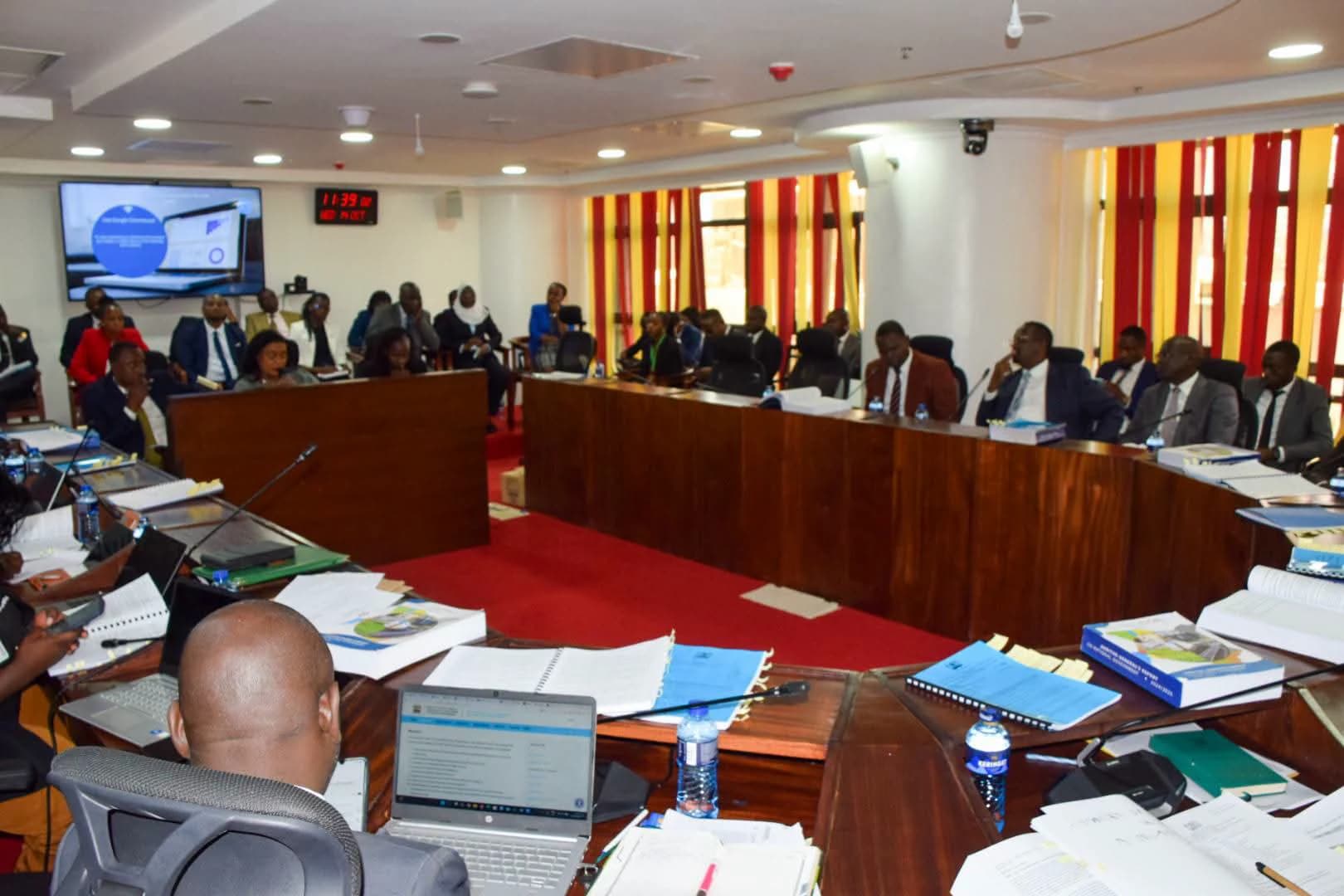
Parliament has a role in scrutinising education allocations and monitoring disbursements, while school managers must maintain proper financial controls, prioritise essential expenditure, follow procurement requirements and account for public resources.
Free Education Must Be Measured by What Learners Receive
Kenya's commitment to free basic education is meaningful only when learners can attend school and access the resources needed for effective learning without being burdened by their families' financial circumstances. The central question is not simply how much money is allocated to education, but whether the funding reaching schools is sufficient, predictable and responsive to the real cost of educating each learner.
If delayed and reduced funding persists, the country risks widening disparities between schools, weakening CBE implementation and adding pressure on families already struggling with the cost of living. Suppliers wait for payment, workers face wage delays and principals struggle to maintain essential operations, with learners ultimately bearing the cost through reduced learning opportunities.
A curriculum cannot deliver its full promise on inadequate resources. The success of CBE must be measured not only by policy announcements, curriculum documents or the number of classrooms built, but also by whether learners can access the materials, practical experiences and support needed to develop the intended competencies. Adequate and timely financing is not an administrative convenience; it is a prerequisite for meaningful learning, stable school operations and equitable educational outcomes.


Reader Discussion (0)
Sign in to comment