
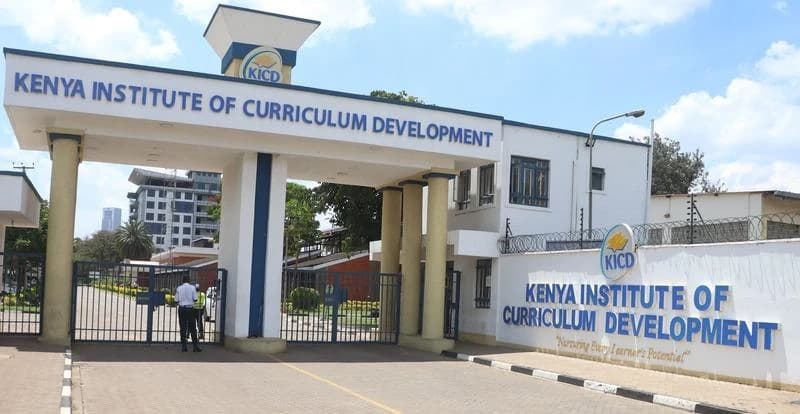
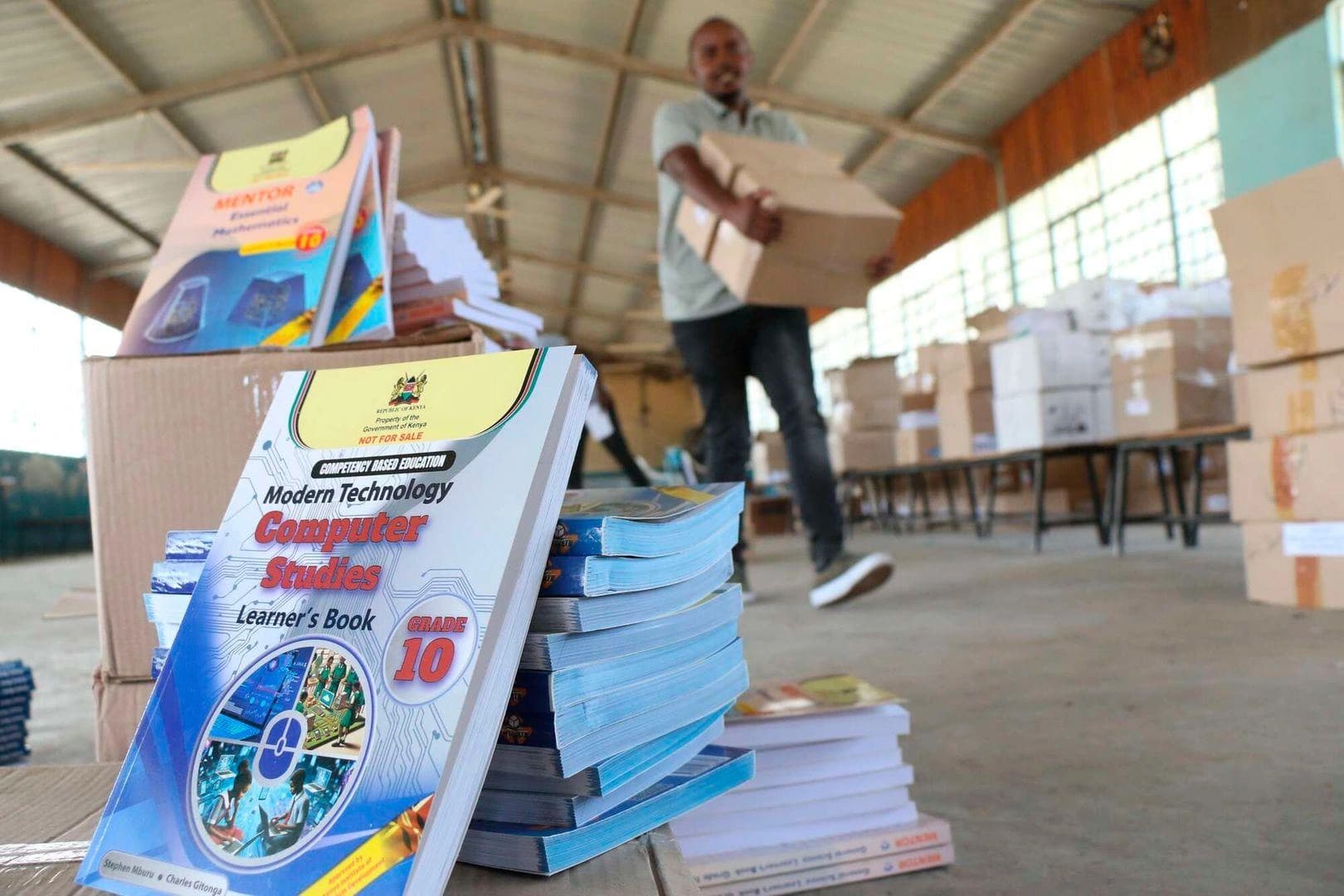
Lawmakers have announced plans to summon the leadership of the Kenya Institute of Curriculum Development (KICD) to explain alleged disparities in textbook distribution, following revelations that some schools have surplus learning materials while others struggle to provide enough books for learners.
The National Assembly Public Investments Committee on Governance and Education says its examination of Auditor-General reports covering the 2020-2025 financial years has exposed concerns over how textbooks and other public education resources are allocated and managed in schools. The committee, chaired by Luanda MP Dick Maungu, reported finding schools classified as C1 with hundreds of unused textbooks while some C3 and C4 institutions, particularly in Turkana, allegedly lack adequate supplies, forcing learners to share the available materials. The situation has raised questions about whether textbook allocation adequately reflects enrolment, learners' needs and the circumstances of individual schools under the Competency-Based Education (CBE) system.
Surplus Stock in Some Schools, Shortages in Others
During its inspection of schools in the Coast region, the committee found that Shimo la Tewa High School had more than 1,000 excess textbooks in storage, while Mama Ngina Girls High School had over 600 additional books. The lawmakers questioned why such surpluses could exist alongside reported shortages in other institutions, arguing that the imbalance could undermine equitable access to learning resources. Maungu said the committee would require KICD to explain the criteria used to determine the number of textbooks supplied to each school and the mechanisms in place to ensure that available resources reach learners who need them.
The concerns are particularly significant as senior schools operate under the CBE framework, which classifies institutions into C1, C2, C3 and C4 categories, broadly replacing the former national, extra-county, county and subcounty school structure. Although schools may differ in enrolment, subject combinations and infrastructure, the committee's findings raise the question of whether textbook allocation systems are sufficiently responsive to actual demand. KICD will be expected to clarify how it determines school requirements, monitors deliveries and addresses situations in which some institutions report excess stock while others experience shortages, and whether there are effective procedures for transferring unused textbooks between schools without disrupting curriculum requirements or accountability for public property.
KESSHA Funds, School Records and Classroom Procurement Also Under Scrutiny
Beyond textbook distribution, the committee raised questions about contributions made by public schools to the Kenya Secondary School Heads Association (KESSHA), arguing that the handling of such funds should be subjected to the appropriate public audit procedures. Maungu said the committee intended to invite KESSHA's leadership to explain the management of the funds after reviewing Auditor-General reports for all 52 C1 schools across the country. The committee also questioned the circumstances under which principals in the Coast region were reportedly instructed by a county education director to contribute Sh550 per learner for drama and another Sh340 for other activities, seeking clarification on the legal authority for such instructions and the channels through which the contributions were collected and accounted for. Maungu said the committee did not object to KESSHA's activities but wanted the handling of public funds to comply with applicable financial management and audit requirements.
The lawmakers also reported discrepancies between amounts schools allegedly received and figures recorded in the National Education Management Information System (NEMIS), with funding figures reported by schools not appearing consistent across corresponding terms in different years. Such discrepancies, if confirmed, could complicate financial planning, expenditure monitoring and the reconciliation of government allocations to individual institutions, pointing to the need for stronger reconciliation mechanisms between school records and government education management systems.
The inquiry also examined the construction of classrooms associated with the Competency-Based Curriculum transition. Maungu said some principals reported receiving funds or instructions to make payments for classroom projects even though procurement and construction arrangements had been handled elsewhere, with some claiming they were informed that work had been completed and instructed to pay without being adequately involved in decisions concerning procurement, contractors or supervision. The committee said the Cabinet Secretary for Education or the Principal Secretary would be invited to clarify how the classroom projects were procured, implemented and supervised.
The committee was examining audit reports for 11 schools in the Coast region, including Mama Ngina Girls High School, Shimo la Tewa High School, Kwale High School, Matuga Girls High School, Kenyatta High School and Bura Girls High School. Maungu welcomed the audit scrutiny of school principals, describing it as an encouraging development, while indicating that further inquiries would follow as the committee examines reports from institutions across the country.
The planned summons of KICD and KESSHA, together with the proposed engagement with education ministry officials, could bring greater attention to textbook allocation, school contributions, funding discrepancies and classroom procurement, with the central issue being whether public education resources are reaching the learners and institutions for whom they are intended, and whether every shilling spent can be accounted for.


Reader Discussion (0)
Sign in to comment