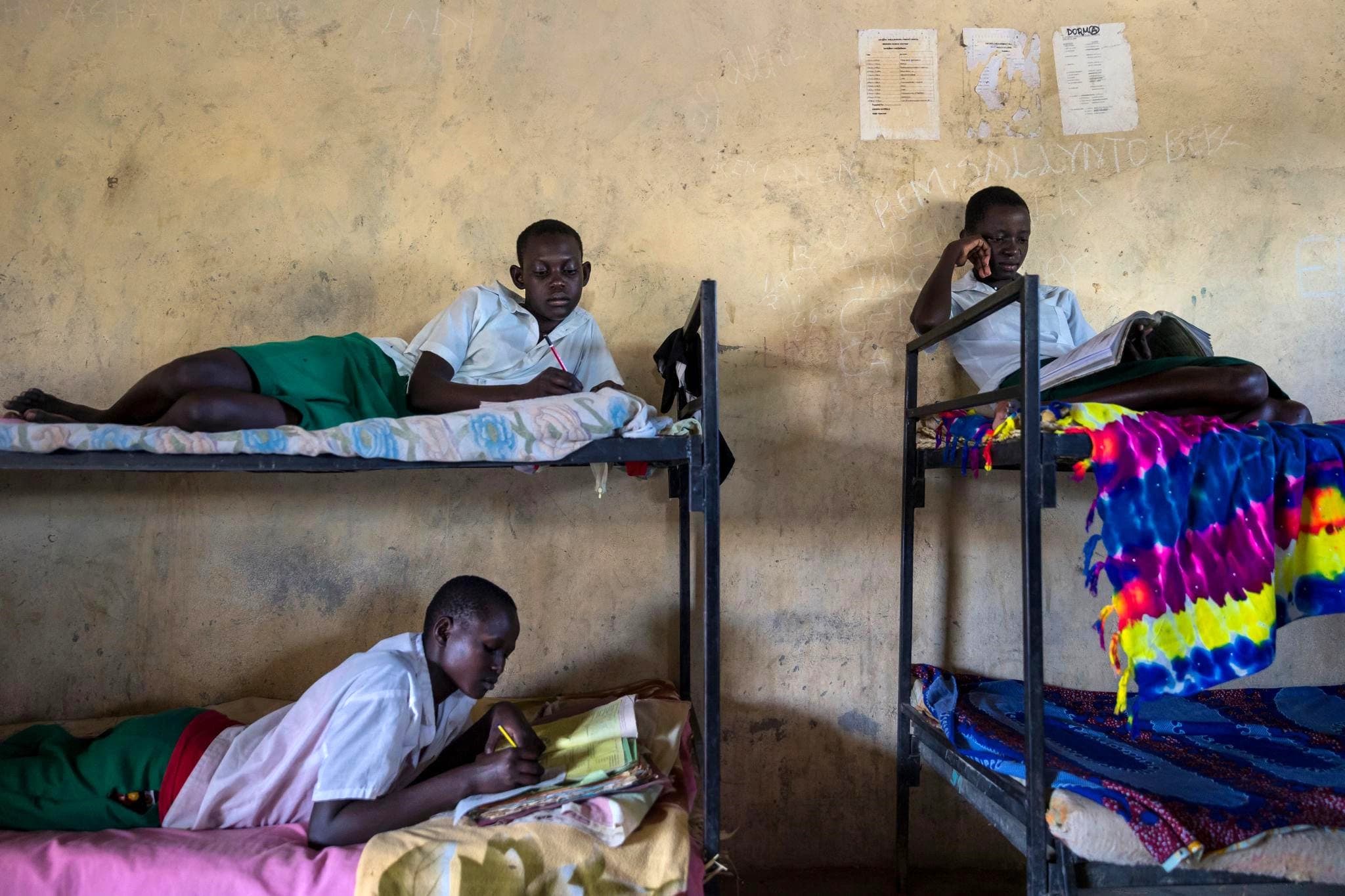
Low-cost boarding primary schools (LCBPs) in Kenya’s arid and semi-arid lands (ASAL) are sliding into a financial crisis.
Head teachers from four of the ten ASAL counties say their schools have not received capitation grants since January 2026.
The grants keep kitchens running, support staff paid and suppliers willing to deliver. The head teachers spoke on condition of anonymity, citing fear of retaliation.
The *Education Newspaper* has withheld their names and schools to protect their jobs and standing, and has weighed their accounts with the caution that anonymous sourcing demands.
When the government introduced Free Primary Education (FPE) in 2002, the Ministry of Education set aside funds for low-cost boarding schools in ASAL counties. The goal was to improve access, transition and retention among pastoralist children, whose mobile livelihoods and long distances to school often keep them out of class.
The grant is paid at KSh3 per child, per meal, per day, multiplied by enrolment. It is meant to buy food and pay cooks, caretakers and watchmen, and is released twice a year, in January and September.
The rate has not been reviewed since the programme began, even as food prices and wages have risen, so schools were stretching an inadequate sum long before the present delay.
The head teachers said KSh3 now covers only a fraction of a nutritious meal and falls far short of real need.
Unpaid salaries and food debts threaten boarding operations
The situation has since worsened. No disbursement has reached their schools since January 2026, and the September release has not arrived either. The effects are visible. Salary arrears for support staff have mounted, and suppliers who delivered food on credit remain unpaid.
With the year nearing its end, pressure is building. Some suppliers have warned that they will stop deliveries until their debts are cleared, while others have threatened to sue school boards.
Support staff, for their part, have resorted to go-slows and pickets over unpaid wages. These disruptions are straining boarding operations and, above all, affecting the learners who depend on the schools for meals and accommodation. Head teachers are relying on stopgap measures to keep the schools running, with little room to manoeuvre.
Head teachers question funding arrangements under NACONEK
Since around 2023, the Ministry of Education has placed low-cost boarding funding under the National Council for Nomadic Education in Kenya (NACONEK), a semi-autonomous government agency. The head teachers link the delay to that transfer. It is not yet clear whether the holdup lies in the handover itself, in the release of funds to the agency, or elsewhere in the chain. New arrangements of this kind can take time to bed in, but schools carrying months of arrears have little room to wait.
The delay also points to wider structural strain. According to the head teachers, late FPE releases compound delays in other grants, so schools face overlapping bottlenecks rather than a single, easily fixed delay. The result is a cycle in which schools struggle to pay suppliers and staff on time and, the head teachers say, are then unfairly blamed by parents and the public.
The current delay is the latest in a long record of funding troubles. Late FPE releases have repeatedly made headlines, and the Kenya Primary School Headteachers Association and the Kenya Secondary School Heads Association have raised the alarm many times. Each delay leaves school financing unpredictable and hard to explain to parents.
Top government officials have openly cited immense budget deficits and delays in data processing systems such as KEMIS, causing many primary school accounts to sit empty for months on end.
Schools fear another funding shortfall in January 2027
Even when the money does arrive, a harder question remains: will it be enough? Two scheduled releases, in January and September, are now outstanding, and the head teachers say salary arrears and food debts have built up over nine months. It is not yet known how much will be released, or whether it will be applied to arrears first.
Because the head teachers describe the KSh3 rate as inadequate even before the delay, schools could receive their funds and still face a shortfall, leaving them to borrow from suppliers and defer wages again until the next release, due in January 2027.
That would repeat the cycle. The head teachers’ accounts point to that risk; the actual figures would settle it.
The stakes go beyond accounts and arrears. Low-cost boarding was meant to widen access and keep vulnerable children in school, yet that purpose is at risk as head teachers manage the fallout with little guidance or preparation for change.
The Education Newspaper contacted NACONEK’s Chief Executive Officer, Mr Harun Yussuf, to seek his comment on the delay and the transfer of the function. He had not responded by the time of publication.



Reader Discussion (0)
Sign in to comment