







Kenya's education sector is facing serious questions over the management of public resources following a government audit that exposed widespread irregularities in learner registration, school records and the distribution of capitation funds.
The verification exercise unearthed 973,634 questionable learner records across primary and secondary schools, alongside nearly 200 institutions whose operational status raised concerns. The findings have reignited debate about accountability in the education sector, particularly the possibility of public money being channelled to institutions or learner records that do not reflect the actual situation on the ground.
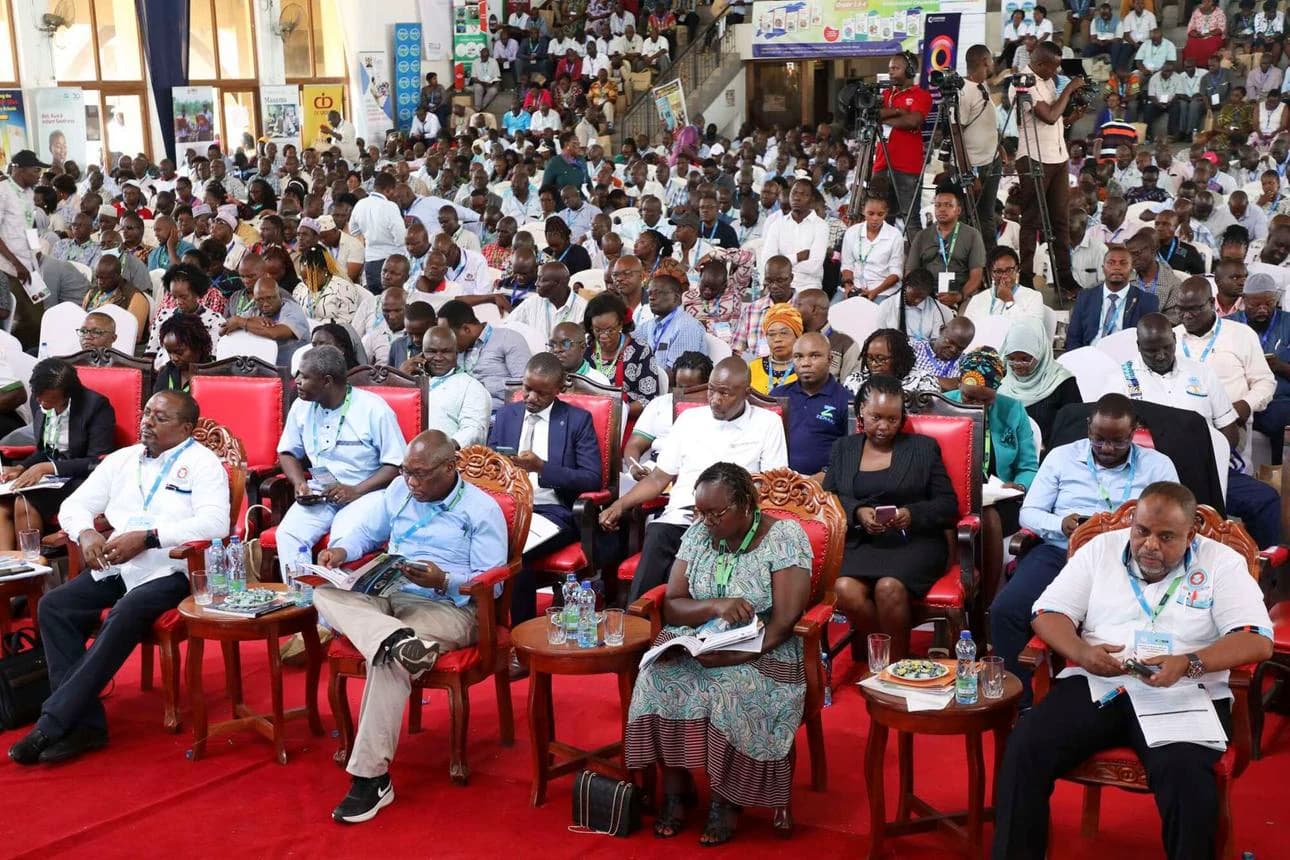
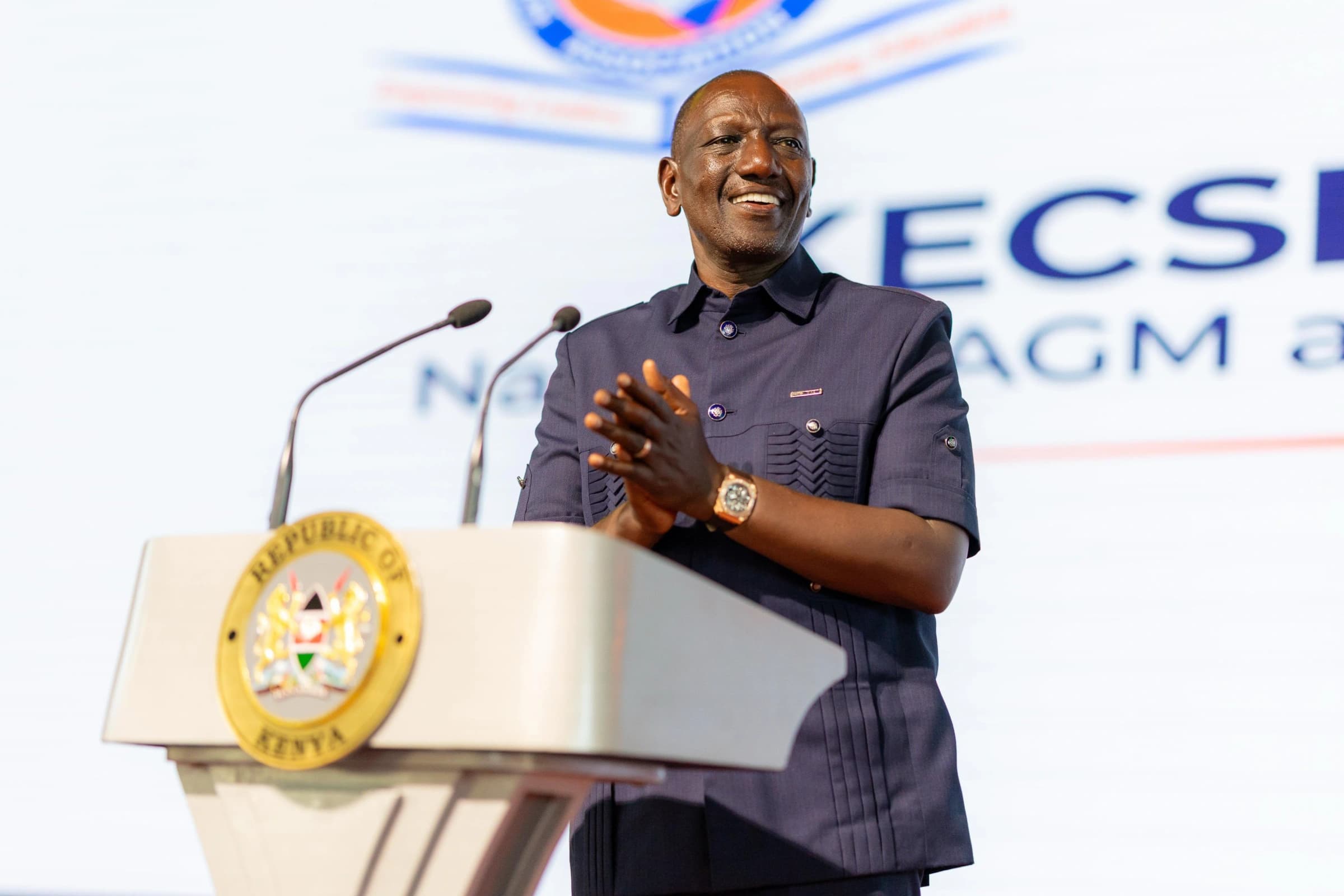
President William Ruto disclosed the findings during the Kenya Comprehensive Schools Heads Association (KECSHA) conference in Mombasa, emphasising the Government's intention to ensure that education funds reach genuine learners and functioning schools.
At the centre of the controversy is the relationship between school enrolment figures and government capitation. Since funding allocations are substantially influenced by the number of learners registered in an institution, inaccurate records can distort the distribution of billions of shillings intended to support teaching and learning.
The Ministry of Education undertook the verification exercise by comparing enrolment figures submitted by school heads against independent records held by Sub-County Directors of Education and other government agencies. School administrators were required to provide institutional details, learner populations and GPS coordinates to establish the physical location and operational status of their institutions.
The Ministry further cross-checked learner information against records maintained by the Kenya National Examinations Council (KNEC), exposing inconsistencies in enrolment figures, school identification codes and institutional records.
Nearly one million learner records questioned
Earlier findings presented in February 2026 identified 973,634 questionable learner records, comprising 885,904 primary school entries and 87,730 secondary school entries.
The discrepancies, however, should not automatically be interpreted as proof that all the affected learners were fictitious. Some irregularities may arise from duplicated records, delayed updates, incomplete registration and weaknesses in data management. The verification process must therefore distinguish deliberate manipulation from genuine administrative errors.
The audit also exposed problems involving institutions that continued appearing in government databases despite their non-operational status. Twenty-seven schools, comprising 17 primary and 10 secondary institutions, were identified as non-operational.
Further scrutiny identified 102 Junior Schools and 84 primary schools operating below the minimum enrolment threshold of 10 learners. These findings demonstrate the importance of regularly updating institutional records to reflect changes in school operations, population and registration status.
One of the most significant outcomes of the exercise was the reported saving of Sh912 million in potential capitation payments during the third term of 2025. The savings illustrate how accurate enrolment verification can protect public resources from being allocated using unreliable information.
The investigation also triggered accountability measures. Twenty school heads were referred to the Teachers Service Commission (TSC) for disciplinary consideration, while another 28 Sub-County Directors of Education and Quality Assurance and Standards officers received show-cause letters over suspected supervisory failures.
Questions over accountability and resource allocation
These developments raise important questions about the responsibilities of school administrators and education officials. Headteachers and principals are entrusted with maintaining accurate institutional records, while education officers are expected to provide effective oversight and ensure that information submitted by schools reflects reality.
The bigger concern is that weaknesses in learner registration affect much more than capitation. They can compromise teacher recruitment and deployment, classroom construction, distribution of textbooks, laboratory development and the planning of other essential learning facilities.
For instance, when a school reports an inaccurate learner population, its staffing requirements may also be distorted. Institutions with genuine enrolment growth could consequently face shortages while resources are distributed using unreliable figures elsewhere.
The Government must therefore treat the findings as an opportunity to overhaul the management of education information rather than simply conduct a one-off verification exercise.
Digital learner registration should be strengthened through reliable identification systems, regular data reconciliation and integration of education databases. Schools should undergo periodic physical verification, while education officers should be held accountable for the accuracy of information they approve and forward to higher authorities.
Equally important, genuine learners must not become casualties of administrative weaknesses. Children should not lose access to government support because of delayed registration, incorrect identification details or mistakes made by school administrators.
The transition towards stronger digital education management systems must also be accompanied by adequate training of school heads, data officers and other education personnel. Technology can improve accuracy, but its effectiveness depends on the integrity and competence of those entrusted with operating it.
Strengthening integrity in education funding
The revelations also place school leadership under renewed scrutiny. Managing an educational institution involves more than supervising teachers, maintaining discipline and improving academic performance. It also requires financial accountability, proper record-keeping and responsible management of public resources.
Ultimately, the central question is not simply how many questionable learner records were discovered, but how such irregularities developed, how long they remained undetected and whether anyone deliberately benefited from them.
Who created the questionable records? Who approved the figures? Were public funds previously disbursed to institutions that were not operational? What mechanisms will ensure that those responsible are held accountable where wrongdoing is established?
Kenya cannot afford a situation where genuine schools struggle with inadequate classrooms, teachers and learning materials while public resources are exposed to possible manipulation through unreliable enrolment records.
Every learner deserves an equitable share of educational resources, and every school receiving public funding must demonstrate accountability.
The integrity of the education system will ultimately be measured not by the number of learners appearing in government databases, but by the number of genuine children receiving quality education and the extent to which public funds improve their learning conditions.



Reader Discussion (0)
Sign in to comment