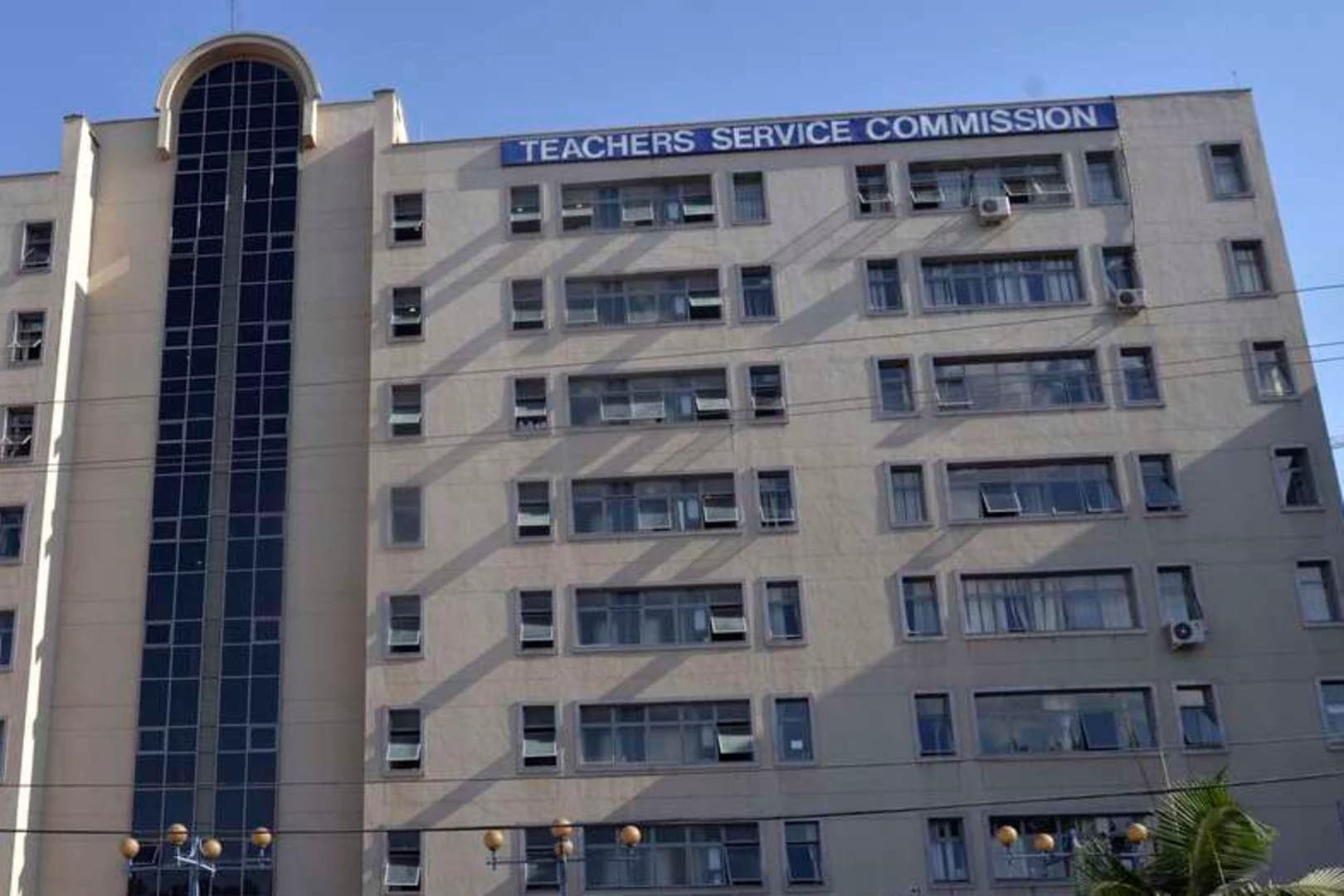


The Teachers Service Commission (TSC) has introduced a special recruitment arrangement that could open new employment opportunities for qualified teachers with disabilities during the 2026/2027 teacher recruitment exercise.
Under the arrangement, at least five per cent of the advertised teaching vacancies are reserved for applicants with disabilities, in a move aimed at promoting inclusivity, equal employment opportunities and fair representation in the teaching profession.
The provision is particularly significant for qualified teachers with disabilities who have remained unemployed despite possessing the academic and professional qualifications required to teach in public schools. It creates an opportunity for them to compete for available positions through a recruitment framework that recognises the need to address barriers that may disadvantage persons with disabilities.
According to the recruitment guidelines, applicants seeking consideration under the special arrangement must declare their disability when submitting their applications. This requirement enables the Commission to identify eligible candidates and process their applications under the designated recruitment category.
Unlike applicants competing through the general recruitment pool, teachers with disabilities are assessed using a separate scoring framework and placed on a distinct merit list. This approach is intended to ensure that qualified candidates are considered within the reserved vacancies rather than relying exclusively on competition against applicants in the general category.
The arrangement also highlights the importance of transparency and accurate disclosure during recruitment. Applicants are expected to provide truthful information and comply with all the requirements stipulated in the official TSC recruitment guidelines.
Constitutional commitment to inclusion
The five per cent reservation is anchored in Kenya's broader constitutional commitment to equality, human dignity and the protection of persons with disabilities. Article 27 of the Constitution guarantees equality and freedom from discrimination, while Article 54 provides specific protections and entitlements for persons with disabilities, including opportunities for employment.
However, the reserved vacancies should not be mistaken for automatic employment. Applicants must still satisfy the prescribed academic and professional qualifications, meet the recruitment requirements and undergo the stipulated assessment process.
Beyond creating employment opportunities, the policy raises an important question about inclusivity in Kenya's education sector: How can the country fully utilise the talents, professional knowledge and experiences of qualified teachers with disabilities?
Disability should not automatically translate into professional exclusion. Teachers with disabilities possess diverse academic abilities, pedagogical skills and professional experiences that can contribute meaningfully to classroom instruction, school administration and the wider education system.
Indeed, an inclusive teaching workforce can also help learners appreciate diversity, respect human dignity and understand that disability does not necessarily determine intellectual capacity or professional competence.
For the recruitment arrangement to achieve its intended purpose, however, implementation must be accompanied by accessible application procedures, reasonable workplace accommodations and appropriate facilities in schools. Reserving vacancies is an important starting point, but ensuring that recruited teachers can work effectively and with dignity is equally essential.
Qualified teachers with disabilities preparing to apply for the 2026/2027 recruitment exercise should carefully examine the official TSC advertisement, declare their disability as required and ensure that all supporting documentation is submitted within the stipulated timelines.
The success of inclusive recruitment should ultimately be measured not merely by the number of positions reserved, but by whether qualified teachers with disabilities receive a fair opportunity to enter the profession, develop their careers and contribute to national education development.
Reader Discussion (0)
Sign in to comment