





Completing national examinations marks the end of one academic journey and the beginning of another important phase of life. For thousands of young people who have sat the Kenya Certificate of Secondary Education (KCSE), the weeks and months spent waiting for results provide an opportunity to reflect, discover personal abilities, acquire new skills and prepare for future responsibilities.
Unfortunately, this transitional period can also become a breeding ground for idleness if young people lack proper guidance. After spending years following structured school programmes, some candidates suddenly find themselves with unlimited free time and no clear direction on how to use it. Others become vulnerable to destructive peer pressure, excessive entertainment, gambling, drug and substance abuse and other activities that can compromise their future.
Rather than allowing the waiting period to become an extended holiday, school leavers should view it as an opportunity to invest in their personal development. Success after school requires more than academic grades. It also demands practical competencies, discipline, creativity, resilience and the ability to identify opportunities.
Practical skills and entrepreneurship
One of the most valuable investments young people can make during this period is acquiring technical and vocational skills. They can enrol in short courses or approach experienced professionals for apprenticeship opportunities in electrical installation, plumbing, motor vehicle mechanics, carpentry, welding, masonry, tailoring, hairdressing, catering, baking and computer repair. Such skills can eventually provide alternative sources of income while opening doors to self-employment and further professional training.
Agriculture is another area that school leavers should explore, particularly those living in rural communities. Poultry keeping, rabbit farming, dairy production, vegetable cultivation, greenhouse farming, fish farming, beekeeping, mushroom production and tree nursery establishment can provide practical learning experiences. Even a modest agricultural project can teach young people important lessons about investment, patience, responsibility and financial management. With proper planning, agriculture can become a viable commercial enterprise rather than merely an activity undertaken for household consumption.
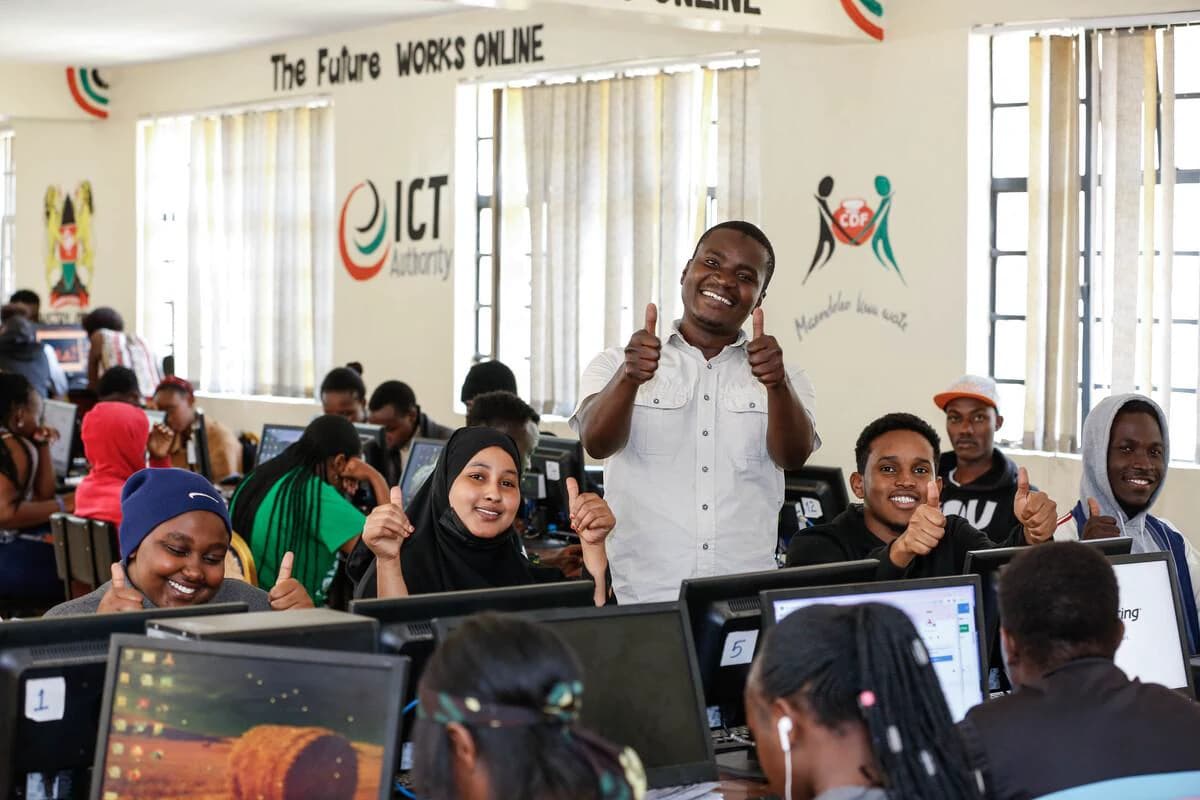
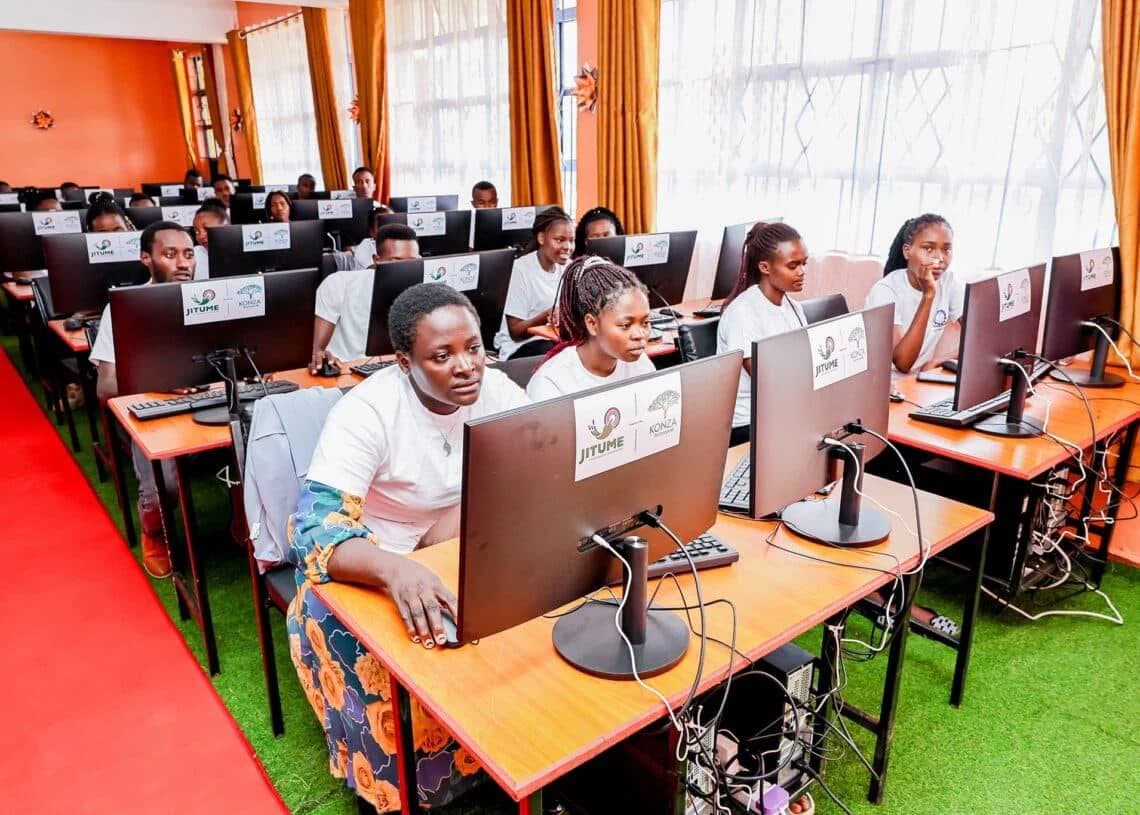
The digital economy also presents opportunities for young people willing to embrace technology. School leavers can use this period to acquire skills in graphic design, photography, video editing, website development, programming, digital marketing, content creation and computer applications. These competencies can eventually enable them to participate in the growing digital employment market, including legitimate online freelance opportunities.
Parents should equally encourage their children to identify and nurture their talents. Young people interested in football, athletics, volleyball, basketball, music, drama, dancing, creative writing and public speaking can use the available time to improve their abilities. Talent development should never be dismissed as a waste of time because sports, entertainment and creative industries have created professional opportunities for individuals who take their abilities seriously. Some talents can even lead to scholarships, sponsorships and professional careers.
Community service should also become part of the activities undertaken by school leavers. Participating in tree planting, environmental conservation, community clean-ups, charitable initiatives, library programmes and approved voluntary activities can help young people appreciate their responsibilities towards society. Such engagements nurture compassion, teamwork, leadership and communication skills while keeping them constructively occupied.
The waiting period can also introduce young people to entrepreneurship. Depending on available resources and market opportunities, they can establish small ventures involving the sale of fruits and vegetables, baking, barbering, laundry services, phone accessories, poultry products, printing and photocopying. The initial objective should not necessarily be making substantial profits but understanding how businesses operate. Learning customer care, record keeping, budgeting and responsible use of money can provide a strong foundation for future economic independence.
Career guidance and personal development
Reading and intellectual development should not stop when examinations end. School leavers should maintain a reading culture by exploring novels, biographies, newspapers, motivational books and publications covering business, leadership, technology and personal development. They can also improve their communication skills, learn additional languages, strengthen computer literacy and familiarise themselves with courses they intend to pursue at universities and colleges.
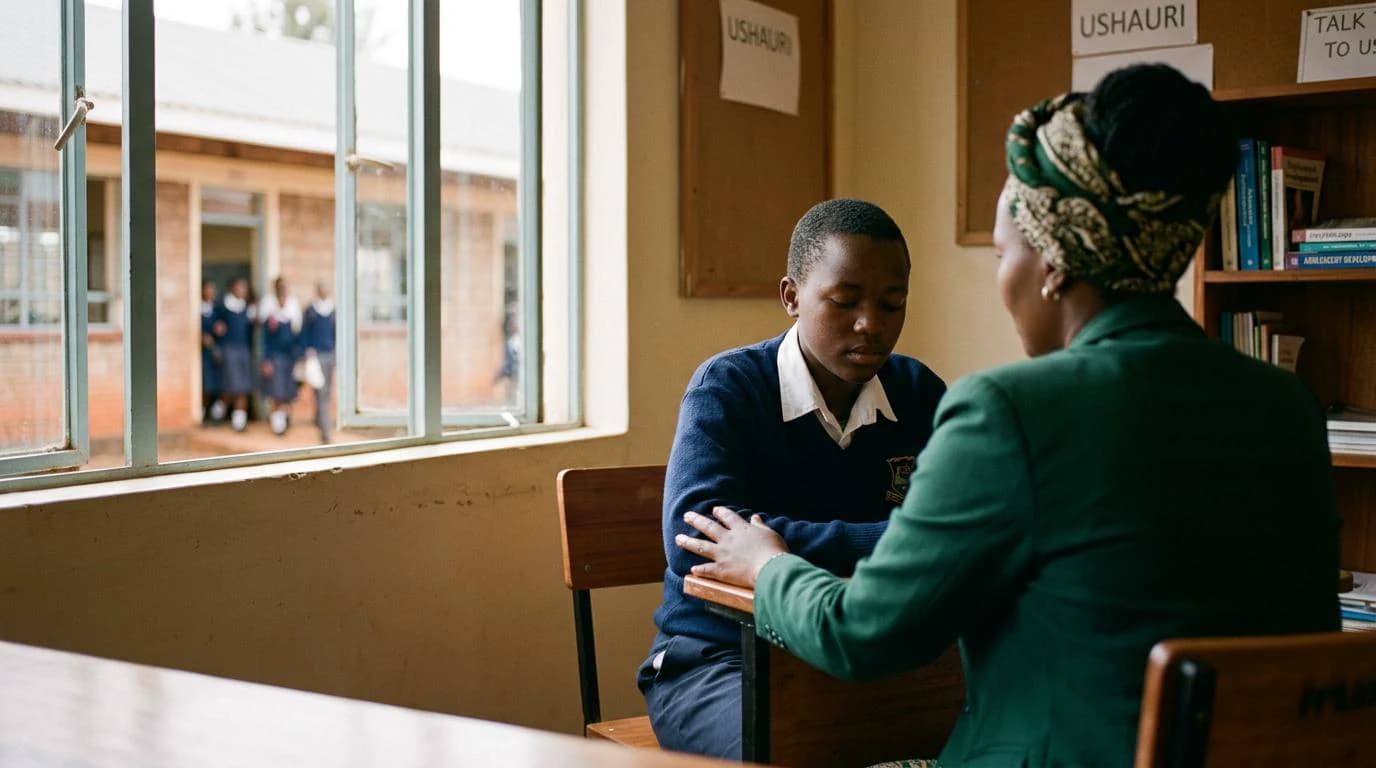
Career guidance and mentorship are equally important. Young people should seek opportunities to interact with teachers, professionals, entrepreneurs and other experienced individuals who can help them understand different career pathways. Such interactions can expose them to the realities of various professions, help them identify their strengths and guide them towards informed decisions when selecting courses after receiving their results.
There are also government-supported youth empowerment initiatives worth investigating. Opportunities through the NYOTA Project, Ajira Digital and Technical and Vocational Education and Training (TVET) institutions can provide pathways into skills development, entrepreneurship and employment. However, school leavers should establish the eligibility requirements and obtain information through official programme channels.
Beyond acquiring professional and technical competencies, young people should use this period to develop essential life skills. Financial literacy, time management, communication, conflict resolution, personal hygiene, cooking, household responsibilities and responsible decision-making are important abilities that prepare individuals for independent adulthood. Parents should therefore encourage their children to participate in household activities instead of treating domestic responsibilities as unnecessary burdens.
Preventing idleness and negative peer influence
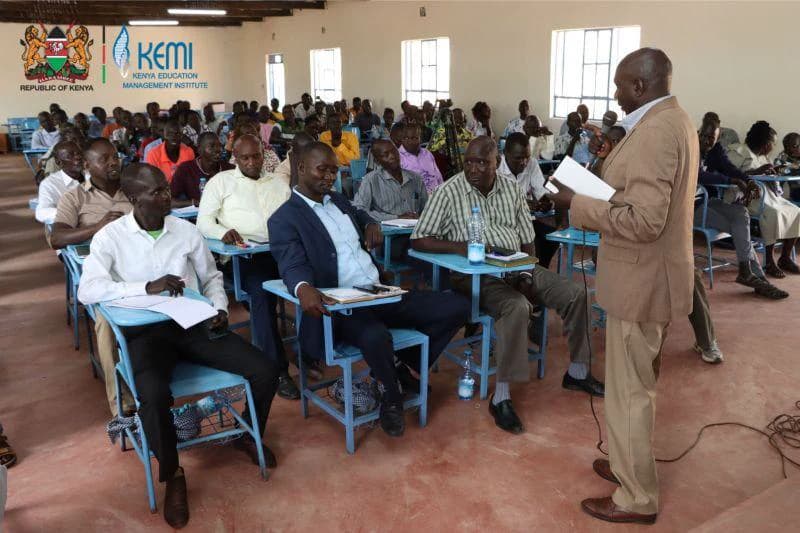
The responsibility of guiding school leavers should not be left to parents alone. Teachers can organise mentorship sessions, career guidance programmes and engagements with former students who have established themselves in different professions. Churches, religious organisations, community groups and local administrators can also establish structured programmes involving sports, leadership training, environmental conservation and vocational skills development.
One of the biggest dangers during the waiting period is prolonged exposure to negative peer influence. Young people who lack meaningful engagements can easily be drawn into drug and substance abuse, gambling, criminal activities, irresponsible relationships and excessive social media consumption. Families and communities should therefore prioritise constructive supervision, open communication and positive mentorship rather than waiting until destructive behaviour emerges.
A structured daily routine can make a considerable difference. School leavers can dedicate their mornings to physical exercise, vocational training or agricultural activities, spend afternoons reading, volunteering or developing their talents, and reserve evenings for family engagement and personal reflection. Such routines promote discipline, time management and a sense of purpose.
Ultimately, the period between completing examinations and receiving results should be treated as a preparation stage for the future. Young people should not put their lives on hold while waiting to discover their academic performance. There is always something valuable to learn, a talent to develop, a skill to acquire or a positive contribution to make within society.
Academic results may determine entry into particular educational opportunities, but they do not independently determine an individual's ability to succeed in life. Creativity, practical knowledge, integrity, resilience, discipline and the willingness to work hard are equally important ingredients of personal and professional development.
Parents, teachers and society must help school leavers appreciate that education is a lifelong process. Leaving the classroom does not mean leaving the world of learning. In fact, this transitional period offers an opportunity to acquire lessons that may never appear in an examination paper but will prove essential throughout adulthood.
The greatest mistake a school leaver can make is to become idle simply because examinations are over. Do not spend the waiting period merely waiting for results; use it to build skills, discover talents, develop character and prepare for the opportunities ahead.



Reader Discussion (0)
Sign in to comment