






As you, our KCSE candidates, leave the examination room and begin the long break, remember that your education has prepared you for opportunities beyond the papers you have just completed.
The pens are down. The examination papers have been handed in. A demanding chapter is ending, and another is beginning.
My sons and daughters, many of you understand the weight of poverty because you have witnessed it in your own homes.
You have seen parents struggle to raise school fees, buy food, meet rent and pay medical bills. You have watched families make difficult choices between needs that are equally urgent.
Some classmates have missed lessons because their families could not afford basic necessities. Others have continued studying despite uncertainty about their next meal.
These experiences should strengthen our determination to expand opportunity. A family’s financial circumstances do not diminish its dignity or the potential of its children.
Poverty can restrict choices, but it should never become a permanent verdict on your future.
Begin with what is available
You deserve rest after months of preparation and examination pressure. Take time to recover, reconnect with your family and appreciate what you have accomplished.
You can also use part of this break to learn and contribute.
Start at home. Completing Form Four does not place you above ordinary household responsibilities.
Help with farming, poultry keeping, caring for livestock or running a family business. Where land, water and guidance are available, explore a small vegetable garden.
Growing sukuma wiki, tomatoes or onions can teach you about planning, costs, patience and responsibility. Depending on the harvest and available markets, the produce may support household meals or provide something to sell.
Begin on a scale your family can manage. Learn from experienced people before committing money to an unfamiliar venture.
You do not need to launch a large business immediately. The first achievement may simply be acquiring a useful skill and completing a task reliably.
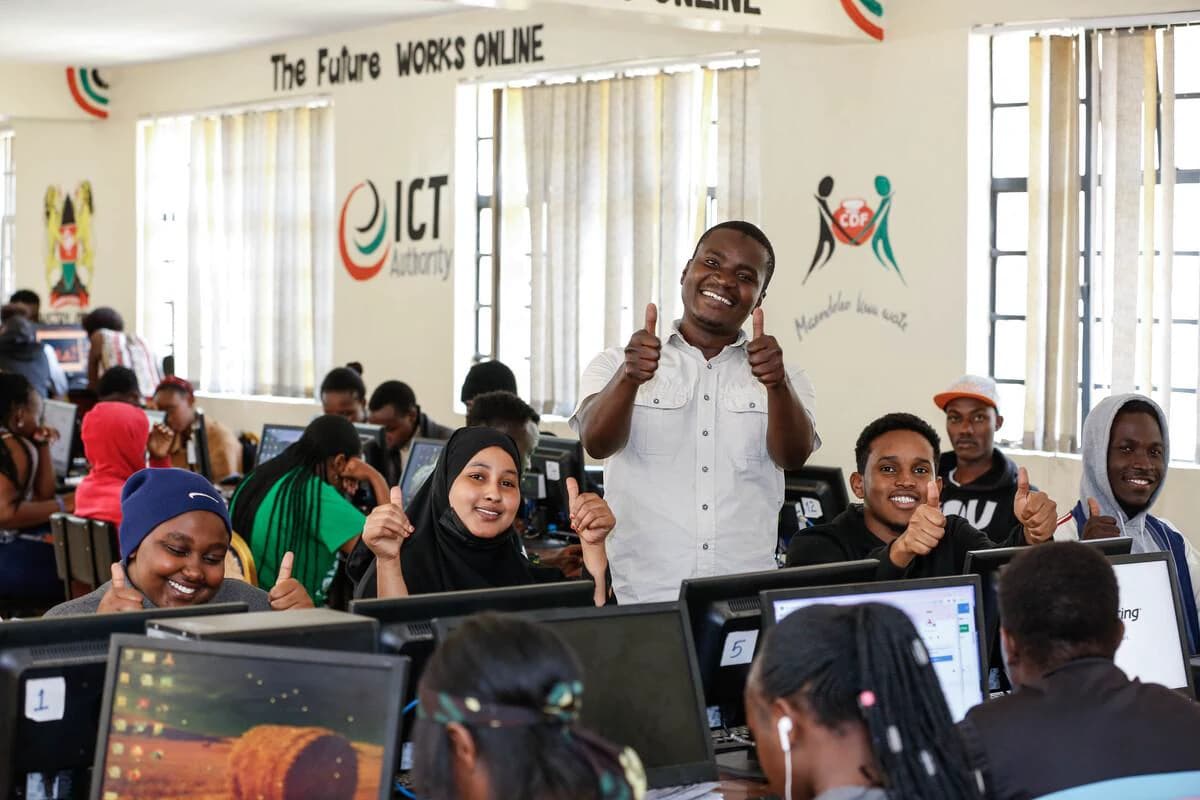
If you can braid hair, repair shoes, sew or prepare food, look for safe opportunities to practise and improve. If you enjoy technology, explore digital skills through credible training providers.
Those interested in teaching can help younger learners with revision, with the agreement of their parents or guardians.
Every honest occupation deserves respect. The dignity of work comes from the value it creates and the integrity with which it is done.
At the same time, unemployment is not evidence of laziness. Many people work hard or search persistently for opportunities without finding secure livelihoods. Young people need encouragement, fair opportunities and practical support.
Learn to plan, save and keep learning
Money management is an important lesson to begin learning now.
Where income allows, set aside a manageable amount for future needs. Keep simple records of what you earn and spend.
Discuss priorities with your family. Food, education, health and essential household needs deserve careful consideration before discretionary spending.
Saving is difficult when income barely covers necessities. Families facing that reality need understanding and support, alongside opportunities to improve their circumstances.
As school leavers, you can contribute ideas, help compare costs and learn how household decisions are made. Listen to your parents and neighbours as well. Their practical knowledge may teach you things that examinations never tested.
Above all, keep learning.
Explore farming, poultry keeping, tailoring, business, writing, communication or another field that interests you. Learn how to assess an opportunity, identify a scam and ask informed questions before paying for training or employment promises.
Your certificate is an achievement. Practical competence, continued education and good judgement will help you make use of it.
Some of you will proceed to university, others to TVET institutions, apprenticeships or professional training. Give each pathway serious consideration according to your interests, qualifications and circumstances.
You do not need to have your entire future settled before your results arrive.
Protect your wellbeing and seek support
The freedom that follows school also brings decisions about friendships, relationships, money and personal safety.
Choose people who respect your boundaries and support your ambitions. Be cautious about offers of quick money and situations involving coercion, exploitation or illegal activity.
Speak to a trusted adult when you feel pressured or unsafe. Asking for help is a responsible decision.
Setbacks do not erase your future. A young person experiencing pregnancy, substance-use difficulties or another serious challenge deserves appropriate care and support to continue building their life.
Parents and communities must keep that door open.
Young people should also remember that their voice has value. Participate thoughtfully in community discussions and make decisions according to your convictions.
For those who draw strength from faith, let it encourage hope, compassion and purposeful action. Hard work matters, alongside the support and opportunities that allow effort to bear fruit.
The responsibility for reducing poverty belongs to all of us. Government, employers, schools, community organisations and families must help create conditions in which young people can thrive.
School leavers can contribute, but they should not be expected to carry their families’ financial burdens alone.
While you wait for results, take manageable steps. Learn something useful. Help where you can. Ask questions. Explore your abilities.
Be the young person who brings a thoughtful idea to the family business, helps a sibling understand a difficult subject or supports a community project.
Your contribution may begin modestly. Its value lies in the care, consistency and willingness to learn that you bring to it.
Go home with hope. Rest, learn, work responsibly and seek guidance. Let your education become a resource for your own growth and for the people around you.



Reader Discussion (0)
Sign in to comment