

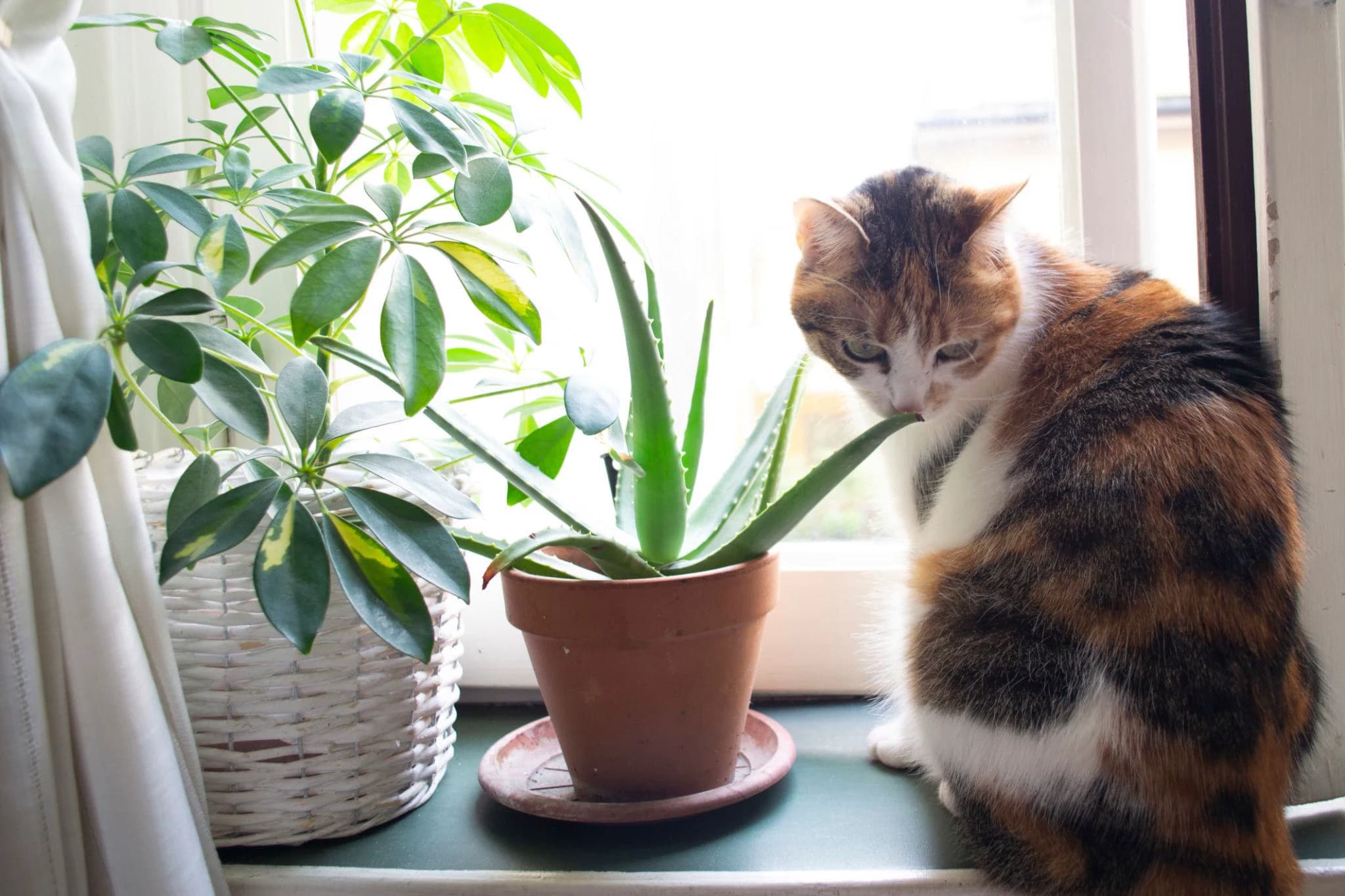







Aloe vera is among the most popular plants found in Kenyan homes and gardens, thanks to its attractive appearance, medicinal reputation and ability to thrive with very little attention. However, behind its familiar green leaves lies a potential danger that homeowners, particularly those keeping cats and dogs, should not ignore.
Although the plant is widely celebrated for its medicinal and skincare benefits, certain substances contained in its leaves can be harmful when swallowed by domestic animals.
Originally native to parts of Africa and the Arabian Peninsula, aloe vera is easily recognised by its thick, pointed green leaves, which store water and enable the plant to survive prolonged dry periods.
Its low maintenance requirements make it particularly attractive to homeowners who want beautiful indoor and outdoor plants without the responsibility of frequent watering.
The plant has also attracted attention for its potential role in improving indoor air quality, with claims that it can absorb certain pollutants, including benzene and formaldehyde.
However, its benefits should not overshadow the risks associated with keeping it in households with pets.
The hidden toxic substance inside its leaves
The biggest concern is the yellow latex found beneath the outer surface of aloe vera leaves.
This substance contains compounds, including aloin, that can be toxic when ingested by cats and dogs.
Pets that chew or swallow the leaves may experience vomiting, diarrhoea, lethargy and other digestive complications.
The danger is particularly concerning because pets, especially curious cats and young dogs, may mistake the plant for something harmless to chew.
Where homeowners should position aloe vera
People who love growing aloe vera do not necessarily have to abandon the plant. However, they should take precautions to prevent their pets from accessing it.
One practical solution is to place aloe vera in elevated positions, such as high shelves or hanging baskets near windows where the plant can receive sufficient sunlight, provided the locations are inaccessible to pets.
For outdoor gardens, homeowners can consider fenced sections or other barriers that prevent cats and dogs from reaching the leaves.
Pet owners should also avoid leaving freshly cut aloe vera leaves where animals can access them.
The risks are not limited to animals. People handling the plant should also exercise reasonable caution, particularly when pruning, repotting or extracting its gel.
Washing hands after handling cut leaves helps prevent contact with irritating substances.
Those extracting aloe vera gel should remove the outer green skin and allow the yellow latex to drain away before collecting the clear inner gel. However, this process does not automatically make every preparation safe for consumption.
What pet owners should do
Aloe vera remains an attractive and relatively easy plant to maintain, but its medicinal reputation should not create a false sense of security.
Homeowners keeping cats and dogs should understand that a plant commonly associated with natural healing can also pose a poisoning risk to their animals.
If a pet chews or swallows aloe vera, owners should contact a veterinarian promptly rather than waiting for symptoms to develop.
Ultimately, the decision to grow aloe vera should involve more than its beauty and low maintenance requirements. Pet safety should also be part of the equation.
Reader Discussion (0)
Sign in to comment