







Anger is a natural human response to frustration, disappointment, perceived injustice and provocation. Feeling angry does not make someone a bad person. What matters is how that emotion is expressed. There is a considerable difference between confronting a problem firmly and allowing frustration to turn into hostility. The danger begins when anger takes charge of our judgement, dictates our words and drives us into actions we may later struggle to justify.
Modern life presents numerous pressures. Financial difficulties, family responsibilities, demanding workplaces, strained relationships and unmet expectations weigh heavily on many people. Some carry disappointments silently, without finding healthy ways to address them. Eventually, a seemingly minor incident becomes the trigger for an explosive reaction. What appears to be an overreaction may actually be the expression of frustrations accumulated over time.
Psychologists explain that anger is not an emotion that should simply be suppressed or ignored. It can signal that something feels unfair, threatening or deeply frustrating. However, the way an individual interprets a situation can influence the intensity of the response. A disagreement may be an ordinary difference of opinion to one person but a deliberate act of disrespect to another. Understanding these emotional triggers is therefore essential to developing self-control.
The American Psychological Association recommends recognising personal triggers, practising relaxation, challenging unhelpful thought patterns and communicating assertively as useful anger-management strategies. Cognitive Behavioural Therapy (CBT), in particular, helps individuals examine exaggerated interpretations and develop more balanced ways of thinking. This reinforces an important lesson: managing anger involves not only controlling what comes out of our mouths but also examining the thoughts that influence our reactions.
Managing anger in workplaces and schools
The consequences of unmanaged anger are particularly visible in workplaces, where individuals with different personalities, expectations and opinions must coexist professionally. Disagreements are inevitable, but professionalism demands maturity in handling them. A supervisor who humiliates colleagues, an employee who responds to correction with hostility or a colleague who turns every disagreement into a confrontation can poison the working environment. Authority should never be confused with intimidation, and professional differences should not degenerate into personal hostility.
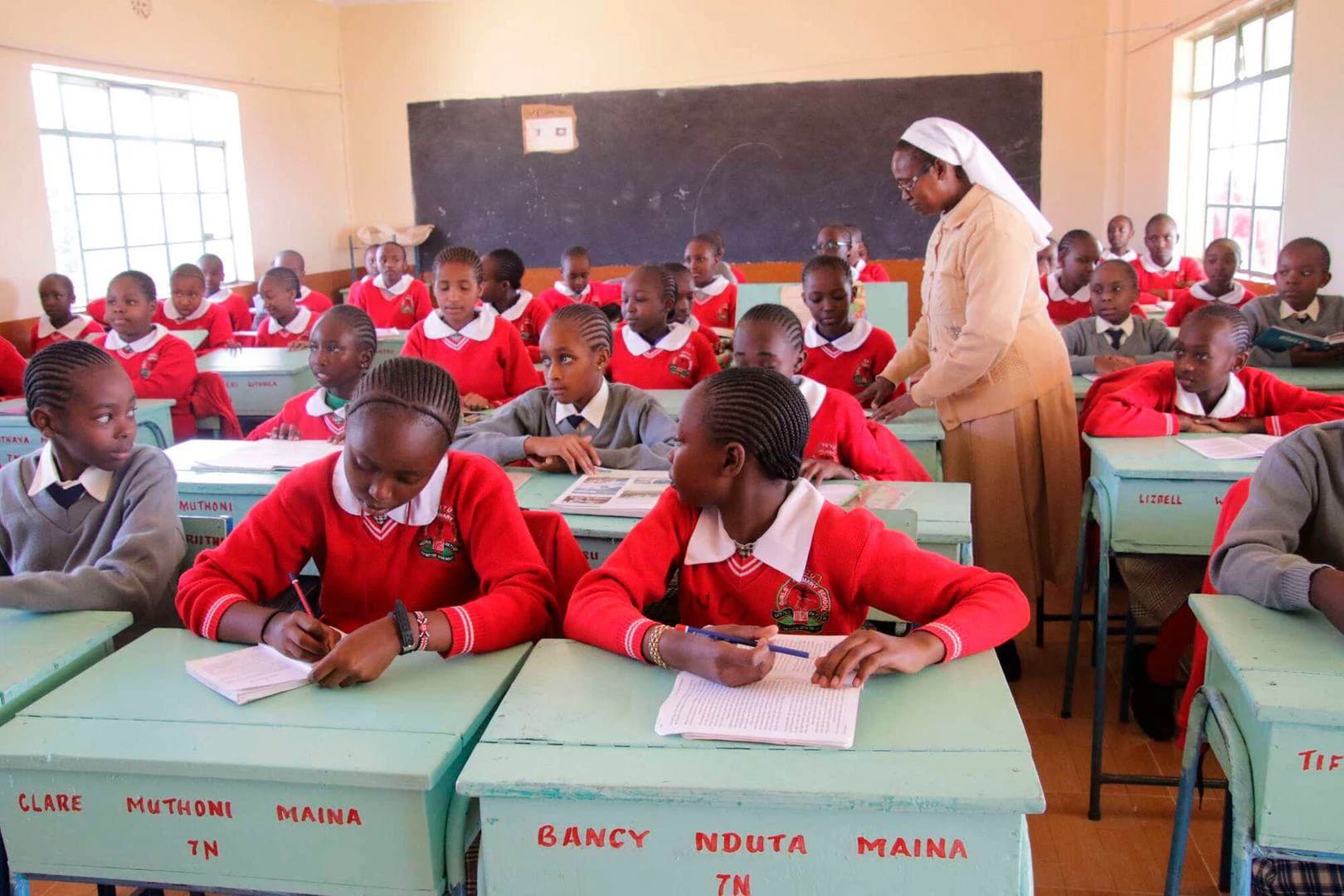
In schools, the responsibility is even greater because teachers and administrators are not merely professionals; they are also role models. Learners observe how adults respond to pressure, correction and disappointment. A teacher who resorts to insults and intimidation may achieve temporary compliance but risks destroying the trust and confidence essential to meaningful learning. Similarly, an administrator who cannot manage frustration may undermine staff morale, cooperation and institutional stability. Leadership is tested not only when circumstances are favourable but also when challenges arise.
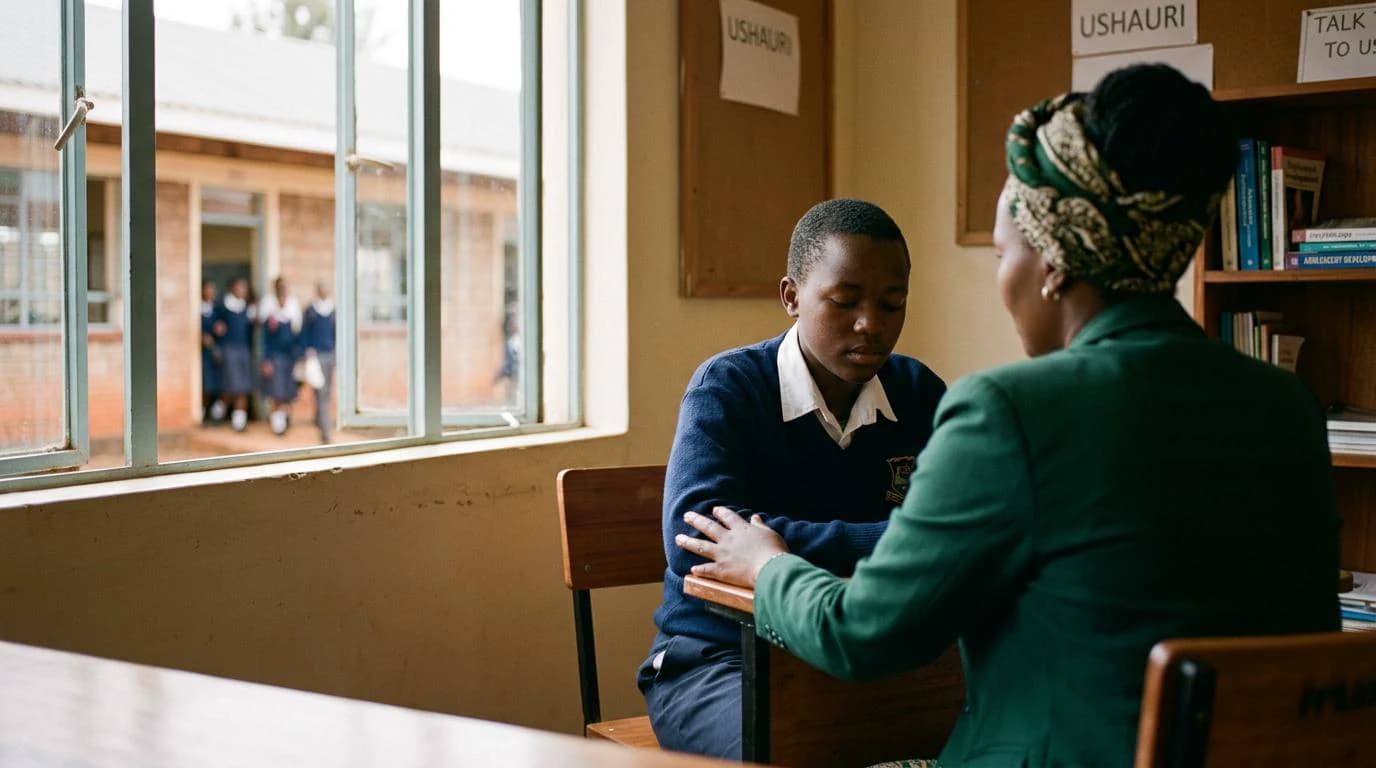
Learners themselves face emotional pressures that deserve attention. Bullying, peer pressure, academic expectations, family difficulties and the desire for acceptance can leave young people frustrated and overwhelmed. It is therefore important not to interpret every emotional outburst as simple indiscipline. Firm boundaries and accountability remain necessary, but punishment alone cannot teach a learner how to recognise emotional triggers and resolve conflict constructively.
Schools must strengthen guidance, counselling and mentorship to equip learners with practical skills for handling difficult emotions. Competency-Based Education (CBE) provides an opportunity to nurture self-awareness, empathy, communication, collaboration and responsible decision-making. These competencies should not remain confined to curriculum documents; they must be reflected in everyday interactions. Education should prepare young people not only to earn a living but also to live responsibly with others.
The role of families in emotional development
The lessons learnt at school must also be reinforced at home. Families are the earliest classrooms of human behaviour. Children observe how adults communicate, settle disagreements and respond to disappointment. When shouting, insults, threats and intimidation become normal features of family life, children may grow up believing that aggression is an acceptable way of asserting authority. Parents and guardians must appreciate that their conduct teaches powerful lessons, even when they are not deliberately instructing their children.
More troubling is the escalation of unresolved anger into domestic violence, physical confrontations and lasting emotional harm. No disagreement justifies abuse. Frustration cannot excuse assault, threats, humiliation or the violation of another person's dignity. Knowing when to step away from a heated exchange is not weakness; it is often an act of wisdom. Where violence occurs, the safety of those affected must take priority.
Our Constitution provides an important foundation for the respect that should guide human relationships. Article 28 of the Constitution of Kenya, 2010, protects every person's inherent dignity, while Article 29 safeguards individuals against violence and cruel, inhuman or degrading treatment. These protections remain relevant in homes, workplaces and institutions. Being angry does not suspend our responsibility to respect the rights of others.
Self-control is a mark of strength
Managing anger begins with self-awareness. Psychologists recommend recognising early warning signs such as an increased heartbeat, muscle tension, impatience and the urge to retaliate. Such signals provide an opportunity to pause before emotions escalate. Taking a short break during a heated discussion, practising controlled breathing and returning to the conversation when calm can prevent unnecessary confrontation. Equally important is learning to express displeasure without insults, listen without becoming defensive and disagree without attacking another person's character.
Individuals must also learn to release resentment rather than continually replaying painful experiences. Forgiveness can help people move forward, although it should never mean tolerating abuse or abandoning accountability. Where anger becomes persistent, intense or difficult to control, seeking assistance from a qualified counsellor or mental health professional is a responsible step. Employers and institutions should equally strengthen wellness programmes and provide effective channels for resolving conflicts.
Perhaps society needs to reconsider how it defines strength. Being loud does not make someone powerful, and intimidating others is not leadership. True maturity is reflected in the ability to remain composed under pressure, accept correction without hostility and confront injustice without becoming abusive. Self-control is not about tolerating wrongdoing; it is about addressing it without losing one's sense of responsibility.
Ultimately, anger management is a personal responsibility with far-reaching social consequences. We may not always control what others say or do, but we can learn to take responsibility for our responses. The words spoken in anger may be forgotten by the person who uttered them, yet remain deeply etched in the memory of the person who received them.
Anger may be unavoidable, but the harm that follows does not have to be. Our homes, schools, workplaces and communities would be healthier if we learnt to disagree without hatred, correct without humiliating and express disappointment without destroying relationships. Sometimes, the greatest demonstration of strength is not having the last word, but possessing the wisdom and discipline to know when to pause.
The writer can be reached at: jackiekebongo@gmail.com



Reader Discussion (0)
Sign in to comment