The increasing cases of indiscipline in learning institutions call for renewed attention to guidance and counselling, with teachers encouraged to strengthen their skills in mentorship, psychosocial support and behaviour management.
Counselling is the heartbeat of every learning institution. It is not merely an administrative department, an optional school activity or an intervention reserved for learners who have violated school regulations. It is an essential pillar of education that sustains the emotional, social, psychological and moral development of learners.
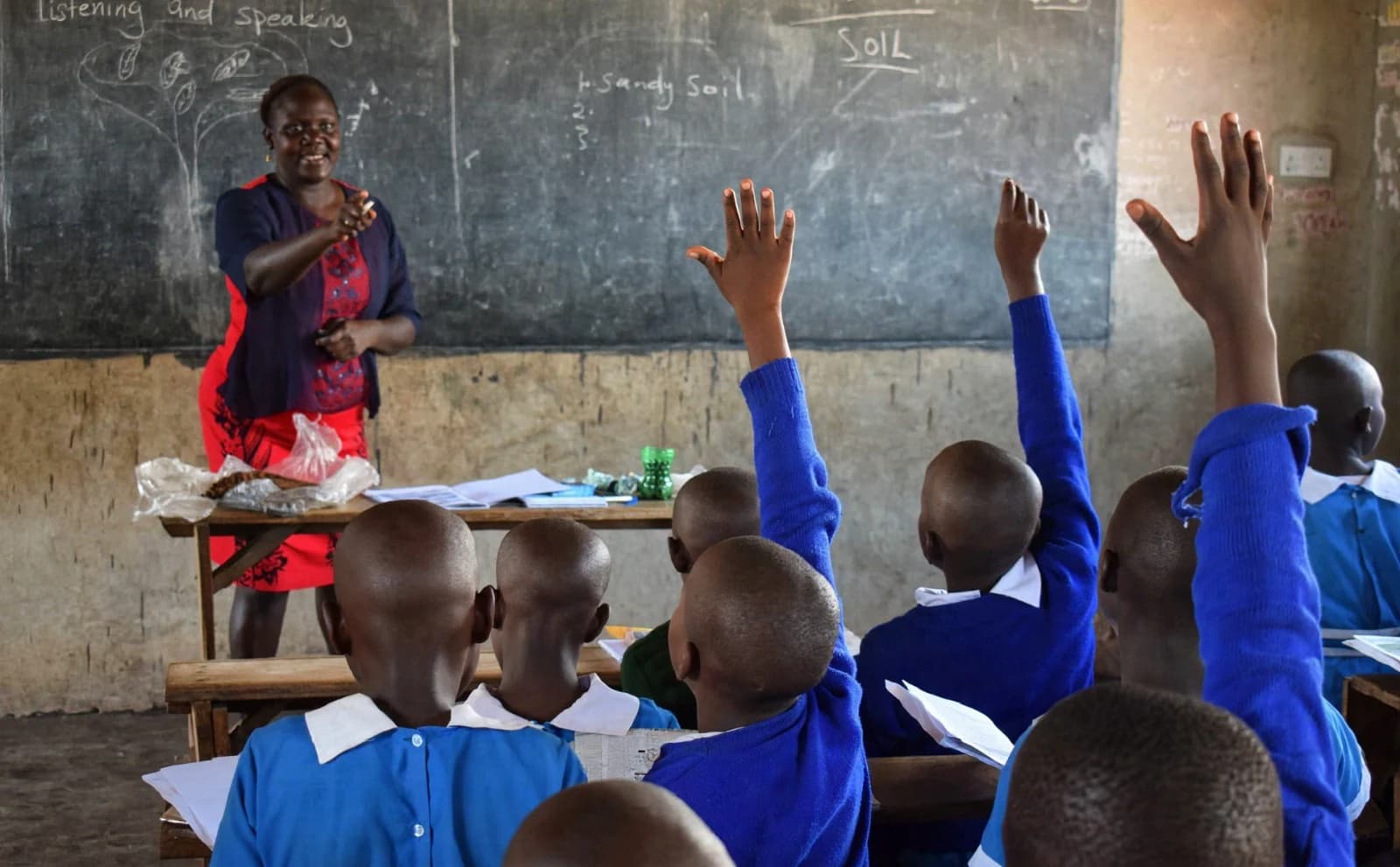
Schools are not simply centres for academic instruction and examination preparation. They are important institutions for character formation, social development and the nurturing of responsible citizens. Beyond delivering the curriculum, teachers play a fundamental role in shaping learners' attitudes, values, decision-making abilities and general conduct.
A school may boast excellent infrastructure, qualified teachers, adequate learning materials and impressive examination results, but without a strong counselling and mentorship culture it risks overlooking the very individuals it exists to nurture.
The changing social environment, coupled with emerging behavioural challenges, has made teaching increasingly demanding. Bullying, drug and substance abuse, defiance of school rules, negative peer influence, cyberbullying and inappropriate use of social media require more than conventional disciplinary interventions. There is therefore a compelling need for teachers to acquire and continuously improve their counselling competencies to respond to the evolving needs of learners.(Education News Kenya — https://educationnews.co.ke/news/time-for-teachers-to-hone-their-skills-as-indiscipline-raises-concern)
Just as the heartbeat sustains life, guidance and counselling sustain the human development that gives education its true meaning. Learners need more than academic instruction. They need someone who listens, understands their struggles, recognises their potential and guides them towards responsible decisions.
Counselling should be woven into the daily life of every school. It should inform how teachers interact with learners, how administrators handle disciplinary cases and how institutions respond to emerging behavioural challenges.
It should not be activated only when a serious disciplinary incident occurs. It should be a continuous process of nurturing character, building confidence, developing resilience and helping learners navigate the complexities of growing up. The ultimate measure of a successful learning institution is not only what learners know, but also who they become.
Every learner has a unique background, personality and set of circumstances that influence their behaviour. Some cases of indiscipline may be manifestations of deeper challenges, including family instability, emotional distress, anxiety, low self-esteem, peer pressure and difficulty adjusting to the school environment.
Teachers equipped with basic counselling skills are better positioned to identify behavioural changes, understand possible underlying causes and start appropriate interventions. Sudden withdrawal, aggression, persistent absenteeism, declining academic performance and repeated defiance may sometimes be warning signs that a learner requires attention and support.
Instead of rushing to punishment in every instance, teachers should establish what might be contributing to the behaviour and determine the most appropriate way of addressing it. Understanding the psychology of learners does not mean excusing misconduct. It enables teachers to distinguish between deliberate indiscipline and behaviour that may require deeper intervention.
While maintaining discipline and enforcing school regulations remain essential, punishment alone cannot guarantee lasting behavioural change. Learners should understand why certain behaviours are unacceptable and appreciate the consequences of their actions. Counselling, mentorship, restorative approaches and constructive engagement can help them develop self-discipline and personal responsibility.
A disciplined learner should not simply be one who fears punishment, but one who understands the importance of respecting authority, appreciating other people's rights and making responsible decisions even when nobody is watching.
This calls for a deliberate shift towards discipline systems that combine appropriate corrective measures with guidance, rehabilitation and character development. Schools should cultivate environments where mistakes become opportunities for learning and improvement without compromising established standards of discipline and accountability.
Guidance and counselling should not be viewed as the exclusive responsibility of teachers appointed to head counselling departments. Every teacher interacts with learners daily and therefore has opportunities to identify challenges, offer guidance and influence positive change. A mathematics, science, language or class teacher can contribute significantly to a learner's personal development beyond the subject being taught.
Teachers should cultivate approachable relationships that allow learners to seek help without fear of humiliation, intimidation or immediate condemnation. A learner who finds a trustworthy adult in school is more likely to seek guidance before personal challenges develop into serious behavioural problems.
Teachers must also understand the boundaries of their professional responsibilities. Learners experiencing serious psychological or emotional difficulties should be referred to qualified counsellors and other appropriate professionals.
The responsibility of nurturing disciplined children cannot be transferred entirely to schools. Parents and guardians remain central to the moral and behavioural development of their children. Values such as respect, honesty, responsibility and consideration for others should be nurtured at home and reinforced in learning institutions.
There is a need for stronger partnerships between schools and families, particularly when learners begin showing persistent behavioural challenges. Parents should take an active interest in their children's academic progress, friendships, social activities and general conduct rather than wait until a school reports a serious disciplinary incident. Schools, in turn, should establish constructive communication channels that encourage collaboration instead of confrontation between teachers and parents.
The home and school should complement each other in producing responsible, respectful and disciplined young people.
The modern learner operates in an increasingly complex digital environment. Social media platforms have transformed how young people communicate, interact and perceive the world. Although technology presents valuable learning opportunities, it also exposes learners to cyberbullying, inappropriate content, unhealthy comparisons and negative peer influence.
Teachers must therefore develop digital literacy and counselling competencies that enable them to address these emerging challenges. Schools should strengthen programmes that promote responsible technology use, digital citizenship and awareness of the consequences of online misconduct. Learners also need help to develop the confidence to resist destructive peer pressure and make independent, responsible decisions.
Schools must move beyond having guidance and counselling departments that exist merely on paper. The departments should be functional, adequately supported and staffed with appropriately trained personnel. Teachers assigned counselling responsibilities should receive relevant professional development and sufficient time to discharge their duties.
The Teachers Service Commission (TSC), teacher training institutions and other education stakeholders should consider strengthening counselling and psychosocial-support training as part of continuous professional development. Regular workshops, refresher courses and professional mentorship programmes would equip teachers with practical skills in conflict resolution, emotional intelligence, communication, crisis identification and positive behaviour management.
Counselling should also be integrated into broader school improvement programmes rather than treated as an activity that attracts attention only when a serious disciplinary incident occurs. Schools should establish safe and confidential channels through which learners can report bullying, emotional distress, harassment and other challenges without fear of victimisation.
Effective counselling begins with the ability to listen, understand and respond appropriately. Teachers must develop emotional intelligence, patience and conflict-management skills. The ability to remain calm during confrontations, communicate respectfully and de-escalate tense situations can significantly influence the outcome of disciplinary cases. An emotionally intelligent teacher is better equipped to handle difficult learners without escalating disagreements into unnecessary confrontations.
Equally important, teachers need institutional support to manage their own professional pressures and emotional well-being. A teacher who understands emotional regulation and effective communication is better placed to model the values expected of learners.
Bullying, drug and substance abuse, violence and destructive peer relationships require deliberate preventive and corrective interventions. Schools should strengthen awareness programmes, mentorship initiatives and appropriate reporting mechanisms so that emerging concerns are addressed before they escalate.
Learners should be encouraged to appreciate the consequences of their choices and to understand that personal freedom must be exercised responsibly. A supportive school environment should make it possible for learners to seek help without being labelled, isolated or ridiculed.
As Kenya continues implementing the Competency-Based Education (CBE) system, attention should not be confined to academic competencies and assessment outcomes. The development of values, social responsibility, citizenship, collaboration and self-discipline is equally important. An education system that produces academically successful learners but fails to nurture responsible behaviour leaves an important gap in the development of the individual.
Schools must deliberately create environments where learners are taught to respect diversity, resolve disagreements peacefully, appreciate responsibility and become accountable members of society. Academic achievements are important, but the true value of education is also reflected in how individuals conduct themselves, relate to others and contribute to their communities.
The TSC and other education stakeholders should consider making counselling, mentorship and psychosocial support an integral part of teachers' professional development. Equipping teachers with these competencies should not be viewed as an additional burden but as an investment in safer, more supportive and better-managed learning environments. Teacher preparation programmes should also give greater attention to the practical skills required to handle behavioural challenges, guide adolescents and support learners experiencing personal difficulties.
The modern teacher must be more than a classroom instructor. The profession increasingly demands individuals who can impart knowledge, identify behavioural concerns, mentor young people and guide them through the complex decisions they encounter in their formative years.
The time has come to appreciate that preventing indiscipline is not simply about enforcing rules; it is also about understanding learners, addressing underlying challenges and cultivating responsible behaviour. Counselling should not be an afterthought in education. It should be at the centre of school leadership, teacher development and learner welfare.
Ultimately, a school should not only prepare learners to pass examinations. It should also prepare them to become disciplined, compassionate, emotionally mature, accountable and responsible members of society. A school may have the best classrooms and produce the best examination results, but its greatest achievement is raising learners who possess knowledge, character, discipline and the wisdom to make responsible choices.









Reader Discussion (0)
Sign in to comment