

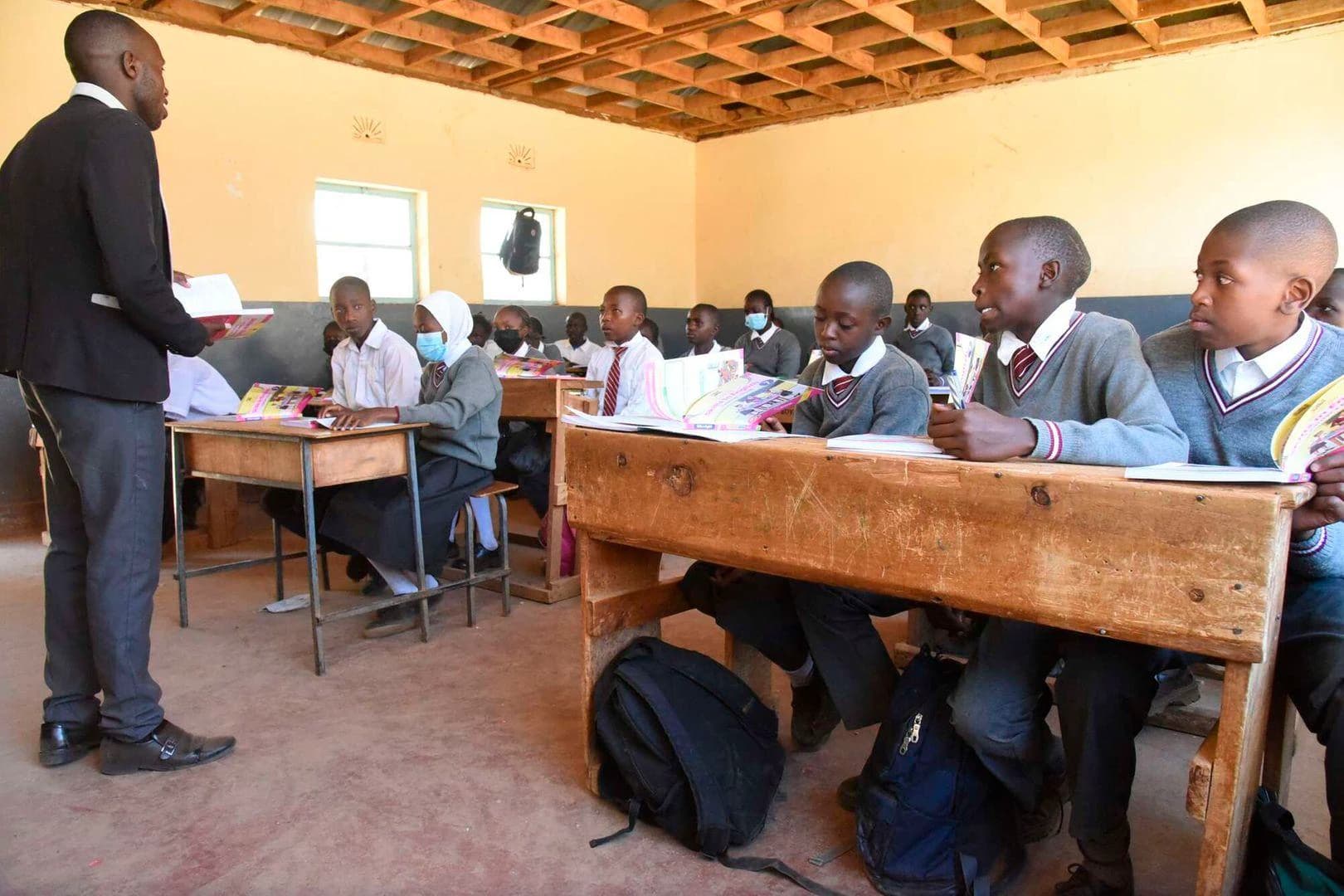


The completion of the Kenya Certificate of Secondary Education (KCSE) examinations should mark one of the proudest moments in a learner's educational journey. It is the culmination of years of academic preparation, parental sacrifice, teachers' commitment and institutional investment. For parents, it is a moment of relief and expectation. For teachers, it is a chance to see learners they have nurtured for four years take their next steps in life. For candidates, it should signal the start of a new chapter of maturity, responsibility and independence.
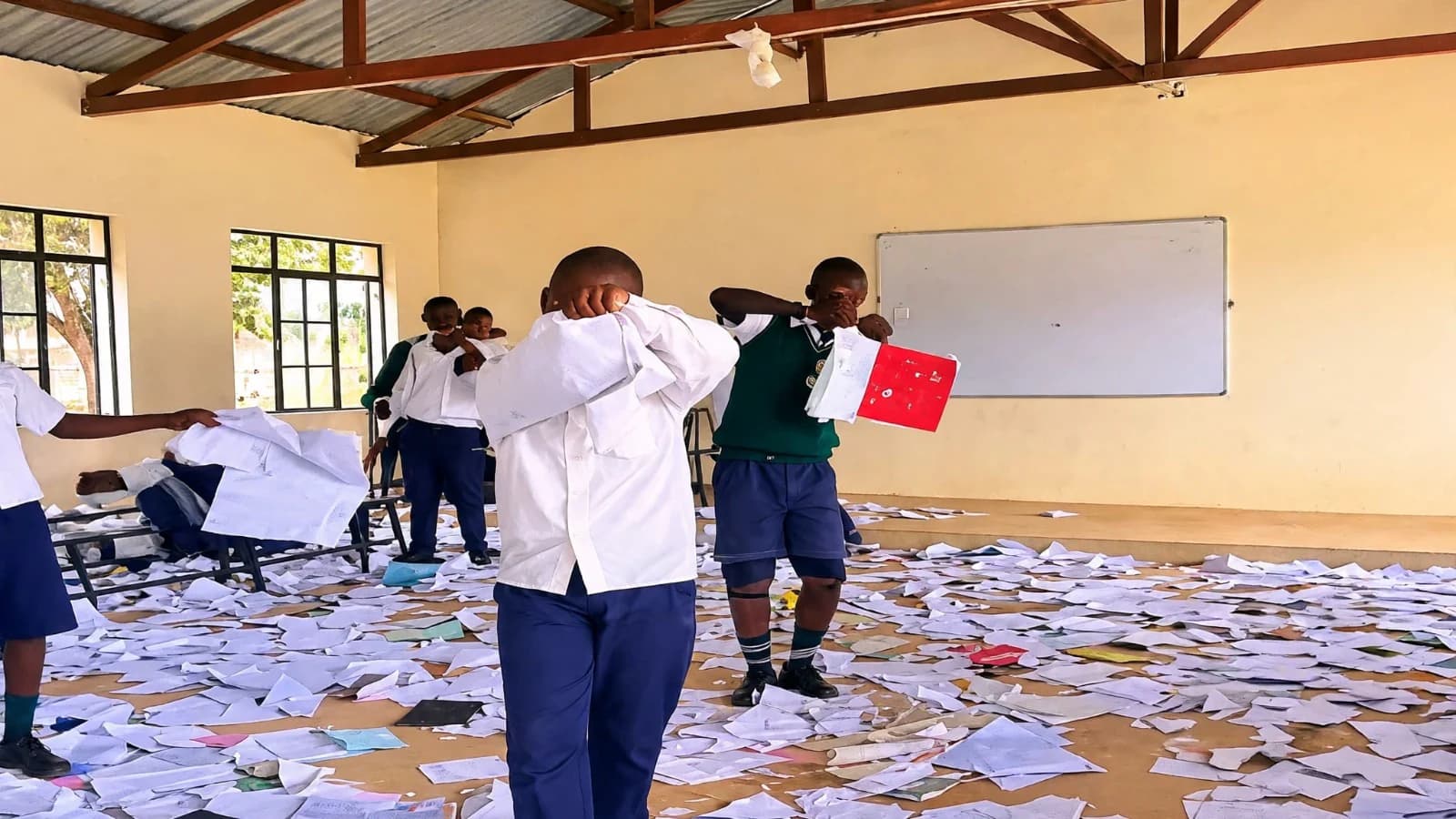
However, a culture has emerged around the departure of some KCSE candidates from secondary schools that threatens the values education is meant to instil. Instead of leaving with dignity and gratitude, some candidates reportedly tear or bury textbooks, hold mock funerals for books, sell mattresses and other belongings, abandon usable school shoes, return home intoxicated and ridicule teachers who maintained strict discipline.
The emerging question is whether completing national examinations has become an excuse for abandoning responsibility, disrespecting educators and destroying property.
Mock funerals for textbooks
Among the most troubling practices is the deliberate destruction and burial of textbooks, sometimes accompanied by mock funeral ceremonies. Textbooks are instruments of knowledge and represent investments made by parents, schools and government. Yet some candidates treat them as enemies to be eliminated the moment the final paper ends.
A textbook does not lose its usefulness because its owner has completed KCSE. It can still benefit a younger sibling, support candidates preparing for future examinations or serve as a reference in a school library. Burying or destroying such materials is particularly unfortunate in a country where some schools and families continue to struggle with inadequate learning resources.
Selling and abandoning belongings
Another worrying practice is the sale or abandonment of mattresses, boxes, clothing and shoes as candidates prepare to return home. There is nothing wrong with selling personal property that is no longer needed, and nothing shameful about wearing sandals or slippers. The concern is the careless disposal of usable items that parents bought through considerable sacrifice. Some parents borrow money, take loans or sell livestock to ensure their children have decent living conditions at school.
Where these items are still usable, candidates should take them home, donate them or sell them responsibly after consulting the people who financed their education. For families with younger children still in school, such belongings can significantly reduce future education costs.
Alcohol and the journey home
More worrying is the reported behaviour of some candidates who celebrate completing their examinations by drinking alcohol and arriving home intoxicated. Completing KCSE is not a licence for alcohol abuse, reckless partying or behaviour that puts personal safety at risk. For candidates below 18, alcohol consumption raises serious child-protection concerns. Even those who have attained adulthood must understand that freedom comes with responsibility.
The journey home should be safe. Candidates should not expose themselves to road accidents, exploitation, violence or other dangers associated with intoxication. Parents should be concerned not only about examination results but also about the circumstances in which their children return home.
Strict teachers
Another troubling dimension is the hostility directed at teachers who enforced school rules and refused to compromise on academic standards. Some candidates use the moment of leaving school to ridicule or celebrate the departure of teachers they considered too strict.
There is an important distinction between abusive treatment and firm, professional discipline. Teachers must never be excused for humiliation, violence, discrimination or violations of learners' rights. Equally, legitimate discipline should not automatically be read as hostility. A teacher who insisted on punctuality, homework and high academic expectations may have been acting in the best interests of learners, even when those expectations were unpopular.
Peer pressure and social media
Peer pressure plays a role. When a few candidates engage in reckless celebrations, others may imitate them. Videos of torn books, mock funerals and abandoned belongings can circulate on social media, sometimes attracting attention and amusement, and risk normalising conduct that should prompt serious reflection. Popularity on social media is not a measure of good judgement.
What parents and schools can do
Parents have a critical role in shaping their children's attitudes. They should explain that fees, uniforms, bedding and textbooks represent investments made through hard work and sacrifice, and remind candidates before they leave school to account for their belongings and preserve reusable materials. They should also set clear expectations about respect for teachers and school administrators, and welcome candidates home with love and pride while guiding them towards greater responsibility.
Schools should treat the final weeks of secondary education as an opportunity for life-skills education. Guidance and counselling departments can engage candidates on financial literacy, personal responsibility, respect for property, alcohol and substance abuse and peer pressure. Headteachers can introduce orderly departure procedures, including accounting for school property, returning borrowed textbooks and preserving reusable materials.
Schools can also redefine how KCSE is celebrated, through book donation programmes in which outgoing candidates leave useful materials for disadvantaged learners, mentorship sessions, community service, environmental clean-ups and appreciation messages to teachers and support staff.
More than passing
Education is about more than grades. Kenya's Competency-Based Education (CBE) reforms emphasise values, practical competencies and the holistic development of learners. The real test of education is also reflected in how graduates behave when supervision is removed and they must make independent decisions.
There is nothing wrong with celebrating freedom from the pressure of examinations. Candidates deserve to relax, reunite with their families and enjoy the satisfaction of completing an important stage of their education. But celebrations should not become an excuse for wastefulness, alcohol abuse, disrespect or reckless conduct.
A learner who buries a textbook may have completed an examination, but must never bury the value of knowledge. A candidate who mocks a strict teacher may eventually discover that the discipline they resented was among the greatest gifts they received in school. Good KCSE grades may open doors to universities, colleges and employment, but good character determines how young people conduct themselves once those doors open.


Reader Discussion (0)
Sign in to comment