







Kenya’s education system must abandon the culture of intimidation and embrace constructive discipline, counselling and positive reinforcement to build confident, responsible and academically successful learners.
For generations, strict teachers have been associated with discipline and good examination results. The assumption is that learners who fear punishment will follow instructions, concentrate in class and avoid misconduct. But what happens when a child becomes more concerned about avoiding a mistake than understanding the lesson?
Harsh punishment may secure immediate obedience. A learner who fears ridicule, however, may stop answering questions or hide the fact that they are struggling. A quiet classroom can make it harder for a teacher to tell who understands and who needs help.
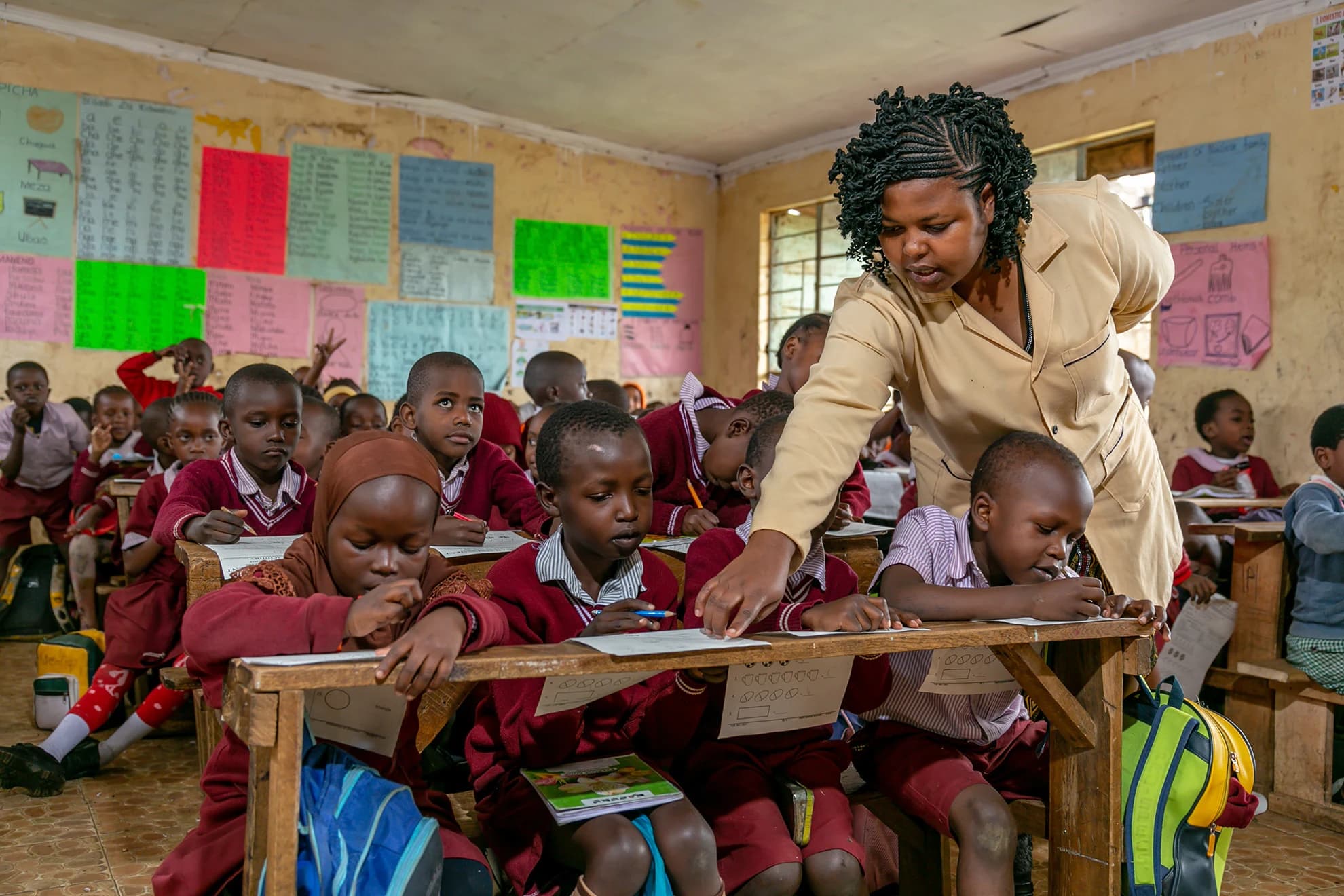
This matters as Kenya implements Competency-Based Education. Learners develop creativity, communication and problem-solving skills by asking questions, testing ideas and working with others. A teacher who explains why an answer is wrong and gives the learner another chance to try makes room for that kind of learning.
Discipline should teach responsibility
Section 36 of the Basic Education Act, 2013, protects learners from cruel, inhuman or degrading treatment or punishment, whether physical or psychological. Schools still have a duty to enforce rules and respond when learners bully others, damage property or engage in violence.
Consequences should be fair, proportionate and consistent. A learner who damages school property should understand who was affected and how they can help put things right. When bullying occurs, the school must protect the learner who was harmed, address the conduct and follow up to see whether it has stopped.
Positive reinforcement also has a place. A teacher who recognises a learner’s improvement, effort or considerate behaviour shows the class what the school expects and values.
Make counselling part of everyday school life
Repeated misconduct or a decline in performance may be linked to bullying, family difficulties, peer pressure or academic frustration. A conversation with a counsellor can help a learner explain what is happening and give the school a better basis for responding.
Schools should make counselling available before problems escalate. Learners should know whom to approach and be able to seek help without fear of embarrassment or retaliation. Guidance and counselling departments need time and resources to support learners and follow up after the first conversation.
Teachers need support to maintain discipline
Teachers are expected to deliver the curriculum, assess learners and manage classrooms. When they face threats, violence or persistent disruption, school leaders must respond. Clear procedures for reporting and handling serious misconduct protect teachers and help schools apply rules consistently.
Teachers also need practical training in classroom management, conflict resolution and recognising when a learner needs additional support. Parents share responsibility for teaching respect and reinforcing reasonable expectations at home.
The clearest sign of discipline is how learners behave when no teacher is watching. Kenyan schools should help children understand why rules matter, take responsibility when they cause harm and feel confident enough to ask questions when they do not understand.




Reader Discussion (0)
Sign in to comment