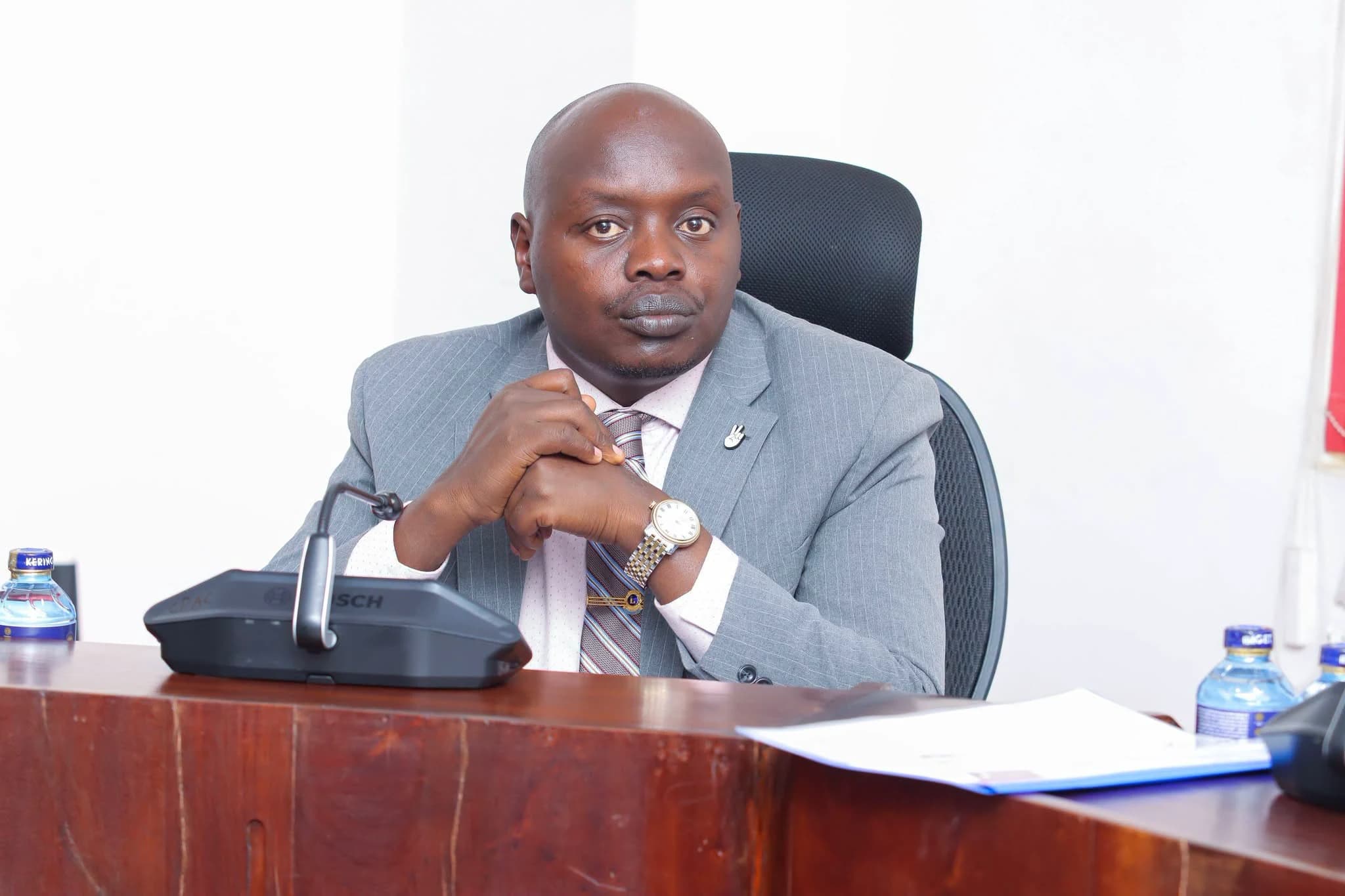
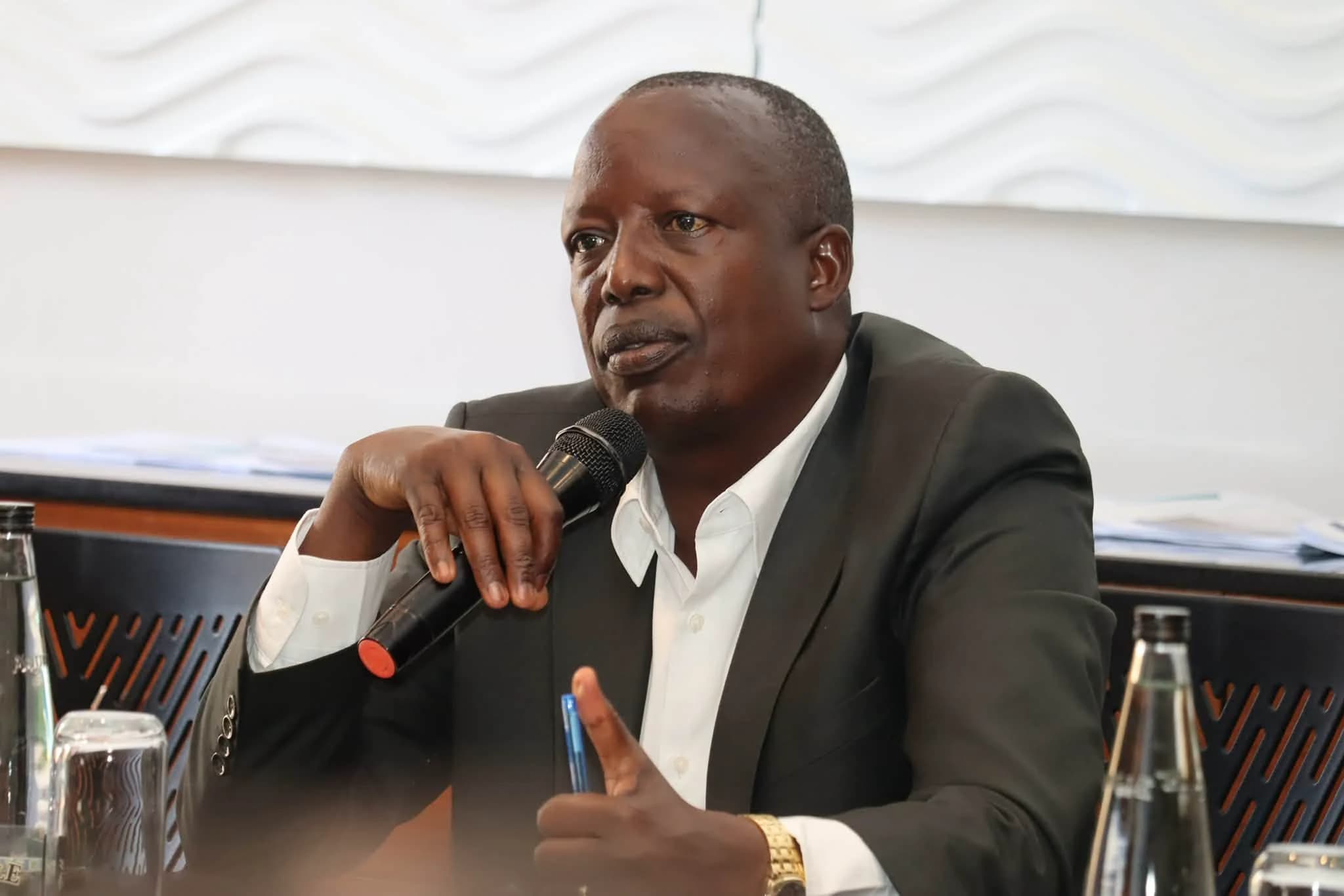
The National Assembly Departmental Committee on Education, chaired by Tinderet MP Julius Melly, has an uphill task as it considers submissions on the proposed reintroduction of corporal punishment in schools. The proposal has reignited a national conversation about growing cases of student indiscipline, attacks on teachers and the apparent erosion of respect for authority in learning institutions.
The committee's deliberations come at a time when many teachers are increasingly concerned about their safety and the challenges of maintaining order in schools. Reports of learners threatening and assaulting teachers are deeply disturbing. Separately, a reported incident involving a firearm within a learning institution has raised further concern about security in our schools. These developments should worry every parent, educator and responsible citizen. A teacher should never have to report to work fearing intimidation or violence.
However, as Parliament considers the submissions, we must ask ourselves a fundamental question: when and where did the rain begin beating us? At what point did we begin compromising the values and expectations that once helped shape responsible learners? Have we gradually surrendered our responsibility to nurture disciplined citizens, or have our approaches to discipline failed to keep pace with a rapidly changing society?
The temptation to return to the cane is understandable, particularly among teachers who feel increasingly helpless when confronted by aggressive learners. Many educators believe that the abolition of corporal punishment weakened their authority and left them with limited options when dealing with serious misconduct. Their frustrations deserve to be heard. Nevertheless, we must distinguish between restoring discipline and restoring physical punishment. The two are not necessarily the same.(Education News Kenya — https://educationnews.co.ke/news/discipline-without-the-cane-why-kenya-must-restore-values-not-corporal-punishment)
The law must also inform this debate. Article 29(e) of the Constitution of Kenya protects every person against corporal punishment, while Article 53(1)(d) specifically protects children from abuse, neglect and all forms of violence. The Children Act, 2022, and the Basic Education Act, 2013, reinforce the prohibition of corporal punishment in learning institutions. Kenya is also a signatory to the United Nations Convention on the Rights of the Child, which calls for the protection of children from physical and mental violence.
These provisions cannot simply be overlooked because schools are experiencing disciplinary challenges. If Parliament is considering a change, it must carefully examine the constitutional and legislative implications. The question is not merely whether lawmakers can restore an old disciplinary practice, but whether doing so would be consistent with the country's existing commitments to children's rights and protection.
There is also a practical concern. If corporal punishment were reintroduced, who would regulate its administration? Would it be restricted to particular offences? What safeguards would prevent excessive punishment, physical injury or even death? How would schools distinguish between reasonable correction and abuse, especially where an adult is acting out of anger? These are difficult questions that deserve honest answers rather than emotional reactions.
Before embracing the cane, we should examine whether the alternatives introduced to promote discipline have genuinely failed or whether we have simply not implemented them effectively. Guidance and counselling, mentorship, parental involvement, peer support and disciplinary committees were meant to provide structured ways of addressing misconduct. Have we given these interventions the attention and resources they deserve?
Guidance and counselling cannot achieve much when it is treated as an activity conducted merely to satisfy an administrative requirement. Learners need meaningful conversations, consistent follow-up and adults who are willing to listen. Equally, parents cannot remain spectators in their children's upbringing, appearing only when summoned after a serious incident. Schools should not carry the entire burden of shaping a child's character. Discipline begins at home and must be reinforced in school and society.
We must also acknowledge that the world in which today's learners are growing up is significantly different from the one many of us experienced. The internet has opened enormous opportunities for learning, creativity and innovation, but it has also exposed young people to content that can negatively influence their behaviour. Social media has created a culture in which insults, public humiliation, aggression and defiance sometimes attract admiration and attention. Some learners imitate what they watch without considering the consequences.
Digital literacy must therefore go beyond teaching children how to use devices. It should include responsible online behaviour, respect for others, self-control and an understanding that actions have consequences. Parents and schools must work together to help learners navigate the digital world responsibly.
There is another uncomfortable issue we must confront: examination malpractice. Are we not contributing to indiscipline when we tolerate shortcuts, celebrate undeserved grades or compromise the integrity of national examinations? When learners see adults bending rules, facilitating cheating or protecting wrongdoing, they receive a dangerous lesson that success matters more than honesty. We cannot demand integrity from young people while demonstrating the opposite through our own conduct. Discipline must begin with the example set by adults.
The Competency-Based Education (CBE) framework also deserves serious attention in this discussion. CBE places considerable emphasis on values, competencies and the holistic development of learners. Respect, responsibility, integrity, unity and social justice are not merely attractive words in curriculum documents; they are qualities that should be visible in everyday school life. Teachers should deliberately nurture these values through classroom interactions, group activities, mentorship and the way learners relate to one another.
The curriculum should not be judged solely by academic outcomes while its equally important responsibility of shaping character is overlooked. If we take values education seriously, learners should gradually develop the ability to make responsible decisions even when there is no teacher watching over them.
Psychological research also offers useful lessons. The World Health Organization's fact sheet on corporal punishment associates physical punishment with increased aggression, behavioural difficulties, emotional problems and poorer educational outcomes. This challenges the assumption that inflicting pain necessarily produces lasting obedience.
Psychologists generally recommend approaches that combine firm boundaries, consistent consequences, positive reinforcement, emotional regulation and respectful communication. A learner who commits an offence must face appropriate consequences, but those consequences should help correct behaviour rather than humiliate or injure. Restorative approaches, in which learners acknowledge the harm they have caused and take responsibility for repairing it, can also help develop accountability.
Our religious teachings equally remind us that correcting children requires wisdom. Proverbs 22:6 encourages adults to guide children in the right direction, while Ephesians 6:4 cautions against provoking children and emphasises discipline and instruction. The Quran, in Surah An-Nahl 16:90, calls for justice and good conduct. Across faith traditions, the responsibility to raise responsible young people is accompanied by the need to exercise authority with fairness and restraint.
As the committee considers the submissions presented to Parliament, it should listen carefully to teachers who confront these challenges daily, parents, school administrators, learners, psychologists and child-development experts. The discussion must go beyond nostalgia for the days when the cane was common in schools. We need to establish what has changed, where our interventions have fallen short and what practical measures can restore order.
Teachers need institutional support, clear disciplinary procedures and confidence that serious misconduct will be addressed. Threats, assault, bullying, possession of dangerous weapons, arson and destruction of property must attract appropriate and firm action. Schools also need accessible counselling services, effective parental engagement and stronger collaboration with relevant authorities when serious incidents occur.
The Ministry of Education, the Teachers Service Commission, parents, school boards, teacher unions and religious organisations must take collective responsibility. We cannot continue transferring blame from one stakeholder to another while the situation deteriorates.
Ultimately, discipline is not measured by how loudly a teacher can command obedience or how painfully a learner can be punished. It is reflected in self-control, accountability, respect for others and the ability to make responsible decisions even when no authority figure is watching.
Kenya must protect its teachers without abandoning its children. Equally, protecting children should never mean rendering teachers powerless. We need firm schools, responsible homes and adults who lead by example.
The cane may produce temporary silence, but education must produce lasting character. Our greatest task is not simply to debate the return of the cane, but to restore the values that make discipline meaningful.






Reader Discussion (0)
Sign in to comment