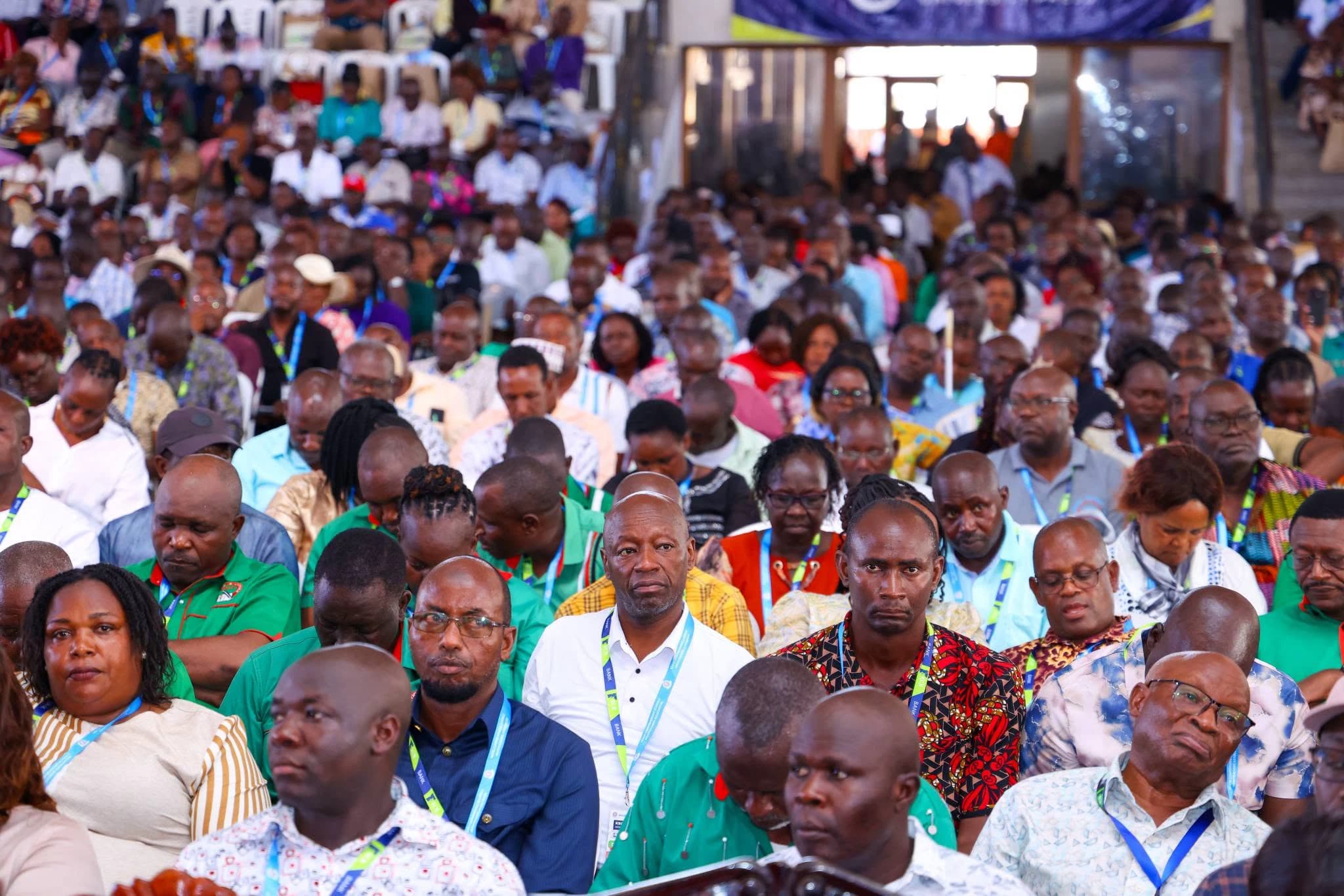
As examiners settle into marking centres for the 2026 Kenya Junior School Education Assessment (KJSEA), a section of primary school teachers says it has been shut out of a traditional source of supplementary income, professional exposure and national examination marking opportunities.
The teachers say the removal of English Composition and Kiswahili Insha from the Kenya Primary School Education Assessment (KPSEA) has created a divide between primary and Junior School (JS) teachers, with the latter gaining access to marking opportunities that have gradually disappeared from the primary school assessment framework.
For years, primary school teachers looked forward to the national marking season, particularly the English Composition and Kiswahili Insha papers under the former Kenya Certificate of Primary Education (KCPE). The assignments provided additional earnings, professional recognition and exposure to national assessment standards.
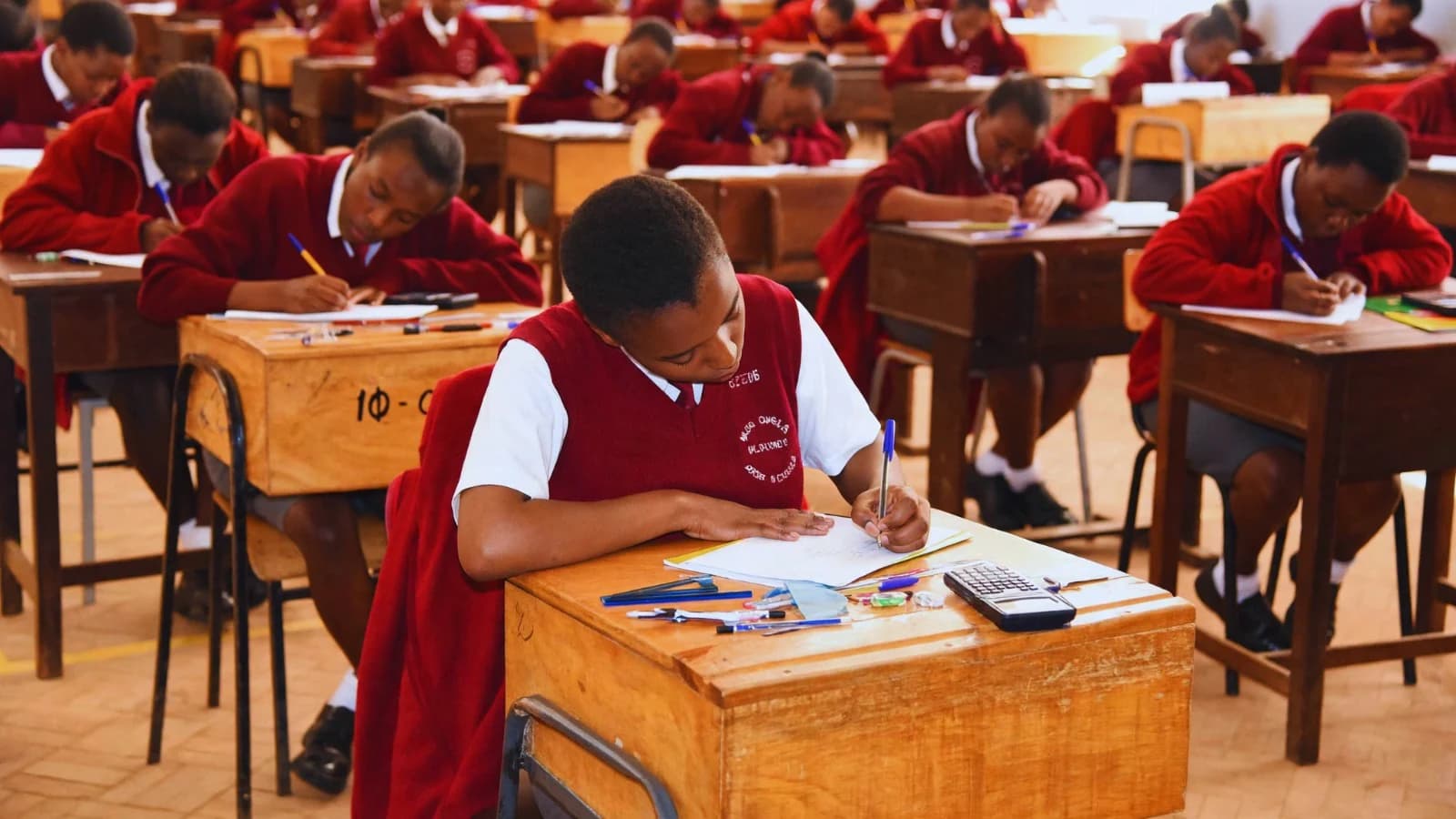
The transition from the 8-4-4 system to the Competency-Based Curriculum (CBC) changed the arrangement. KPSEA, which marks the end of Grade 6, has five papers: Mathematics, English, Kiswahili, Integrated Science, and Creative Arts and Social Studies. The assessment relies heavily on multiple-choice questions, with learners shading their answers on sheets processed through Optical Mark Recognition (OMR) machines.
Integrated Science combines Science and Technology with Agriculture and Nutrition, while Creative Arts and Social Studies combines Social Studies, Religious Studies, Creative Arts and Physical Education.
KPSEA contains no dedicated creative writing papers, so the demand for human examiners to mark Composition and Insha at primary level has disappeared. Under KCPE, every script required an examiner to read the candidate's work and award marks against established guidelines, which created demand for trained teachers, particularly language specialists.
KNEC marking assignments have traditionally allowed teachers to earn money outside their regular salaries. Under the 2026 KJSEA remuneration structure, examiners earn Sh35 per script, a basic payment of Sh1,500 and a daily coordination allowance of Sh250.
A teacher who marks 1,000 scripts earns Sh35,000 from script payments alone, with other eligible payments potentially raising the total to about Sh40,000.
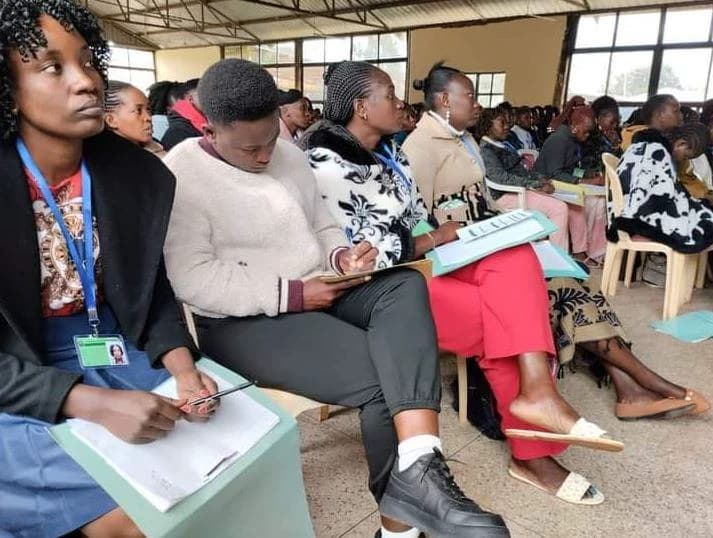
Teachers who took part in residential examiner training between August 16 and 20, 2026, paid Sh10,500 for it. At Sh35 per script, an examiner marking 300 scripts would earn Sh10,500, equal to the training fee. Teachers handling learning areas with larger script volumes could earn considerably more.
In 2025, some Creative Arts and Sports examiners reportedly received payments of up to Sh75,000, although the figures included an advance and should not be read as guaranteed earnings for the current exercise.
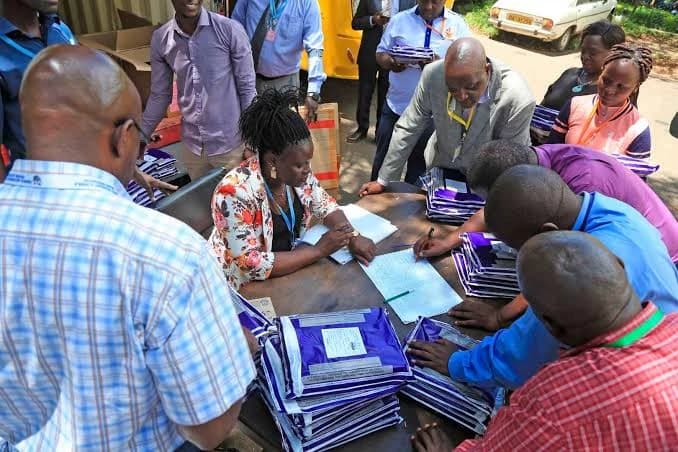
KJSEA marking under way
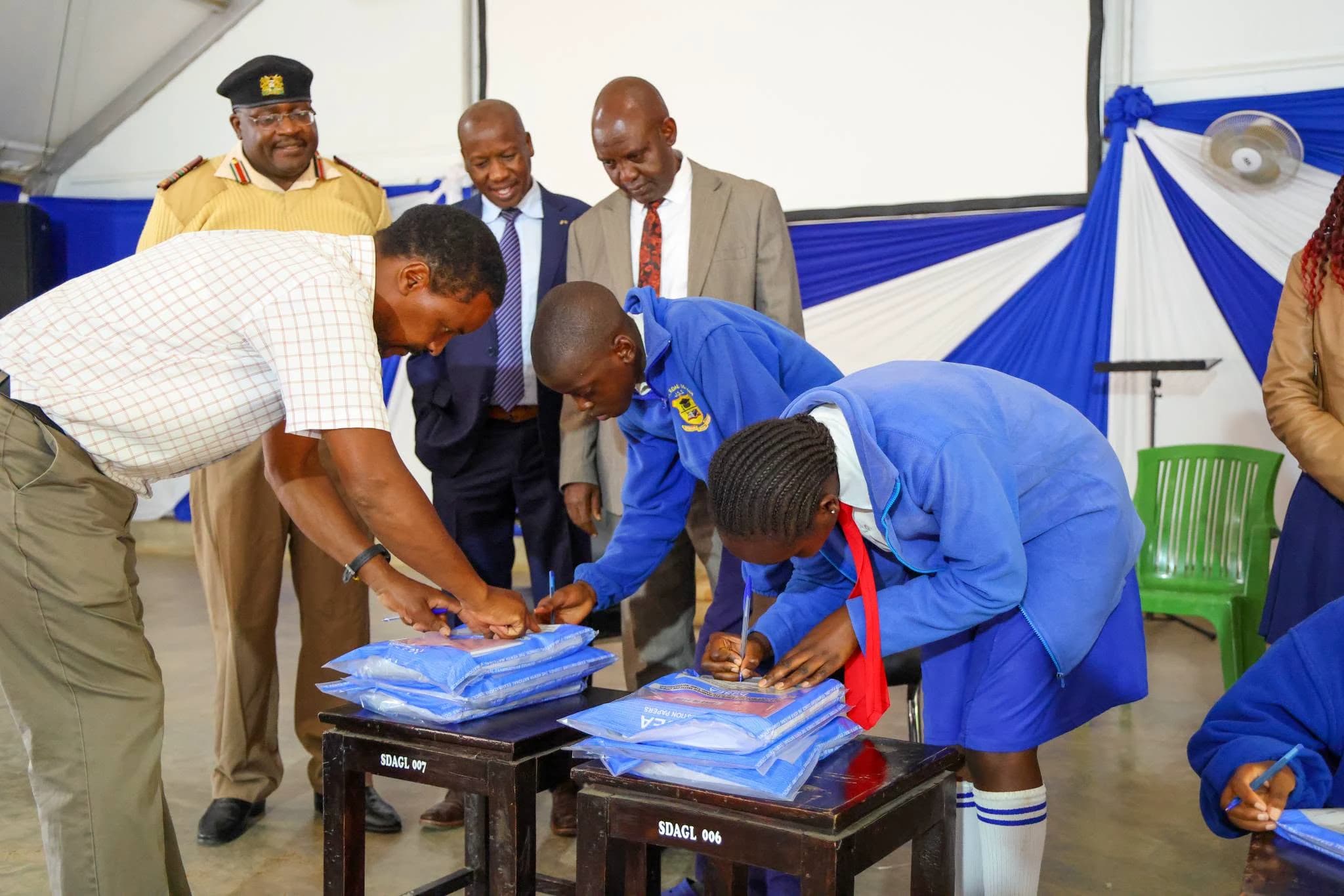
The 2026 KJSEA examinations ended on Friday, October 30, and examiners reported to their designated marking centres on Monday, November 9. The exercise is expected to run for about three weeks, with results anticipated in December.
KNEC has distributed the marking across several institutions:
• Moi Girls School Nairobi is hosting Kiswahili marking.
• St George's Girls School Nairobi is handling Christian Religious Education (CRE).
• Alliance High School is hosting Creative Arts and Sports.
• English marking is taking place at Lenana School and Alliance School.
• Kahuhia Girls High School is handling Pre-Technical Studies.
• Limuru Girls is hosting Social Studies.
• Integrated Science Paper 1 is being marked at Pangani Girls, Starehe Girls and Ngara Girls, while Paper 2 is assigned to State House and St George's Girls.
• Starehe Boys Centre is hosting Agriculture marking.
• Mang'u High School is handling Mathematics.
Concern over creative writing
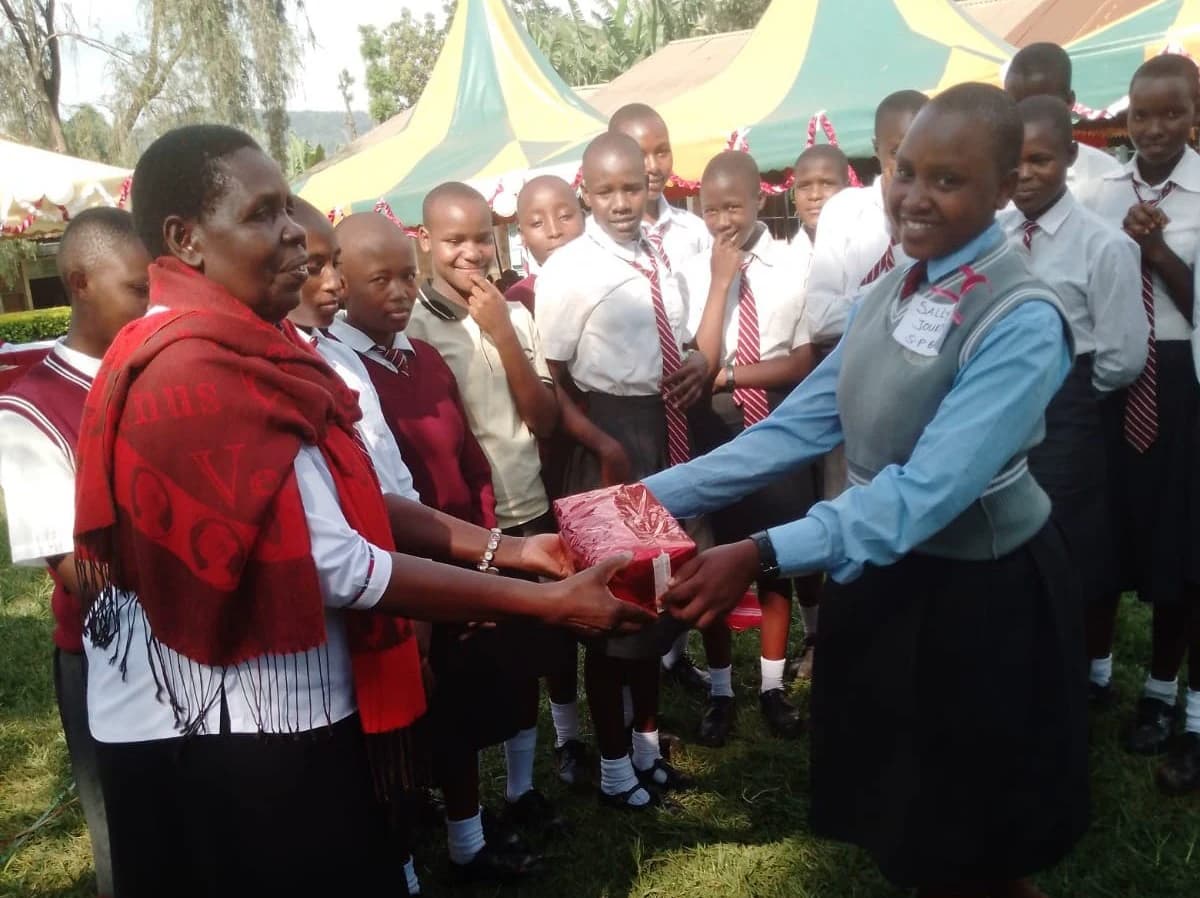
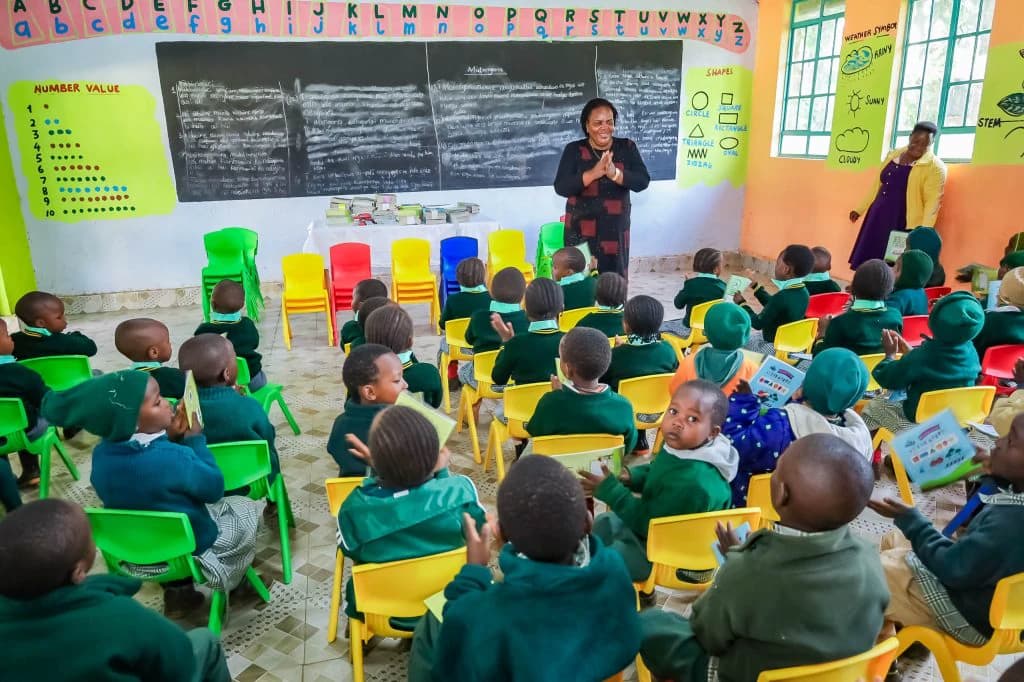
Creative writing remains part of language instruction in primary schools. Learners are still expected to construct sentences, organise ideas, write stories, compose letters and express themselves in English and Kiswahili, yet there are no dedicated Composition and Insha papers at the end of Grade 6.
Multiple-choice questions can show whether learners recognise correct grammar, understand passages and identify appropriate language usage, but they cannot fully show whether a learner can independently develop an argument, construct a coherent story or communicate ideas in writing. Teachers fear that the omission could gradually weaken the emphasis on creative writing in schools where examination outcomes influence priorities.
A section of primary school teachers is now asking KNEC to reconsider the exclusion of dedicated creative writing papers from KPSEA. Their argument is not only about restoring marking allowances, but also about ensuring that national examinations reflect the competencies learners are expected to acquire, such as communication, creativity and critical thinking.
They say restoring the papers would also create opportunities for human examiners and give teachers a stronger incentive to maintain writing instruction in upper primary school. They also suggest that KNEC could explore a combination of objective questions and written assessments without compromising the efficiency of the national examination system, and retain experienced primary teachers in the assessment framework through roles in assessment development, quality assurance and examiner training. KNEC has not yet commented on the concerns
Reader Discussion (0)
Sign in to comment