







Kenya's ban on corporal punishment in schools could come under fresh scrutiny after proposals were presented to Parliament seeking a review of the laws that prohibit teachers from physically disciplining learners.
The proposals have reignited debate over how schools should handle rising cases of student indiscipline, including attacks on teachers and destruction of school property.
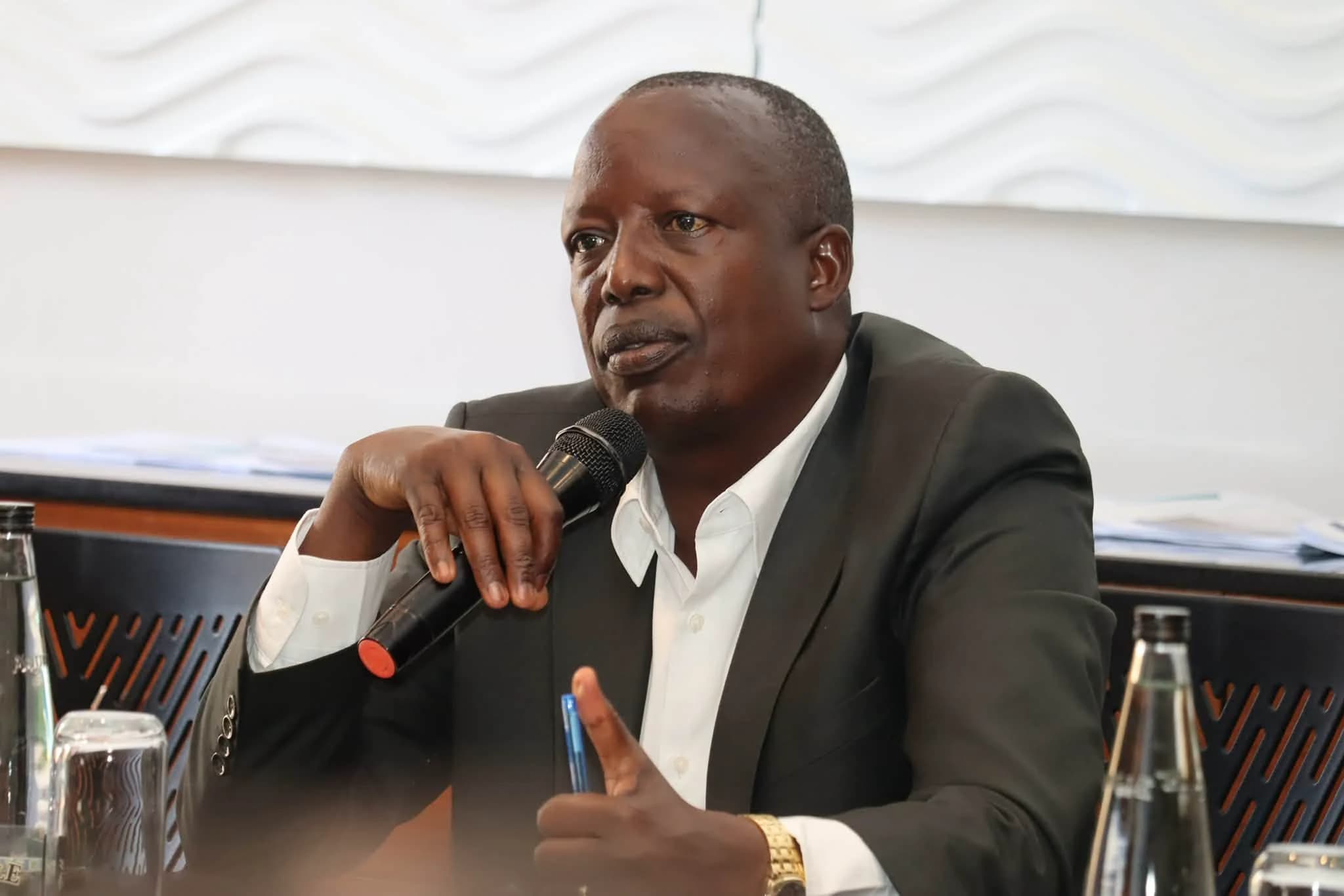
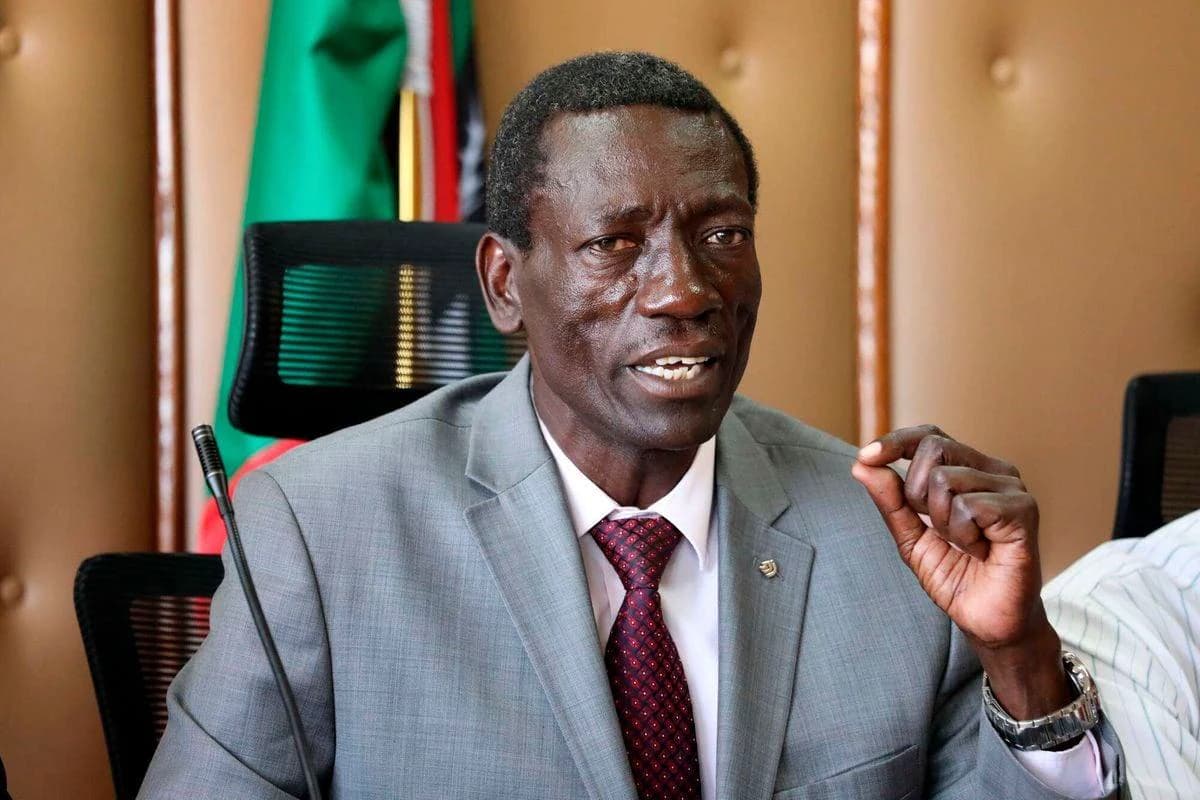
National Assembly Education Committee chairman Julius Melly said the committee had received proposals seeking a review of the legal provisions outlawing corporal punishment.
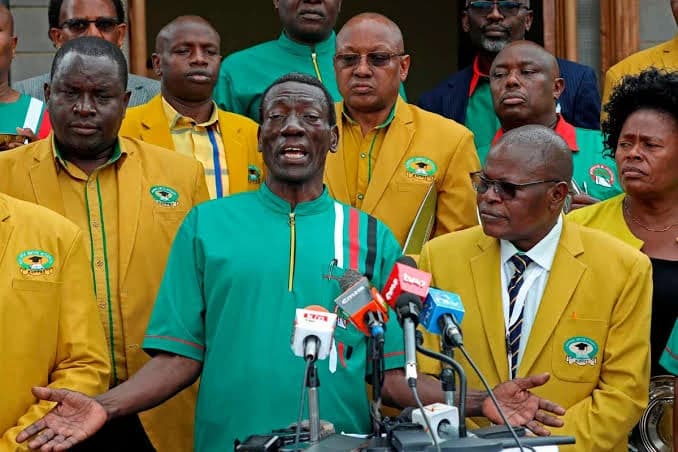
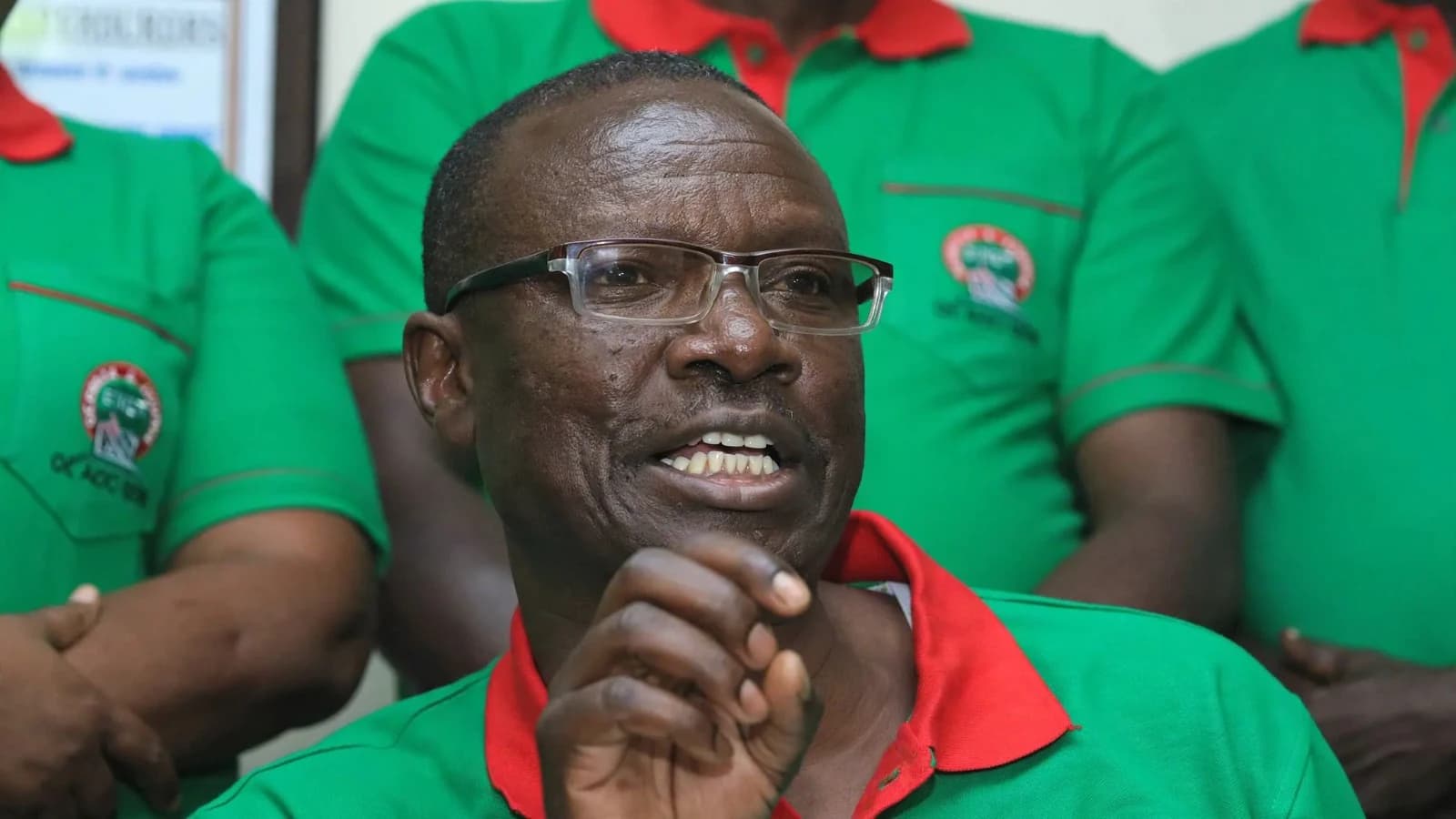
Melly indicated that the Kenya Union of Post Primary Education Teachers (KUPPET) had played a significant role in pushing for the proposed changes, reflecting growing concern among teachers over their ability to maintain discipline in learning institutions.
The debate comes amid mounting complaints from school administrators and teachers who say existing disciplinary mechanisms have made it increasingly difficult to manage learners accused of serious misconduct.
During earlier engagements on the proposed Basic Education Bill, 2026, lawmakers questioned whether the legislation adequately addresses cases of violence, arson and attacks on teachers.
The committee raised particular concern over Clause 19 of the Bill, which protects learners against corporal punishment, torture and cruel, inhuman or degrading treatment.
Principal Secretary for Basic Education John Ololtuaa told lawmakers that the Education Cabinet Secretary was responsible for developing regulations to guide schools on appropriate disciplinary measures, including the circumstances under which learners could be suspended.
The push to reconsider corporal punishment raises a major legal and policy question. Kenya abolished caning in schools in 2001, and the prohibition was later reinforced through the Children Act and the Basic Education Act, 2013. The Constitution also protects children from all forms of violence, including corporal punishment.
Any attempt to restore caning would therefore require careful consideration of the existing legal framework and constitutional protections.
The proposal is likely to attract differing views from teachers, parents, education officials and child rights advocates, particularly over whether physical punishment offers a lasting solution to indiscipline.
As Parliament continues examining education reforms, the central challenge will be establishing effective disciplinary measures that protect teachers, maintain order in schools and safeguard learners' rights.

Reader Discussion (0)
Sign in to comment