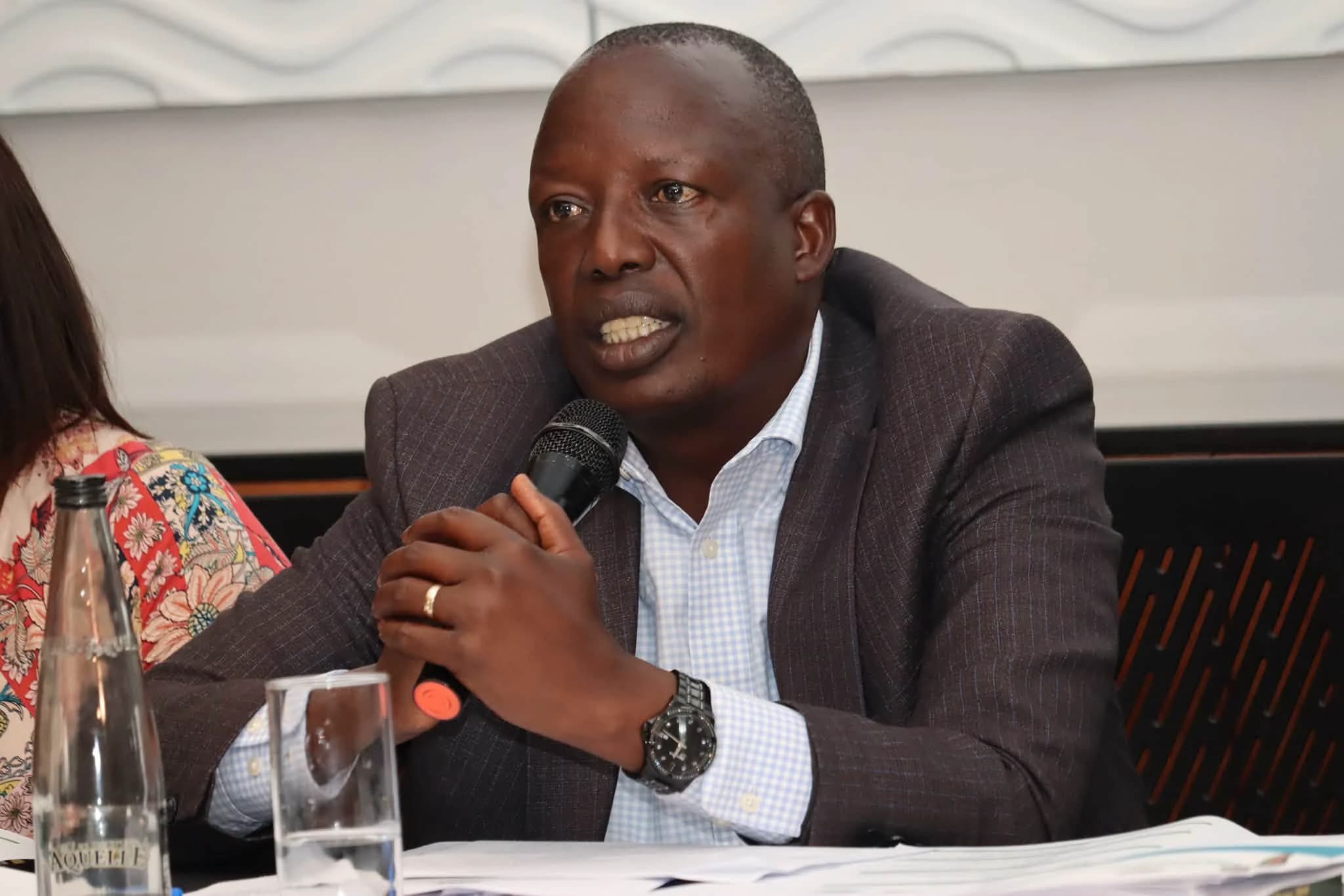
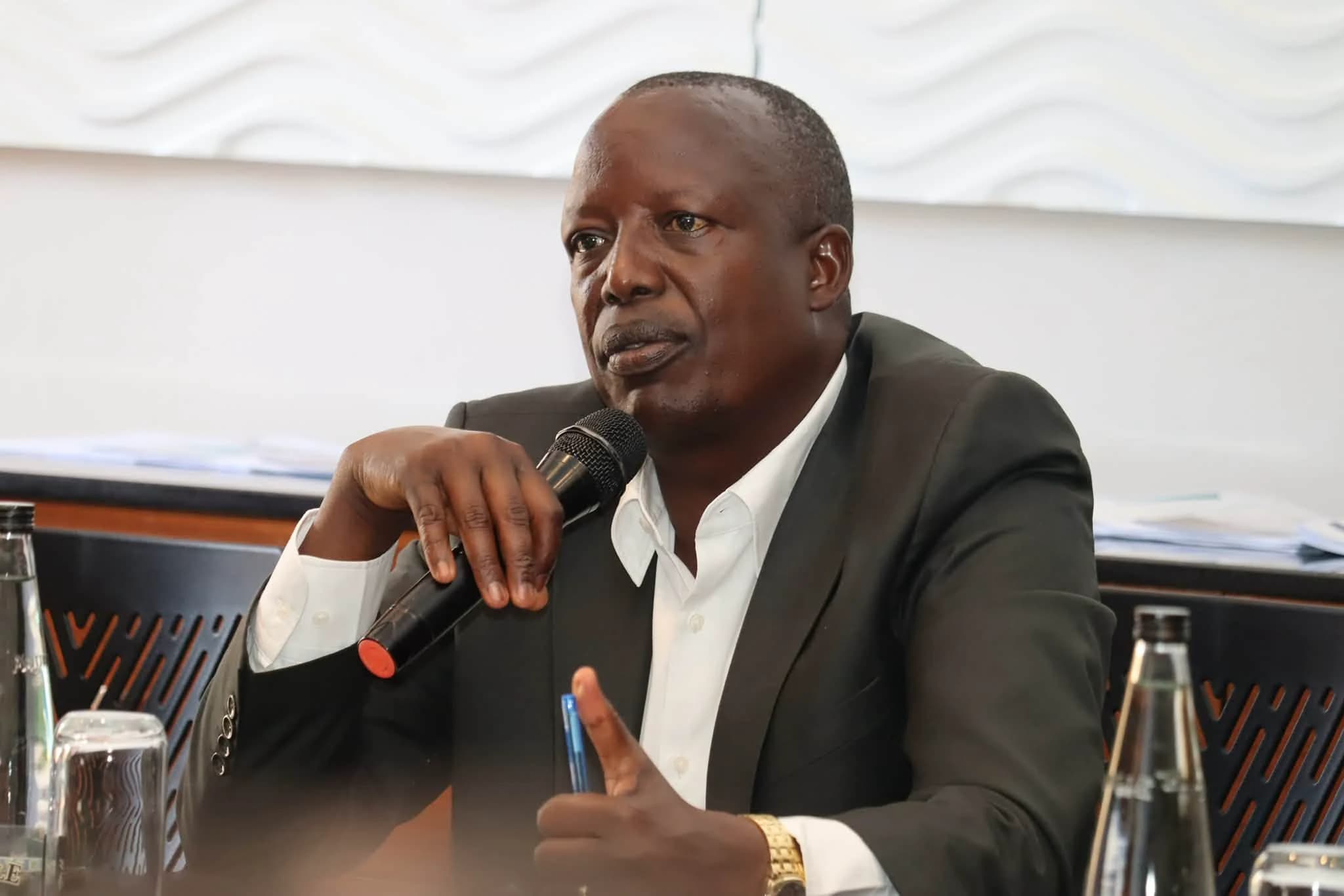
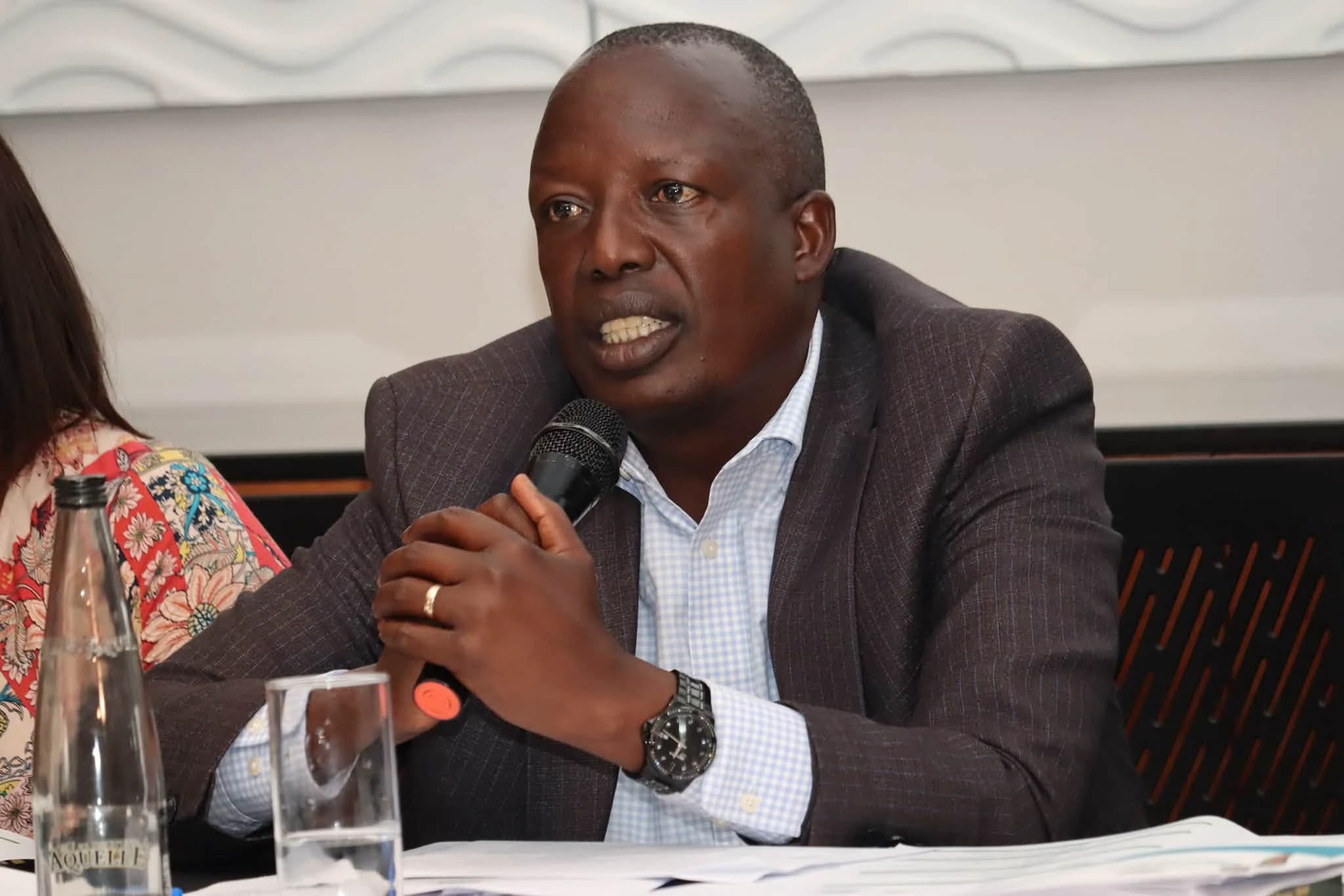
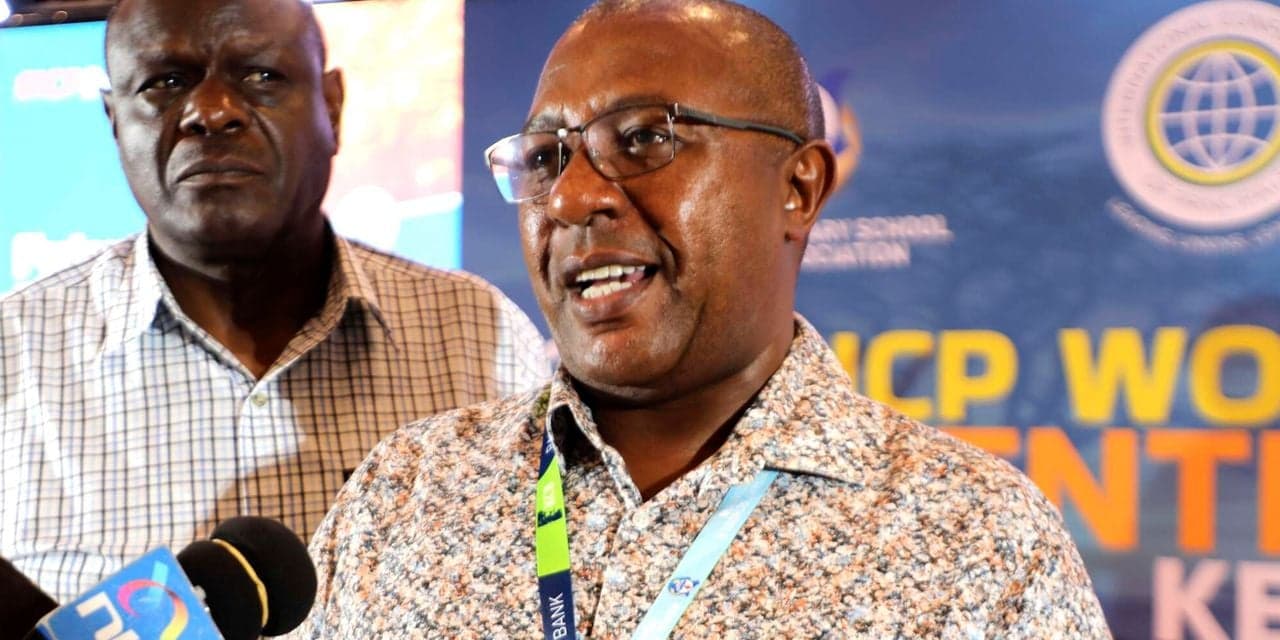
National Assembly Departmental Committee on Education Chairperson Julius Melly has challenged the government to move beyond announcing huge education budget allocations and demonstrate how the money eventually benefits schools and learners across the country.
Melly said Kenya's education financing debate should not focus exclusively on how much money is allocated to the sector, but should also examine whether the funds are released on time, distributed fairly and translated into improved learning outcomes. He argued that approving billions of shillings for education does not automatically guarantee that schools receive the resources they need to operate effectively.
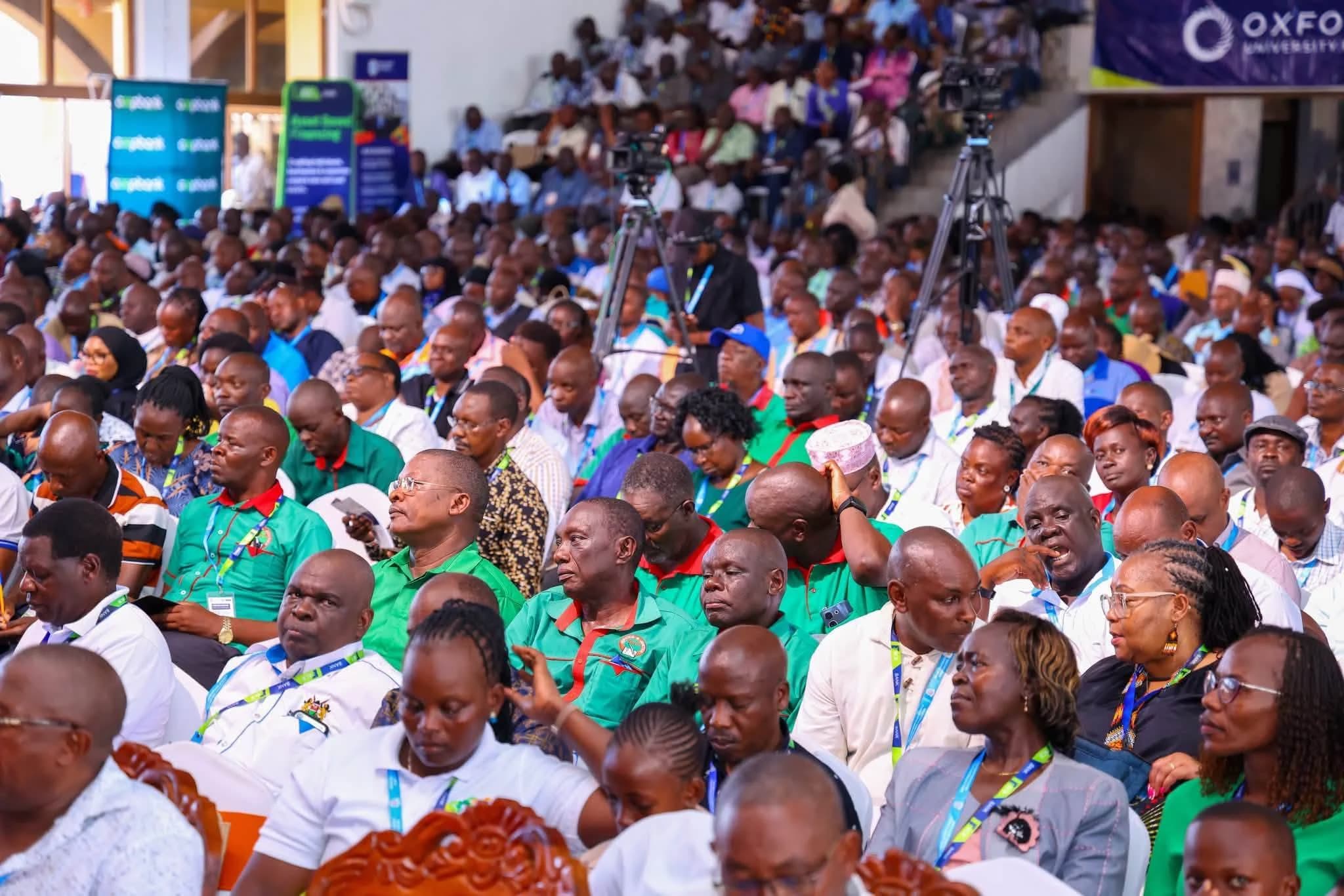
The lawmaker raised the concerns during an international parliamentary meeting on education held in Nairobi under the auspices of the Global Partnership for Education (GPE), where legislators examined how governments can protect education investment amid growing financial constraints.
Melly observed that one of the biggest challenges facing education financing is the gap between the capitation amount established for each learner, the money budgeted by the government, the funds eventually released and what schools actually receive.
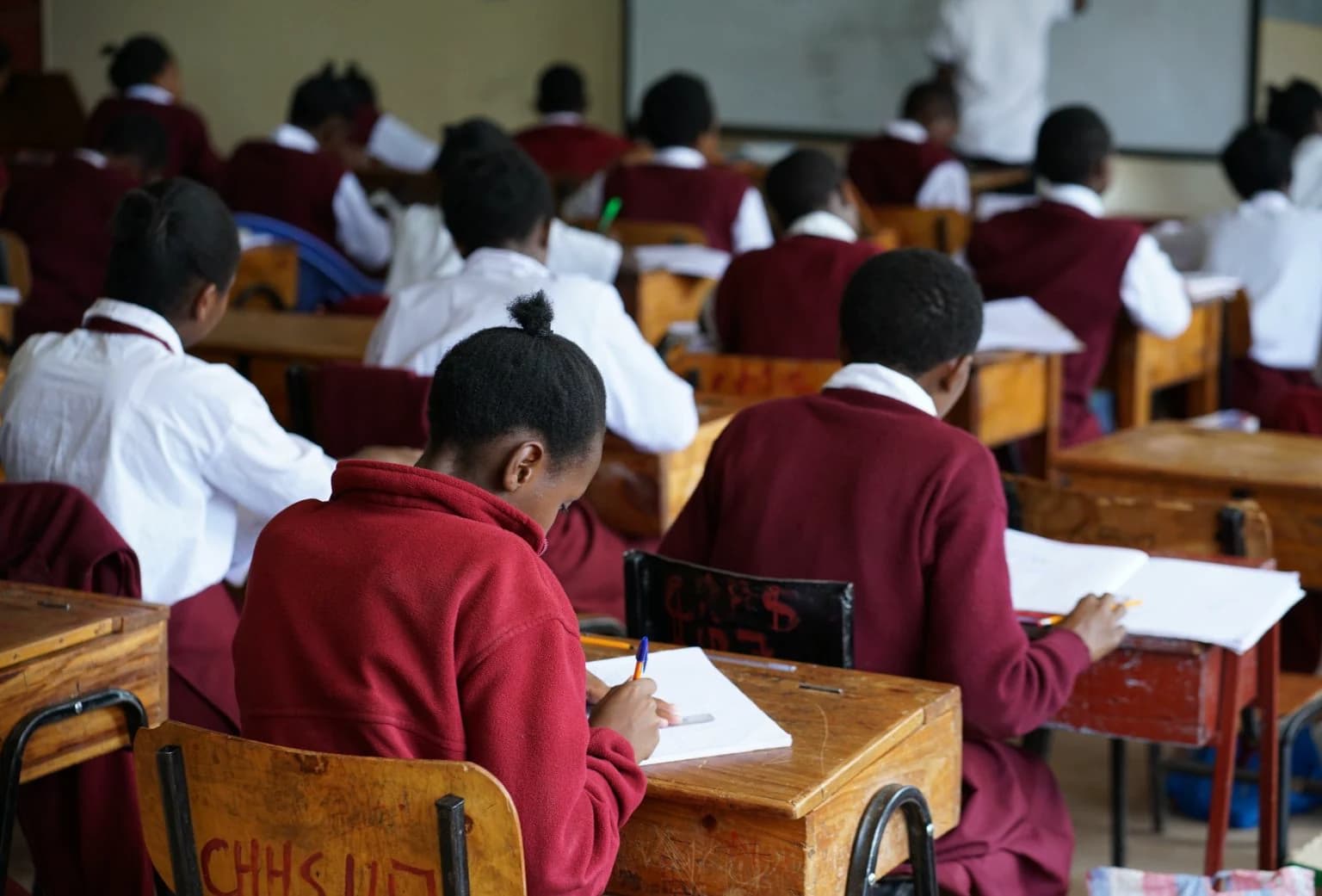
According to him, these differences have direct consequences for school administration, particularly when government disbursements are delayed or fall below expected levels. School heads must still purchase learning materials, maintain infrastructure, meet operational expenses and provide conducive learning environments despite uncertainty surrounding government funding.
He maintained that Parliament's responsibility should not end with approving the national education budget. Lawmakers, he said, must follow the money to the schools and establish whether the resources allocated are adequate, timely and responsive to the actual needs of learners.
Melly also warned against treating all schools as though they operate under identical circumstances, arguing that equal funding does not necessarily amount to equitable financing.
Schools serving remote and disadvantaged communities often face additional challenges, including inadequate infrastructure, difficulties attracting teachers, limited access to water and sanitation facilities and the high cost of delivering education in geographically isolated areas. He argued that financing decisions must recognise these inequalities and provide additional support to institutions serving communities with the greatest needs.
The committee chairperson said the ultimate objective should be ensuring that no Kenyan child is disadvantaged in accessing quality education simply because of where they live.
His remarks come amid continuing concern over school capitation, the adequacy of government funding and the financial pressures facing learning institutions implementing education reforms.
Melly challenged MPs to strengthen oversight by demanding reliable information on how education resources are allocated, released and used. He said government agencies must provide timely expenditure reports to enable Parliament to identify funding gaps, expose inefficiencies and establish whether public investment is producing the intended results.
He also emphasised the importance of evidence from researchers, civil society organisations, education stakeholders and communities in strengthening parliamentary scrutiny.
Citing Parliament's recent consideration of six education reform Bills, Melly said public participation had provided an important opportunity for stakeholders to present practical experiences and recommendations that could shape the country's education system. He called for similar engagement in education financing, insisting that budgetary decisions must be informed by the realities experienced by schools, teachers, parents and learners.
The lawmaker acknowledged that Kenya faces significant fiscal constraints and competing demands for public resources. However, he maintained that such challenges make accountability and efficient use of available funds even more important, and that the country cannot afford an education financing system in which substantial public allocations fail to translate into meaningful improvements in teaching and learning.
Melly wants Parliament to shift the education budget debate from the size of allocations to their actual impact. He said Kenya must establish not only how much it spends on education, but also where the money goes, whether it reaches schools on time, which learners benefit and whether the investment delivers quality education.

Reader Discussion (0)
Sign in to comment