



Kenya's public education system is facing a major funding challenge after the government disclosed billions of shillings in shortfalls affecting Free Primary Education and Junior School programmes in the proposed 2027/2028 financial year budget.
The funding gaps could complicate the implementation of Competency-Based Education (CBE), particularly as schools prepare for the continued transition to senior school and increased demand for teaching and learning resources.
The State Department for Basic Education is seeking Sh140.18 billion for the 2027/2028 financial year, up from Sh136.55 billion approved for the current financial year. However, the proposed allocation remains insufficient to meet the department's requirements, with Free Primary Education and Junior School capitation emerging among the programmes facing significant financing deficits.
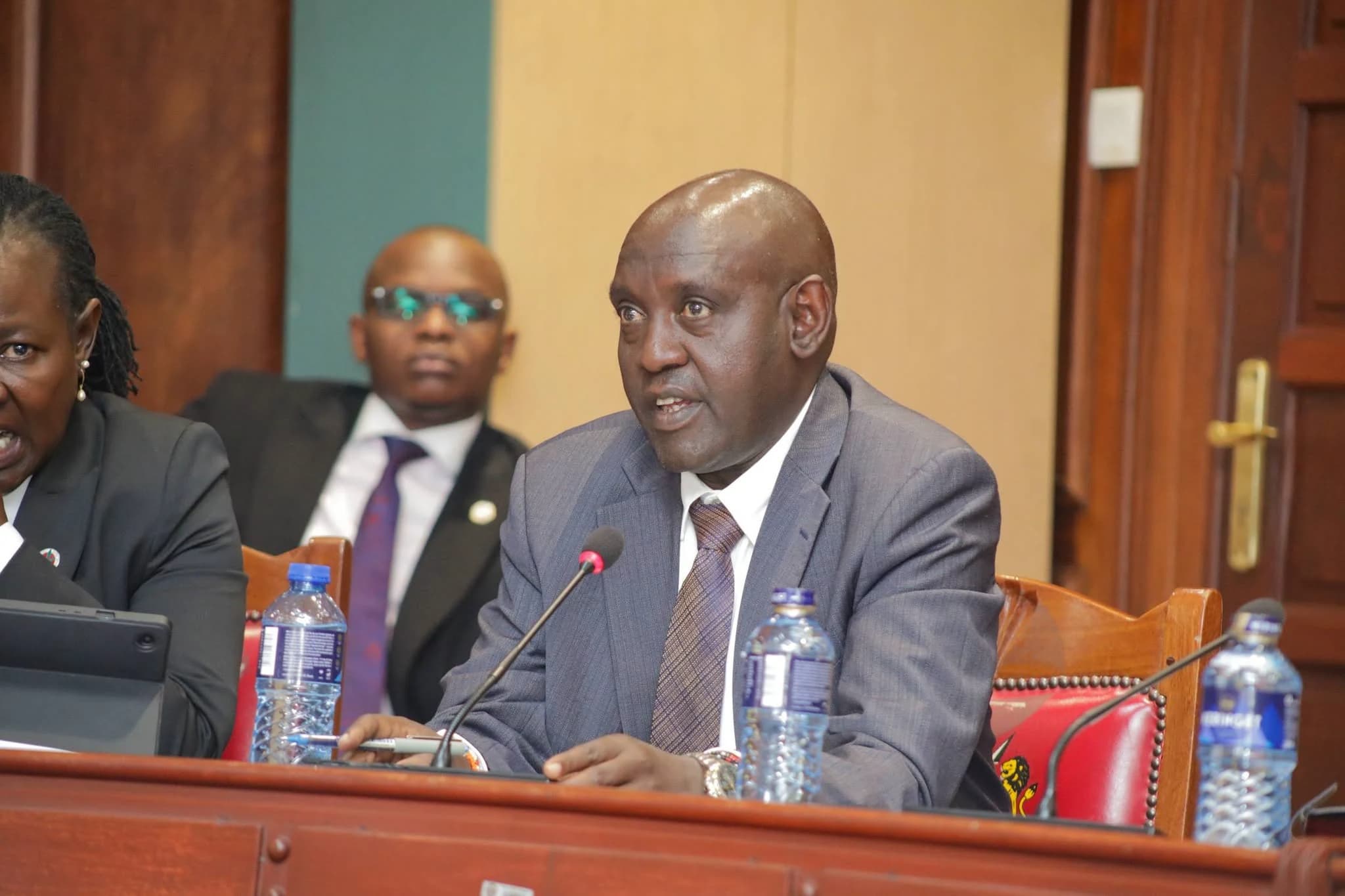
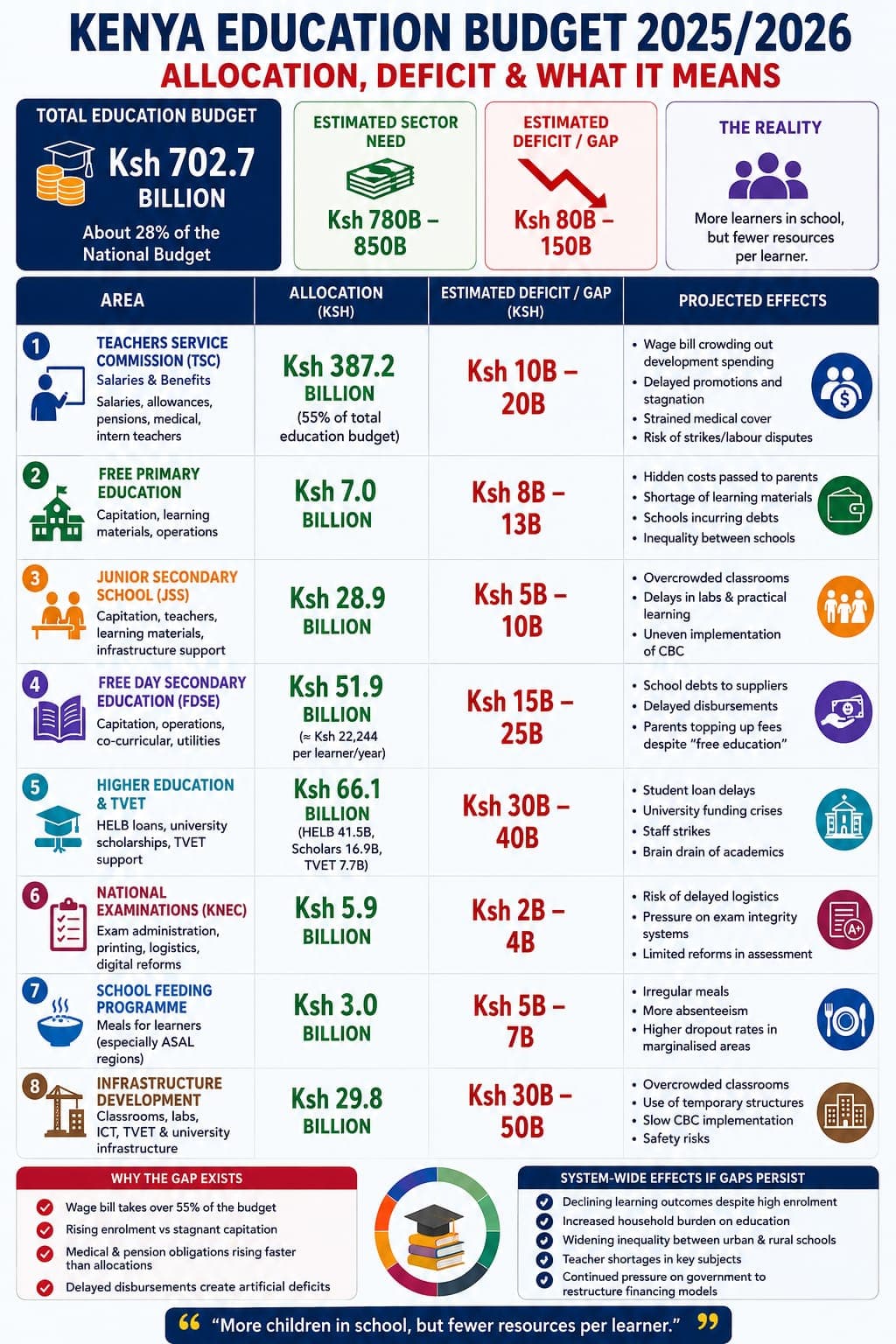
Basic Education Principal Secretary John Ololtua told MPs that Free Primary Education had been allocated Sh7.01 billion against a requirement of Sh9.97 billion, leaving a shortfall of approximately Sh2.96 billion. The programme is expected to support 6.39 million learners, with the proposed allocation translating to Sh1,420 per learner.
The situation is more challenging for Junior School, where the department requires Sh54.23 billion but has been allocated Sh30.72 billion. This leaves a deficit of approximately Sh23.51 billion against the projected needs of 3,575,141 learners.
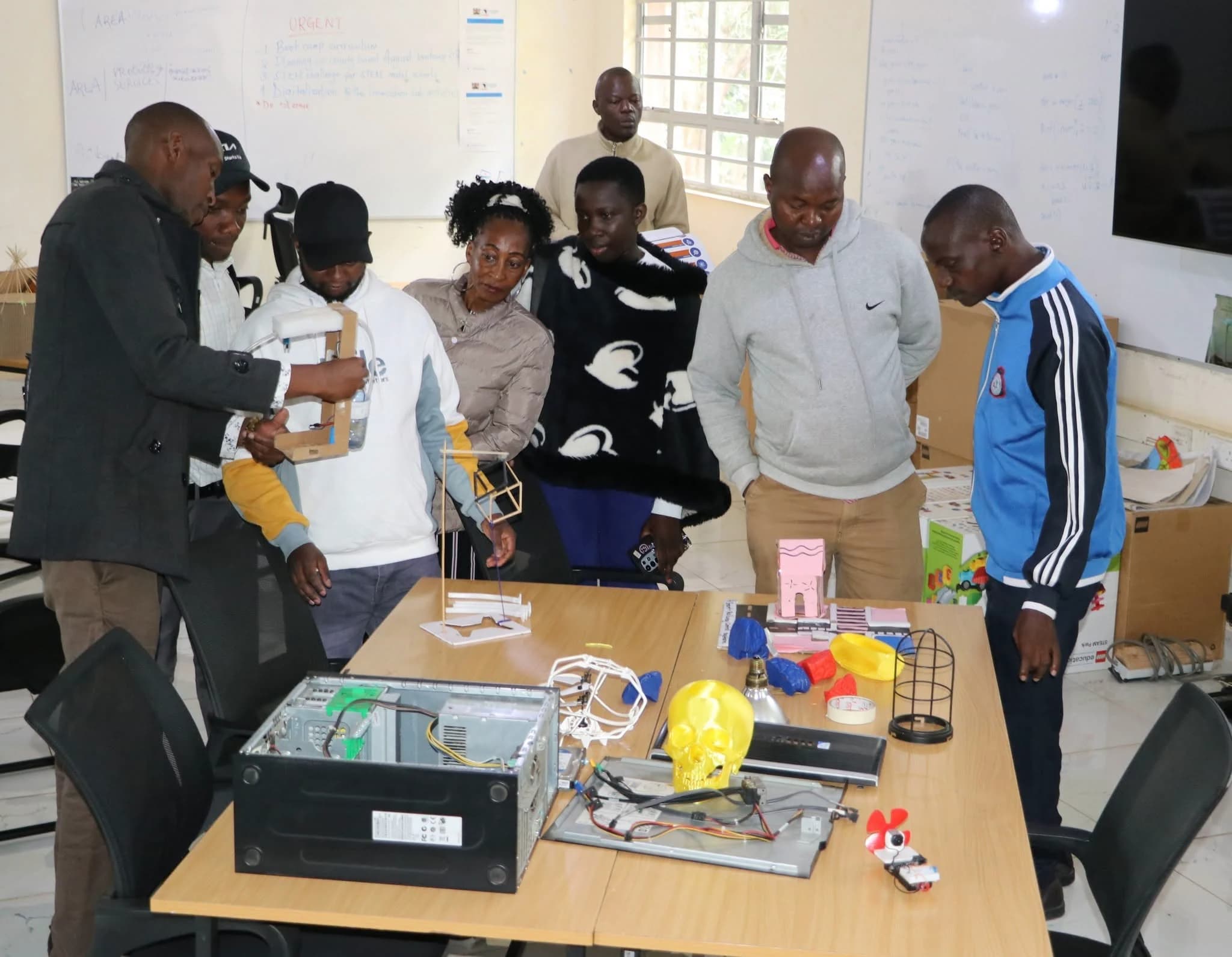
The figures raise fresh concerns about the adequacy of government funding as schools continue implementing curriculum reforms that require additional teaching materials, infrastructure and specialised learning facilities.
The funding concerns extend beyond school operations, with the Teachers Service Commission (TSC) seeking additional resources to recruit teachers, promote serving educators and improve staffing levels in public institutions.
TSC Chief Executive Officer Cheptumo Ayabei told the National Assembly Departmental Committee on Education that the Commission's proposed budget had increased by Sh52.83 billion to Sh477.09 billion.
Among the priorities is the conversion of 20,000 intern teachers to permanent and pensionable terms in January 2027, at a cost of Sh7.3 billion. The Commission has also proposed Sh4.8 billion to recruit another 20,000 teacher interns, subject to the outcome of ongoing court proceedings.
An additional Sh2 billion has been set aside to promote 12,000 teachers during the 2027/2028 financial year.
The Commission also plans to train 90,000 teachers in CBE, 50,000 in ICT integration and another 50,000 in remote learning methodologies. The additional investment is expected to strengthen teachers' capacity to handle the changing curriculum and emerging demands in classrooms.
The Technical and Vocational Education and Training (TVET) sector is equally facing financial pressure, with the State Department for TVET seeking Sh84.13 billion against an allocation ceiling of Sh64.77 billion.
The resulting shortfall of approximately Sh19.4 billion could affect scholarships, institutional grants and the construction of additional training institutions.
Principal Secretary Esther Muoria told MPs that increased investment in technical training was necessary to equip young people with practical skills for employment, entrepreneurship and industrial development.
The funding concerns come as the government seeks to expand access to technical training and strengthen the role of TVET institutions in producing skilled workers.
The latest budget disclosures come amid growing pressure from school heads over inadequate capitation and the rising cost of running public institutions.
President William Ruto recently directed the Ministry of Education and TSC to review school capitation and submit recommendations by January 2027. The review is expected to examine whether current allocations reflect the actual cost of delivering education under the changing curriculum.
School administrators have repeatedly raised concerns over operational expenses, including teaching materials, electricity, water, maintenance and other essential services.
The proposed 2027/2028 budget will therefore be critical in determining whether schools receive additional resources to support learning and prevent financial constraints from affecting curriculum implementation.
Parliament will now scrutinise the education sector's funding proposals as the government works towards balancing competing demands against available national resources.
Reader Discussion (0)
Sign in to comment