







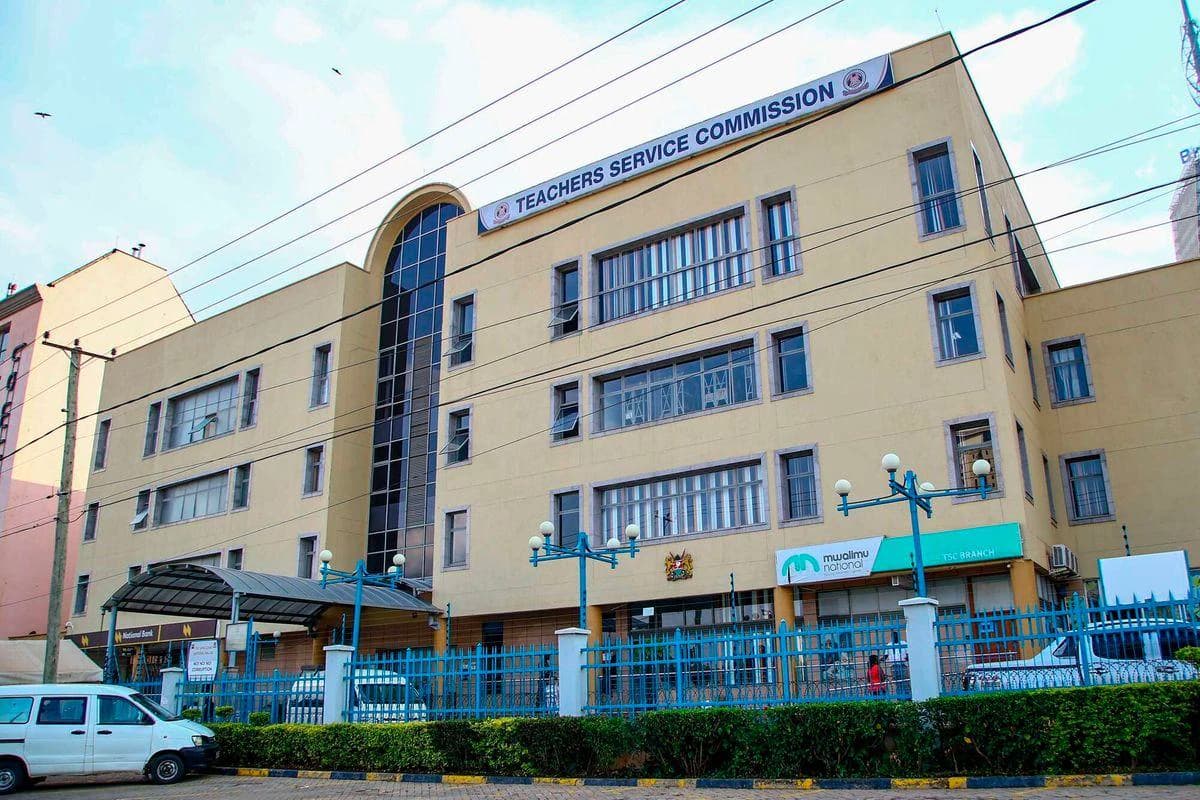

A loan repayment holiday is an agreed period during which a borrower is temporarily allowed to stop making loan repayments or make reduced payments. It is essentially a temporary break from paying your loan.
A loan repayment holiday sounds like a welcome announcement to anyone struggling to meet monthly financial obligations. Imagine having a bank loan that requires you to pay Sh30,000 every month and suddenly receiving permission to suspend those payments for three months. For a borrower experiencing financial difficulties, this can feel like a much-needed breathing space. It offers an opportunity to reorganise finances, address pressing household needs and regain some financial stability.
But there is an important question borrowers must ask: is a loan repayment holiday really a holiday from debt, or is it simply a postponement of financial responsibility?
A loan repayment holiday is an arrangement between a lender and a borrower allowing the borrower to temporarily suspend or reduce scheduled loan repayments. Depending on the agreement, the borrower may stop paying both principal and interest, continue paying interest while suspending principal repayments, or make reduced instalments for an agreed period.
The arrangement is particularly useful when borrowers experience temporary financial difficulties. These could arise from job losses, delayed salaries, business downturns, medical emergencies, unexpected family responsibilities or broader economic disruptions. Rather than immediately classifying the borrower as a defaulter, a financial institution may offer a repayment holiday to help them recover.
Consider a borrower who has taken a loan requiring monthly repayments of Sh30,000. The borrower suddenly experiences a financial setback and can no longer comfortably meet the obligation. The bank agrees to a three-month repayment holiday. Ordinarily, the borrower would have paid Sh90,000 during that period. The temporary relief allows the money to be redirected towards more urgent financial commitments.
However, this is where borrowers must exercise caution. A repayment holiday does not automatically mean that the bank has forgiven Sh90,000 or reduced the outstanding debt by that amount. The money remains payable under the revised loan arrangement.
Indeed, one of the biggest misconceptions about repayment holidays is that they are free financial relief. In most arrangements, interest continues accumulating even when the borrower is not making monthly payments. Consequently, the outstanding loan balance may increase, depending on how the lender calculates and applies interest.
For example, if interest continues accumulating throughout a three-month holiday, the borrower may eventually discover that the loan has become more expensive. The missed instalments may be spread across the remaining repayment period, the loan maturity date may be extended, or the monthly instalments may increase when normal repayments resume. The precise consequences depend on the agreement with the lender.
There are different forms of repayment holidays, and borrowers should understand the distinction before signing any agreement.
A full repayment holiday allows the borrower to temporarily stop paying both principal and interest. However, interest may continue accruing and may be added to the outstanding balance. A principal repayment holiday allows the borrower to continue servicing interest while temporarily suspending payments towards the principal. A reduced repayment holiday allows the borrower to make smaller monthly payments for an agreed period.
These arrangements have different financial implications. A borrower who continues paying interest during the holiday may avoid some of the additional interest accumulation associated with a complete suspension of payments.
In Kenya, where many households depend on bank loans, salary advances, digital credit and other borrowing arrangements, the concept deserves greater public attention. Many people borrow to finance education, purchase property, acquire vehicles, establish businesses and meet household expenses. When their financial circumstances change, maintaining regular repayments can become difficult.
Financial institutions should therefore consider repayment holidays as part of responsible lending and customer-retention strategies. A borrower who experiences temporary difficulties should not necessarily be treated as someone unwilling to honour financial obligations. There is an important difference between inability and unwillingness to pay.
Nevertheless, banks must also protect their financial interests. Lending institutions depend on repayments to sustain their operations and serve other customers. A repayment holiday is therefore not an automatic entitlement that every borrower can demand. It is generally subject to the lender's assessment, applicable regulations and the terms of the loan agreement.
Borrowers should also resist the temptation to treat repayment holidays as opportunities to take on additional debt. Being temporarily released from monthly instalments does not mean that one's financial position has fundamentally improved. Taking another loan during the holiday could create a bigger financial problem when normal repayments resume.
Before accepting a repayment holiday, borrowers should ask several important questions. Will interest continue accumulating? Will the loan period be extended? Will monthly instalments increase after the holiday? Are there administrative charges? How will the arrangement be reflected in the borrower's credit records? These questions are important because the immediate relief may come at a high long-term cost.
It is equally important to obtain the revised repayment terms in writing. Verbal assurances can easily be misunderstood, particularly when financial arrangements involve complicated interest calculations. Borrowers should insist on understanding the total amount payable after the holiday compared with the original repayment schedule.
Ultimately, a loan repayment holiday is neither inherently good nor inherently bad. Its value depends on the circumstances of the borrower, the terms offered by the lender and the financial discipline exercised during the temporary relief period.
For someone facing a short-term financial crisis, it can prevent missed payments, reduce immediate pressure and provide an opportunity to rebuild financial stability. For someone who misunderstands its implications, however, it can become a debt trap that merely postpones an unavoidable financial crisis while increasing the cost of borrowing.
The most important lesson is that a repayment holiday is a pause in scheduled payments, not a cancellation of financial obligations. Borrowers should welcome the breathing space but remain conscious of the responsibility that awaits them when the holiday ends.
In financial matters, what appears to be a holiday today can become a more expensive commitment tomorrow. The wisest borrower is not necessarily the one who grabs every opportunity to postpone payment, but the one who understands the full cost of that decision before accepting it.
Ashford Kimani is a teacher of English and Literature who comments on education and social affairs



Reader Discussion (0)
Sign in to comment