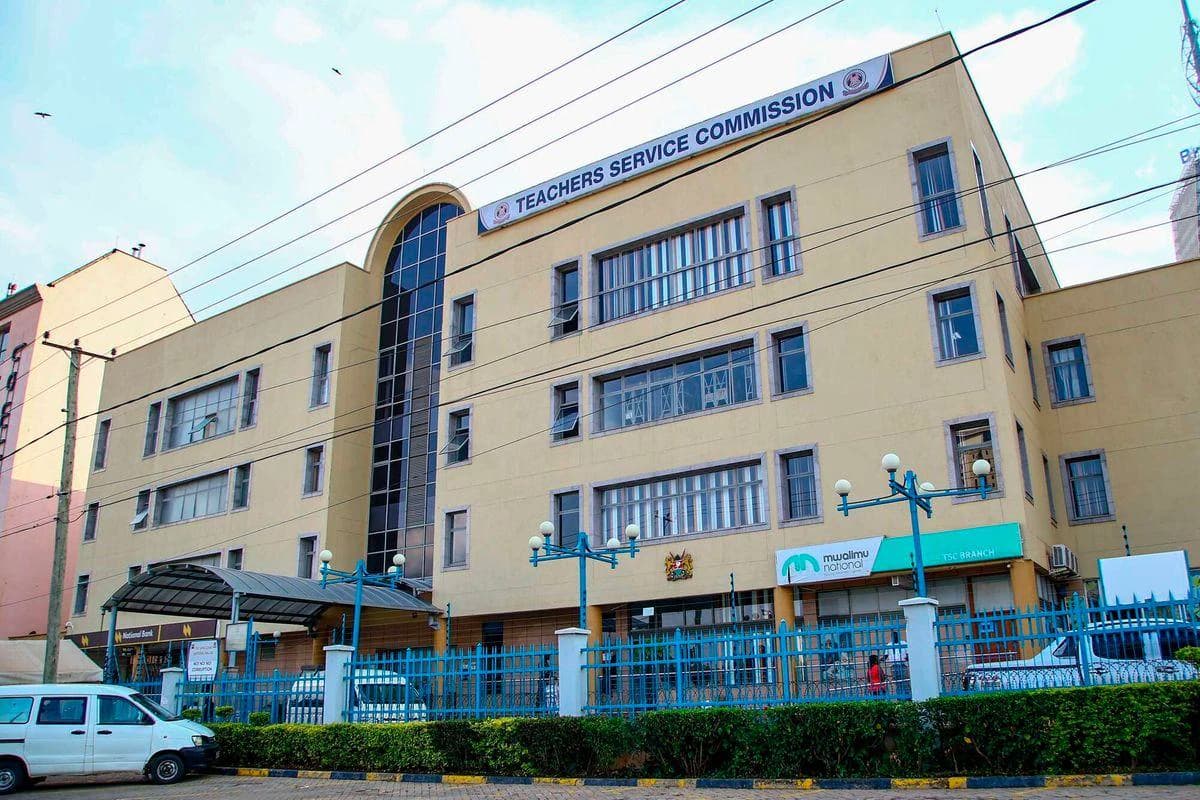







The reported Sh52.8 billion increase in the Teachers Service Commission's (TSC) budget has placed teacher recruitment, career progression, salary adjustments and the future of intern teachers firmly back in the spotlight.
The additional funding is said to raise the Commission's allocation to Sh477 billion, creating expectations that some of the longstanding challenges affecting teachers and public schools could receive greater financial attention.
TSC Chief Executive Officer Cheptumo Ayabei is reported to have announced the funding development, highlighting its potential to strengthen the Commission's capacity to manage the country's teaching workforce.
The development comes at a critical moment for Kenya's education sector, with the implementation of Competency-Based Education (CBE), the expansion of Junior School and preparations for Senior School increasing demands on teacher recruitment, deployment and professional management.
However, beyond the headline budget figures, teachers will be interested in how the additional resources translate into practical improvements in their employment conditions.
The persistent shortage of teachers remains one of the most pressing challenges confronting public schools.
As the education system transitions towards a fully operational CBE structure, schools require adequate numbers of teachers with the appropriate subject specialisations to support different learning areas and pathways.
The expansion of Junior School and the anticipated entry of learners into Senior School have further complicated staffing requirements, particularly in institutions struggling to balance available teachers with increasing instructional demands.
An expanded TSC budget could provide additional financial room for recruitment and deployment, potentially helping to ease pressure on understaffed institutions. Nevertheless, the actual recruitment numbers will depend on the approved staffing plan, available wage allocations and the Commission's employment priorities.
For schools operating with significant staffing gaps, the expectation is that additional funding will translate into more teachers in classrooms rather than remain a figure in government budget documents.
Teacher promotions are another major issue that could attract attention as the Commission receives additional financial resources.
Career stagnation has remained a source of frustration among educators, some of whom have spent years in the same job groups despite accumulating experience, professional qualifications and additional responsibilities.
The situation becomes even more complicated when teachers are assigned higher administrative responsibilities in acting capacities for prolonged periods. Across the education system, some teachers have served as senior teachers, deputy headteachers and principals for extended periods while awaiting substantive appointments. Such arrangements raise important questions about professional recognition, institutional stability, motivation and the treatment of employees entrusted with leadership responsibilities.
The additional allocation could strengthen the Commission's capacity to facilitate promotions and fill vacant administrative positions. However, teachers will expect the exercise to be guided by transparent criteria, fairness and clearly communicated timelines.
Promotions should not merely reward years of service but also recognise merit, professional development, responsibility and the requirements of the teaching establishment.
The increased funding also raises expectations over the implementation of negotiated remuneration arrangements under the Collective Bargaining Agreement (CBA).
Teachers remain keen to see salary commitments honoured alongside improvements in allowances and other employment benefits. As the cost of living continues to influence household finances, remuneration remains central to discussions about teacher welfare and professional motivation.
Additional financial resources could strengthen TSC's ability to meet its salary obligations and implement approved adjustments. However, the extent of any salary increase will depend on the specific provisions contained in the approved budget and applicable remuneration agreements.
Teachers will therefore be looking for clarity on how the additional resources will support their payslips and career-related financial progression.
Among the issues attracting considerable attention is the anticipated conversion of intern teachers into permanent and pensionable (P&P) employment.
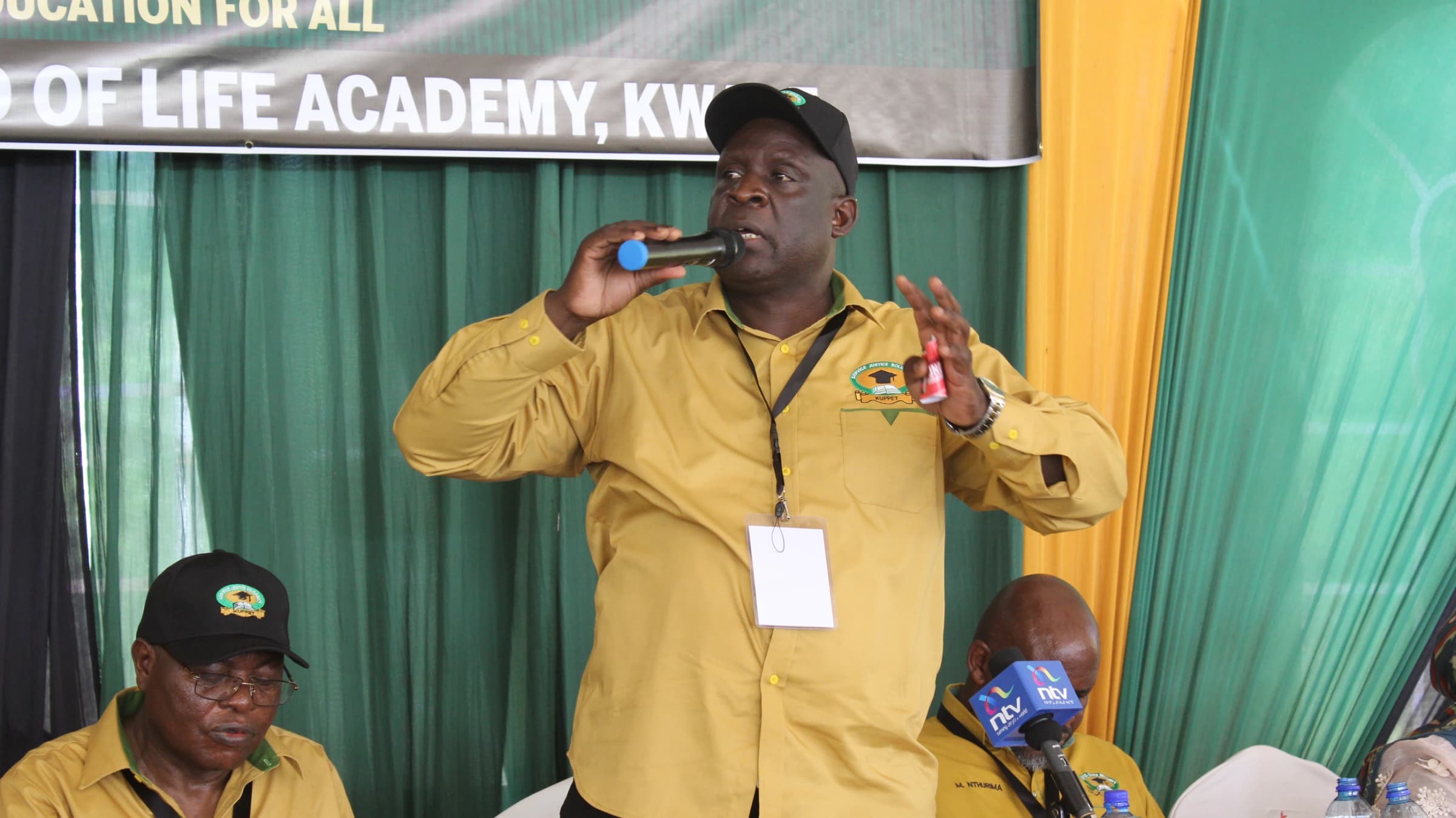
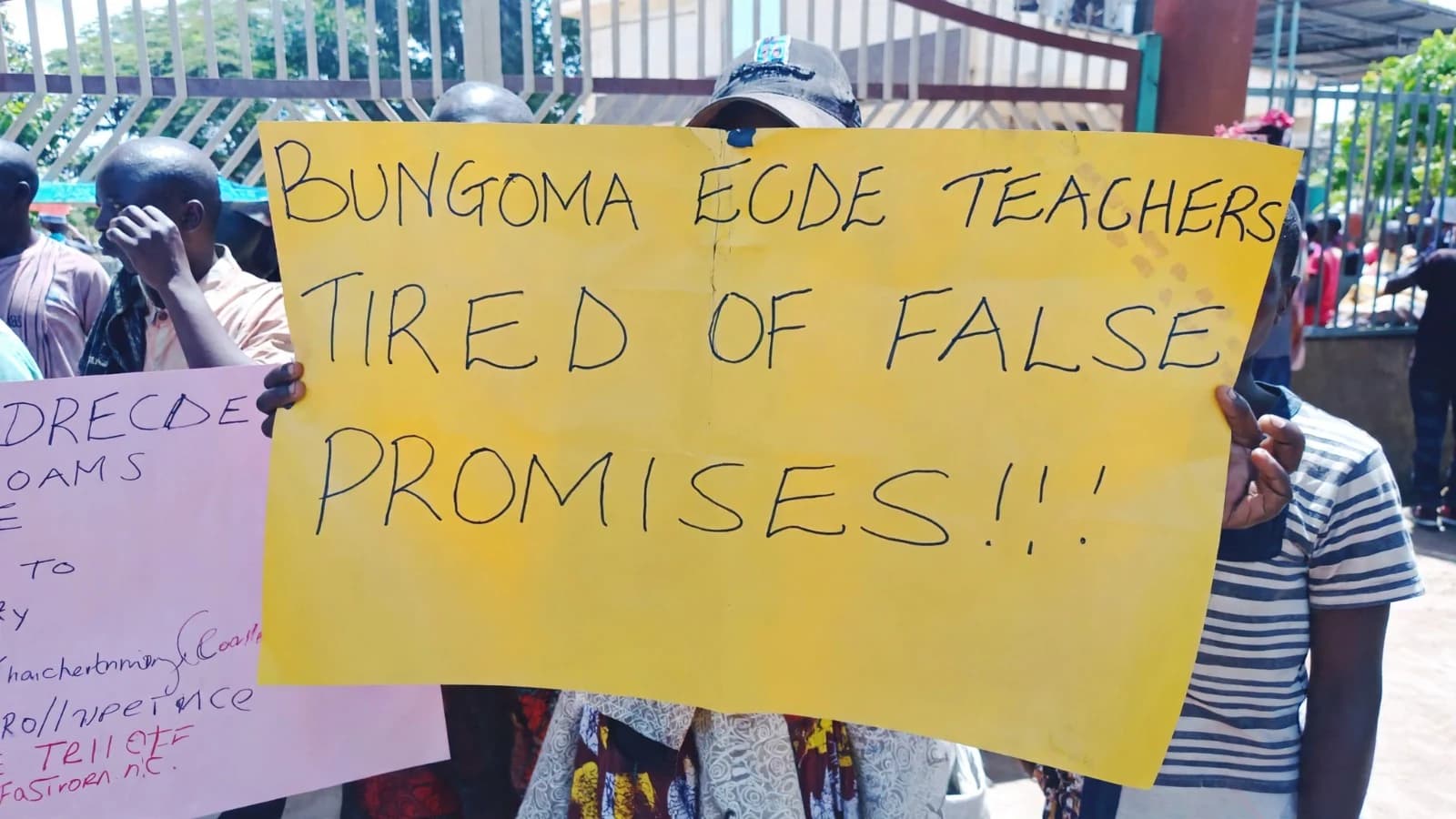
Teachers serving under internship arrangements have repeatedly called for more secure employment terms, with their unions pressing for a transition into established employment structures.
For many affected teachers, conversion to P&P terms represents more than a change in contractual status. It offers the prospect of greater job security, pension benefits and a more predictable professional future.
The reported budget increase has consequently raised expectations that the government and TSC could have greater financial room to address the matter. However, the critical questions remain the number of interns to be absorbed, the implementation timetable and the financial provisions required to sustain their employment.
A clear conversion programme would help end uncertainty among teachers whose future employment arrangements remain a major concern.
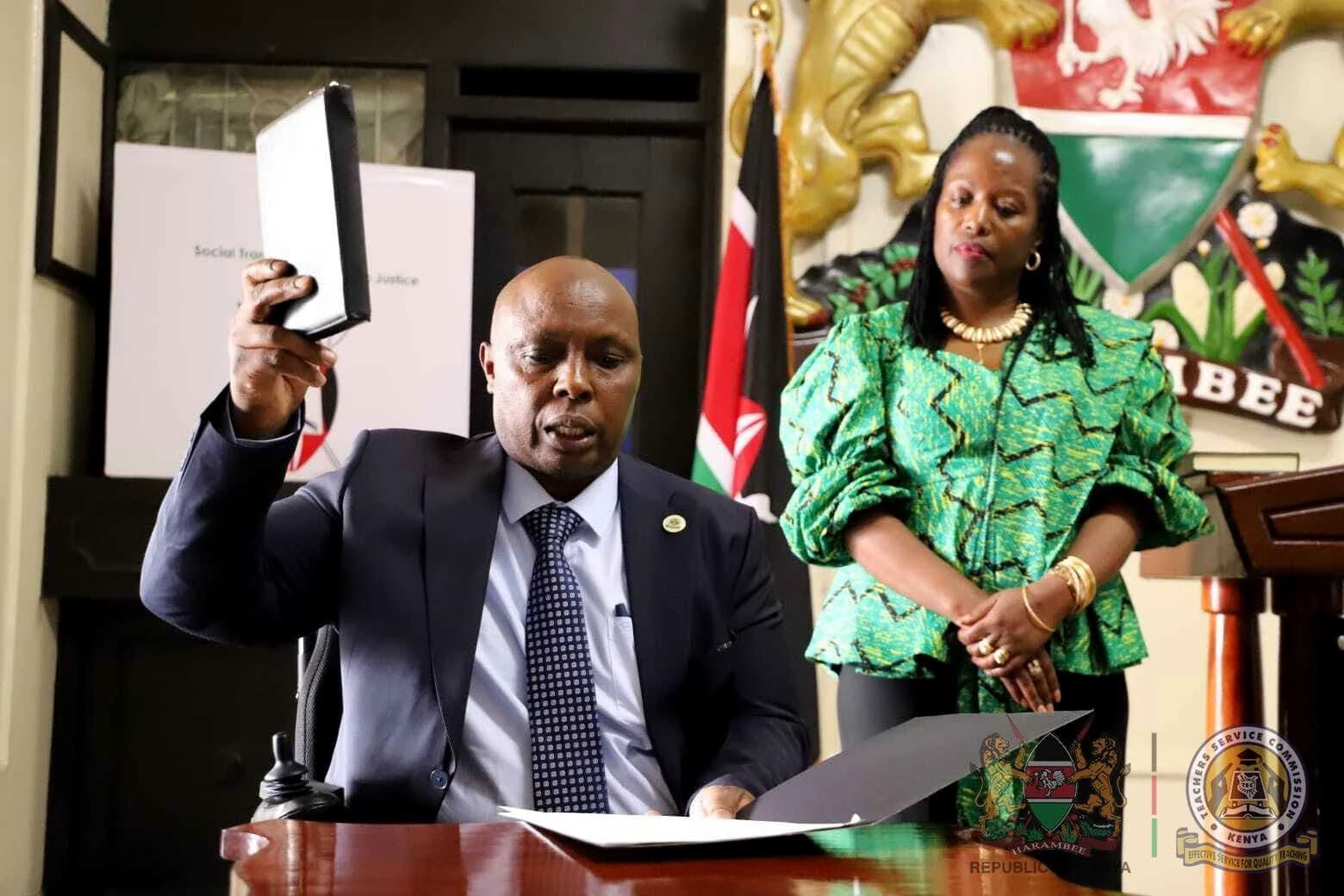
The funding announcement comes as Ayabei assumes leadership of the Commission at a time when teachers are seeking meaningful interventions in recruitment, promotions, remuneration and employment security.
The new leadership will be expected to translate available financial resources into measurable improvements across the teaching profession.
While increased funding could strengthen the Commission's operational capacity, its impact will ultimately depend on prudent allocation, transparent implementation and accountability.
Teachers will be watching to establish whether the additional resources result in more recruitment opportunities, substantive appointments, improved remuneration and the absorption of intern teachers. The Commission must also ensure that resources are distributed in a manner that responds to the actual staffing needs of schools across the country.
Ultimately, the significance of the reported Sh52.8 billion increase should be measured not simply by the size of TSC's budget but by the changes it delivers to teachers and learners.
For teachers, the most meaningful evidence of improved funding will be reflected in adequately staffed schools, promotion letters, improved payslips and secure employment contracts.
The expectation is that the expanded financial allocation will provide an opportunity to confront longstanding challenges and strengthen the teaching profession as Kenya advances its education reforms.

Reader Discussion (0)
Sign in to comment