








Junior School (JS) teachers in Makueni County have asked Parliament to support administrative autonomy for the institutions, arguing that their distinct curriculum and teaching requirements demand a separate management structure.
In a petition addressed to members of the public and legislators, the Kenya Union of Post-Primary Education Teachers (KUPPET) JS Secretary Desk in Makueni said the current arrangement, which places JS within primary school administrative structures, should be reviewed to reflect the institutions' secondary-level responsibilities.
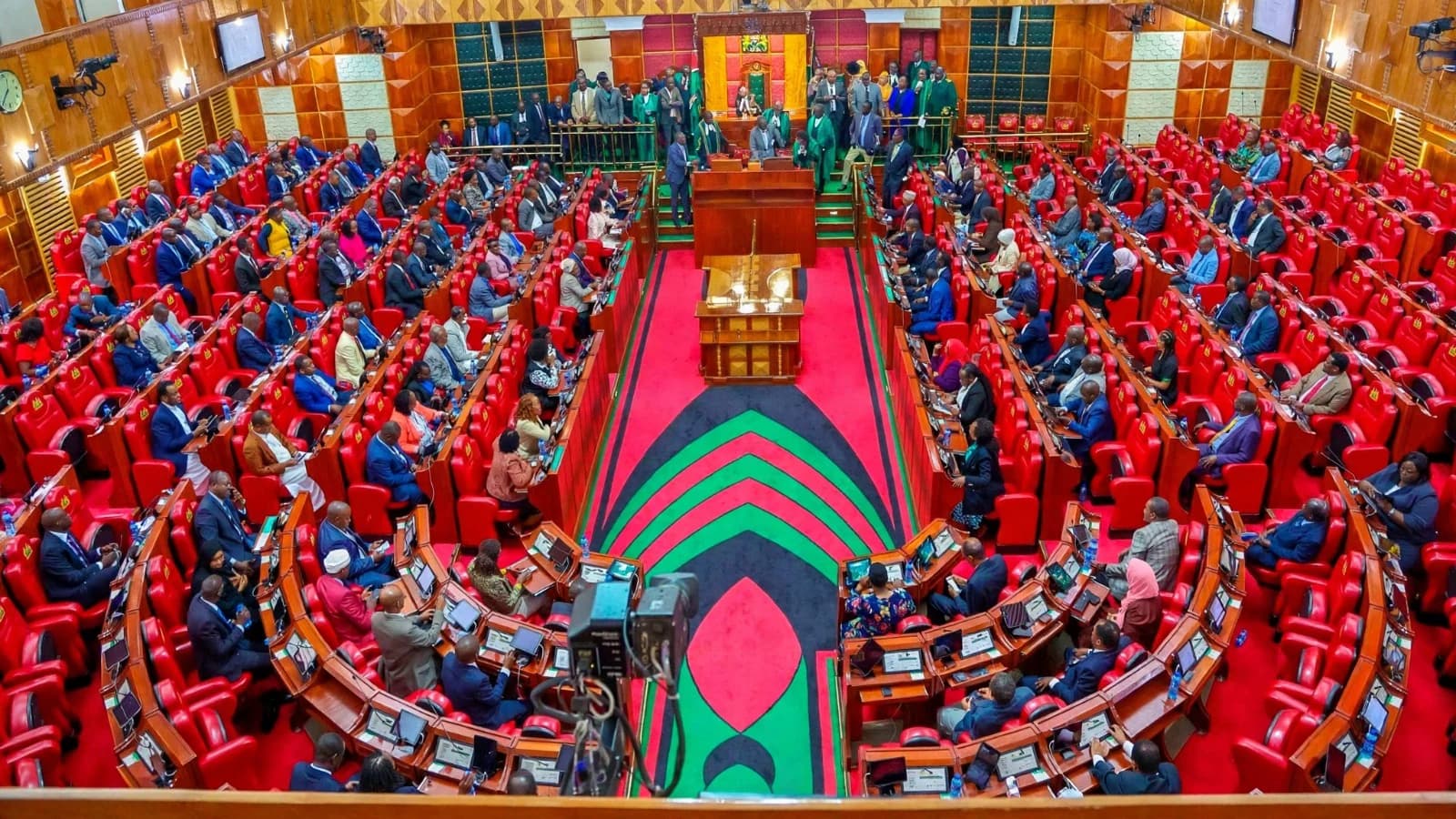
The teachers want Parliament to consider their concerns as it scrutinises the Education Bills 2026. They insist that JS autonomy should be treated as an education governance issue and not as a contest between teachers' unions and professional associations.
The teachers argue that JS has distinct curriculum requirements, specialised subject areas, assessment methods and staffing needs that call for appropriate institutional leadership and accountability structures.
"JS autonomy means having an appropriate institutional identity, leadership, administration, governance and accountability structures that respond to its educational needs," the petition states.
They clarified that the proposal does not necessarily mean separating JS from primary schools physically or ending the sharing of facilities. They said the institutions could continue to share classrooms, laboratories, playing fields, water and other resources while operating under separate administrative and governance structures.
The petition also dismissed suggestions that renaming headteachers as principals, or adopting the comprehensive school model, would on its own address the challenges facing JS.
According to the teachers, the critical issue is whether the proposed administrative framework gives junior secondary schools enough capacity to manage resources, implement the curriculum and address institutional challenges.
They further argued that the age of JS learners should not be the sole reason for denying the institutions independent administrative structures. While acknowledging the need for adequate supervision, safeguarding and pastoral care, they maintained that these responsibilities could be met within institutions that have separate leadership and governance arrangements.
The debate has also drawn attention because of the different union affiliations among teachers, with many JS teachers belonging to KUPPET while a significant proportion of primary school teachers are represented by the Kenya National Union of Teachers (KNUT).
The Makueni teachers, however, cautioned against allowing union interests to influence decisions on the future management of junior secondary education. They maintained that institutional reforms should be guided by educational needs and not by the numerical strength of unions or professional associations.
They also challenged the argument that JS autonomy was unnecessary because the institutions have a smaller workforce than primary schools, noting that the number of teachers should not determine the suitability of an administrative structure.
The petition cited the public participation exercise conducted by the National Assembly Departmental Committee on Education in Makueni on September 16, 2026, as an opportunity through which teachers presented their concerns and proposals.
The teachers urged MPs to give due consideration to the memoranda and submissions made during the exercise instead of treating public participation as a procedural requirement.
The petition described constructive criticism of government policies as a constitutional right and an important component of public participation, arguing that raising concerns about education reforms should not be interpreted as opposition to the Government.
It called on legislators to examine how the proposed laws would address curriculum delivery, staffing, resource allocation, institutional leadership and accountability across the different levels of basic education.
The teachers said autonomy should not be viewed as a privilege sought by JS educators but as a possible institutional reform aimed at improving service delivery and the quality of education.
They appealed to Kenyans to engage in the debate objectively, warning against reducing the matter to rivalry between teachers' unions or competing professional interests.
"The future of education requires informed decisions, not institutional convenience. Let us put learners first," the petition concludes.



Reader Discussion (0)
Sign in to comment