


Parenting has no manual. It is a demanding responsibility that requires patience, wisdom, courage and, above all, God's guidance. It is certainly not a journey for the faint-hearted. Every generation encounters parenting challenges, but the changing social environment, exposure to digital content and emerging threats to children's safety demand greater vigilance from parents and society.
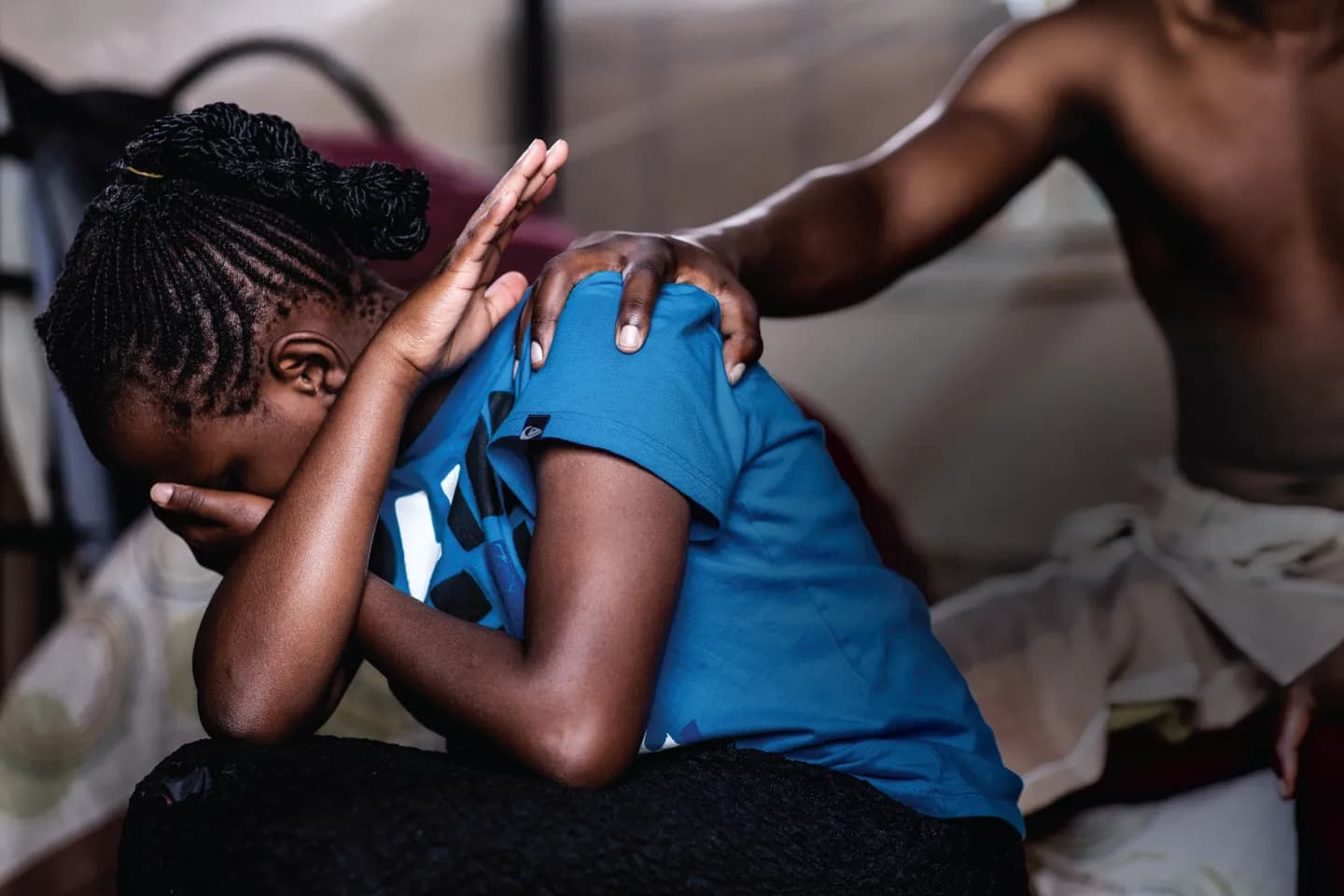
Some of the stories emerging from our communities are deeply disturbing. Reports of children being sexually exploited by relatives, groomed by trusted adults, manipulated with gifts or money and subsequently silenced should force us to confront an uncomfortable reality: not everyone who has access to our children has their best interests at heart.
The most painful aspect of such abuse is that it sometimes happens within the very families where children should feel safest. Relatives and other trusted individuals may exploit a child's innocence through affection, financial assistance, gifts, threats or emotional manipulation.
Some families respond by organising informal meetings, negotiating compensation or pressuring victims to withdraw allegations to protect their reputation. Such arrangements, sometimes resembling kangaroo courts, do not constitute justice. A child's safety must never be sacrificed at the altar of family reputation.
Imagine a mother discovering that her teenage children have been engaging in sexual activity with each other. Where does she begin? How does she respond without causing further emotional harm?
This is not a situation to address through anger, humiliation or physical punishment. The parent must establish whether coercion, intimidation, manipulation, exposure to pornography or previous sexual abuse may be involved. The children's ages, understanding of what happened and any imbalance of power are important considerations.
Both children require protection and professional assessment. It would be irresponsible to immediately label one child a perpetrator and the other a victim without understanding the circumstances. Harmful sexual behaviour among children may sometimes be linked to previous exposure to abuse. This possibility must be investigated rather than assumed. Parents should seek assistance from qualified child psychologists, counsellors and child-protection professionals instead of conducting their own investigations or repeatedly questioning the children.
Kenya has a legal framework that recognises children's right to protection from sexual exploitation and abuse.
The Children Act, 2022, protects against abuse, exploitation and circumstances that threaten children's safety and wellbeing. It also establishes mechanisms for reporting children who require care and protection.
The Sexual Offences Act, 2006, addresses defilement, indecent acts involving children and incest. Sections 20 and 21 specifically criminalise incest involving specified close family relationships, including siblings. Section 8 addresses defilement.
Sexual abuse is not a private family disagreement to be resolved through financial compensation or traditional negotiations. Suspected offences should be reported to the police and relevant child-protection authorities. Parents should also seek prompt medical attention where sexual assault is suspected, and protecting the child from further contact with the suspected perpetrator must be an immediate priority.
The Judiciary has an equally important responsibility in protecting children who come into contact with the justice system. Through its child-friendly justice framework and National Strategy on Justice for Children, the Judiciary promotes proceedings that place children's best interests, dignity and psychological safety at the centre of decision-making.
Children who are victims or witnesses of sexual offences should not be subjected to intimidating court environments or unnecessary exposure. Protective measures, including intermediaries, screens and video-link testimony, can be used where appropriate. The Office of the Director of Public Prosecutions has also emphasised sensitive and professional interviewing of children, which helps minimise repeated questioning and further psychological trauma.
The underlying principle is that a child should not suffer twice: first through abuse and then through an insensitive justice process. Families must therefore resist private settlements that compromise children's safety or obstruct lawful investigations.
Sexual abuse can have far-reaching psychological consequences, including anxiety, depression, shame, withdrawal, difficulty trusting others, behavioural changes and poor academic performance. However, not every child displays obvious symptoms. Some continue with their normal routines while silently struggling with their experiences.
Children may delay disclosure because of threats, embarrassment, fear of blame or concern about breaking up their families. Others are manipulated into believing that abuse is an expression of love or a secret they must protect.
Kenya's 2019 Violence Against Children Survey, published by the Department of Children's Services and the Kenya National Bureau of Statistics, found that only 41.3 per cent of females aged 18 to 24 who had experienced childhood sexual violence had told someone about an incident. This finding shows the extent to which childhood sexual violence can remain hidden. It also challenges the assumption that children are only at risk from strangers. Abuse can occur within familiar environments and involve people whom families trust.
Child protection must begin with deliberate parenting. We cannot outsource this responsibility entirely to schools, churches, government agencies or relatives.
Parents must cultivate open communication from an early age. Children should understand that their bodies deserve protection, that nobody has the right to touch them inappropriately and that uncomfortable secrets should never be kept at the expense of their safety. They should also understand that gifts, money, treats and promises of assistance must never become conditions for sexual access.
Family relationships should not automatically translate into unrestricted access to children. Parents must establish reasonable boundaries, know who spends time with their children and remain attentive to changes in behaviour. During school holidays, when children spend more time at home, visit relatives or attend family gatherings, supervision becomes particularly important. Digital safety also deserves attention because grooming and exploitation increasingly extend into online spaces.
A child should never be forced to embrace or show affection to an adult against their wishes. Teaching children to express discomfort and say no respectfully helps develop confidence and personal safety.
When a child discloses abuse, listen calmly, reassure them that it is not their fault and take the disclosure seriously. Avoid repeated questioning or confronting a suspected perpetrator in ways that could expose the child to intimidation. Seek professional assistance and report the matter.
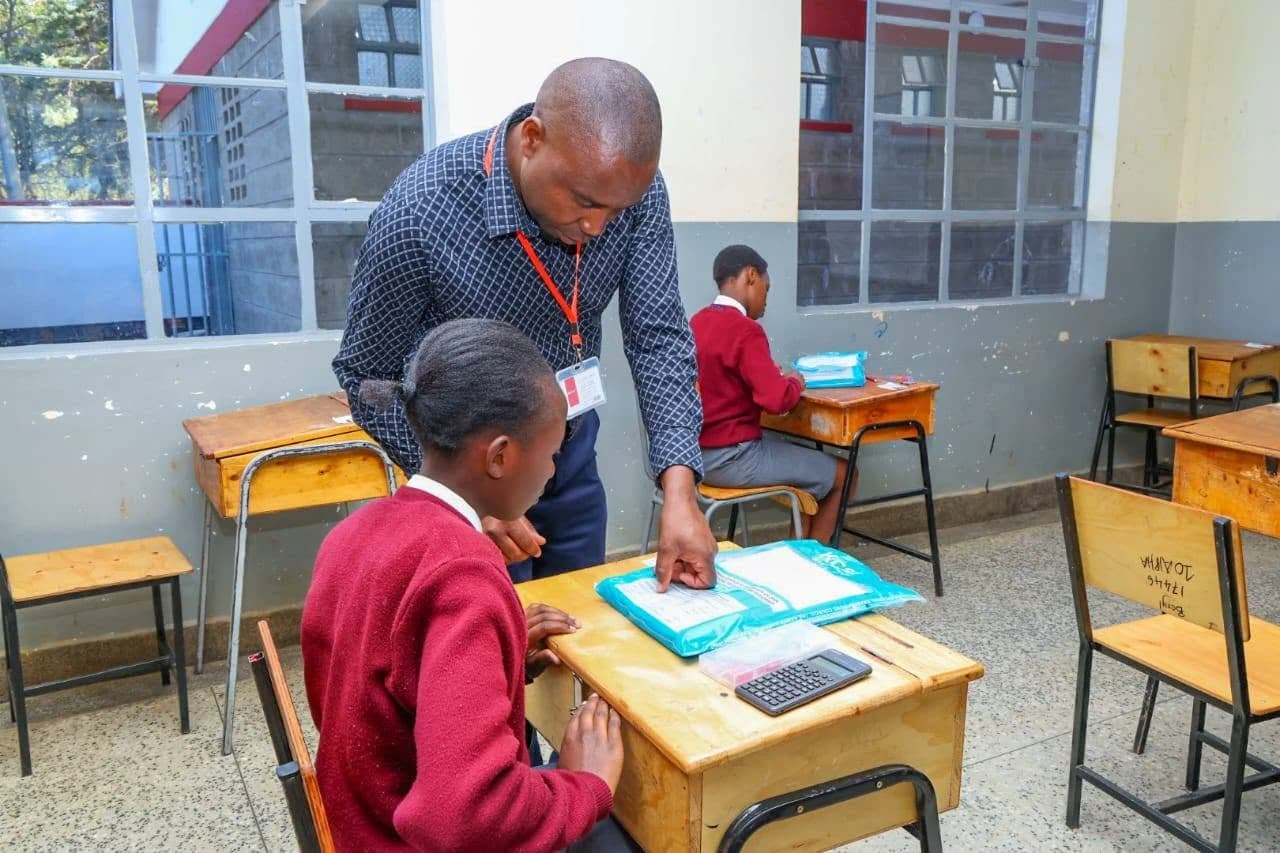
The Competency-Based Education (CBE) curriculum provides an important opportunity to equip children with knowledge and competencies that promote personal safety. The Kenya Institute of Curriculum Development (KICD) has incorporated human sexuality, life skills, values education, child rights and protection as pertinent and contemporary issues to be mainstreamed across learning areas. These competencies should help learners develop self-awareness, assertiveness, responsible decision-making, respect for personal boundaries and the confidence to seek assistance when threatened.
The challenge is not simply whether these subjects appear in curriculum documents, but whether the intended knowledge is effectively translated into meaningful learning experiences. Teachers should be empowered to address age-appropriate issues concerning inappropriate touching, grooming, sexual exploitation, healthy relationships and online manipulation. Schools must strengthen guidance and counselling programmes and establish clear child-protection reporting procedures, and parents must reinforce these lessons at home.
Age-appropriate sexuality and safeguarding education should not be confused with exposing children to inappropriate sexual content. Its purpose is to help children recognise danger, understand their rights and know where to seek help.
Religious institutions, community leaders, educators, policymakers and parents must work together to create safer environments for children. Our cultural and religious values place considerable emphasis on family responsibility, respect and protection of the vulnerable. These values should inspire us to protect children rather than silence them. Churches and mosques should provide supportive environments where children and families can seek guidance. Prayer must complement, not replace, professional intervention and lawful reporting.
The media also has a responsibility to report child abuse cases ethically. Children's identities must be protected to prevent stigma, intimidation and further harm.
As parents, we must ask ourselves difficult questions. Are our children comfortable discussing sensitive subjects with us? Do they know that we will listen without judging them? Have we taught them that nobody, regardless of age, financial status or family relationship, has the right to exploit them?
As children spend more time outside the classroom during school holidays, let us not lower our guard. Parenting has no perfect formula, but we must remain present, observant and approachable.
God gave us the responsibility of nurturing children, not merely providing for their material needs. Protecting their dignity, emotional wellbeing and future is equally important. A child should never have to choose between telling the truth and preserving family relationships. Silence may protect an abuser, but it will never protect a child.
Our children deserve adults who listen, families that protect, schools that empower and institutions that deliver justice. Ultimately, responsible parenting is measured not only by what we provide for our children, but also by how effectively we safeguard their lives, dignity and future.




Reader Discussion (0)
Sign in to comment