









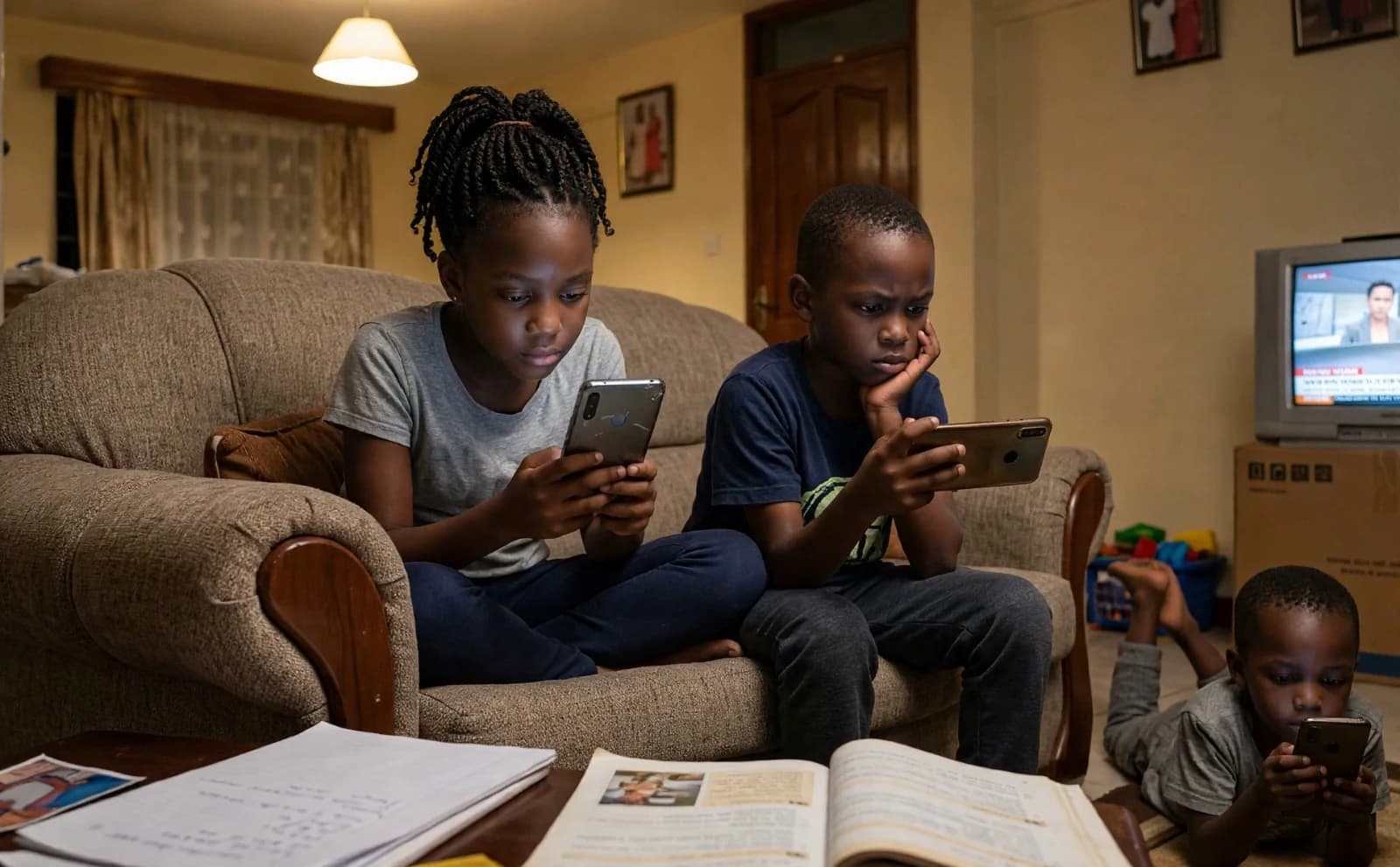
Parents, teachers and community leaders are urging adults to use social media responsibly to guide young people, arguing that the platforms long blamed for misleading the youth could become the most available and effective tool for mentoring them.
Concern has been growing among adults worldwide, and especially in Kenya, over the influence of social media on young people's behaviour. Many parents, the proponents say, accuse the curious youth instead of correcting them.
Adults who want to influence young people must first understand what young people love, and meet them there, they say.
The argument is that young people are already on TikTok, Facebook, X, WhatsApp, Instagram and YouTube, and spend hours there daily. Condemning the platforms, critics say, only pushes the youth further away, while using the same platforms to teach, mentor and correct them offers a better chance.
"If you want to tame a lion, know what it loves. Meet it and give it," one elder said in explaining the approach. "If you want to win a pastor, give him a Bible. If you want to befriend a thief, talk about thievery, but do not be one."
According to those pushing the idea, the point is not to copy the habits of the youth but to speak a language they understand and then redirect them.
A common concern raised by parents is the way some boys, in particular, use social media. Many reportedly approach any female face they see online with requests such as "can we be friends, babe?", followed by a wish to discuss "adult things", often meaning sex.
Instead of responding with anger alone, adults are being urged to use that interest as an entry point to discuss real adult responsibilities: careful saving, proper use of time for prosperity, good education and planning for the future. The proposal is that youths who say they want to discuss adult matters should be taught what adulthood actually demands, including saving, working, delaying pleasure and building a future rather than risking it for short-term excitement.
Another concern is the growing trend of posting dancing videos and other content mainly for likes, which some observers describe as talent exploitation. Entertainment itself is not the problem, they say. The problem arises when a young person builds an online following but has no skills, savings or education to fall back on when the phone is off.
Adults are therefore being encouraged to show youths how to use the same phone for research and learning. The platforms that carry dance videos also carry lessons in mathematics, agriculture, tailoring, coding, business management and farming. The question being put to youths is direct: will followers pay school fees, will likes build a house, will views provide employment?
The call also extends to artificial intelligence (AI). With the job market crowded and technology changing rapidly, youths are being urged to acquire AI skills for advancement. Supporters say those who learn to use AI for writing, business, farming, design, research, coding and marketing will stand ahead of their peers in a world increasingly described as one of survival of the fittest.
The message is not directed at youths alone. Adults are being challenged to model responsible use themselves. Young people, observers note, learn more from what they see than from what they are told. An adult who spreads gossip, forwards rumours, insults others online or wastes time on indecent content, they argue, has little authority to correct a young person.
Responsible use, in this context, means posting what is true, helpful and decent, refusing to forward unverified information, and using phones to mentor, encourage and share opportunities. When adults use Facebook to teach farming, X to discuss business, TikTok to teach saving and WhatsApp to share a job vacancy, the youth are more likely to copy that pattern, the proponents say.
Many of those who spoke to Education News, including long-serving pastors and counsellors from the community, concluded that the phone is not going away. The choice, they said, is whether it will be used to lose a generation or to win it.



Reader Discussion (0)
Sign in to comment