



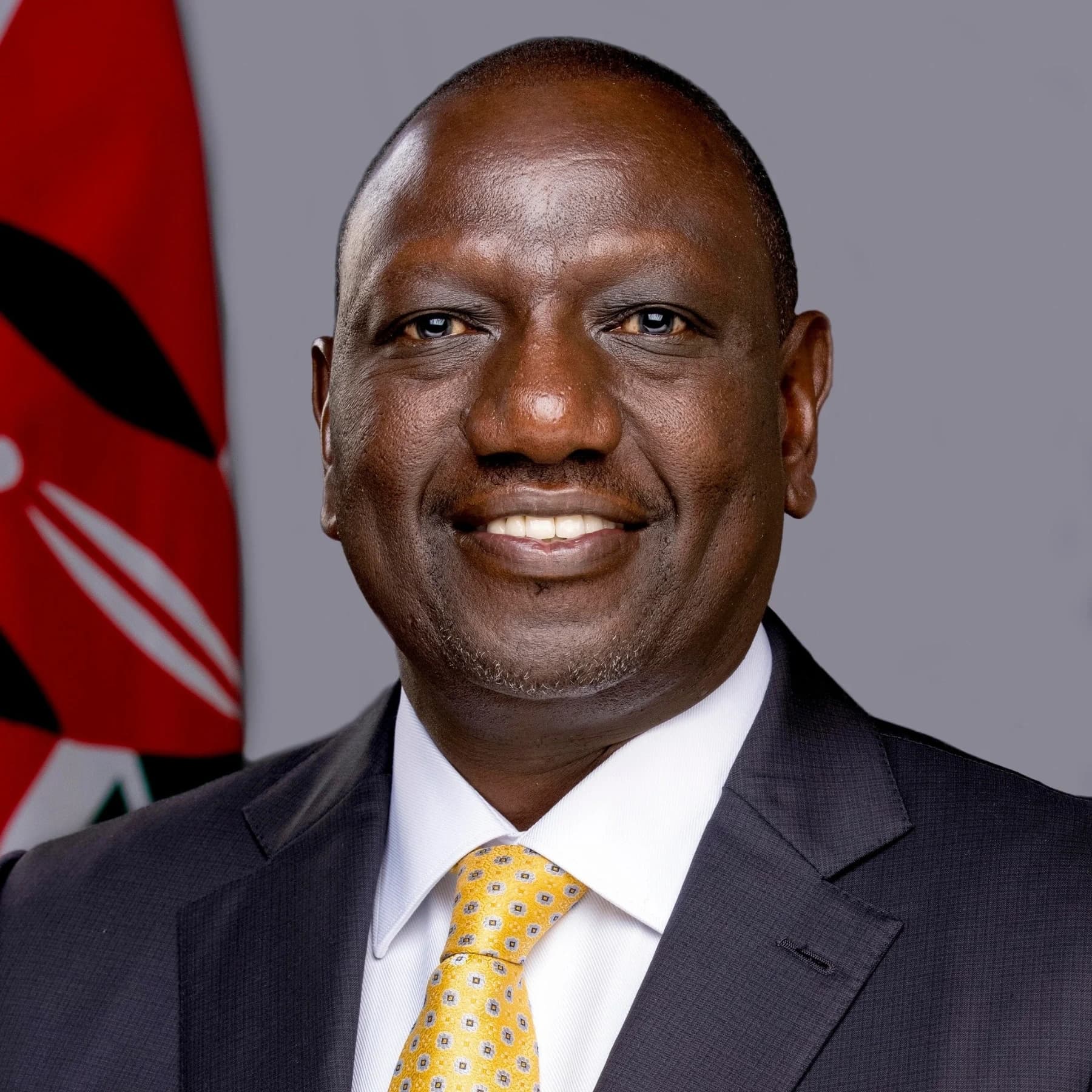
President William Ruto has defended his administration's education record, citing the recruitment of additional teachers, construction of classrooms and implementation of Competency-Based Education (CBE) as key achievements as he seeks a second term.
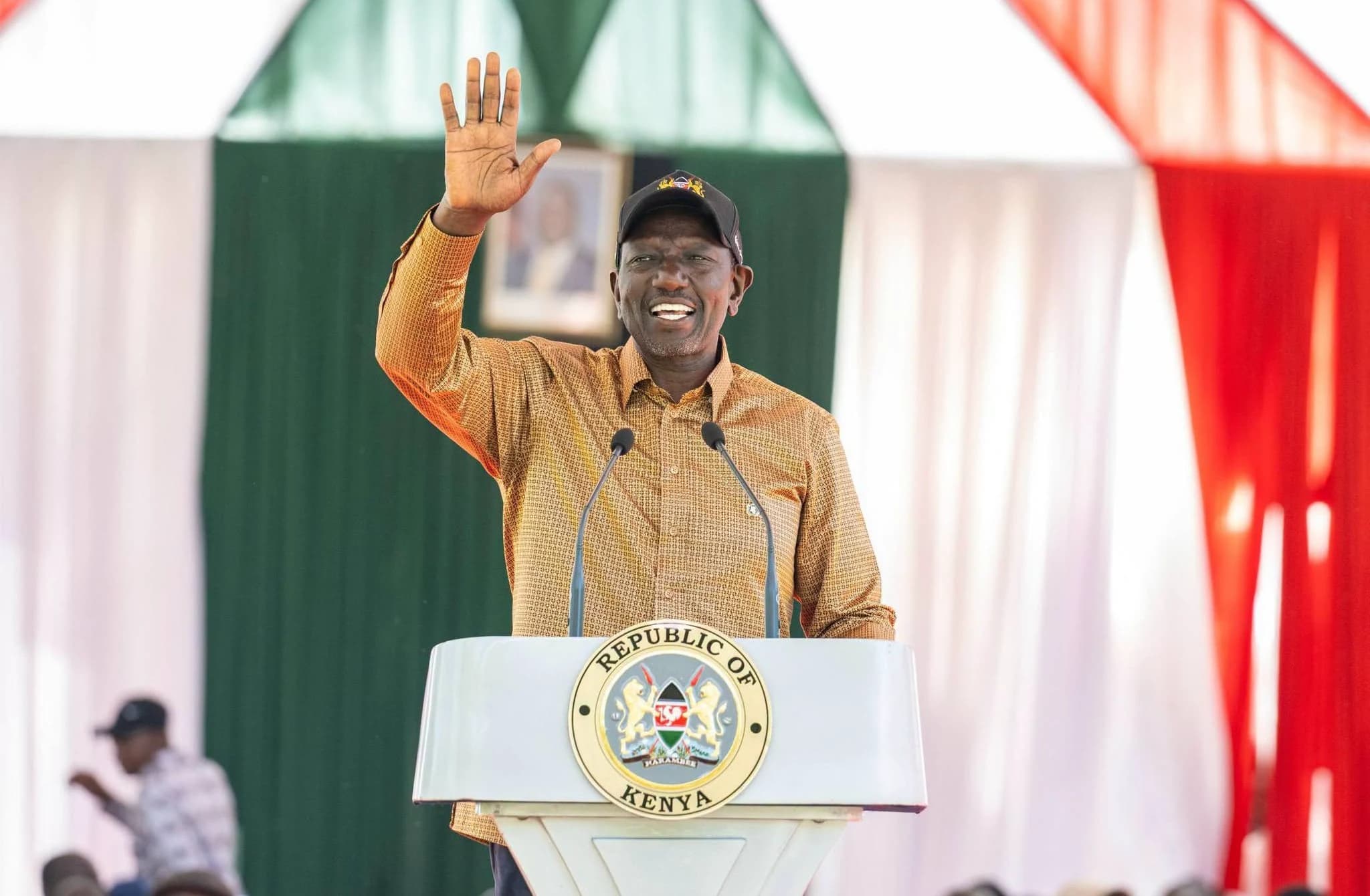
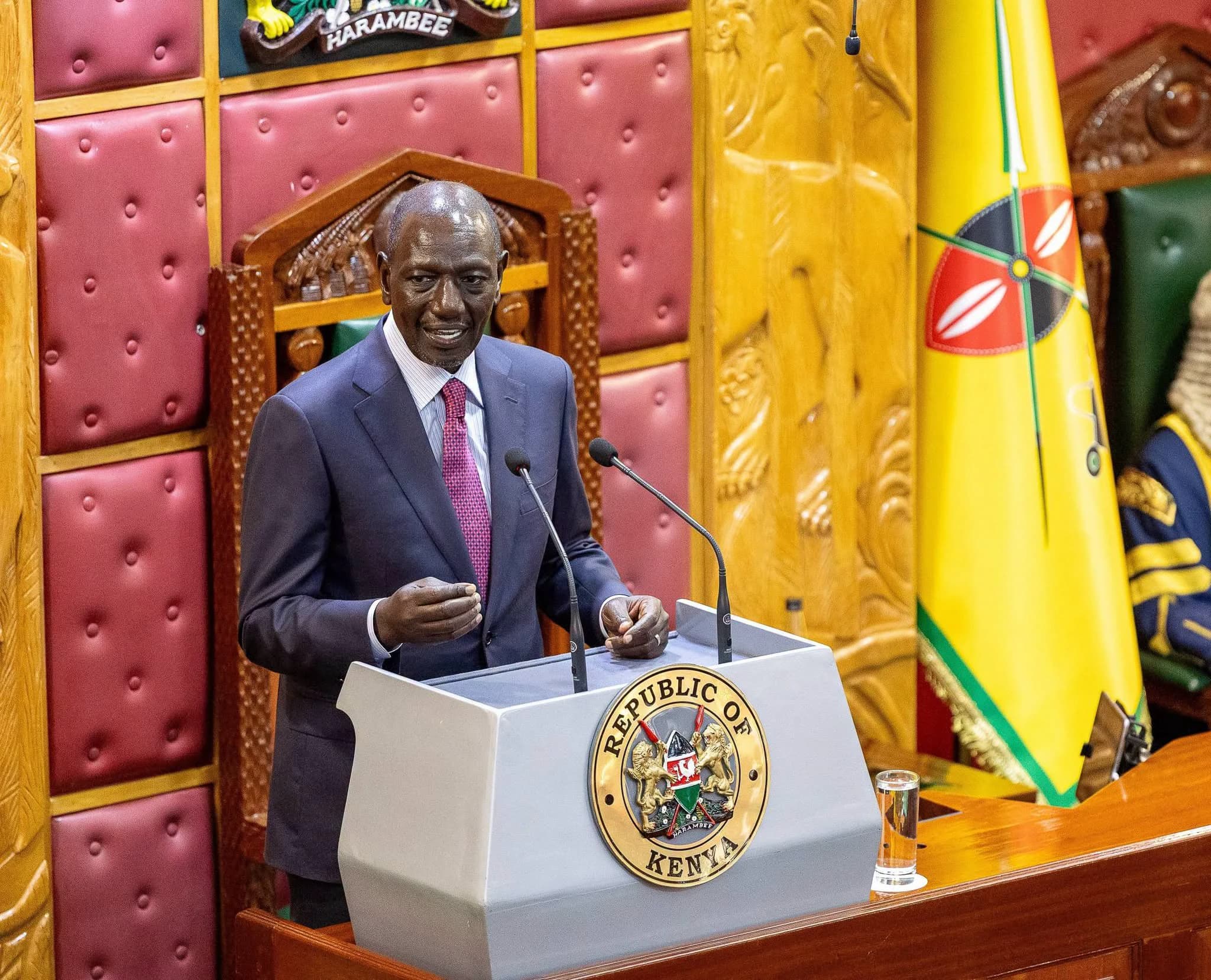
Speaking at Nzoia Sugar Factory in Bungoma County on Monday, November 23, 2026, the President said his government had made significant progress in fulfilling its campaign pledges. He challenged political opponents to present alternative development plans instead of accusing his administration of failing Kenyans.
Ruto said education was among the areas where his administration had made notable interventions, pointing to increased teacher recruitment and investment in school infrastructure. He also defended the implementation of CBE, saying the government had taken steps to strengthen the system while addressing challenges arising from its rollout.
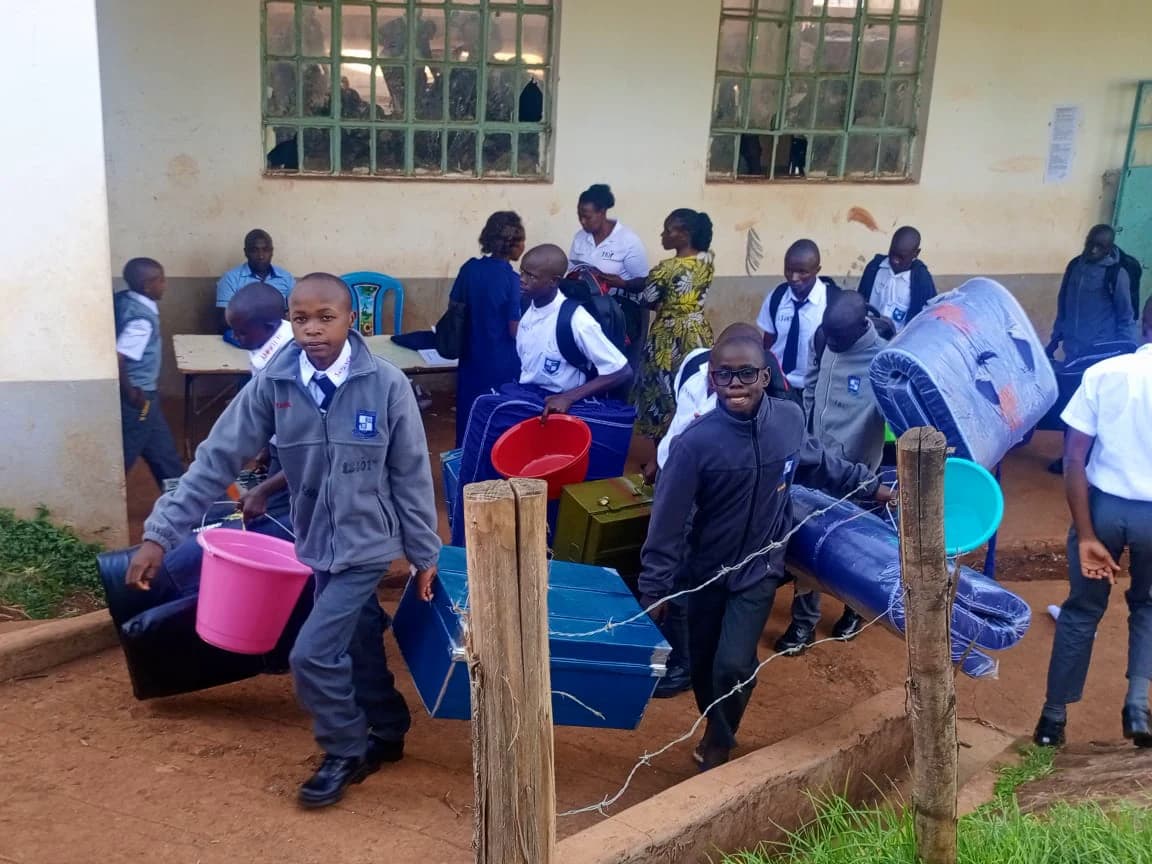
The President said additional classrooms had been constructed and more teachers employed to support learning in schools.
"On education, we have recruited more teachers, constructed additional classrooms and strengthened CBE, alongside reforms to the education funding model," Ruto said.
His remarks come as the government faces pressure to address teacher shortages, improve school funding and provide adequate infrastructure for the transition to senior school.
Teacher recruitment has remained a major issue, particularly following the expansion of junior secondary education and growing demand for specialised teachers under the competency-based system. The Teachers Service Commission (TSC) has been at the centre of the staffing debate, with stakeholders calling for more permanent and pensionable employment opportunities and improved teacher welfare.
Ruto also cited reforms to the education funding model, although the financing framework has continued to attract debate over school allocations, the adequacy of capitation and the financial burden on parents. School administrators and education stakeholders have raised concerns over delayed and inadequate funding, and have called on the government to ensure that public institutions receive sufficient resources to meet operational costs.
The President's defence of CBE comes as the country prepares for another major transition, with the second cohort of learners expected to join Grade 10 in January 2027. The transition will place additional demands on schools, particularly in terms of classrooms, laboratories, workshops, learning materials and teachers with the required subject specialisations. The government will therefore face scrutiny over its preparedness to accommodate the incoming senior school learners.
Beyond education, Ruto cited interventions in agriculture, healthcare and infrastructure as evidence of his administration's performance.
He said the Social Health Authority (SHA) had expanded the number of Kenyans covered by the national health safety net from eight million to 33.7 million. On infrastructure, he pointed to the construction of 7,000 kilometres of roads, the extension of the Standard Gauge Railway from Naivasha and the affordable housing programme.
The President maintained that his administration had a record that Kenyans could use to evaluate its performance, challenging those seeking to replace him to explain what they would do differently. He said the country's future should be determined by leaders with clear development agendas rather than political rhetoric.
Reader Discussion (0)
Sign in to comment