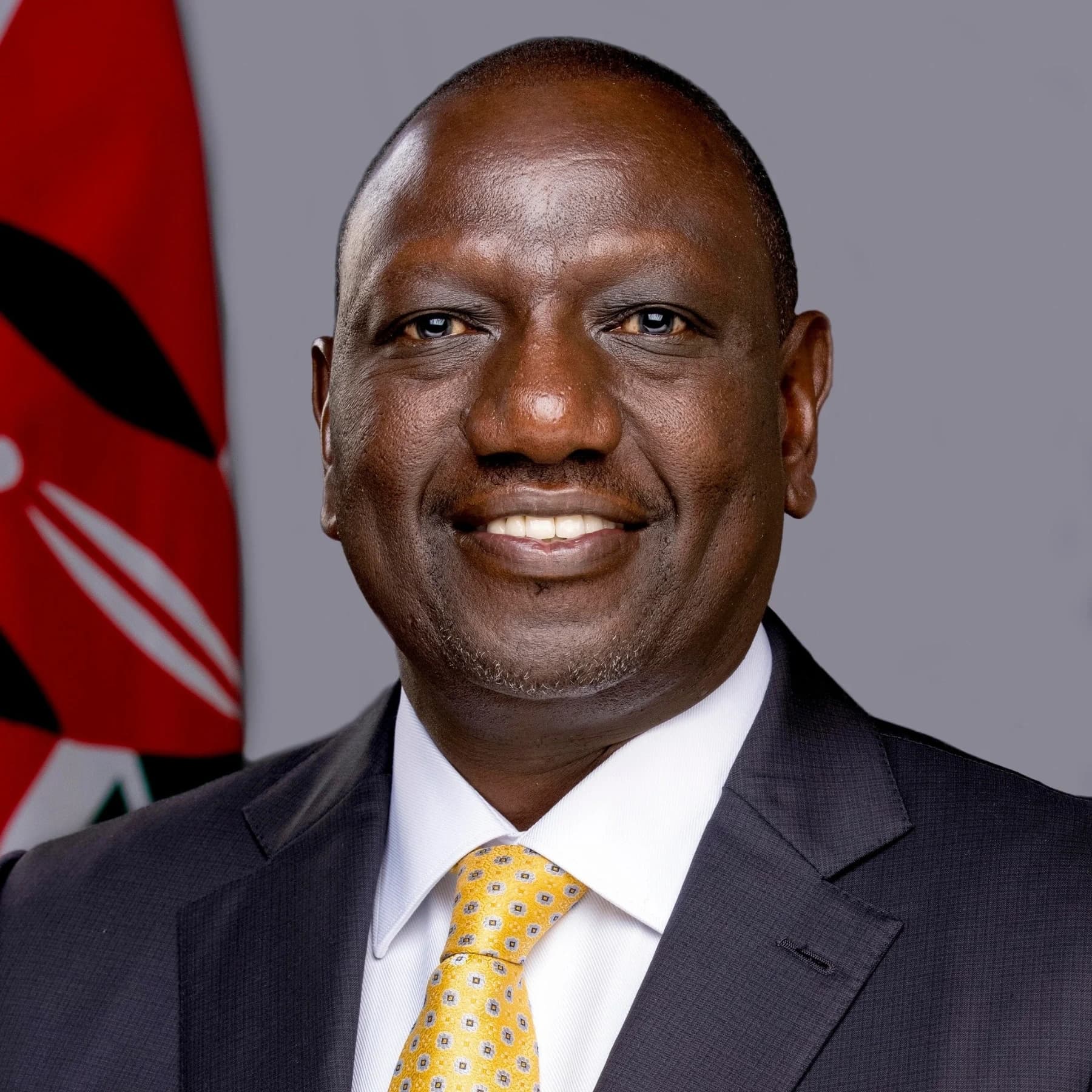

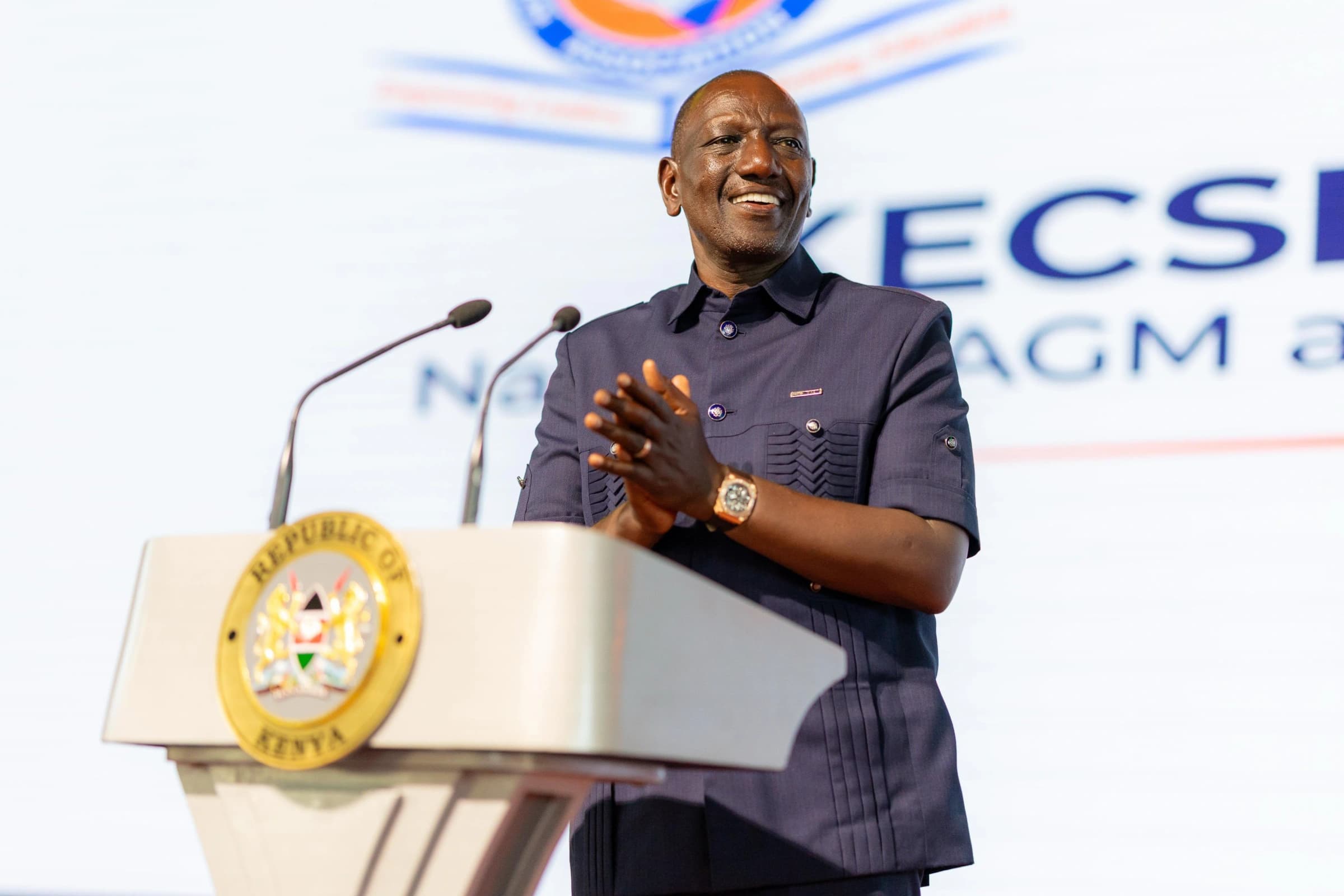
The announcement, made on November 20, 2026, during the foundation stone-laying ceremony for Lunyofu Sports Academy in Budalangi, Busia County, places BOM teachers’ employment at the centre of the government’s education financing agenda.
Ruto said his administration intended to take over responsibility for paying teachers currently employed by school Boards of Management, arguing that parents should not be compelled to finance additional teaching staff in public schools.
“My brothers and sisters in Busia, we must also address the money used to pay Board of Management (BOM) teachers. As for all the BOM teachers here, I want to place them on the government payroll so that parents will no longer be asked to pay money to support the employment of teachers in schools,” the President said.
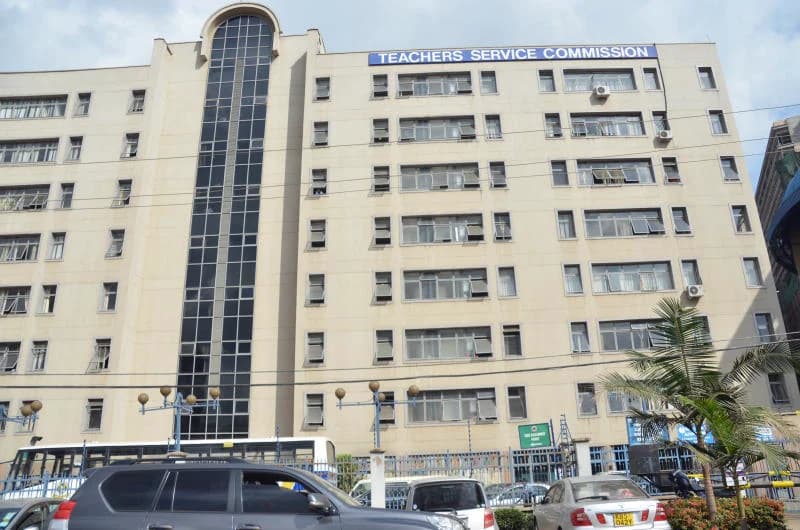
The declaration could mark a significant shift in public school staffing. For years, BOM teachers have helped institutions where Teachers Service Commission (TSC) staffing levels have not matched enrolment, subject requirements and expanding learning programmes.
In some schools, these teachers have become indispensable, taking classroom responsibilities that would otherwise place additional pressure on overstretched staff.
Unlike their TSC-employed counterparts, however, many work under school-based arrangements, with salaries dependent on the financial capacity of individual institutions and parents.
The arrangement has created an uncomfortable contradiction in public education. Families are expected to support their children’s learning, but they also face demands to finance teachers needed to keep schools operating effectively.
Ruto’s announcement therefore addresses two interconnected concerns: teacher shortages and the financial burden transferred to households when public institutions cannot adequately meet their staffing needs.
Implementation details awaited
Absorbing BOM teachers into the government payroll would be a substantial undertaking. The government and TSC would need to establish the number of eligible teachers, verify their professional qualifications, determine the recruitment framework and provide the necessary funding.
It remains important to clarify whether the proposal would involve direct absorption, competitive recruitment or a phased transition subject to established employment requirements.
The geographical scope also requires clarification. While the announcement has raised wider expectations, the President’s reference to BOM teachers “here” leaves questions about which teachers would initially benefit.
A presidential announcement does not, by itself, constitute a formal TSC appointment.
Ruto also reiterated plans to recruit an additional 20,000 teachers in December, following what he described as the recruitment of 100,000 teachers under his administration.
The proposed recruitment comes as schools adjust to Competency-Based Education, the expansion of Junior School and staffing requirements across different learning areas.
Its success will depend on whether deployment addresses the most pressing shortages, particularly in institutions that have relied heavily on BOM teachers.
For school-employed teachers, the latest announcement raises expectations of predictable salaries, greater stability and improved professional security.
For parents, it offers the possibility of relief from an expense that should not become a permanent substitute for adequate public education financing.
Youth employment programmes
Beyond teacher recruitment, Ruto outlined plans to expand paid internship opportunities to 50,000 from January 2027.
He said the programme would target graduates from universities, colleges, TVET institutions and Kenya Medical Training Colleges, with successful interns receiving KSh25,000 monthly while gaining workplace experience.
The President also highlighted the NYOTA programme, saying young people who missed earlier opportunities would have another chance in the next phase.
He said the phase was expected to benefit 200,000 young people, with each beneficiary receiving KSh50,000.
On practical skills development, Ruto said the government intended to train and certify 600,000 young people through the On-the-Job Experience programme.
The initiative seeks to bridge the gap between academic training and the practical competencies employers require.
He added that beneficiaries would receive assistance to register businesses that could compete for government tenders.
The President also discussed overseas employment opportunities through bilateral partnerships, promising faster passport processing for job seekers, air-ticket assistance and measures to monitor the welfare of Kenyans working abroad.
He challenged political leaders to present credible economic programmes for young people rather than mobilising them for political activities without offering meaningful responses to unemployment.
For the education sector, however, the immediate focus remains the proposed employment of BOM teachers and the steps required to implement it.
A clear framework would help teachers understand who qualifies, when recruitment might begin and what employment terms would apply.
Adequate funding and formal guidance will be essential if the announcement is to translate into stronger staffing and reduced financial pressure on parents.
Reader Discussion (0)
Sign in to comment