



Concerns are growing over whether senior schools are ready to admit the second cohort of Competency-Based Education (CBE) learners moving to Grade 10, as the Ministry of Education races to place them before schools reopen in January 2027.
The Kenya Junior School Education Assessment (KJSEA) results are expected in December 2026, leaving the Ministry with a tight window to place learners completing Junior School (JS) in suitable senior schools. The transition is raising questions about whether the country has adequate classrooms, laboratories, teachers and learning resources for the incoming learners.
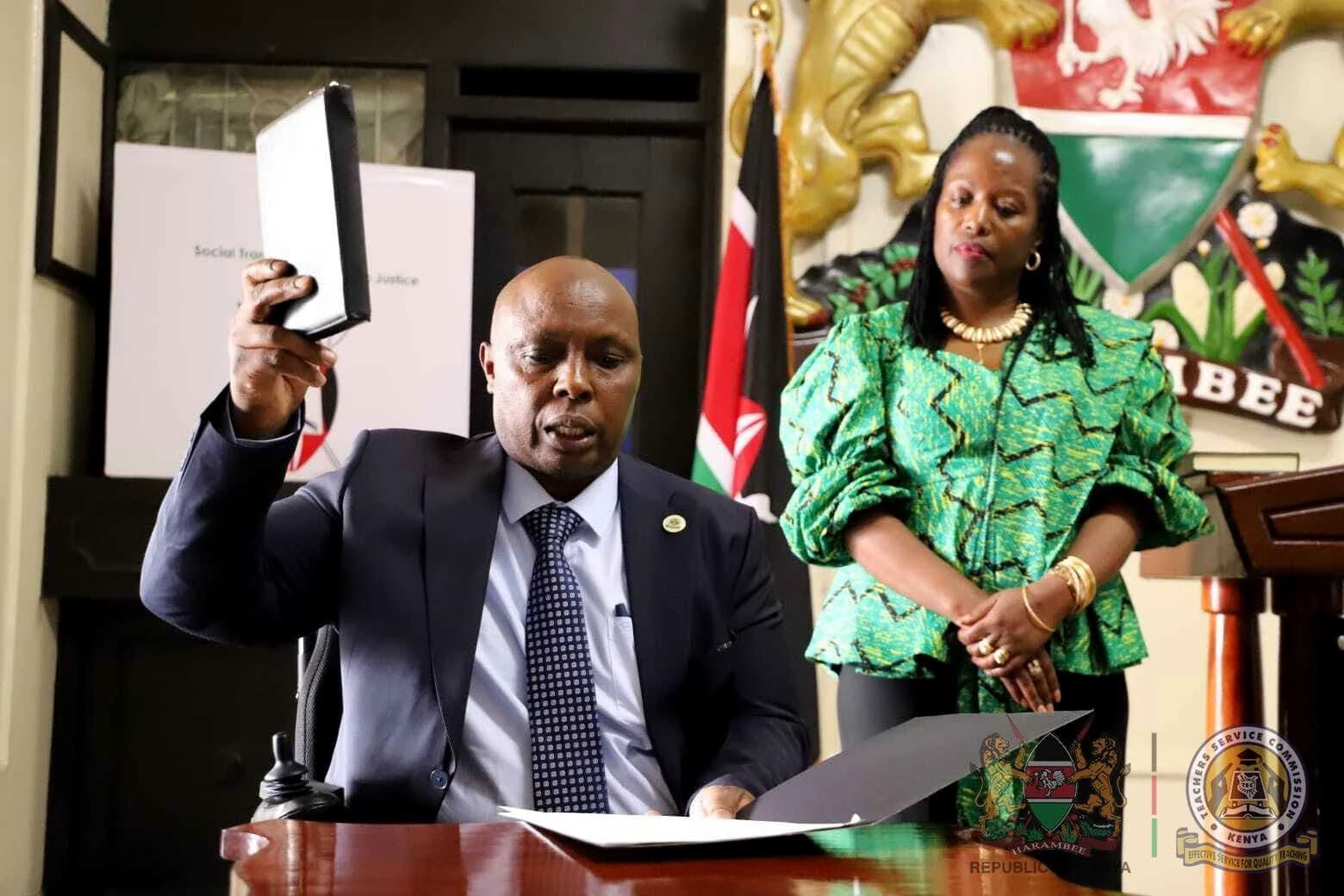
Education Cabinet Secretary Julius Ogamba has announced that the 2026 KJSEA results will be released in December to allow the Ministry to complete Grade 10 placement before the January 2027 academic year begins.
The Kenya National Examinations Council (KNEC) is processing the assessment, with 13,484 examiners marking structured questions across 24 centres, while multiple-choice questions are undergoing machine scoring. The Ministry has prioritised the processing of the results to meet the December deadline.
However, the tight schedule leaves little room for administrative delays, particularly given the scale of coordinating placements across the country.
The challenge extends beyond releasing results and assigning learners to schools. Senior institutions must be equipped to offer the different pathways under the new curriculum, including the specialised facilities and teaching personnel each requires.
Schools expected to admit learners under the Science, Technology, Engineering and Mathematics (STEM), Social Sciences, and Arts and Sports Science pathways must demonstrate their capacity to deliver the respective programmes.
Staffing is another major concern, as institutions need teachers trained and qualified in specific subject areas to support learners according to their chosen pathways. The transition could also expose disparities between well-equipped schools and those that still lack essential infrastructure and teaching resources.
The placement exercise will be critical in determining whether learners are assigned to institutions that match their interests, abilities and preferred pathways, while taking into account available facilities.
There are also concerns about how the Ministry will handle appeals from parents and learners dissatisfied with their placements, especially where schools offering their preferred pathways have limited vacancies.
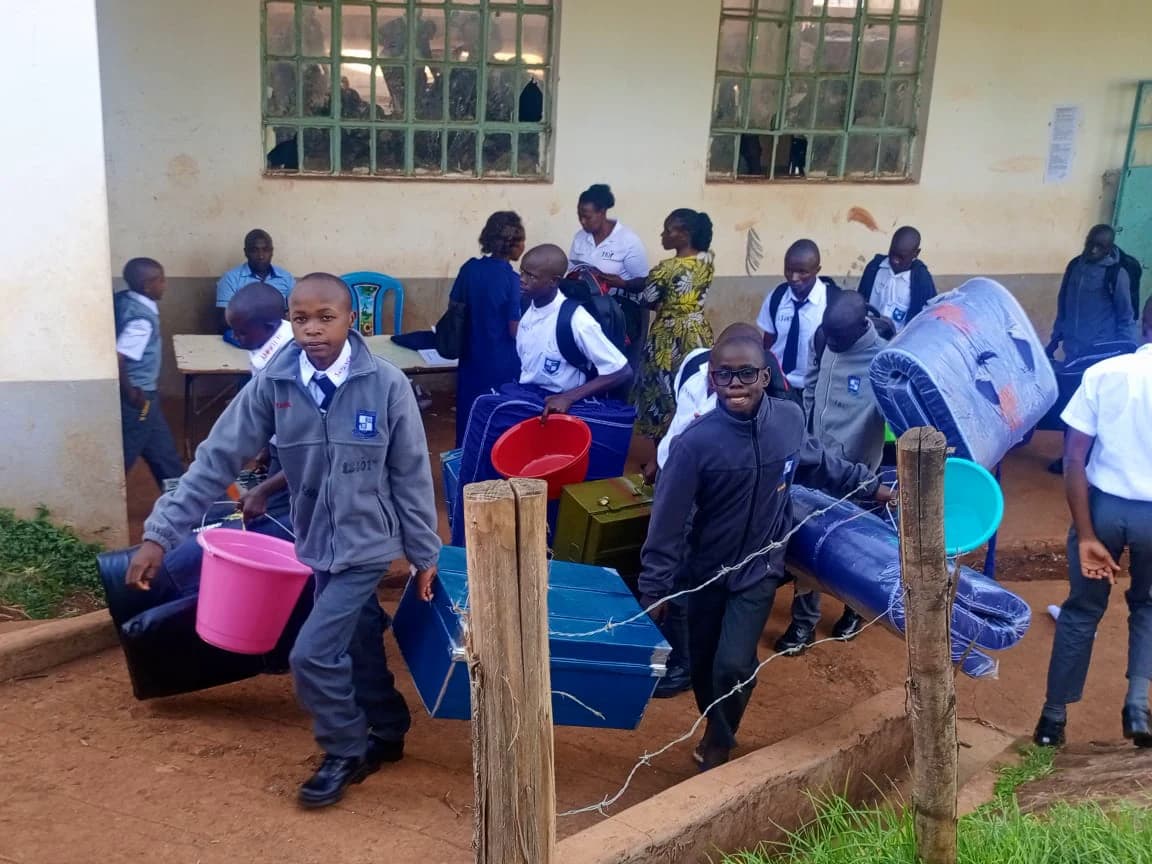
Parents are also expected to feel the pressure as they prepare for new school requirements, including uniforms, transport, accommodation, meals and learning materials. Families whose children secure placements far from home, particularly in boarding schools, could face additional financial obligations.
The success of the transition will ultimately depend on whether the government can match the incoming learners with adequately equipped schools, sufficient teachers and affordable learning opportunities. As the second CBE cohort prepares to enter senior school, the readiness of institutions remains a major test for the new education system.



Reader Discussion (0)
Sign in to comment