



Residents of Turkana County are demanding greater investment in the region where the Turkana Boy fossil was discovered, after the government announced plans to exhibit the original remains in Nairobi.
While the proposed exhibition is expected to attract local and international visitors, communities in Nariokotome, where the remains were unearthed, say the recognition should translate into tangible economic opportunities and improved tourism facilities in their area.
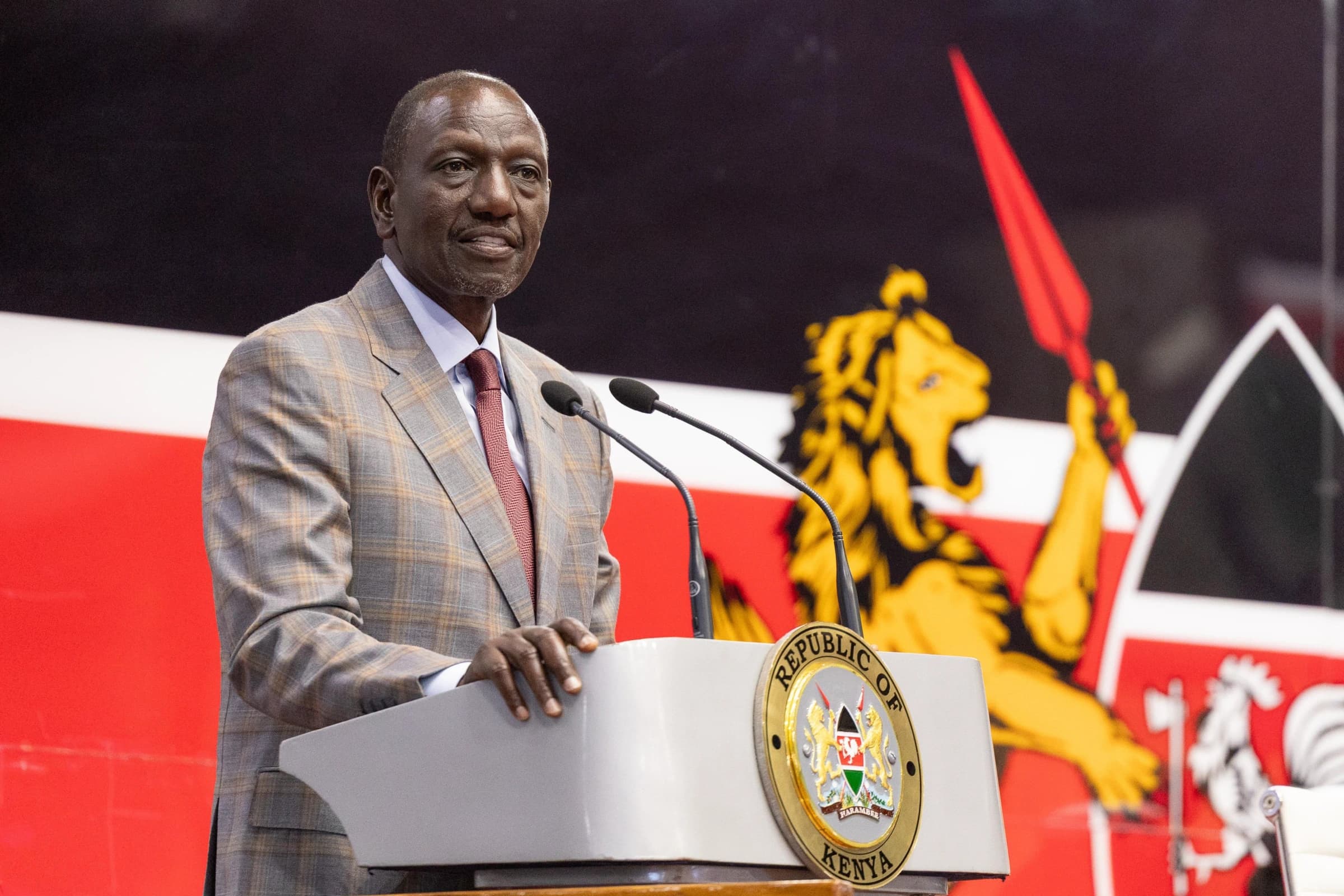
President William Ruto recently announced plans to make the original remains accessible to the public after decades in a secure facility at the National Museums of Kenya (NMK).
The government has identified Uhuru Gardens National Monument in Nairobi as the proposed exhibition venue, with NMK expected to manage the facility and preserve the fossil. The government has yet to announce the date when the original remains will be moved and displayed.
The plan has renewed debate over whether communities in northern Kenya have benefited sufficiently from a discovery that placed the country prominently on the global map of human evolution.
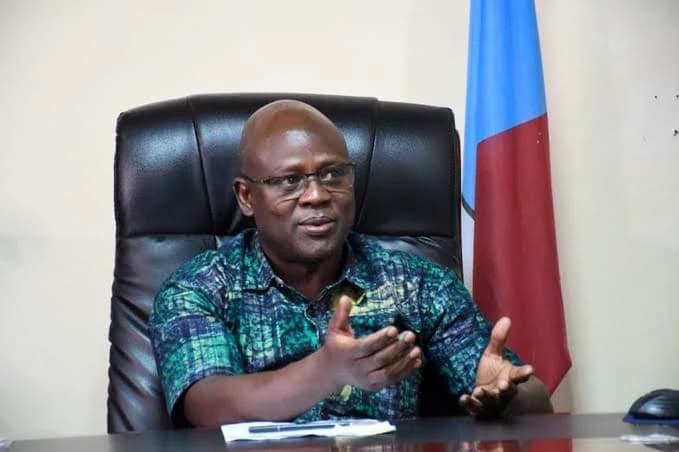
Turkana Deputy Governor John Erus welcomed the planned exhibition, saying it offered an opportunity to recognise the county's contribution to scientific research and human history. He argued that displaying the original remains would give the region greater international visibility while opening opportunities for heritage tourism and economic development.
Erus also called for the completion of the proposed science park at Kalokol, saying the region needed supporting infrastructure to attract researchers and tourists.
Tourism stakeholders believe Nairobi could serve as an international entry point for visitors interested in the discovery, but insist that Nariokotome and the wider Lake Turkana Basin should also be developed as major heritage destinations.
Turkana communications expert John Emeripus said the capital should introduce the discovery to international audiences while the actual site should offer visitors a deeper experience of its historical significance. He proposed the establishment of tourism facilities and an annual heritage festival incorporating scientific exhibitions, cultural performances, educational tours and investment forums.
Such initiatives, he argued, could create business opportunities for local communities, particularly young people and women working in hospitality, transport, handicrafts and other tourism-related enterprises.
For residents of Nariokotome, the issue goes beyond the relocation of an ancient fossil. Resident Asukuru Esekon said he had only seen a replica of the skeleton and had never seen the original remains.
Residents have previously called for the government to ensure that the community benefits from the discovery through improved education, healthcare, water services and tourism-related investments.
The discovery site has a monument displaying an artistic representation of the fossil, but residents say the area still lacks a fully developed museum, adequate visitor facilities and proper interpretation services. Although the county fenced off the site and established a monument, the anticipated development of a museum and other tourism infrastructure has yet to meet residents' expectations.
The fossil was discovered in 1984 at Nariokotome, near Lake Turkana, by Kenyan fossil hunter Kamoya Kimeu, who was part of a research team led by palaeoanthropologist Richard Leakey.
The approximately 1.6-million-year-old skeleton belongs to Homo erectus and is considered one of the most complete early human skeletons ever recovered. Scientists estimate that the individual was between eight and 12 years old when he died. The discovery provided valuable evidence for studying human anatomy, growth and evolution.
The original remains have been preserved at NMK, while visitors have traditionally viewed a replica.
Residents and tourism stakeholders now want the Nairobi exhibition to be accompanied by deliberate investment in the discovery's birthplace, warning that international recognition alone will not improve livelihoods in Nariokotome.
Reader Discussion (0)
Sign in to comment