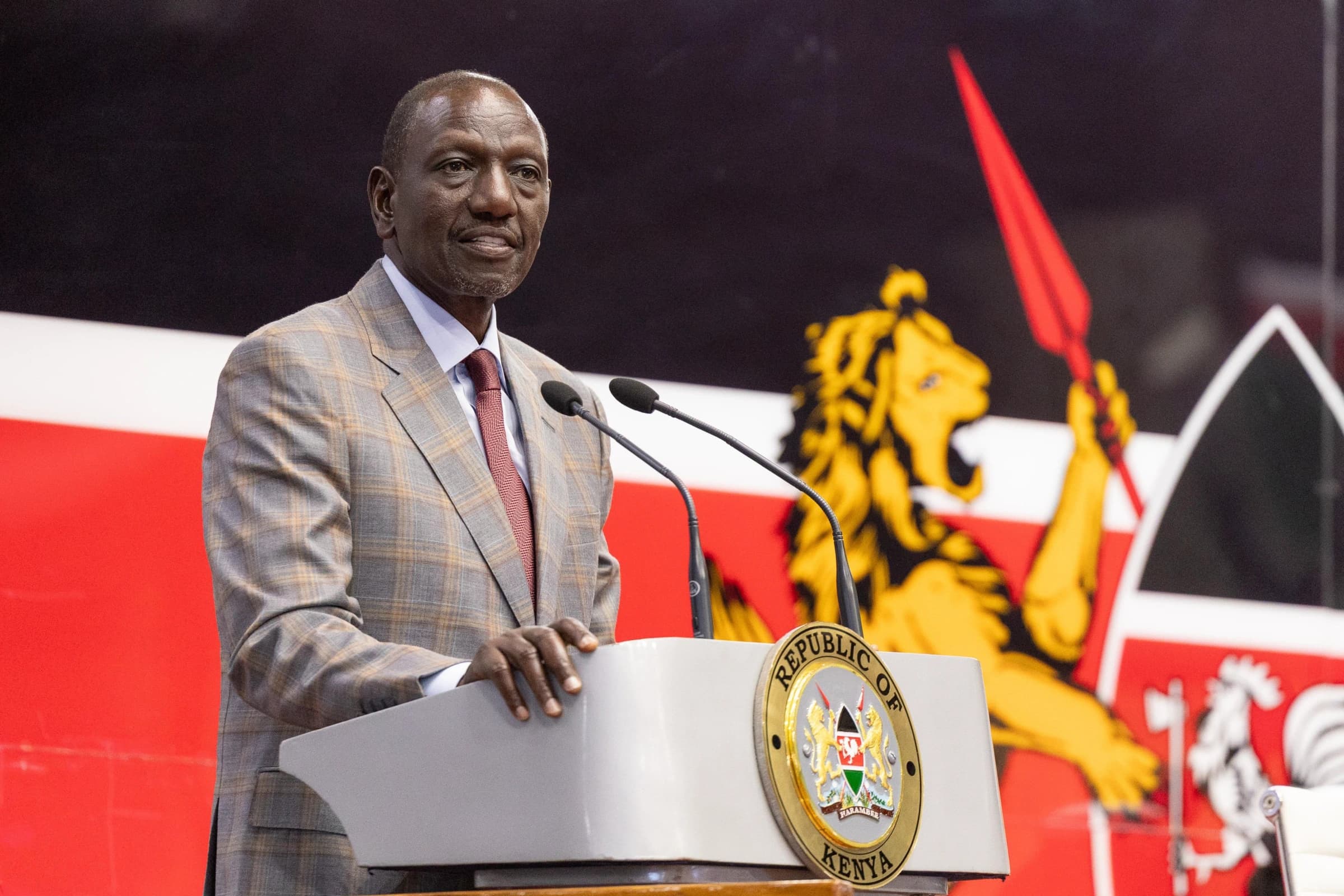
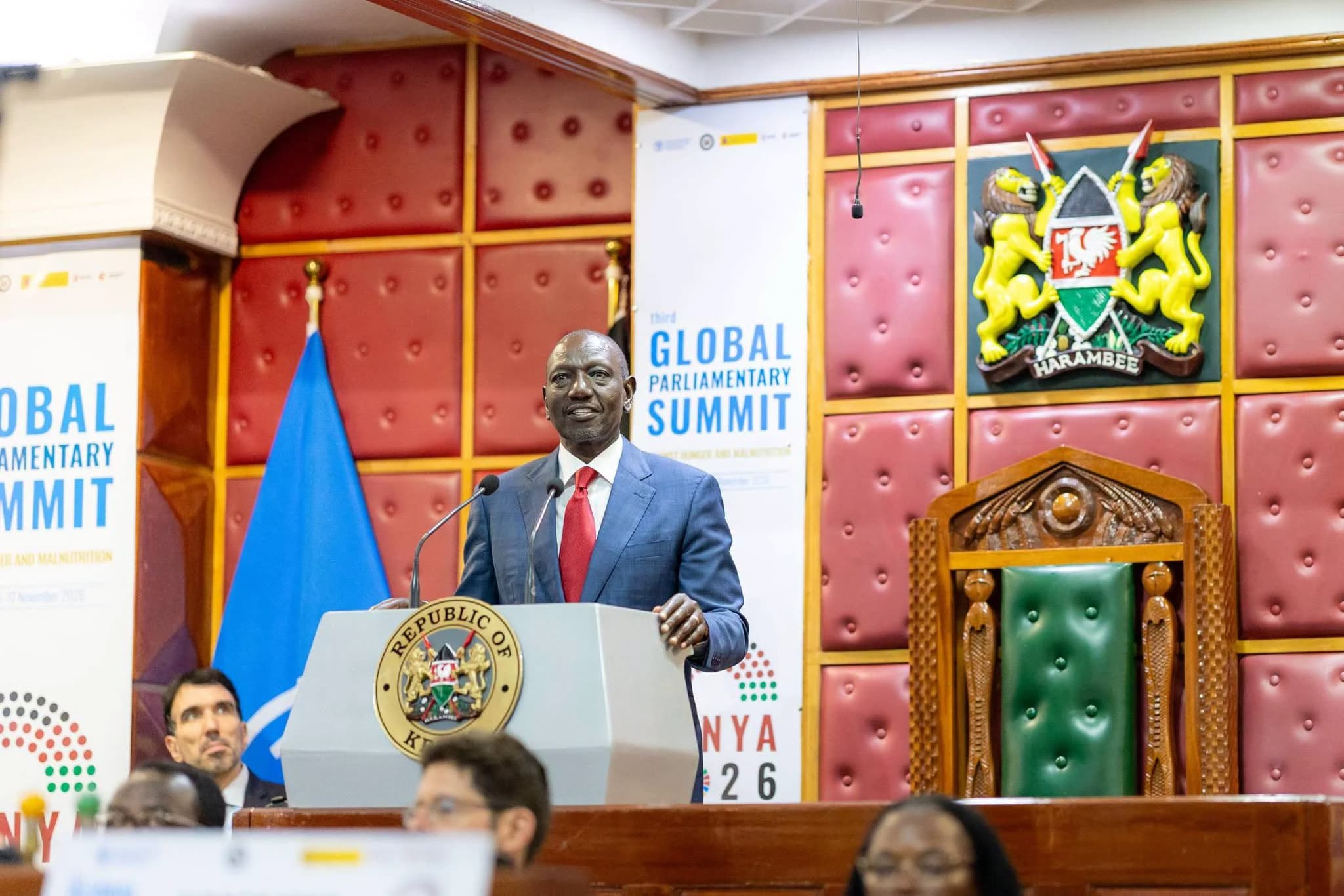
Kenya is preparing to bring one of humanity's most important scientific finds into public view, following President William Ruto's announcement that the original remains of the world-famous Turkana Boy will be made accessible to visitors in Nairobi.
The planned exhibition is expected to end decades of limited public access to one of the most significant archaeological discoveries made on African soil. Visitors will be able to view the actual fossil and not the replica traditionally used to represent the ancient skeleton.
Discovered in northern Kenya more than four decades ago, Turkana Boy has become a central reference in scientific investigations into human evolution. The approximately 1.6-million-year-old remains have helped researchers understand the physical characteristics, growth patterns and evolutionary development of early human ancestors.
For Kenya, the proposed display is not simply a museum development. It is an opportunity to showcase a discovery that placed the country at the heart of the global search for humanity's origins.(Education News Kenya — https://educationnews.co.ke/news/kenya-to-show-original-turkana-boy-remains-to-public-for-the-first-time-says-ruto)
The story began in 1984 at Nariokotome, near the western shores of Lake Turkana in northern Kenya. Kenyan fossil hunter Kamoya Kimeu, working with a research team led by palaeoanthropologist Richard Leakey, discovered a skull fragment that eventually led to the recovery of an exceptionally complete early human skeleton.
The discovery attracted international attention because researchers had rarely found such a well-preserved set of bones belonging to one early human individual. The fossil was catalogued as KNM-WT 15000 and became popularly known as Turkana Boy or Nariokotome Boy. Scientific examination established that the remains belonged to a young male Homo erectus who lived about 1.5 to 1.6 million years ago. His skeleton gave researchers an unusually comprehensive opportunity to examine the anatomy of an early human ancestor, making the find one of the most important milestones in palaeoanthropology.
Turkana Boy is believed to have died between the ages of eight and 12. Despite his young age, his physical development was striking. Researchers estimate that he was about 1.6 metres tall, with long legs and body proportions that closely resembled those of modern humans.
His skeletal structure showed how far early human ancestors had evolved from earlier hominins, particularly in their ability to walk upright and travel across the landscape. The discovery gave scientists valuable evidence about how the human body gradually acquired features associated with modern humans. His teeth, skull, limbs and other bones also offered clues about childhood development, growth and physical maturity among early human populations. In particular, the fossil helped researchers investigate whether early humans experienced the prolonged childhood development that is characteristic of modern humans.
Why Turkana Boy matters to global science
A rare window into human anatomy. Turkana Boy's exceptionally complete skeleton enabled scientists to study the body structure of Homo erectus in considerable detail. It provided evidence on the development of the skull, spine, limbs and other skeletal features.
How humans learned to walk and run. His long legs and relatively modern body proportions showed that early humans had become increasingly adapted to movement on land. The discovery strengthened scientific understanding of the evolution of long-distance walking and running.
Human growth. Because the fossil belonged to a young individual, it offered an opportunity to examine how early humans developed from childhood towards adulthood. Scientists could study the relationship between dental development, skeletal maturity and physical growth.
The spread of early humans. Homo erectus was among the earliest human species to expand beyond Africa into parts of Asia. Turkana Boy is therefore an important reference for understanding early human migration and adaptation to different environments.
Brain evolution. Examination of the skull showed a brain capacity of about 880 cubic centimetres at the time of death. This gave important evidence for studying changes in brain size and development during human evolution.
The discovery of Turkana Boy reinforced Kenya's international reputation as one of the most important destinations for research into human evolution. The Lake Turkana Basin contains extraordinary fossil deposits that preserve evidence of biological and environmental changes spanning millions of years. Scientists from different parts of the world have worked in the region, uncovering fossils that have contributed to understanding the evolutionary history of early humans and their ancestors. The region's archaeological wealth has also made Kenya an important partner in international scientific research, and Turkana Boy remains among its most celebrated discoveries.
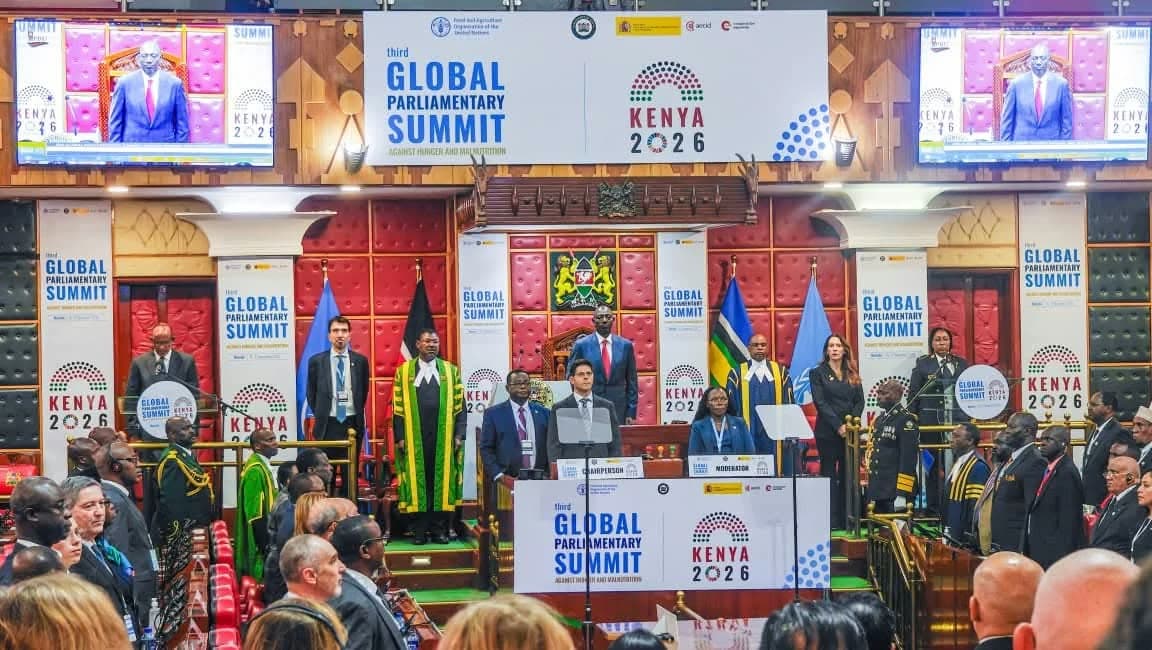
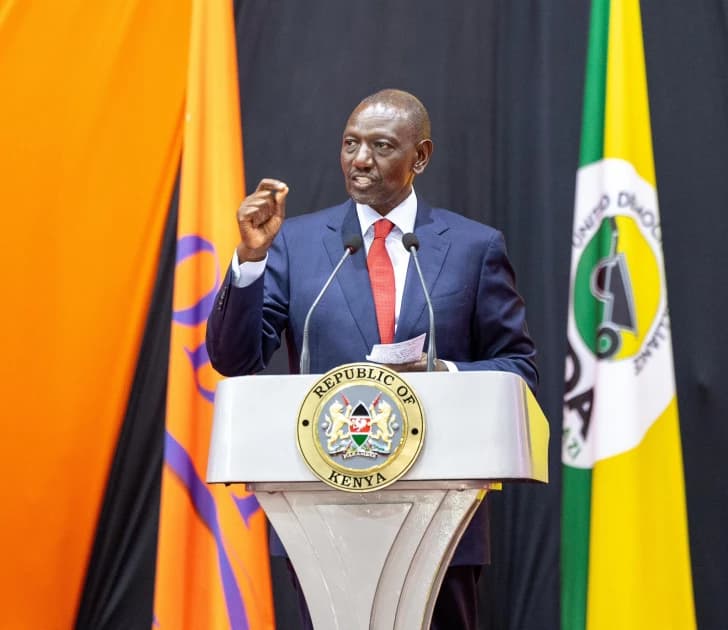
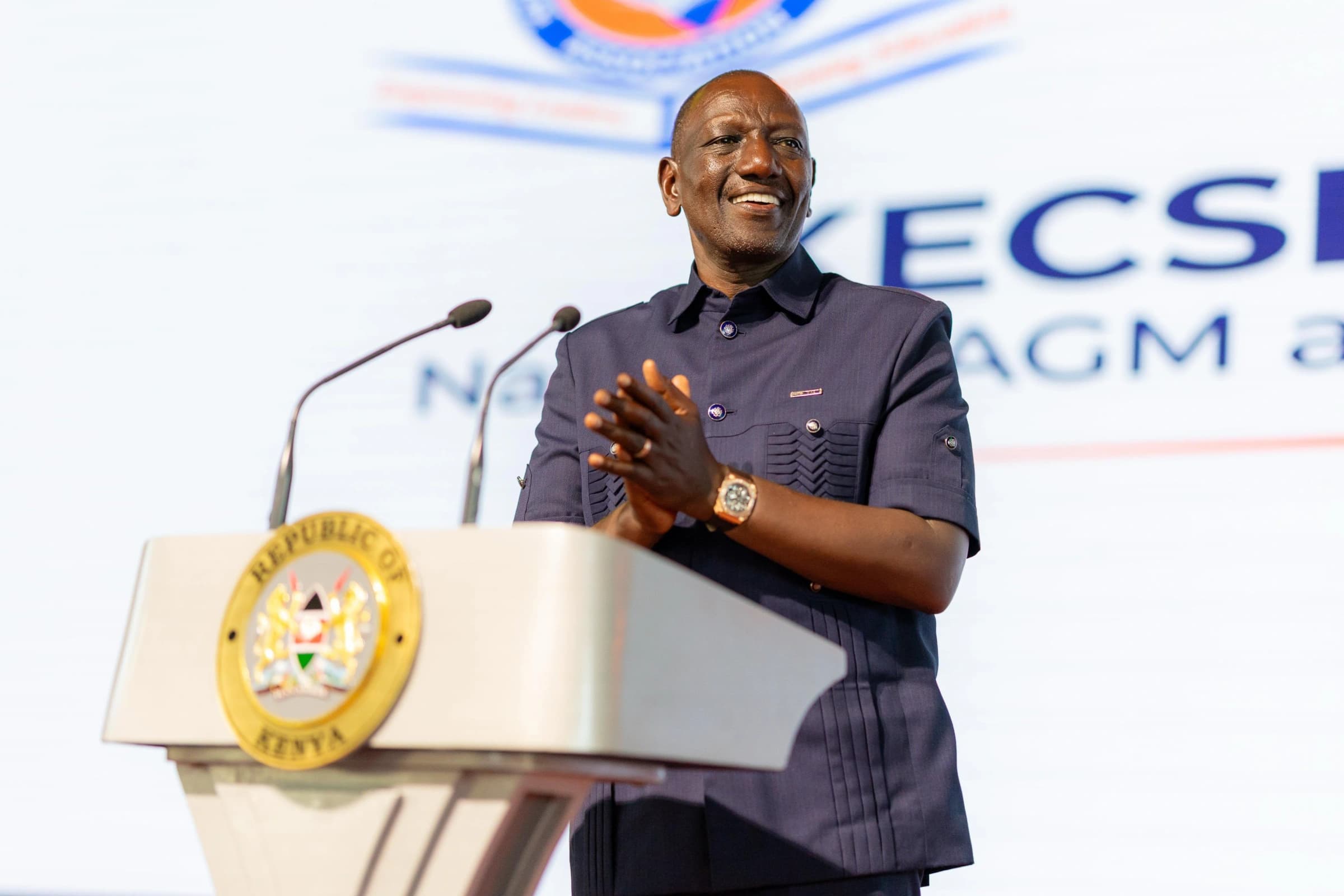
Ruto's announcement on November 16, 2026, that the original Turkana Boy remains would be moved from a secure museum vault to a public space in Nairobi has renewed attention on the fossil. The proposed arrangement would allow visitors to see the original remains rather than rely exclusively on replicas. The move could make the fossil one of the country's major educational and cultural attractions, drawing local and international visitors interested in the history of humanity.
The preservation of the original skeleton must, however, remain a priority. After surviving about 1.6 million years, the remains require specialised conservation arrangements, including controlled temperature, humidity, lighting and security. The National Museums of Kenya will therefore have an important responsibility to ensure that increased public access does not compromise the scientific integrity of the fossil.
The planned exhibition could have significant implications for education. For learners studying biology, history, geography and evolution, seeing the actual Turkana Boy remains would bring scientific concepts to life. Rather than learning about early human ancestors only through textbooks and illustrations, students would have an opportunity to examine one of the most important fossil discoveries in the history of science.
The exhibition could also inspire young Kenyans to pursue careers in archaeology, anthropology, geology, palaeontology and other sciences. Universities, research institutions and schools could use the attraction to promote scientific literacy and interest in Kenya's archaeological heritage.
While Nairobi could become the centre of public exhibition, the historical connection between Turkana Boy and northern Kenya should not be overlooked. Turkana County is where this scientific treasure was found, and its people and institutions deserve recognition in the preservation, interpretation and promotion of the fossil's history. The government should complement the Nairobi exhibition with investments in heritage tourism, museums, research facilities and educational programmes in the Turkana region, so that the international recognition generated by Turkana Boy translates into meaningful opportunities for the community and the wider region.
Turkana Boy is much more than an ancient skeleton. He represents a critical chapter in the scientific investigation of humanity's evolutionary journey. His discovery helped researchers understand how early humans developed physically, adapted to their environments and acquired characteristics that distinguish modern humans from earlier ancestors.
The proposed public exhibition is an opportunity for Kenya to showcase a scientific treasure whose importance extends far beyond national borders. Bringing Turkana Boy closer to the public would remind generations of Kenyans and international visitors that this country is celebrated not only for its wildlife, landscapes and cultural heritage but also for its special place in the scientific history of humankind.




Reader Discussion (0)
Sign in to comment