
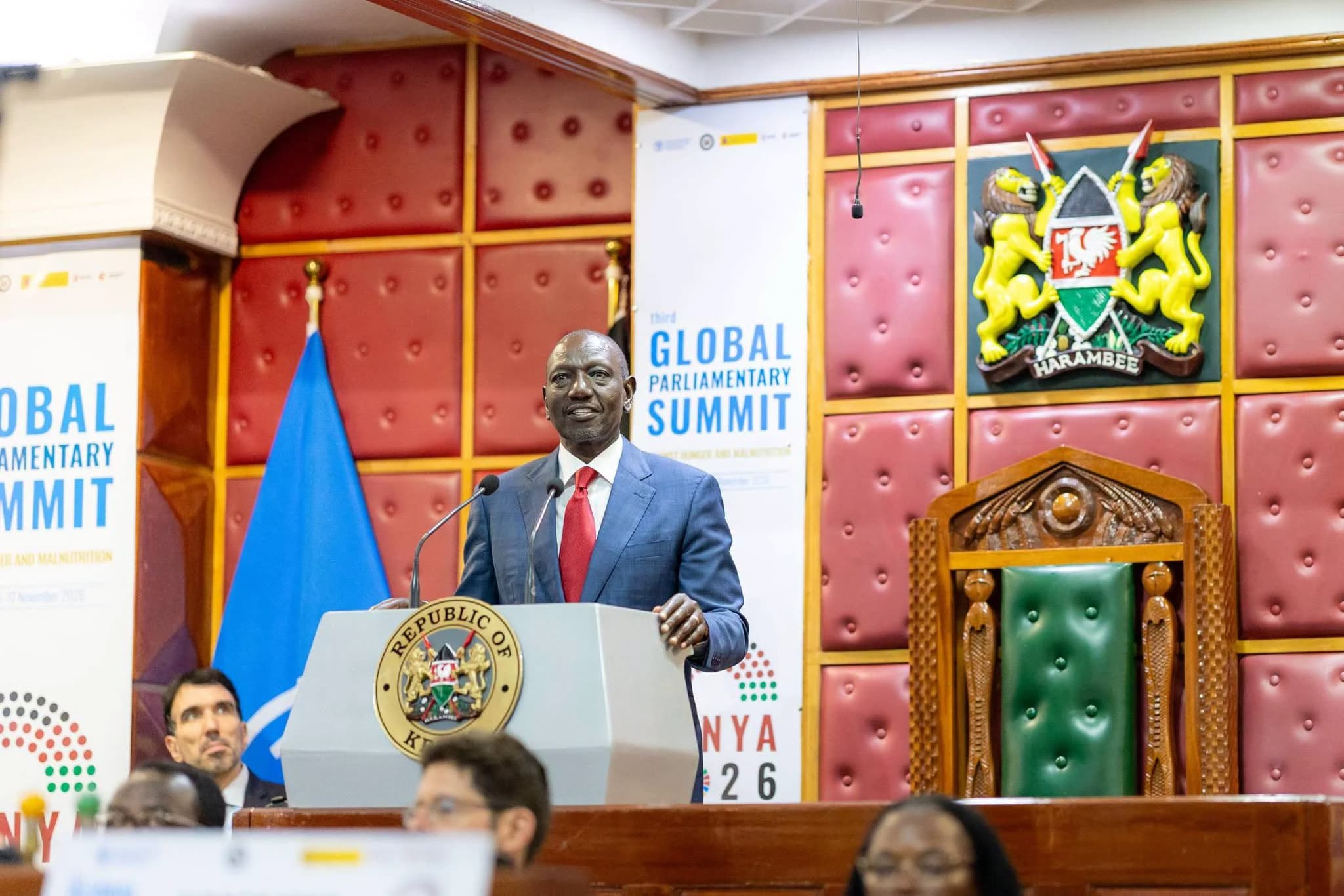
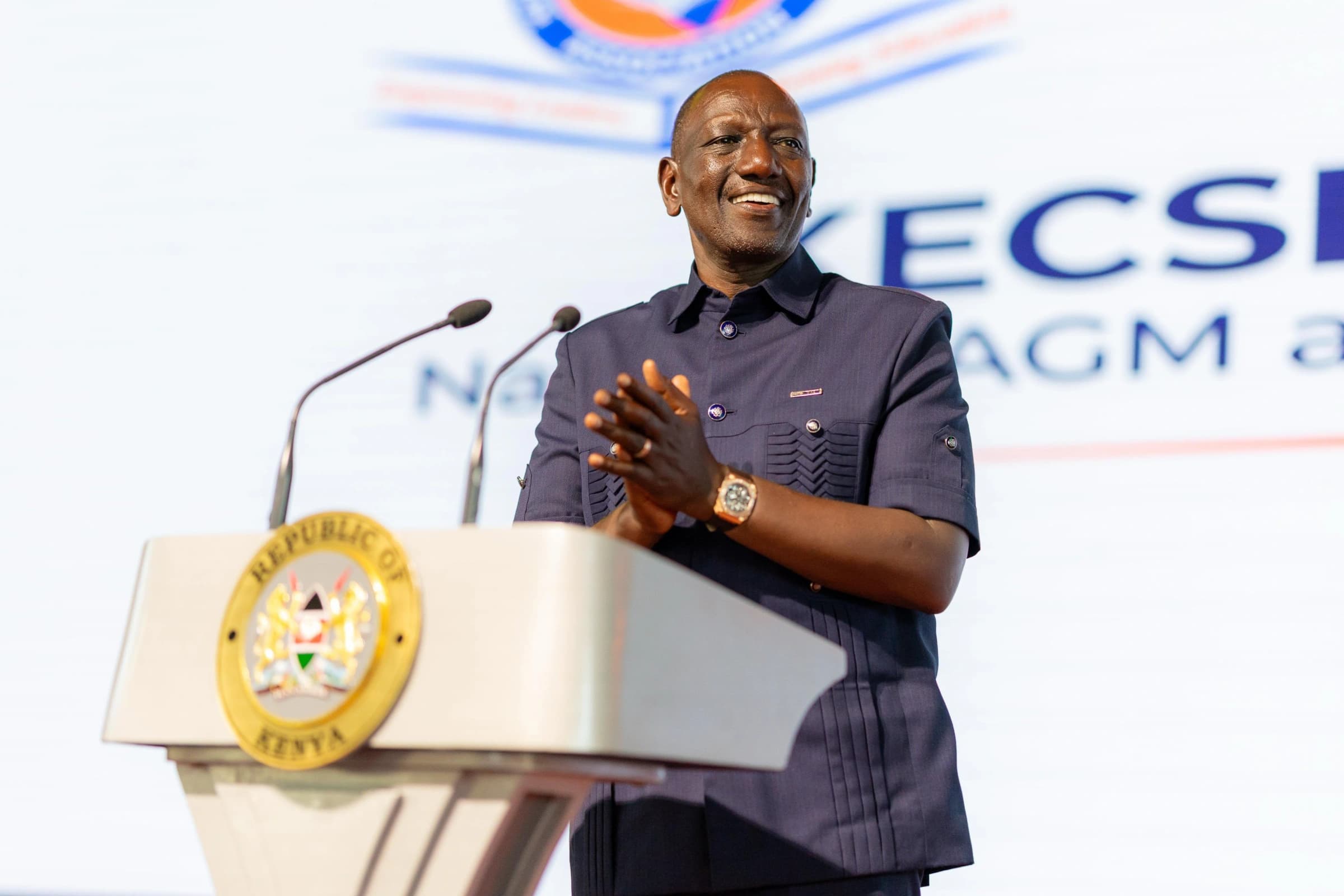

President William Ruto has raised concern over the effect of food insecurity and malnutrition on Kenya's development, warning that poor nutrition remains a major challenge with far-reaching consequences for children's health, education and future productivity.
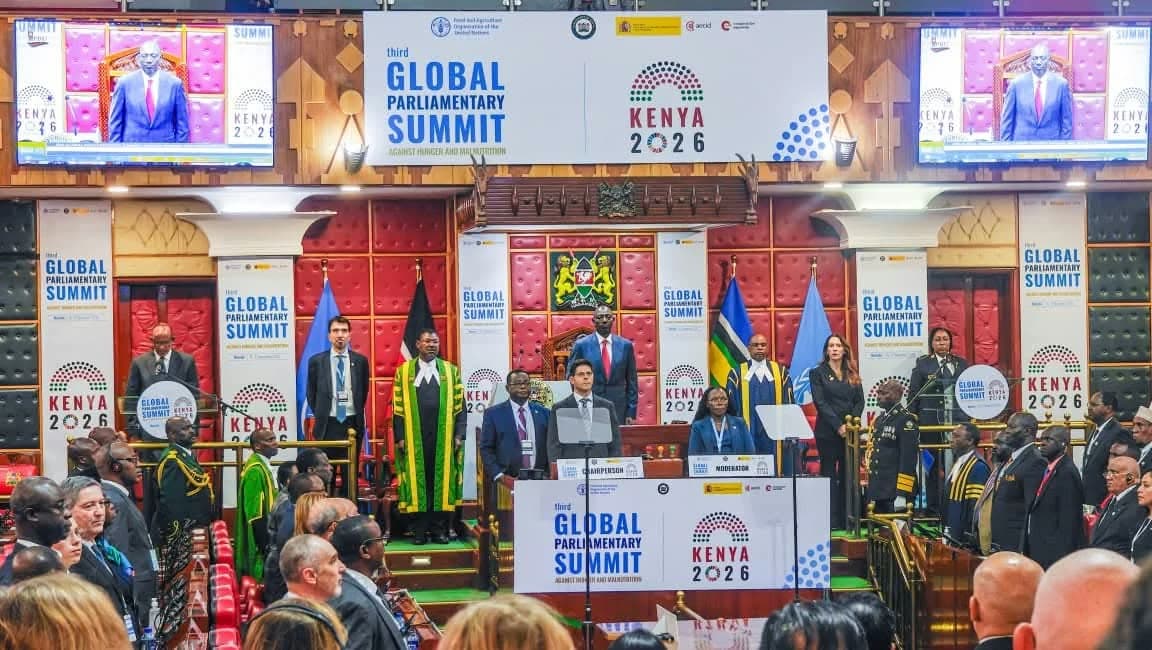
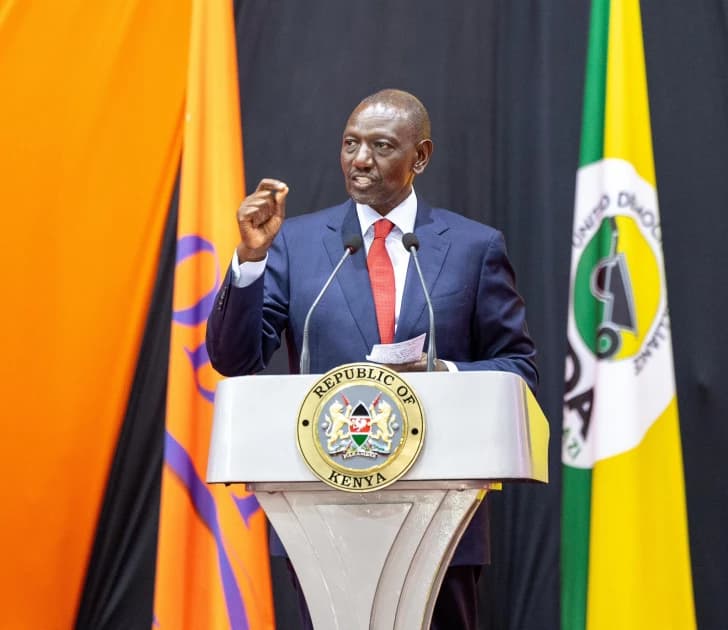
Speaking on Monday, November 16, 2026, during the Global Parliamentary Summit, Ruto said an estimated 2.7 million Kenyans were experiencing crisis levels of food insecurity, with children, pregnant women and breastfeeding mothers among those needing urgent nutritional assistance. He said malnutrition was also placing a significant economic burden on the country, accounting for an estimated 6.9 per cent of the Gross Domestic Product (GDP).
Ruto noted that despite government interventions to increase agricultural production, Kenya had yet to achieve food security, particularly in drought-prone areas. He attributed the persistent food shortages partly to inadequate rainfall in arid and semi-arid regions, which has continued to expose vulnerable communities to hunger and acute malnutrition.
He called for a coordinated approach that addresses both agricultural production and nutrition, saying that improving food availability must go hand in hand with ensuring households can access nutritious meals. The latest assessments, he said, showed the urgency of strengthening interventions for vulnerable groups, especially children and mothers.
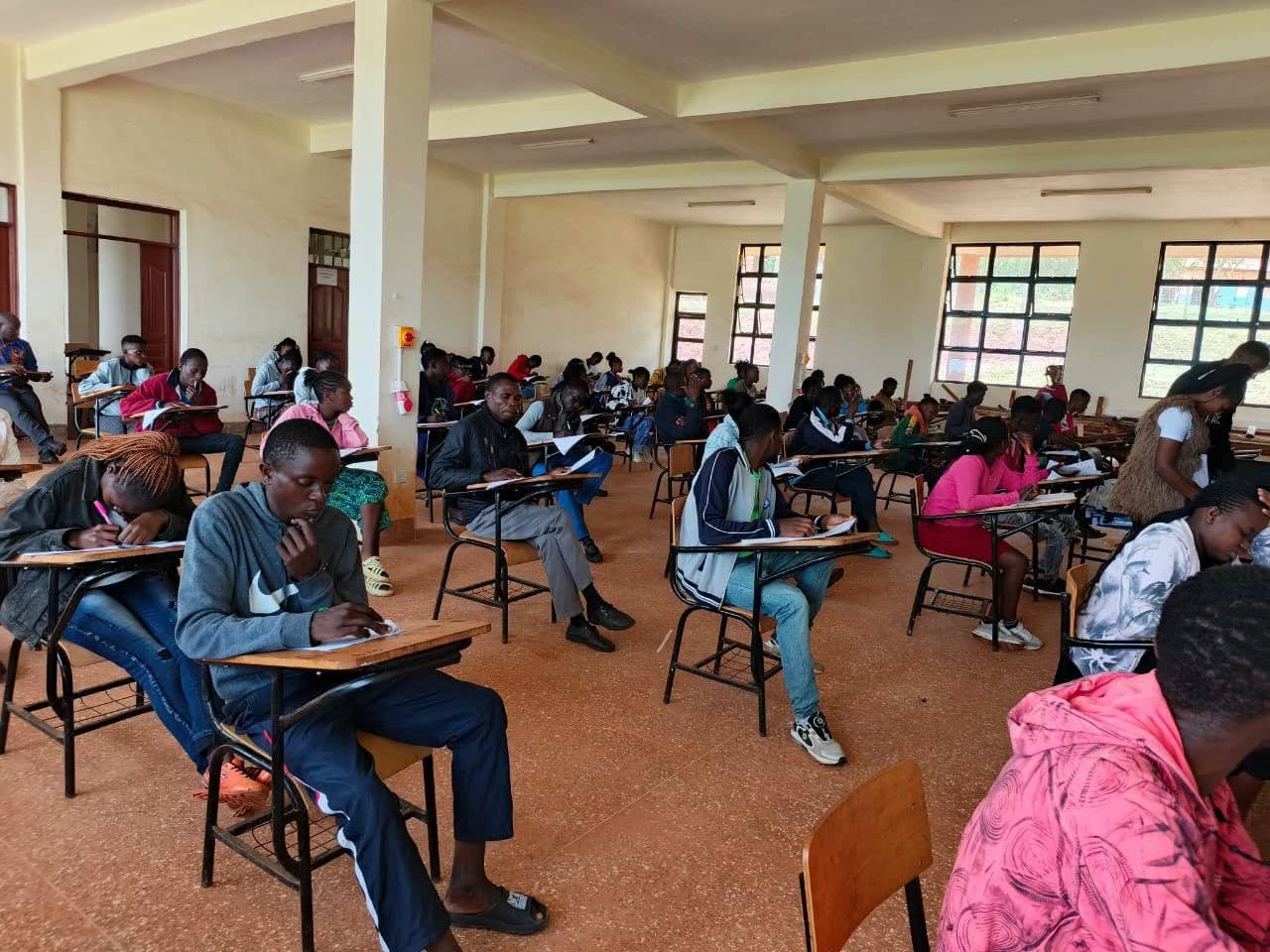
The crisis raises concerns about the welfare and learning outcomes of children from vulnerable households, particularly in drought-affected communities. Poor nutrition among school-going children can undermine concentration, attendance and classroom participation, while hunger can expose learners from disadvantaged families to further barriers to learning.
The concerns come amid growing attention to the link between children's nutrition, school participation and the quality of learning, particularly in communities facing prolonged drought and household food shortages.
Reader Discussion (0)
Sign in to comment