




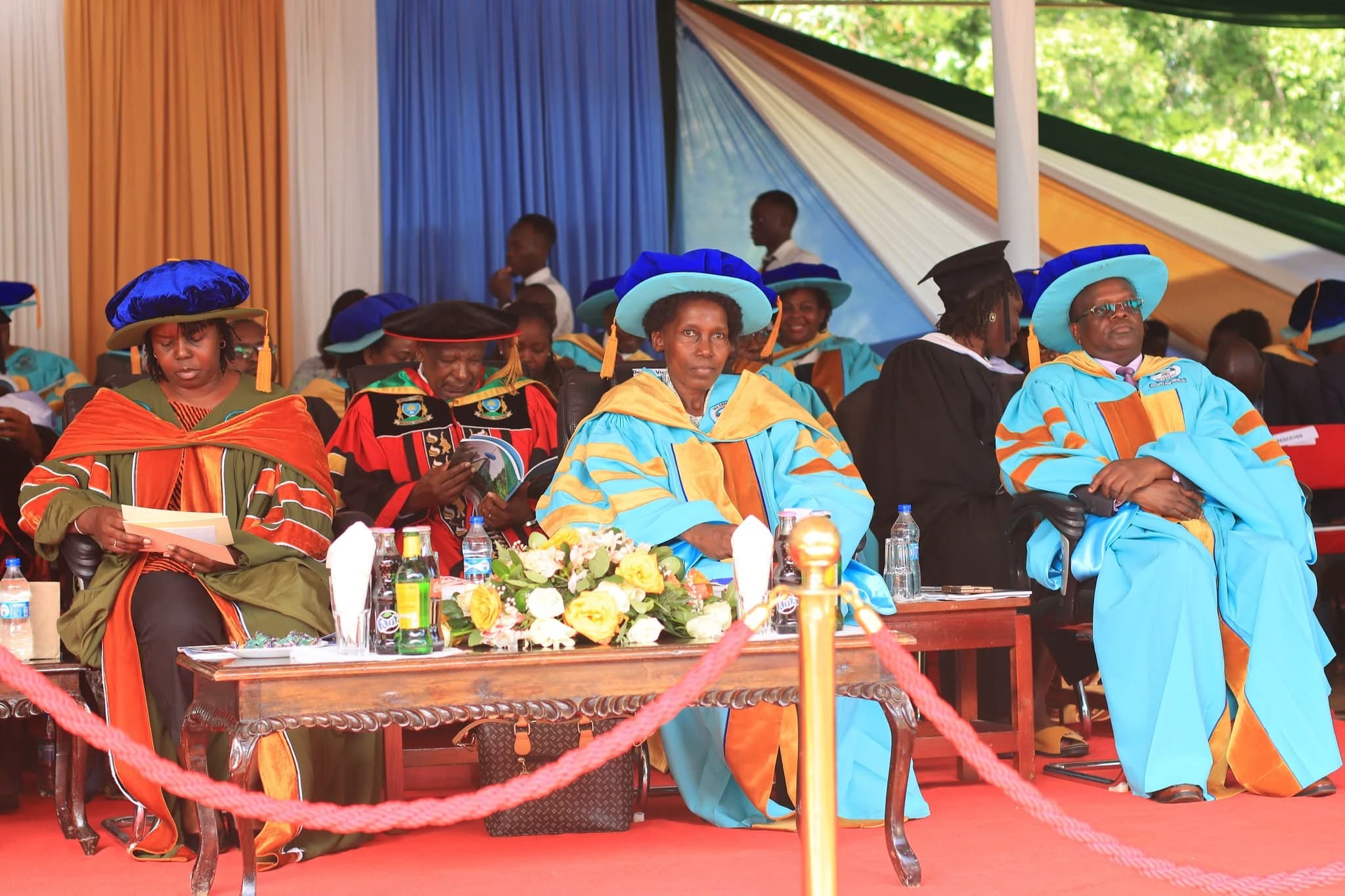
President William Ruto has announced plans to expand Kenya’s school feeding programme to reach 10 million learners across all 47 counties by 2030, as the government steps up efforts to tackle hunger and malnutrition among children.
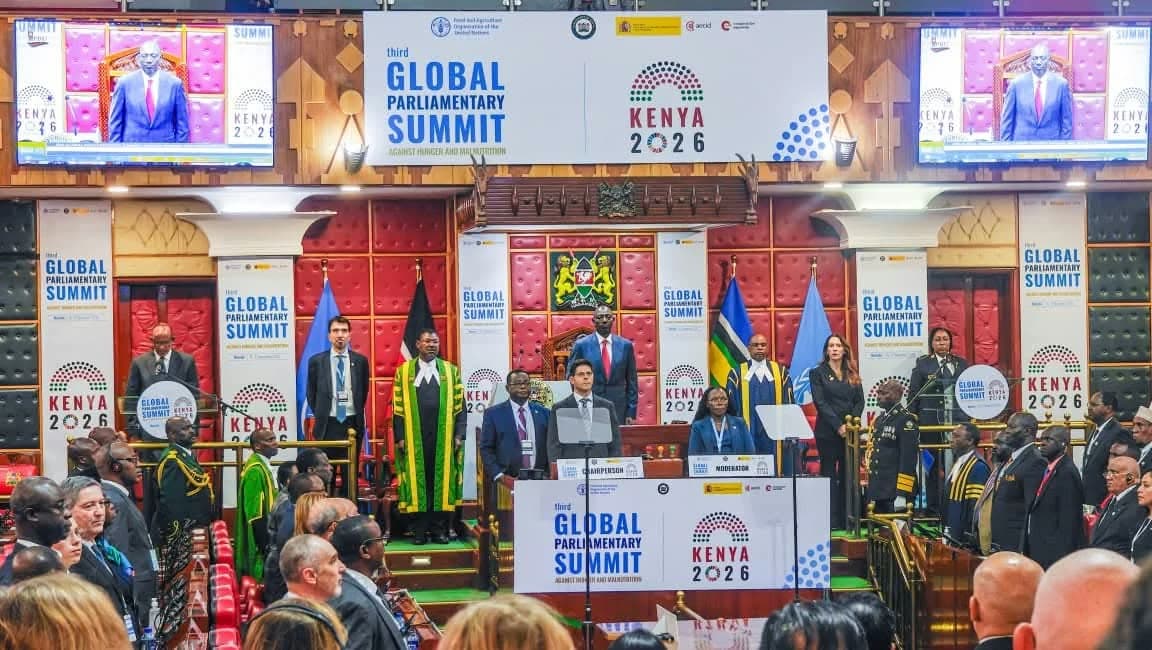
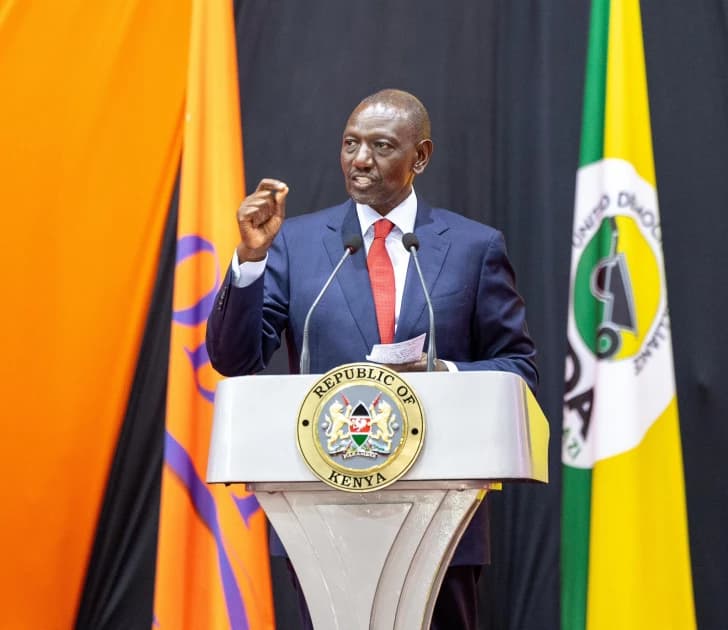
Speaking during the opening of the Third Global Parliamentary Summit on Hunger and Malnutrition at Parliament Buildings in Nairobi on Monday, November 16, 2026, Ruto said the government was strengthening the programme by linking school meals to local agricultural production.
He noted that the initiative was designed to achieve three objectives simultaneously: improving children's nutrition, increasing school attendance and providing farmers with a reliable market for their produce.
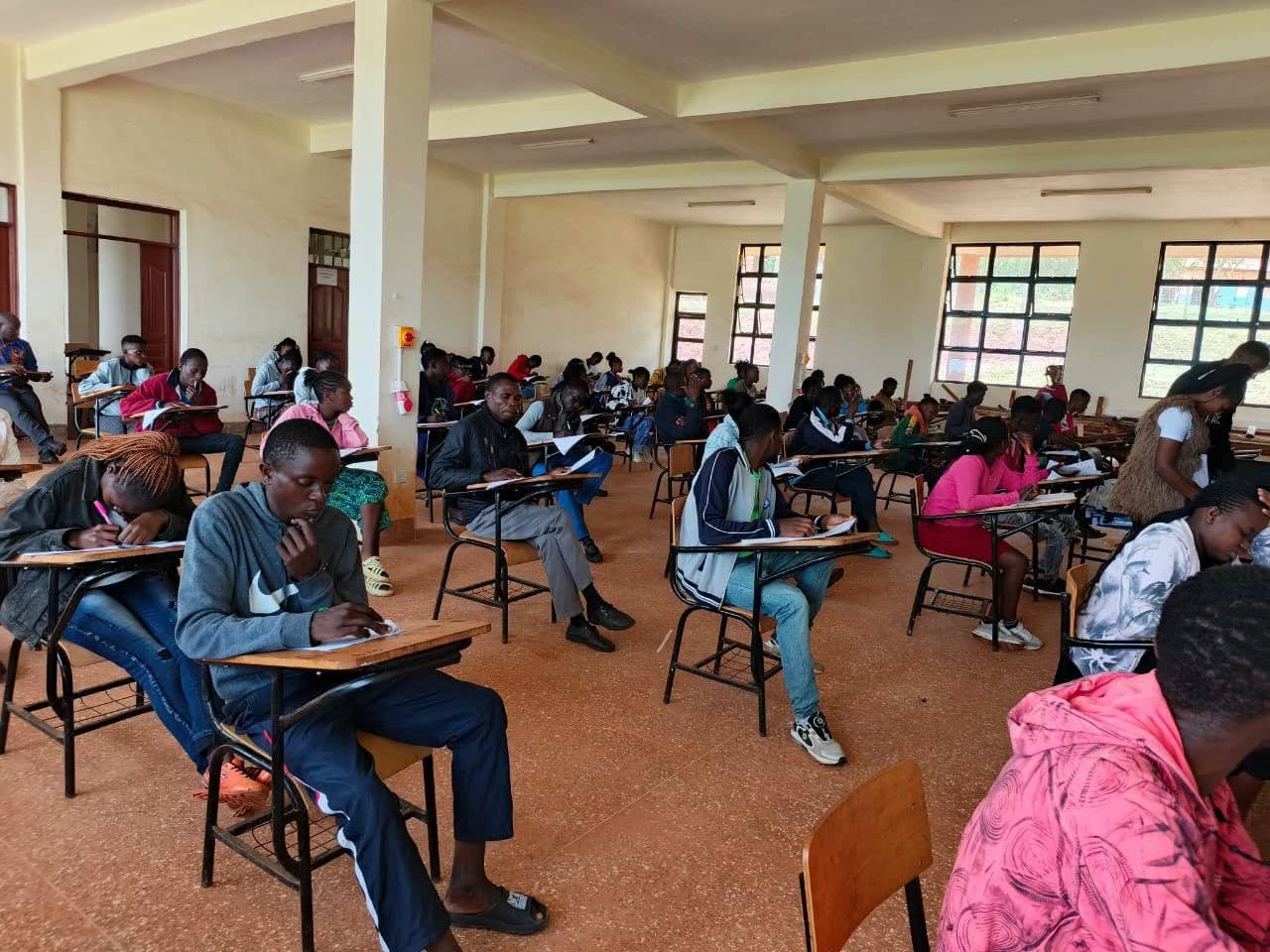
Ruto said approximately three million learners currently benefit from free school meals, adding that the government intends to expand the programme significantly starting 2027 to ensure more children have access to nutritious food.
He emphasised that school feeding programmes should be viewed not only as social protection measures but also as investments in education, agriculture and the country's economic development.
Kenya is also participating in the School Meals Coalition, a global government led initiative seeking to ensure every child receives a healthy and nutritious daily school meal.
The country was recently named the fourth co-chair of the coalition, joining Brazil, Finland and France in providing global leadership towards expanding access to school meals worldwide.
The President called on Parliament to play a central role in addressing hunger through legislation, budgetary allocations and oversight, noting that ending hunger requires deliberate policy decisions and adequate financing.
“I know this House will play a very significant part in making laws and ensuring that budgets are available,” he said.
Ruto further called for global cooperation in tackling food insecurity, noting that an estimated 2.7 billion people worldwide cannot afford a healthy diet.
He said access to sufficient, affordable and nutritious food was a fundamental right that governments must work towards guaranteeing for all citizens.
On agricultural production, the President said Kenya was shifting from a consumption driven approach towards one centred on increasing local production and placing farmers at the heart of economic policy.
He cited an increase in maize production, saying the country produced 71 million bags last year, up from 34.5 million bags, resulting in a decline in maize imports.
He added that improving infrastructure to connect farmers to markets, adopting modern agricultural technologies and expanding food processing capacity were essential in addressing food shortages.
Despite the progress, Ruto acknowledged that Kenya continued to face food insecurity, with approximately 2.7 million people requiring assistance.
He also noted that malnutrition was costing the country an estimated 6.9 per cent of its Gross Domestic Product (GDP), highlighting the economic consequences of inadequate nutrition.
The two-day Third Global Parliamentary Summit on Hunger and Malnutrition, which runs from November 16 to 17, has brought together lawmakers and stakeholders from across the world to discuss parliamentary interventions and partnerships aimed at ending hunger.
Organised by the Parliament of Kenya in partnership with the United Nations Food and Agriculture Organisation (FAO), the summit is being held in Africa for the first time.
According to FAO data, an estimated 309 million people in Africa experienced hunger in 2025, while approximately one in five people on the continent was chronically undernourished in 2024.
Conflict, displacement, climate shocks, extreme weather events and rising food prices remain among the major drivers of food insecurity across the continent.
Droughts and floods continue to destroy crops and disrupt livestock production, while conflict limits access to markets, livelihoods and humanitarian assistance.
The summit is expected to explore sustainable approaches to strengthening food systems, improving nutrition and mobilising parliamentary action to ensure access to adequate and affordable food.
Reader Discussion (0)
Sign in to comment