

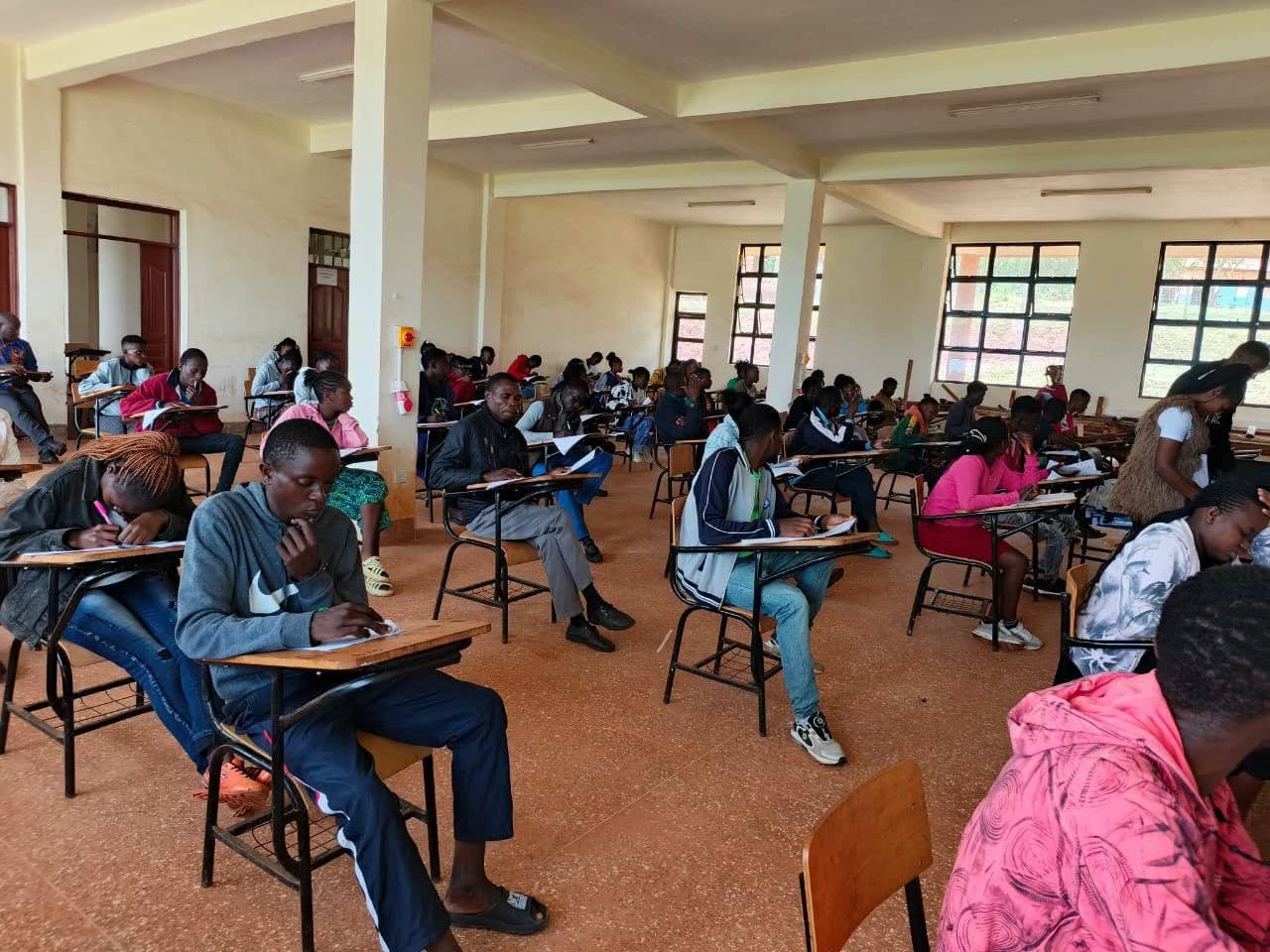







Changing immigration policies in the United States and United Kingdom are reshaping international higher education as thousands of prospective students reconsider where to pursue their studies.
International students are increasingly turning away from traditional destinations such as the US and the UK in favour of universities in Asia and continental Europe. The trend is being driven largely by stricter immigration policies, tougher student visa requirements, lengthy application processes and uncertainty over opportunities for international graduates after their studies.
A global survey of 437 universities in 63 countries found that the US and Britain recorded the sharpest declines in international undergraduate enrolment between October and August, compared with the same period a year earlier. According to the survey, conducted by Studyportals, NAFSA and Oxford Test of English, international undergraduate numbers fell by 19 per cent in the UK and 13 per cent in the US.
Canada and Australia also experienced weaker demand, while universities in Asia and continental Europe reported stronger growth in international enrolments.
The findings point to an increasingly competitive international education market in which students no longer choose universities based only on reputation, rankings or historical prestige. Immigration policies, affordability, employment opportunities and the possibility of staying in a country after graduation are becoming equally important.
The survey identified visa restrictions and government immigration policies as the biggest obstacles facing universities that want to attract international students. Delays in processing applications, intensified security screening and changes to post-study employment arrangements have forced some prospective students to postpone or abandon their plans.
In the US, President Donald Trump's administration has intensified scrutiny of international students, including expanded social media checks, visa revocations and tougher requirements on the duration of their stay. The changes have created uncertainty among applicants, particularly those who see overseas education as a pathway to professional opportunities and long-term careers.
Britain has also tightened its student immigration framework as successive governments seek to reduce overall migration. Measures include a restriction on most international students bringing dependants, and plans to shorten the period graduates can stay in the country to look for work or build a career.
For international students, these changes have altered the calculations involved in choosing a university. A student investing substantial money in an overseas degree increasingly wants assurance that the destination will offer a predictable academic environment and reasonable opportunities after graduation.
As traditional destinations see demand fall, universities in Asia and continental Europe are positioning themselves to attract students reconsidering their plans. The shift presents an opportunity for institutions outside the English-speaking markets to strengthen their global presence. Countries offering competitive tuition fees, internationally recognised qualifications, accessible immigration systems and employment opportunities could benefit significantly. Universities are also competing through international partnerships, scholarships, English-taught courses and expanded student support.
The US remains home to some of the world's most prestigious universities, but reputation alone may no longer be enough to keep its competitive advantage if prospective students see its immigration environment as unpredictable. The survey found that American universities were particularly pessimistic about future international enrolments, with more than one-third expecting further declines in the coming years.
International students are an important financial pillar of higher education institutions. They typically pay substantially higher tuition fees than domestic students, generating revenue that supports teaching, research, infrastructure and other academic programmes. Their contribution also extends beyond campuses: they spend on accommodation, transport, food, healthcare, shopping and other services, supporting businesses and jobs in their host countries.
A decline in international enrolment therefore has implications beyond admission statistics. It can affect institutional finances, research funding, local economies and the global competitiveness of national education systems. Universities that depend heavily on international tuition revenue could face difficult financial decisions if the decline continues.
For Kenyan students aspiring to study abroad, the changing landscape presents both challenges and opportunities. The traditional preference for American, British, Canadian and Australian universities may increasingly be balanced against opportunities in Germany, France, the Netherlands, Finland, South Korea, Japan and other Asian and European destinations.
Students should, however, look beyond advertised tuition fees. Visa eligibility, language requirements, accommodation costs, scholarship availability, recognition of qualifications and post-graduation employment rules should all influence their decisions.
Kenyan universities can also draw lessons. Institutions seeking to attract international students must strengthen academic quality, research capacity, international accreditation, digital learning infrastructure and global partnerships. Competitive fees and reliable student support could help position Kenya as a regional higher education destination, particularly for students from neighbouring African countries. The country also has an opportunity to expand exchange programmes and partnerships with institutions in Asia and Europe.
The survey reinforces the point that international education is increasingly shaped by national immigration policies. NAFSA chief executive Fanta Aw said national policies matter when international students make major decisions about where to study, conduct research or begin their careers.
That message is particularly significant for governments competing for global talent. Countries that combine academic excellence with predictable immigration policies, welcoming environments and accessible career opportunities are likely to enjoy a competitive advantage. For the US and Britain, the declining figures raise questions about whether restrictive immigration policies could undermine the appeal of their universities. For Asia and continental Europe, the changing circumstances offer a chance to attract a new generation of international students.
The global competition among universities is no longer determined by academic prestige alone. It is increasingly a contest over affordability, opportunity, immigration certainty and the prospects of graduates.



Reader Discussion (0)
Sign in to comment