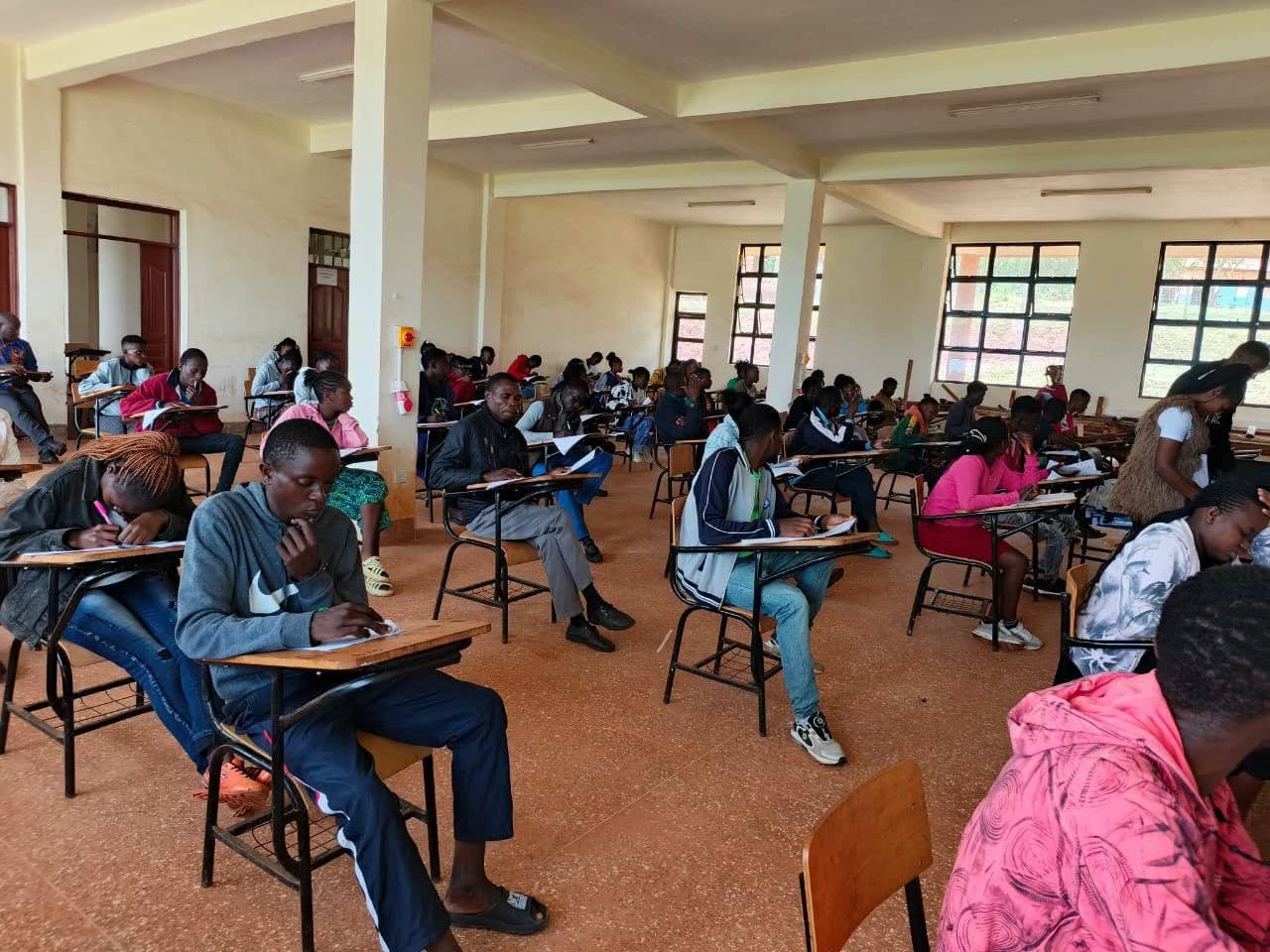
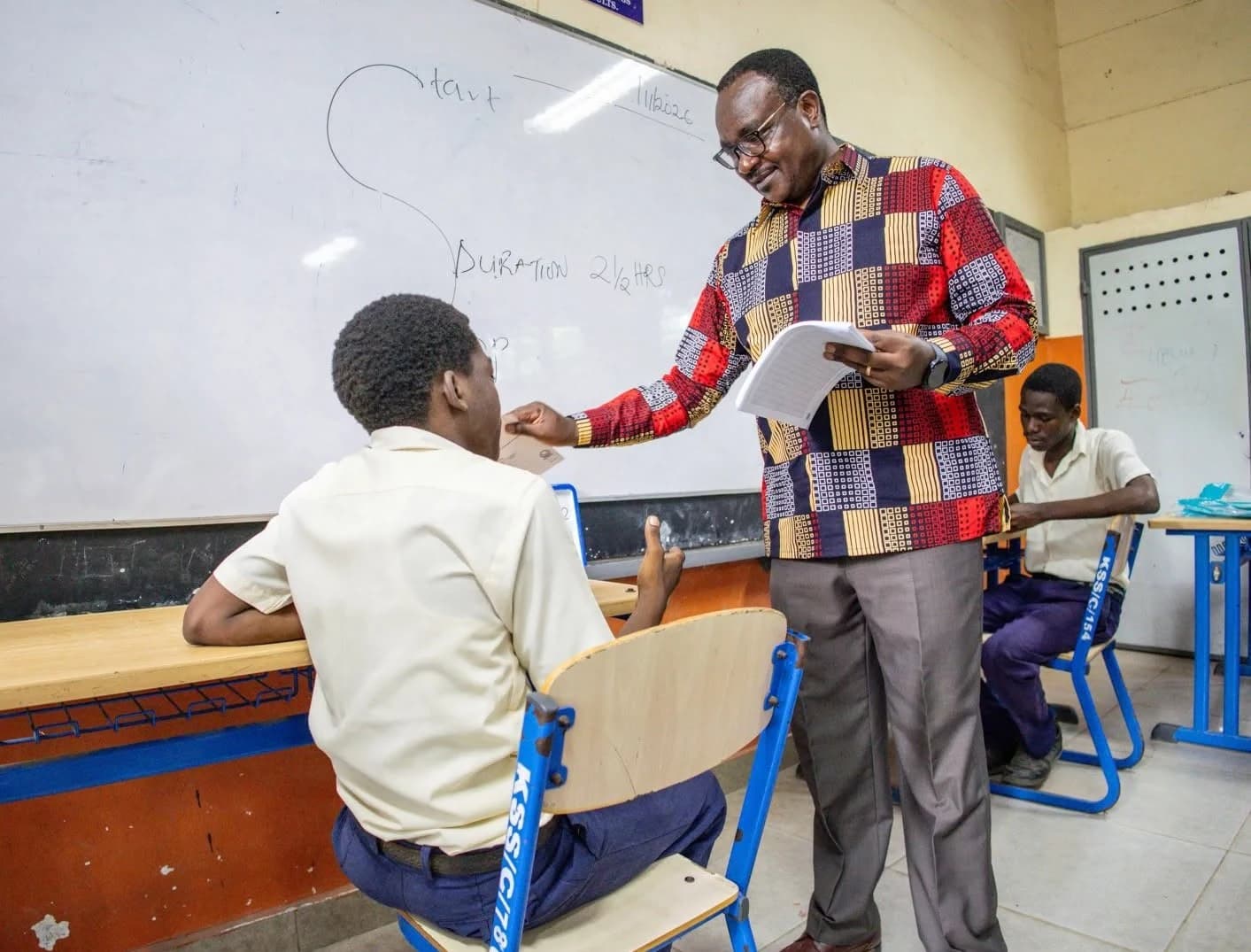
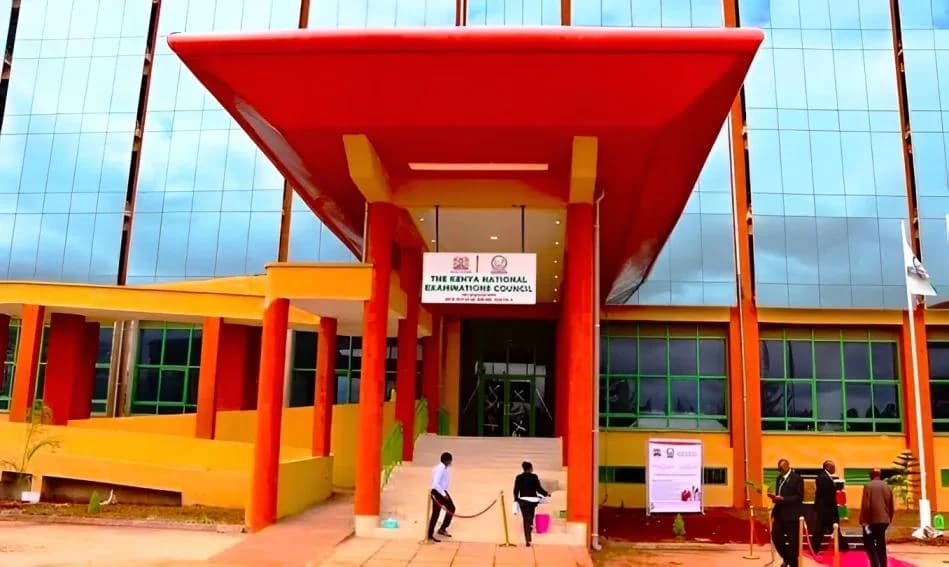
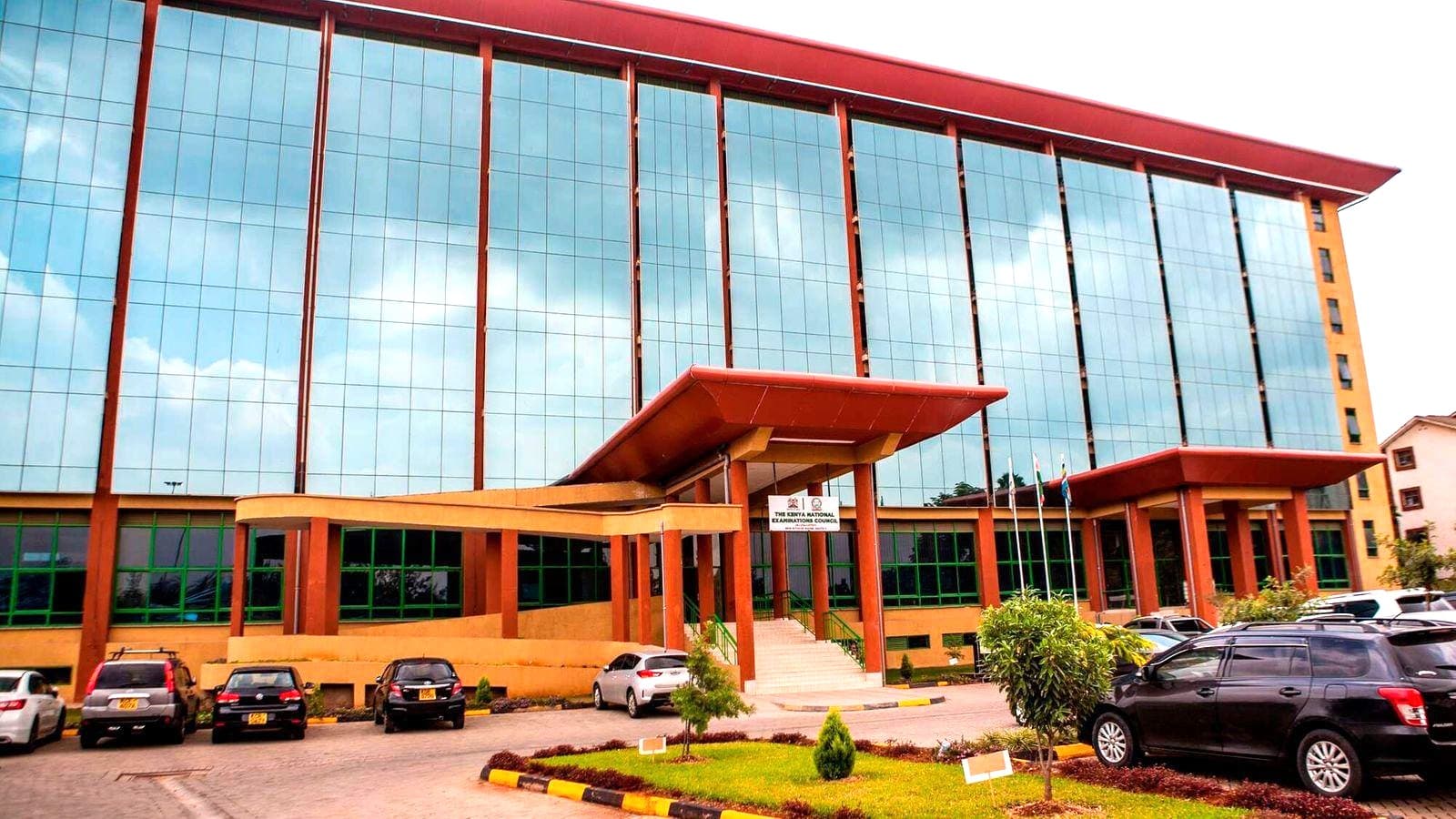
Technical and vocational trainees across Kenya sat their first papers on Monday as the TVET Curriculum Development, Assessment and Certification Council (TVET-CDACC) and the Kenya National Examinations Council (KNEC) opened their November and December 2026 assessment series.
Assessment centres opened early in the morning after candidates went through mandatory rehearsals and supervisors received briefings on Friday. Candidates enrolled in Competence-Based Education and Training (CBET) programmes sit alongside those in traditional technical and business courses.
TVET-CDACC began its Summative Written Assessment series, which tests trainees from national polytechnics, technical training institutes and vocational training centres against occupational standards for the workplace.
Before the morning papers, the council urged candidates to stay calm, follow instructions carefully and observe examination regulations strictly. It also said institutions now track trainees’ Portfolios of Evidence through the Edu-Bridge e-Portfolio system, which speeds up verification of competence alongside the written theory sessions.(Education News Kenya — https://educationnews.co.ke/news/tvet-cdacc-knec-kick-off-november-december-2026-exams-for-technical-trainees)
KNEC, meanwhile, started its November 2026 Business and Technical Examinations, which will run until December 4, 2026. Business candidates sat theory and electronic papers lasting three hours each across commerce, management, accounting and logistics in the morning session. Papers on the day included Office Administration and Management, Financial Aspects of Marketing, Business Finance, Information Resources, Clerical Duties II, Supply Management, Auditing and Human Resource Management, together with specialised modules in ICT, hospitality and tourism.
KNEC’s technical trade practical window also opened, and it will run until November 27, 2026. Workshops and laboratories countrywide are hosting practical evaluations lasting several hours across engineering, construction and service disciplines. Automotive and marine candidates began with Motor Vehicle Practice and Marine Engineering Technology, while electrical and mechanical candidates tackled Electrical and Electronics Technology, Metal Processing, and Refrigeration and Air Conditioning.
In the built environment, practicals began for Building Technology, Carpentry and Joinery, Masonry, Plumbing and Land Surveying. Hands on assessments also started in Information Communication Technology, Leather Technology, Agribusiness, Fashion Design, Hairdressing, Beauty Therapy and Food Processing.z






Reader Discussion (0)
Sign in to comment