


The Kenya Defence Forces (KDF) has built 11 schools in Laikipia North in an intervention meant to address educational inequalities, improve access to learning and strengthen stability in communities that have endured years of insecurity and cattle rustling.
The initiative followed a directive from President William Ruto to the Ministry of Defence, and shows how military resources can be used beyond conventional security operations to support civilian infrastructure, particularly in underserved pastoralist communities.
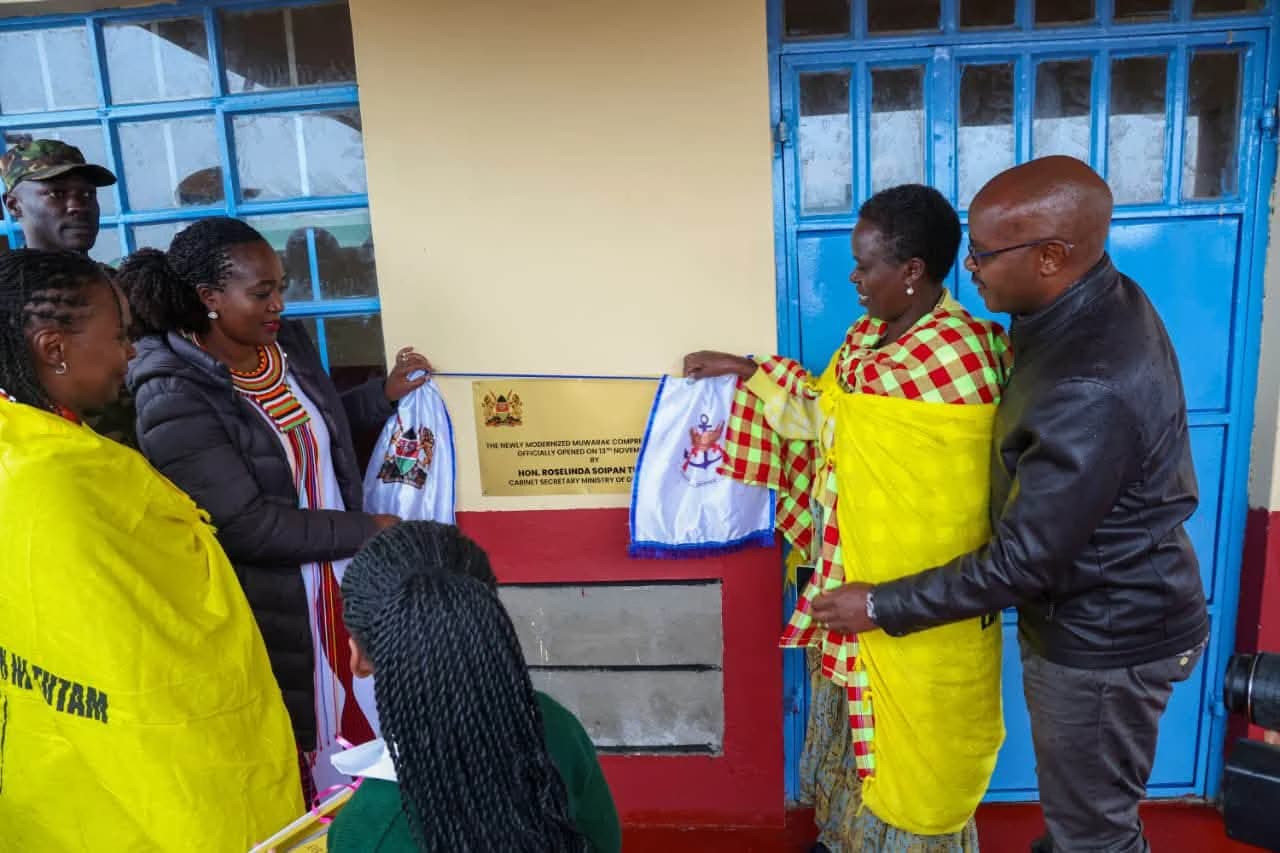
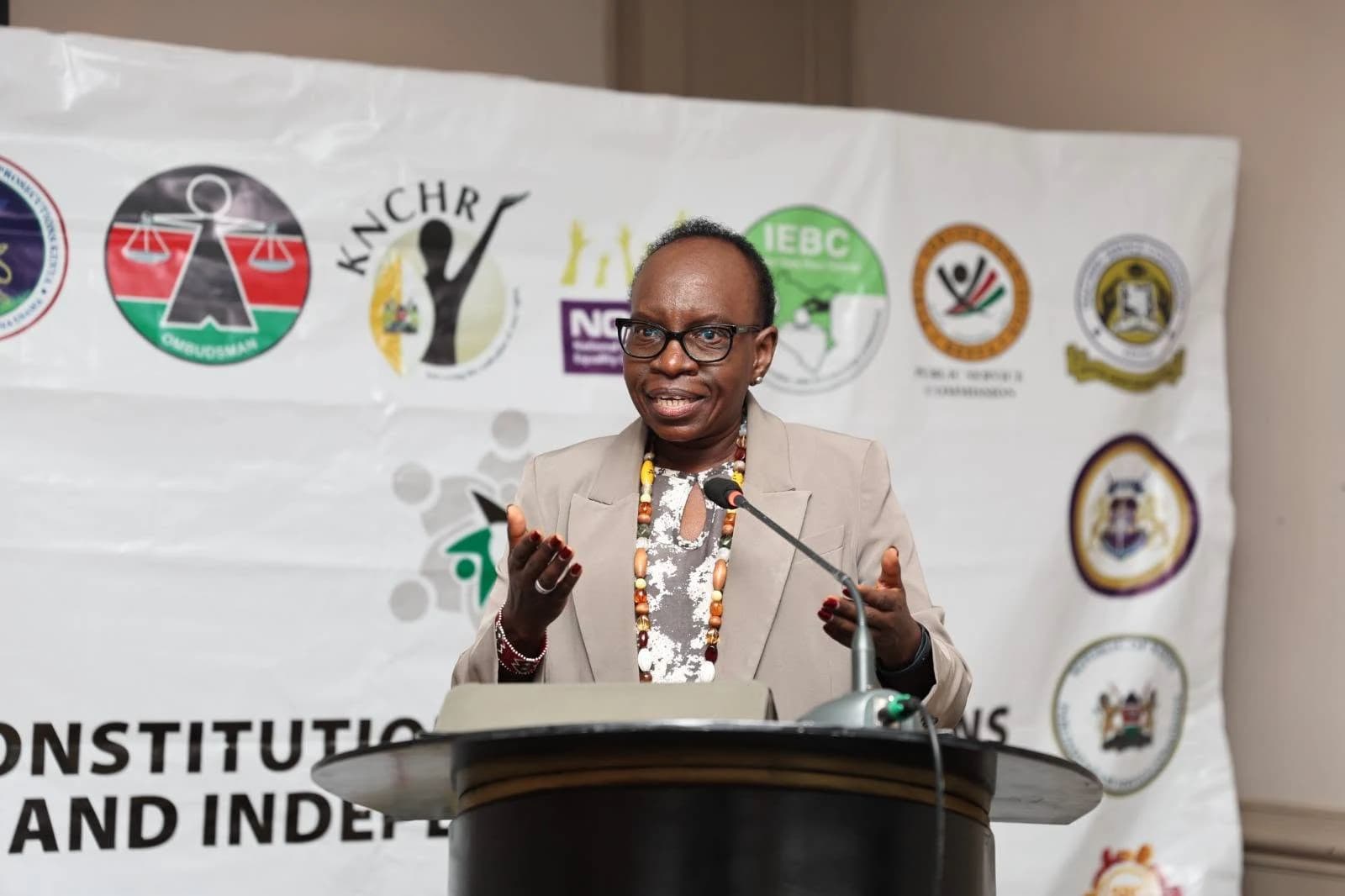
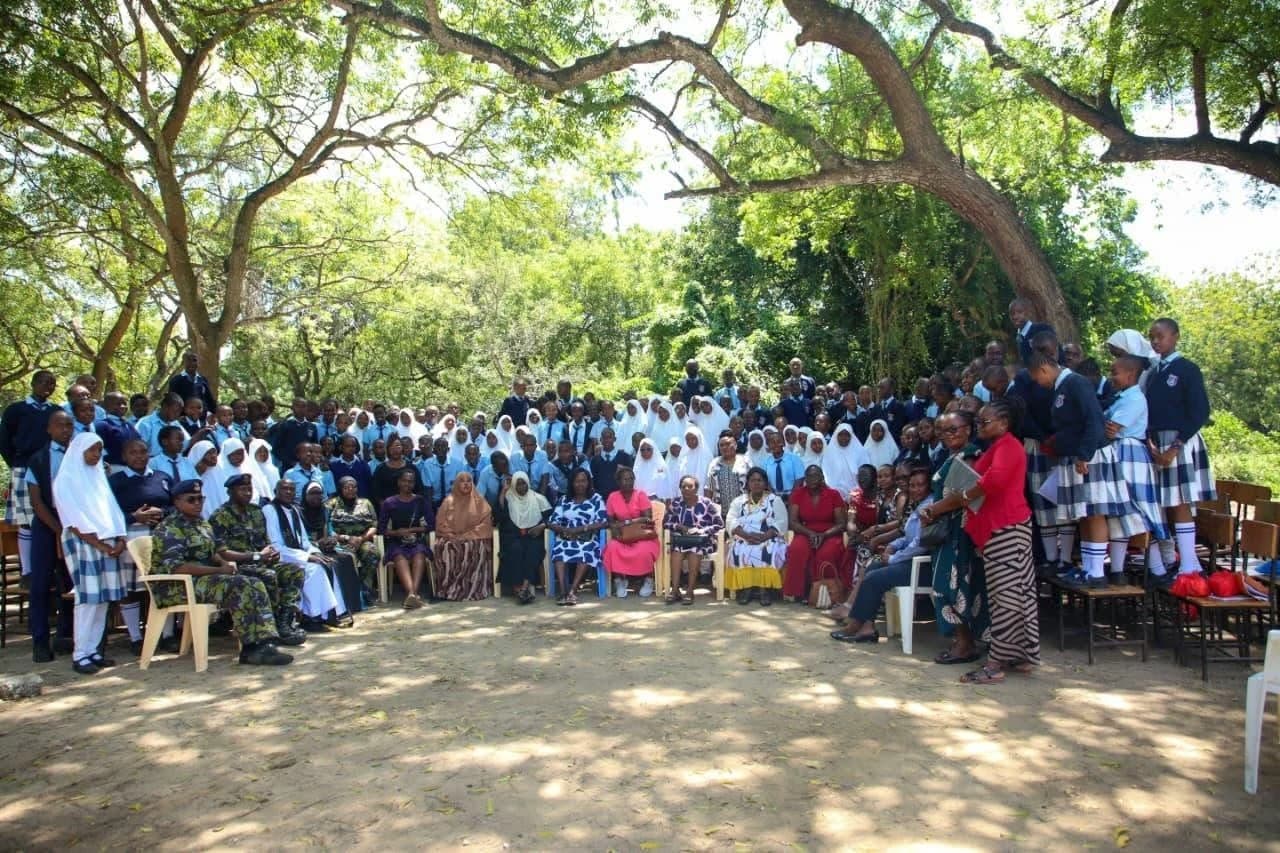
Defence Cabinet Secretary Soipan Tuya, who commissioned Mouwakar Primary School on November 13, 2026, confirmed that KDF had constructed 11 schools in the region. She described the intervention as part of the government's broader commitment to improving living conditions and expanding development opportunities.
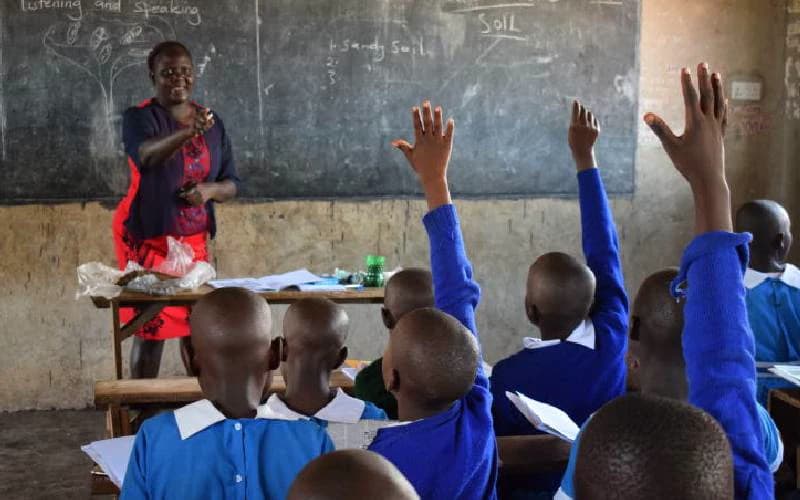
Mouwakar Primary School, one of the beneficiaries, has seven classrooms and an administration block, which provide a better environment for teaching and learning in an area where access to adequate facilities has remained a challenge.
Tuya said lasting peace cannot be achieved through security operations alone, arguing that development, economic empowerment and access to essential public services must complement efforts to address insecurity. She stressed the importance of creating opportunities for residents through improved roads, markets and other development projects, rather than allowing insecurity to define the region's future.
Her message placed education at the centre of the government's development agenda, recognising that children cannot fully benefit from national development when insecurity, displacement and inadequate infrastructure interfere with their schooling.
Laikipia North MP Sarah Korere, who has lobbied for the school construction programme, welcomed the intervention and highlighted the importance of parental responsibility in ensuring that children access education.
Korere's remarks also point to the difficulties facing pastoralist families, where livestock-keeping responsibilities, household economic pressures and insecurity can interfere with regular school attendance. For many children in remote communities, the distance to school, inadequate classrooms and unstable learning environments have historically been barriers to education.
The 11 schools are expected to improve access to learning facilities and encourage more families to embrace formal education as a pathway out of poverty and economic vulnerability.
The measure of the programme's success will extend beyond the number of classrooms built. The government must ensure that the schools have enough teachers, textbooks, laboratories, sanitation facilities, electricity and other resources needed for quality education. The Teachers Service Commission and the Ministry of Education will have important roles in ensuring that the new infrastructure translates into meaningful learning outcomes. It is equally important to strengthen school-community relationships and develop strategies that keep children in school despite the economic and cultural pressures on pastoralist households.
KDF's involvement also raises a wider policy question about the role of security institutions in supporting education infrastructure in marginalised regions. Where communities have experienced prolonged insecurity and limited public investment, coordinated development interventions can help restore confidence in government institutions while opening opportunities for children who might otherwise remain disadvantaged.
The Laikipia North initiative illustrates how education, security and economic development are interconnected. A classroom can become a foundation for stability, just as a school can offer children an alternative future beyond the cycle of poverty and insecurity.
The immediate challenge is to ensure that the 11 schools become fully operational, adequately staffed and properly equipped. The greatest achievement will not simply be the construction of buildings but the emergence of a generation of children who can access uninterrupted education, pursue professional careers and contribute to the transformation of their communities.

Reader Discussion (0)
Sign in to comment