





Child rights advocates in Laikipia North are warning that female genital mutilation (FGM) is increasingly being conducted in secret, despite a reported decline in cases, raising concerns about the safety of young girls during the long end-of-year holiday.
The advocates say teenage pregnancies, early marriages and school dropouts also remain significant threats to girls, particularly in pastoral communities where harmful cultural practices continue to undermine girls' education and protection.
They are calling for heightened vigilance among parents, government agencies and community leaders, warning that the school holiday could expose vulnerable girls to exploitation and practices that may force them out of school.
Laikipia North Deputy County Commissioner Samuel Osodo said the government was introducing low-cost boarding schools to help vulnerable girls remain in education.
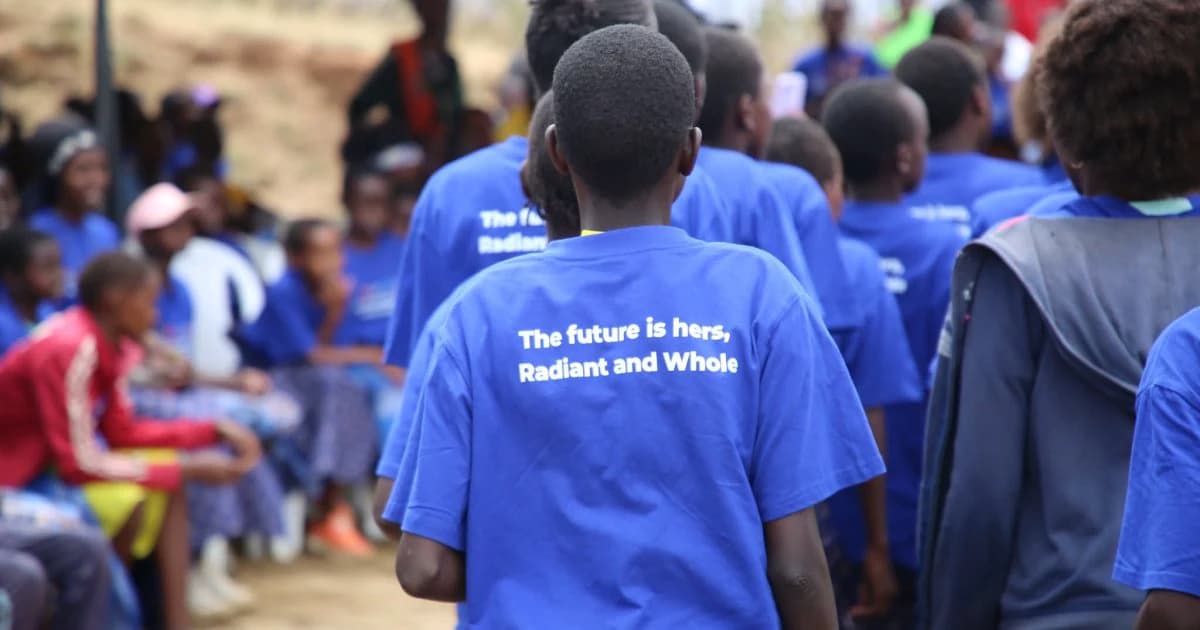
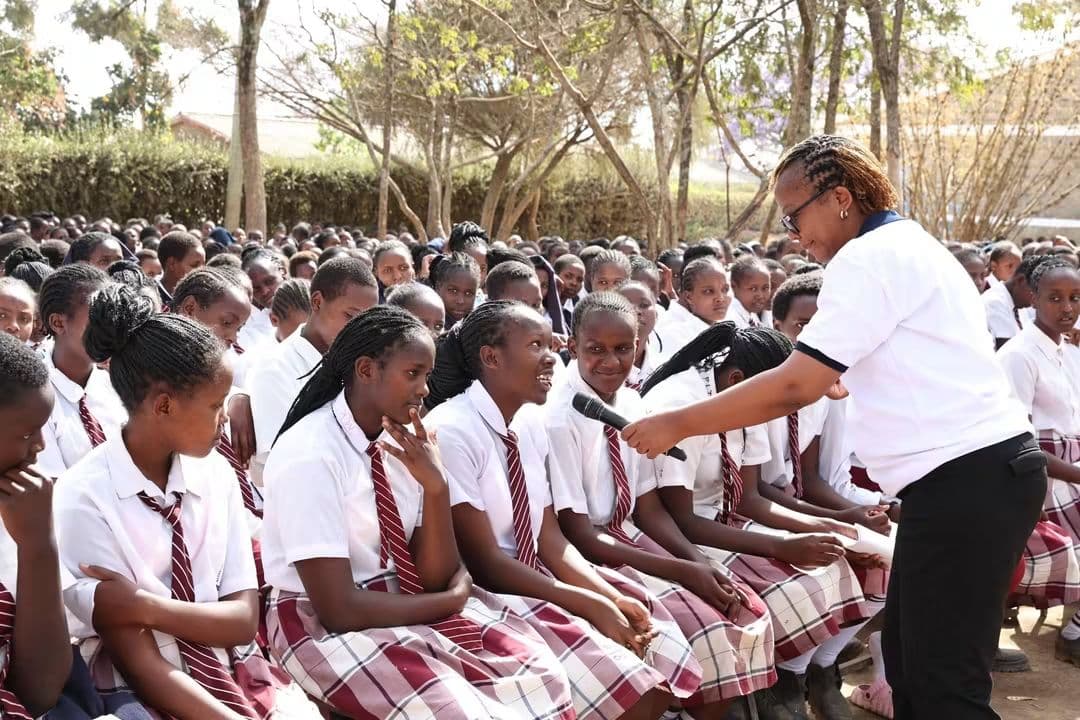
Speaking during the graduation of about 300 teenage girls from an Alternative Rite of Passage programme in Doldol town, Mr Osodo said the initiative would particularly benefit girls from families unable to meet the costs of daily school attendance.
"We have a lot of issues affecting the girl-child, including school dropout. However, as the government, together with other education stakeholders, we have sensitised parents. One of the interventions we are implementing is the introduction of low-cost boarding schools to support girls whose families cannot afford to have them attend school daily," he said.
The ceremony was organised by Action for Children in Conflict (AfCiC) at the One More Day for Children rescue centre, which supports young survivors of Sexual and Gender-Based Violence (SGBV).
The 300 girls, drawn from different primary schools in the region, completed a week-long training and counselling programme aimed at equipping them with knowledge about their rights, the dangers of FGM and available alternatives to harmful traditional practices. They were awarded certificates and hygiene kits.
Mr Osodo said the government was working with education stakeholders and community organisations to provide alternatives that would discourage families from subjecting girls to FGM.
"We have organised several trainings for the girl-child, so that instead of getting involved in FGM, they have an alternative. The graduation of these 300 girls is one of those interventions," he said.
AfCiC Programme Officer Kennedy Njoroge said the organisation had reached more than 700 girls in Laikipia North over the past three years through training on alternative rites of passage, children's rights and protection from sexual predators.
He attributed the reported decline in FGM cases partly to increased awareness among girls, who are now better equipped to identify abuse and seek help from the authorities.
"We have seen a significant drop in FGM cases since we started three years ago. Girls who encounter such incidents can now report them to authorities. They are also fully aware of the harm FGM causes to their bodies and understand that undergoing the cut is not a requirement for transitioning into womanhood," Mr Njoroge said.
Advocates, however, caution that the apparent reduction in cases does not necessarily mean the practice has been eliminated. Some perpetrators are reportedly resorting to clandestine procedures to avoid detection by law enforcement agencies.
The development raises questions about the effectiveness of existing community protection and enforcement mechanisms, particularly in remote areas where vast distances and difficult terrain can complicate monitoring and access to support services.
Child rights advocates say interventions must move beyond conferences, sensitisation meetings and institutional commitments to sustained engagement at the grassroots level. They want young people, women, elders and parents to be actively involved in identifying the factors sustaining FGM, teenage pregnancies and child marriages, and in developing community-led solutions.
Some families in Laikipia North continue to prioritise early marriages for their daughters, contributing to school dropouts and limiting opportunities for girls to complete their education.
UNICEF data on the situation of girls and women indicates that about 21 per cent, or four million Kenyan girls and women aged 15 to 49, have undergone some form of FGM. The data further shows that girls and women in rural areas, poorer households and those with limited access to education are particularly vulnerable.
UNICEF reports that FGM prevalence has nonetheless declined over the past three decades, reflecting the impact of legislation, awareness campaigns and community-led initiatives.
With Kenya targeting the elimination of FGM by 2030, stakeholders are calling for stronger enforcement, sustained community engagement and closer collaboration between government agencies and development partners. They say protecting girls during school holidays and ensuring they return to class when schools reopen will be critical in preventing harmful practices from reversing the gains made in the fight against FGM.



Reader Discussion (0)
Sign in to comment