







The programme seeks to integrate technology into classroom instruction and equip learners with skills required in the modern digital economy.
The programme, implemented under the Kenya Digital Economy Acceleration Project (KDEAP), is being rolled out in phases, with 218 schools already included in the first phase and another 273 earmarked for the second phase.
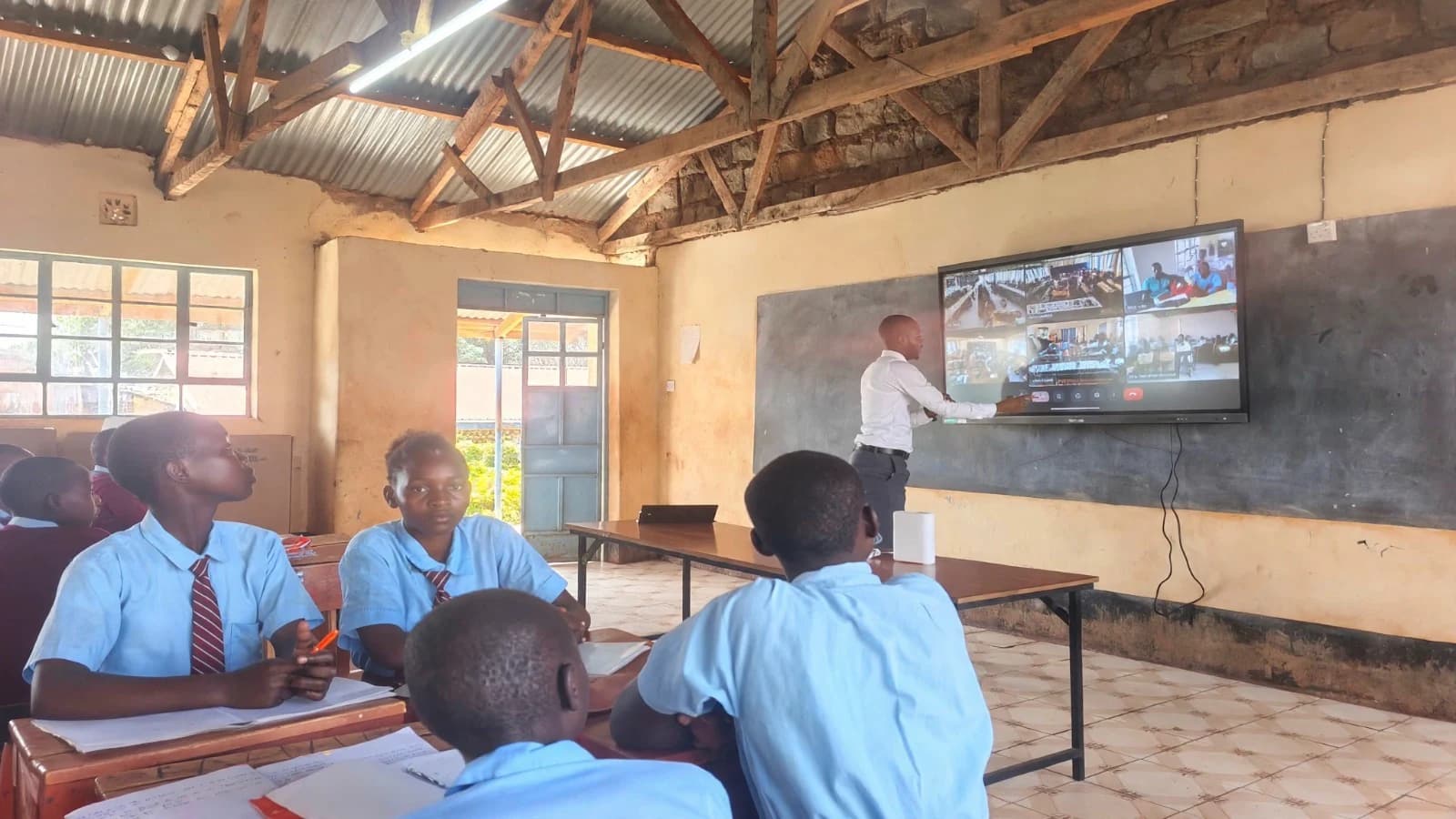
Each selected institution is allocated an interactive 65-inch flat-panel smart board and a teacher laptop to support technology-based teaching under the Competency-Based Education (CBE) curriculum.
The initiative is being implemented through the Ministry of Information, Communications and the Digital Economy and the ICT Authority, with support from the World Bank.
The government hopes the investment will improve access to digital learning resources, strengthen classroom engagement and equip pupils with practical digital competencies.
Smart boards excite learners
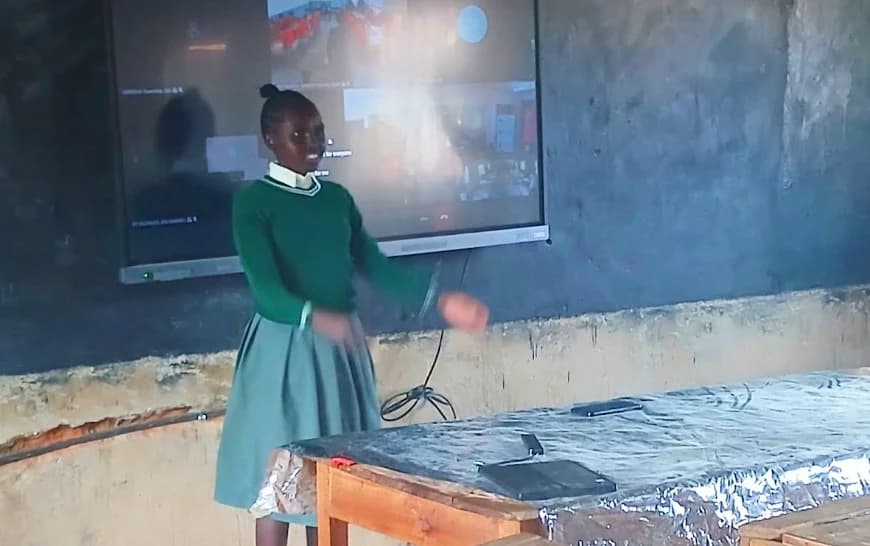
At Tilak Junior Secondary School, the impact of the programme is already evident, with learners showing increased interest and participation during lessons.
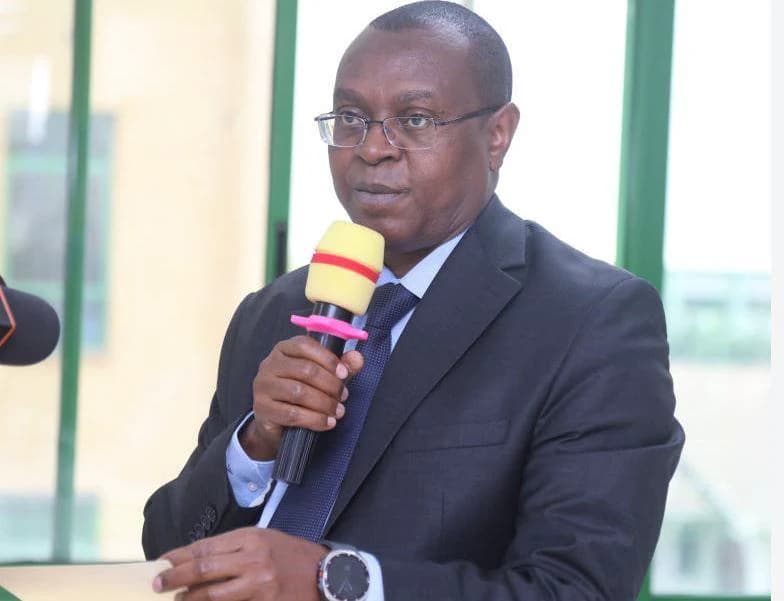
Headteacher Daniel Kirakwang said the interactive smart board had improved pupils' attentiveness and generated considerable enthusiasm among learners.
“The smartboard has had a great impact on our learners’ attentiveness. The pupils are excited whenever they have an opportunity to use it, and we have already seen increased interest and participation during lessons,” he said.
He said the enthusiasm had been so great that the school was forced to move the equipment to a bigger classroom to accommodate more pupils during digital learning sessions.
“Because of the enthusiasm it has generated, we had to move the board to a bigger room to accommodate more learners,” he said.
Kirakwang said the school was planning to increase the frequency of digital learning sessions when schools reopen to allow more pupils to benefit from the technology.
“We expect that when schools resume next year, the sessions will be more frequent and impactful. We want to ensure that more learners get the opportunity to interact with the technology and benefit from the digital content,” he added.
West Pokot was among 12 counties selected to participate in the inaugural national live digital classroom experience, which connected pupils from different parts of the country through a virtual platform.
During the demonstration at Tilak Junior Secondary School, learners participated in a live interaction with President William Ruto, demonstrating the potential of technology to connect classrooms across geographical boundaries.
More schools targeted for digital equipment
Nationally, the first phase of the programme targets 10,382 public junior schools, with two digital devices allocated to each institution, bringing the total to 20,764 devices.
The second phase will cover an additional 10,806 schools, raising the projected national coverage to approximately 21,000 public junior schools by April 2027.
In West Pokot, the second phase will see 546 additional devices distributed to the 273 earmarked schools.
The rollout is accompanied by teacher training to ensure the equipment is effectively incorporated into classroom instruction.
Each selected school has its head of institution and one designated teacher trained as an ICT champion to oversee the use of the equipment and guide other teachers.
Teachers from institutions awaiting equipment distribution have also received training in preparation for the programme.
Nationally, more than 62,000 teachers have undergone training under the Digital Literacy Programme, popularly known as DigiSchool, with master trainers supporting the exercise across all 47 counties.
The initiative builds on the government's wider strategy to expand digital infrastructure in public schools, improve teachers' ICT competencies and increase access to quality digital educational content.
Digital resources for Grades 7 and 8 have already been developed and made available through the education cloud, which provides access to learners, teachers and parents.
The curation of Grade 9 content is ongoing.
The programme has also incorporated inclusive education by completing adaptations of Grade 7 digital content for learners with visual and hearing impairments.
The government expects the integration of digital technology to promote creativity, collaboration, problem-solving and active participation while helping teachers explain complex concepts through visual demonstrations.
Internet connectivity is being supported through the Universal Service Fund under the Communications Authority of Kenya, alongside the Digital Superhighway infrastructure programme.
However, the success of the initiative will depend on reliable connectivity, proper maintenance of equipment, continuous teacher training and regular use of the devices.
For West Pokot, the next priority will be ensuring that the 273 schools listed for the second phase receive their equipment and that teachers are adequately supported to integrate digital resources into the CBE curriculum.
The programme represents a major investment in the modernisation of public education, with the potential to reduce the digital divide and expand learning opportunities for pupils in underserved communities.
By April 2027, the government hopes to have significantly expanded access to technology-supported learning, giving thousands more pupils an opportunity to develop the skills needed to participate in an increasingly digital society.



Reader Discussion (0)
Sign in to comment