







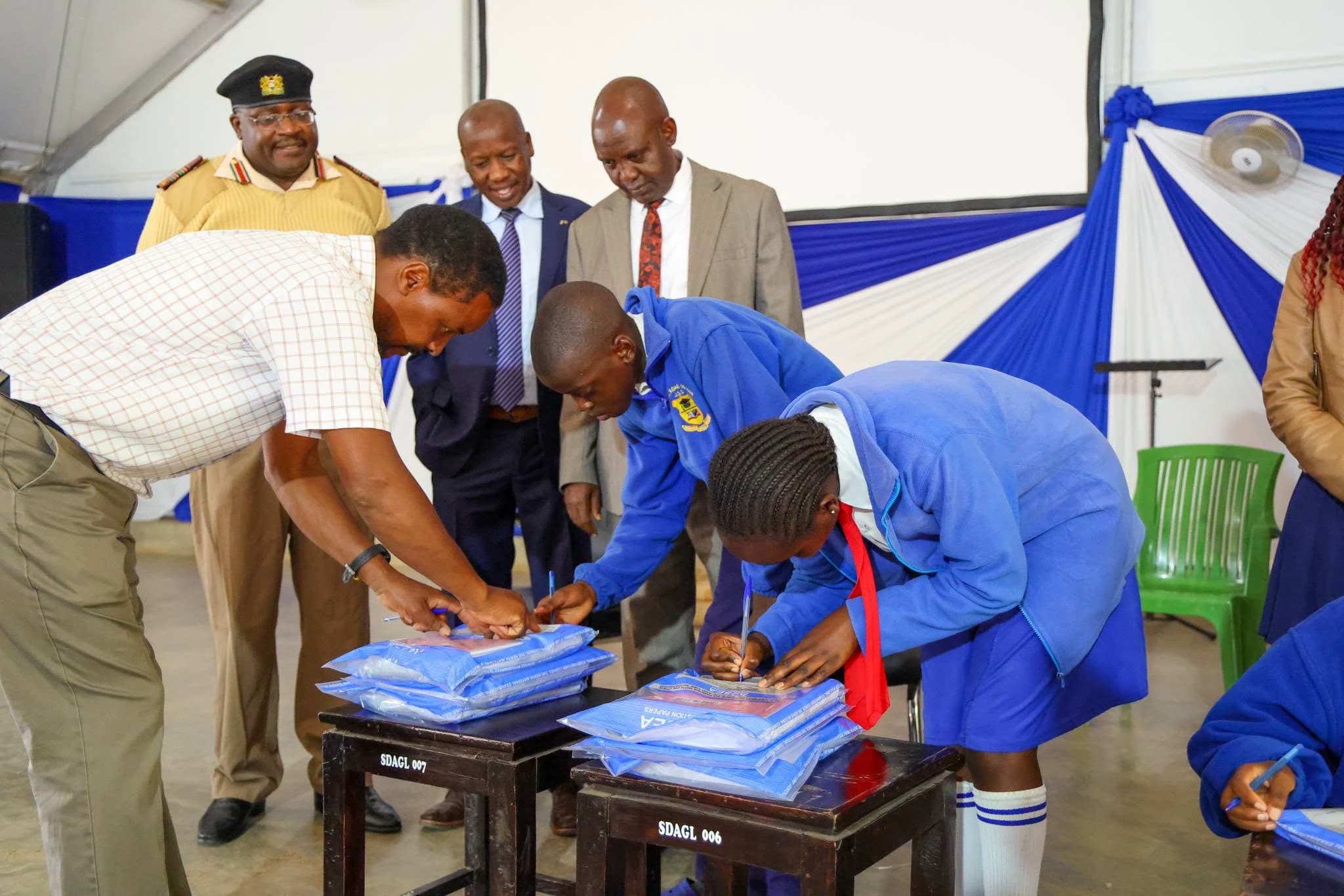
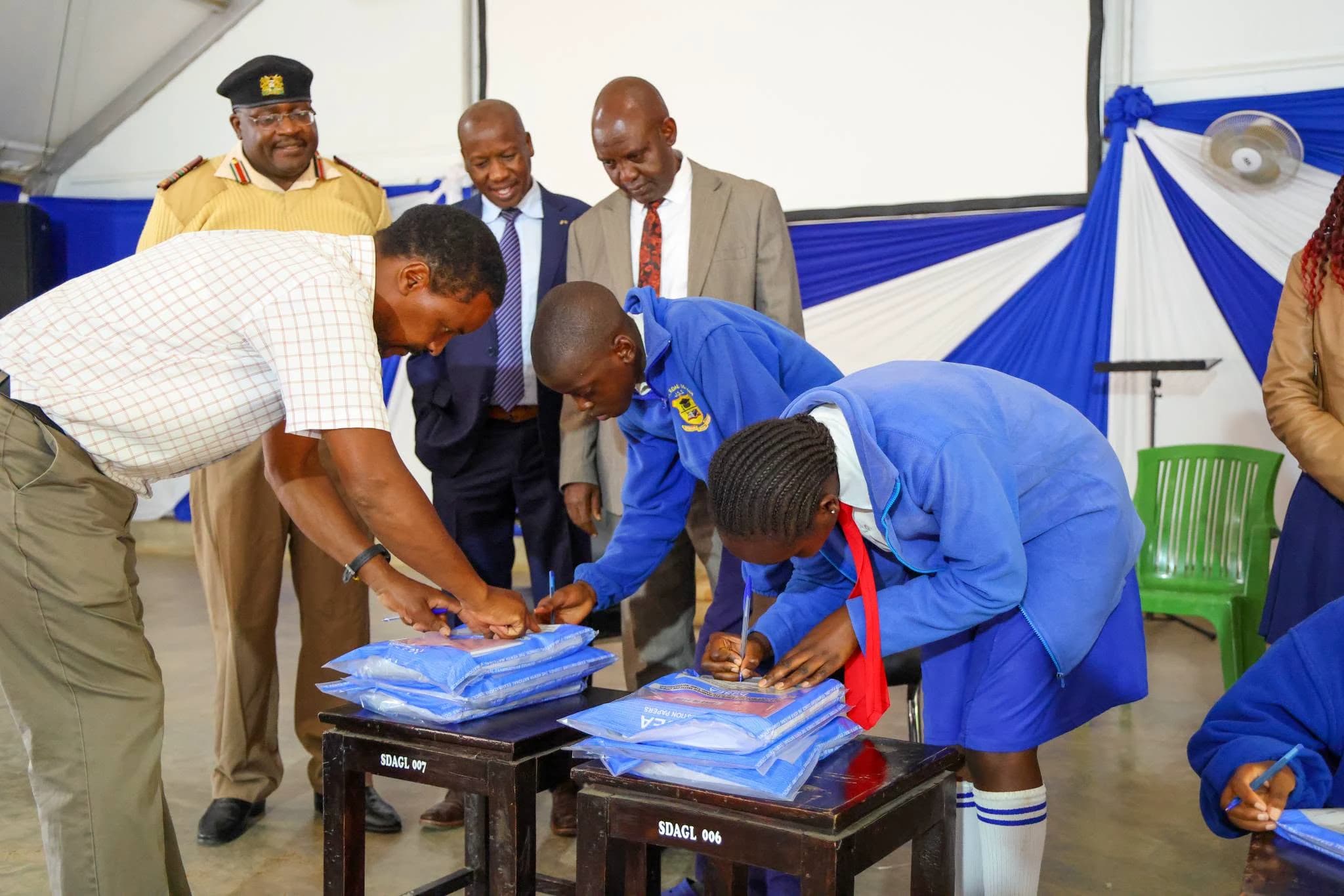
The Kenya National Examinations Council (KNEC) will take approximately three weeks to mark the 2026 Kenya Junior School Education Assessment (KJSEA) scripts, paving the way for the release of results in December ahead of the first cohort's transition to Grade 10 in January 2027.
KNEC Chief Executive Officer Dr David Njengere said the marking exercise has already commenced, with the council seeking to ensure that results are processed in good time to allow the Ministry of Education to complete the senior school placement process.
The exercise will involve approximately 1.2 million Grade 9 learners who sat the national assessment, marking a significant milestone in the implementation of Competency-Based Education (CBE).
Njengere said the marking process would combine technology and human expertise, with multiple-choice questions being processed through automated systems before examiners undertake the manual assessment of compositions, insha and other open-ended questions.
The council has scheduled November 9, 2026, for contracted examiners to report to their designated marking centres to undertake the exercise.
Technology to speed up marking
The use of Optical Mark Recognition (OMR) technology is expected to speed up the processing of multiple-choice responses, allowing human examiners to concentrate on questions requiring interpretation, written expression, scientific reasoning and demonstration of competencies.
The early completion of marking is intended to give parents and guardians sufficient time to prepare their children for admission to senior schools.
Under the CBE framework, the KJSEA results will contribute 60 per cent to the final placement assessment, while school-based assessments undertaken in Grades 7 and 8 will account for 20 per cent. The remaining 20 per cent will come from the Kenya Primary School Education Assessment (KPSEA) sat in Grade 6.
Learners will be placed in three senior school pathways: Science, Technology, Engineering and Mathematics (STEM), Social Sciences, and Arts and Sports Science.
Unlike the previous 8-4-4 examination system, the new framework places greater emphasis on learners' abilities, interests and preferred areas of specialisation.
The assessment results will be presented through performance levels across nine learning areas rather than a single aggregate score.
Education Cabinet Secretary Julius Ogamba has assured parents that the placement exercise will consider learners' performance, interests and pathway choices, alongside other established criteria.
The December results timeline is expected to provide schools with adequate preparation time for the January 2027 Grade 10 admissions, as the government seeks to ensure a smooth transition for the first cohort.


Reader Discussion (0)
Sign in to comment