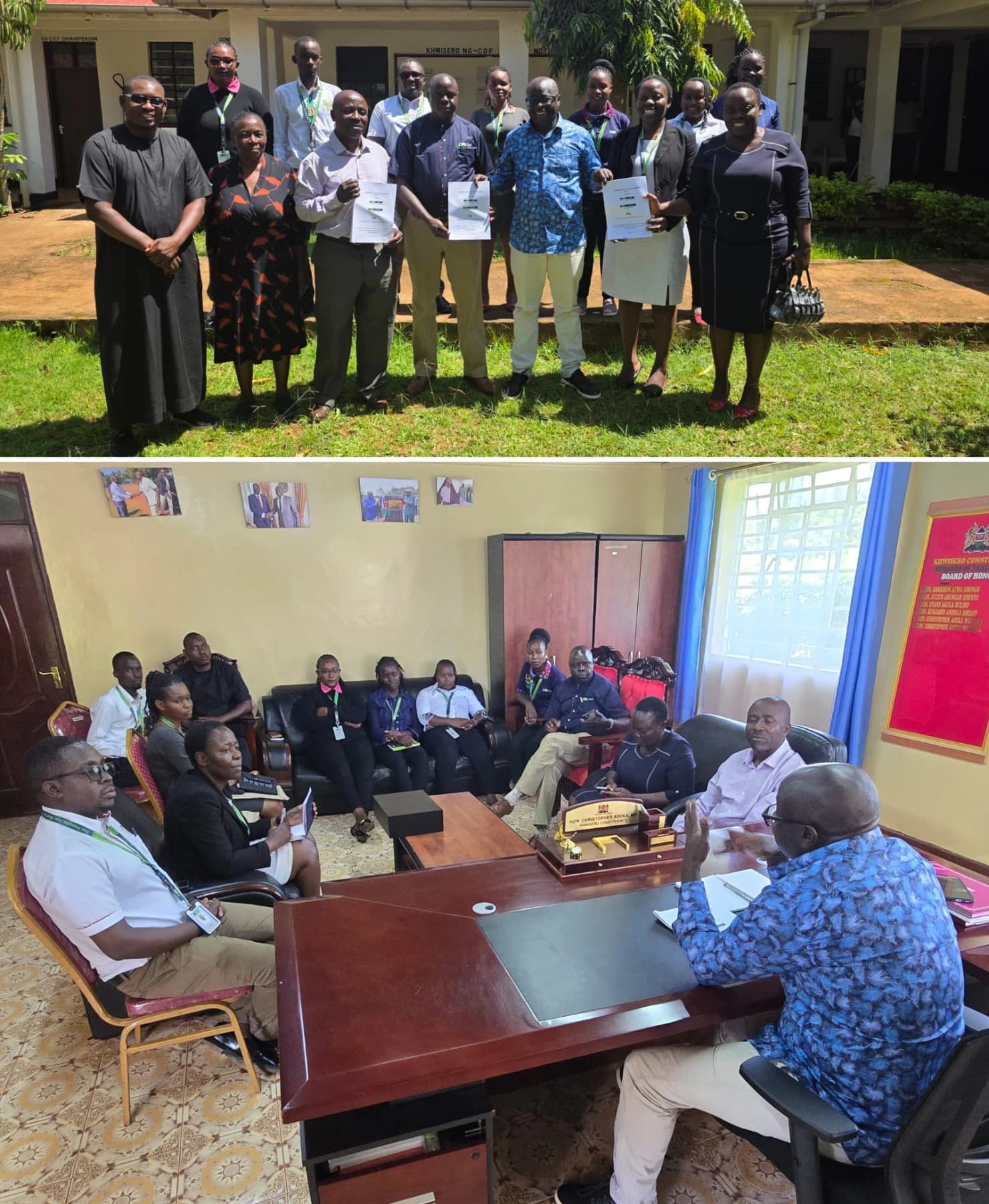
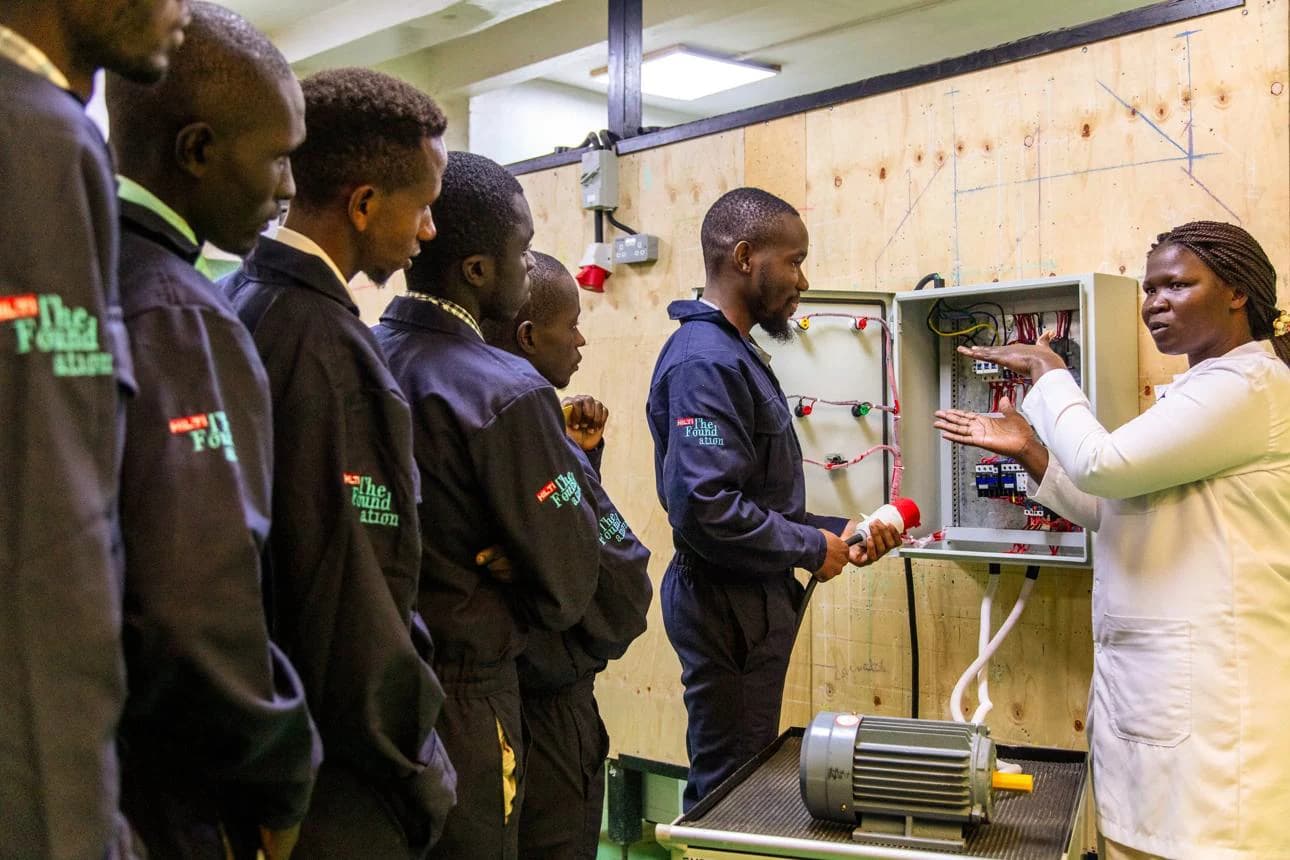


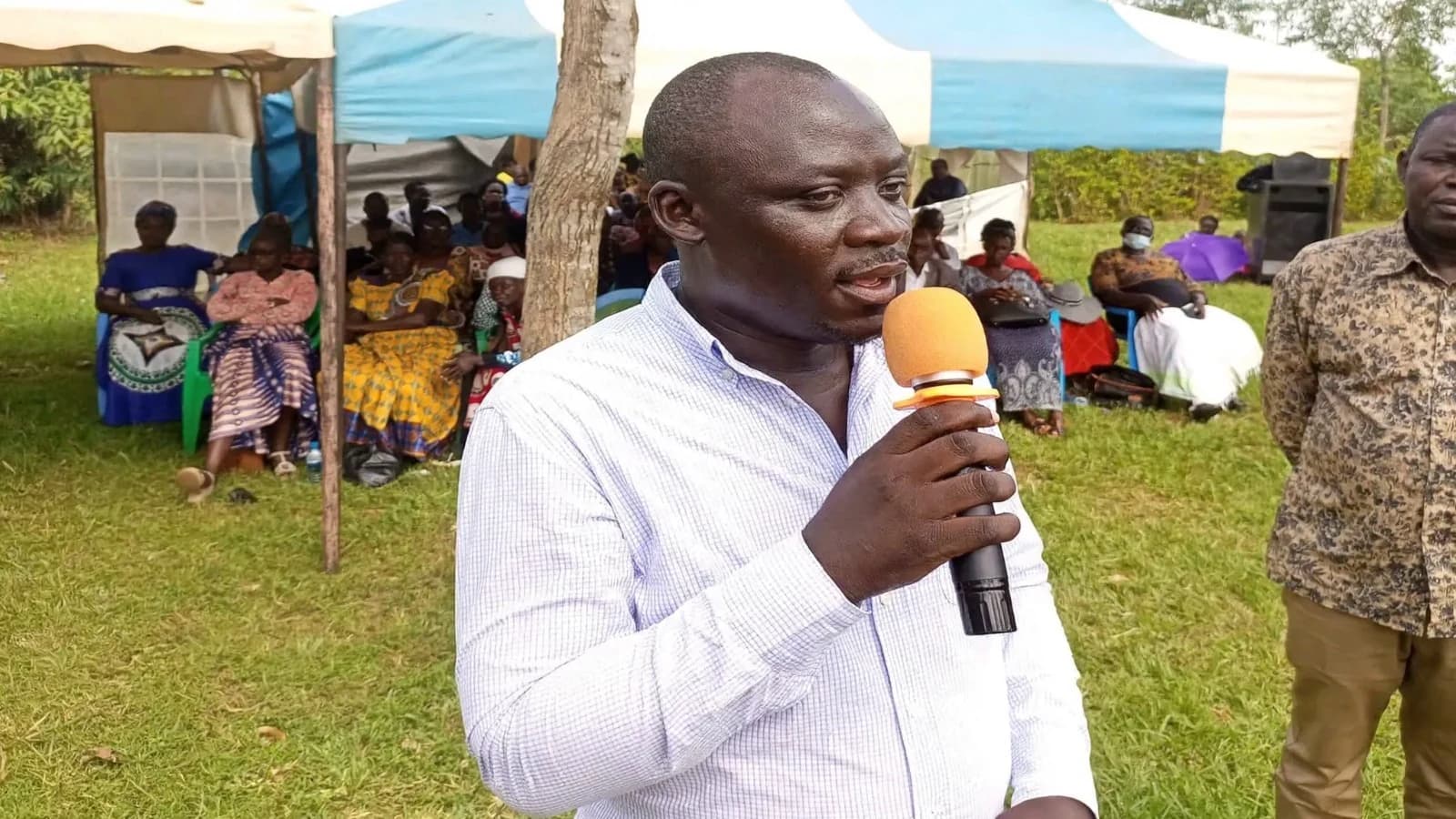
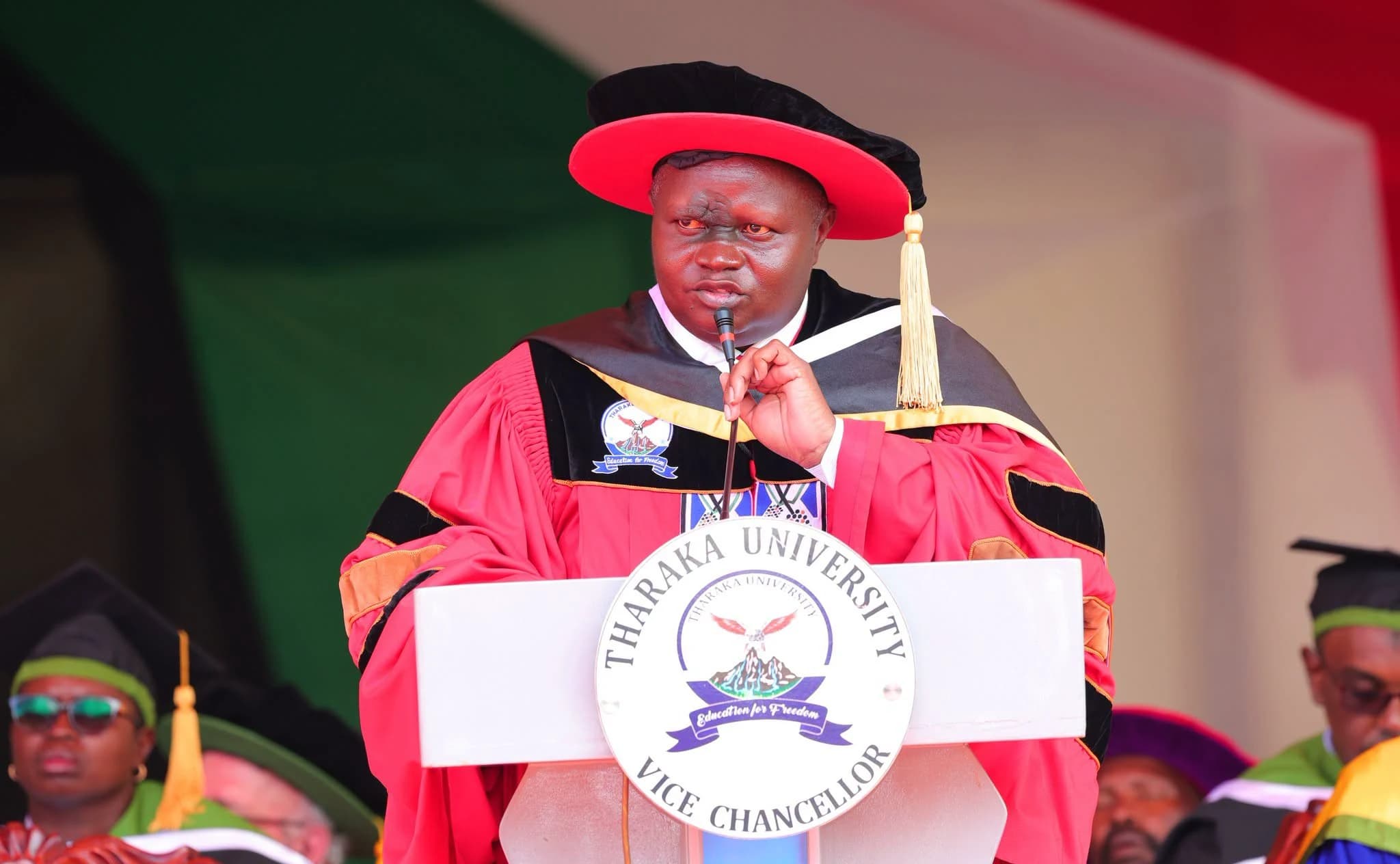

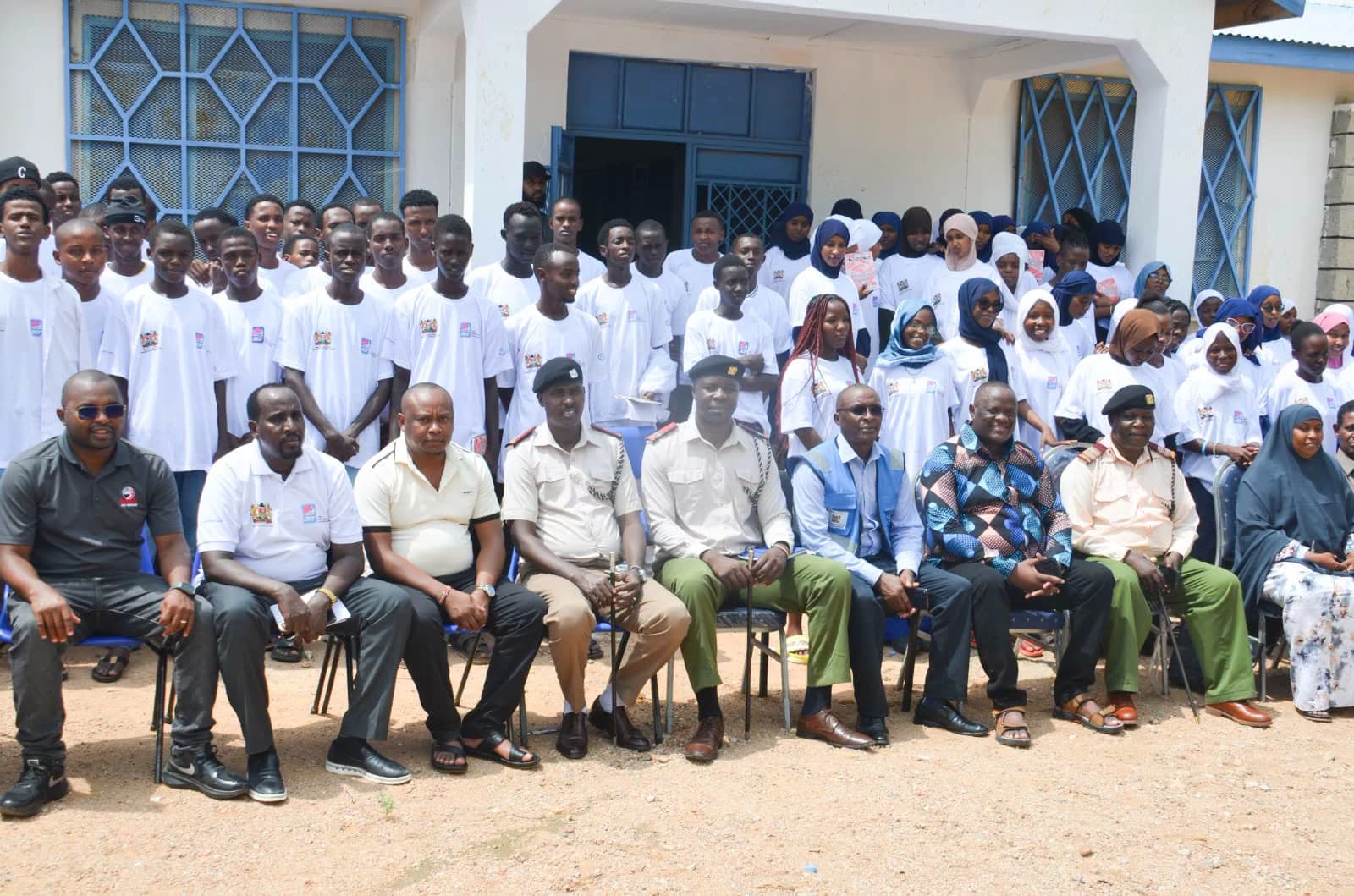
The agreement, whose signing was overseen by Khwisero MP Christopher Aseka, is expected to benefit more than 200 young people during its first phase, equipping them with practical skills aligned with labour market demands.
“This morning, I oversaw the signing of a partnership agreement between Khwisero NG-CDF and Kenya Commercial Bank (KCB) to facilitate technical training programmes at Khwisero Vocational and Technical College,” Aseka said.
The initiative seeks to expand access to technical and vocational education among young people while creating opportunities for sustainable livelihoods through employment and enterprise development.
“In its first phase, the programme is expected to benefit over 200 young people by equipping them with industry-relevant technical skills to enhance employability and promote entrepreneurship,” the MP added.
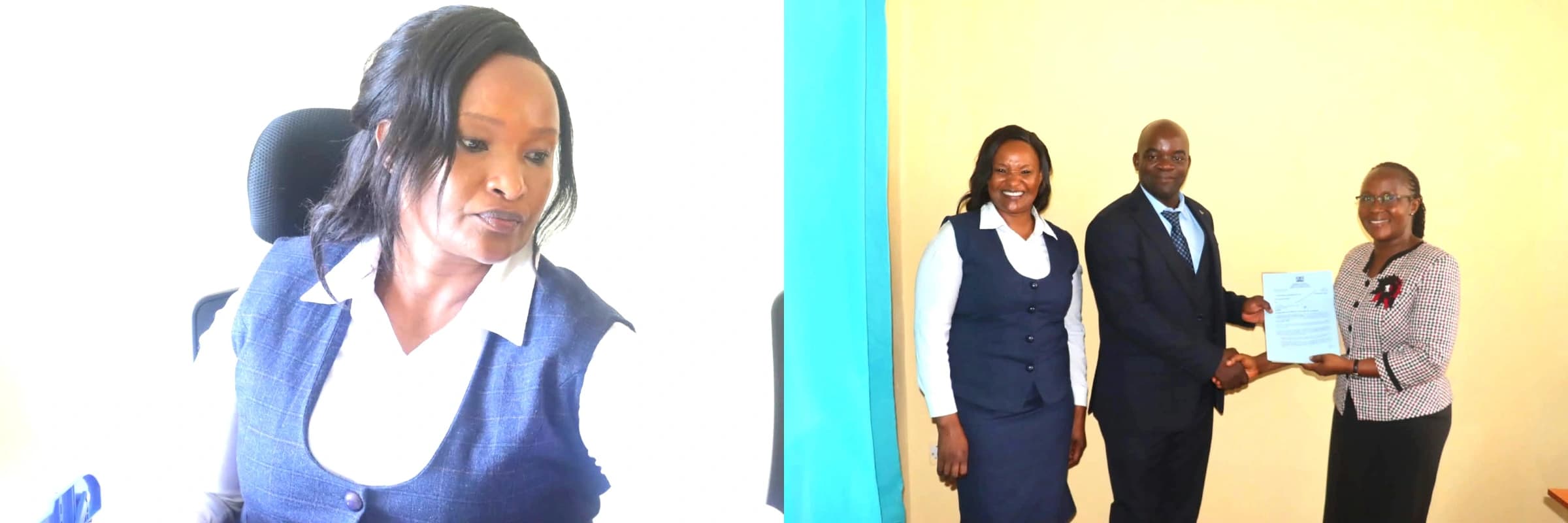
Present during the signing ceremony were KCB Regional Sales Manager Bethwel Tanui, KCB Mumias Branch Manager Valerine Masitsa, Khwisero NG-CDF Committee Chairperson Mr Obwenya and the college principal, Mabel Wanjala.
Expanding access to technical training
The partnership comes barely three months after Aseka urged young people in the constituency to embrace vocational training as an alternative pathway to employment and economic independence amid limited formal job opportunities.
In August 2026, the legislator encouraged prospective trainees to take advantage of the college’s September intake and pursue market-driven courses, including plumbing, masonry, electrical installation, welding and fabrication, and computer servicing.
He also challenged parents and guardians to abandon the perception that technical and vocational institutions are reserved for students who fail to qualify for university education.
Khwisero Technical and Vocational College, commissioned by President William Ruto in 2024, was constructed through a collaboration between Khwisero NG-CDF and the Ministry of Education.
The public institution offers artisan, certificate and diploma programmes in various disciplines, including agriculture, building and civil engineering, electrical and electronics engineering, ICT, hospitality, fashion design and automotive engineering.
The college has also introduced modular Competency-Based Education and Training (CBET) programmes to enhance flexibility in skills acquisition and align training with emerging industry demands.
KCB deepens investment in youth empowerment
The agreement adds to a growing number of partnerships between KCB and devolved and constituency-level institutions aimed at addressing youth unemployment through investment in technical and vocational education.
Through its flagship 2Jiajiri programme, launched in 2016, the KCB Foundation has supported young people through vocational training, entrepreneurship development, financial literacy, mentorship and access to business financing.
According to the foundation, the programme has trained more than 35,000 young people, supported 25,273 micro, small and medium enterprises and facilitated the creation of more than 150,000 direct and indirect jobs.
In neighbouring Mumias East Constituency, KCB Foundation previously partnered with the NG-CDF to roll out a Sh10 million technical training initiative targeting 200 young people at Wanga Technical and Vocational College during the 2024–2025 period.
A similar partnership with the Vihiga County Government saw 40 trainees graduate from Nzalwa Vocational Training Centre in September 2025, with beneficiaries receiving start-up toolkits to establish enterprises in their respective areas of specialisation.
In May 2026, another 831 young people graduated under a partnership between KCB Foundation and the Makueni County Government following a six-month technical and entrepreneurial training programme.
The Khwisero initiative is expected to strengthen the constituency’s pool of skilled artisans and technicians while opening opportunities for young people to venture into the informal sector, establish businesses and contribute to local economic development.
However, details regarding the partnership’s financial allocation, eligibility requirements, application timelines, training duration and specific courses available to beneficiaries are yet to be disclosed in the announcement.

Reader Discussion (0)
Sign in to comment