The conclusion of the 2026 Kenya Junior School Education Assessment (KJSEA) has shifted attention to the marking stage, with thousands of trained teachers awaiting deployment by the Kenya National Examinations Council (KNEC).
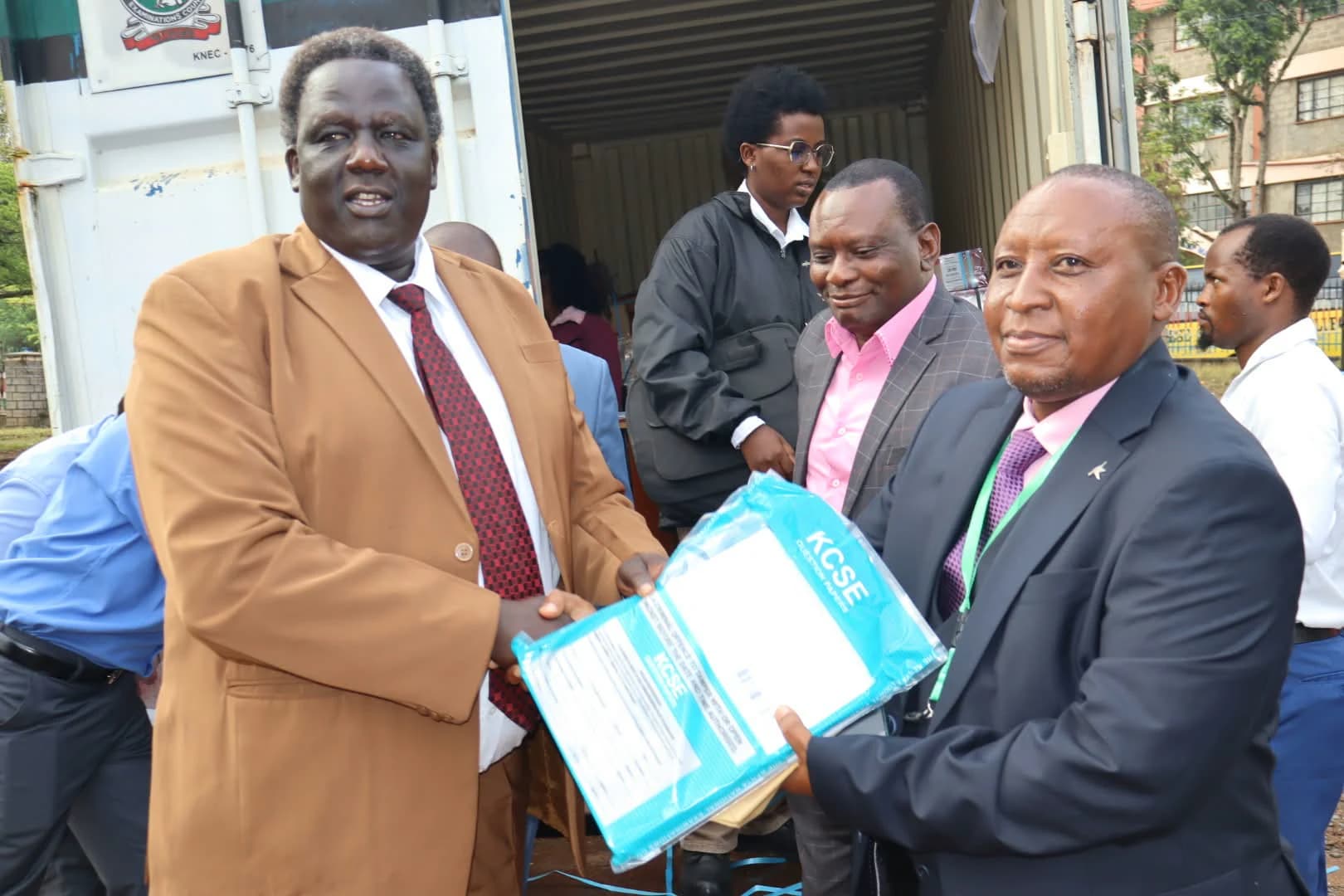
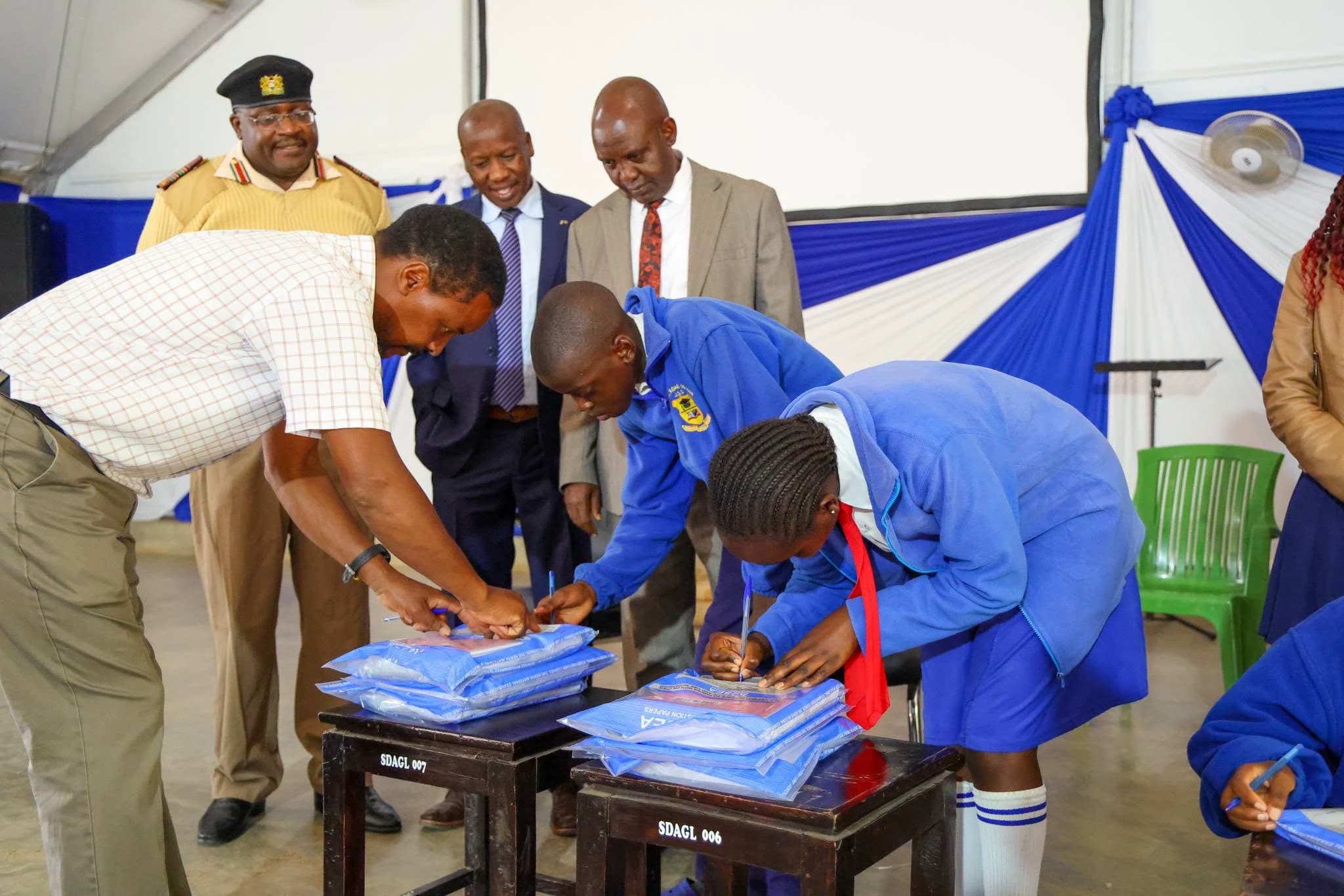
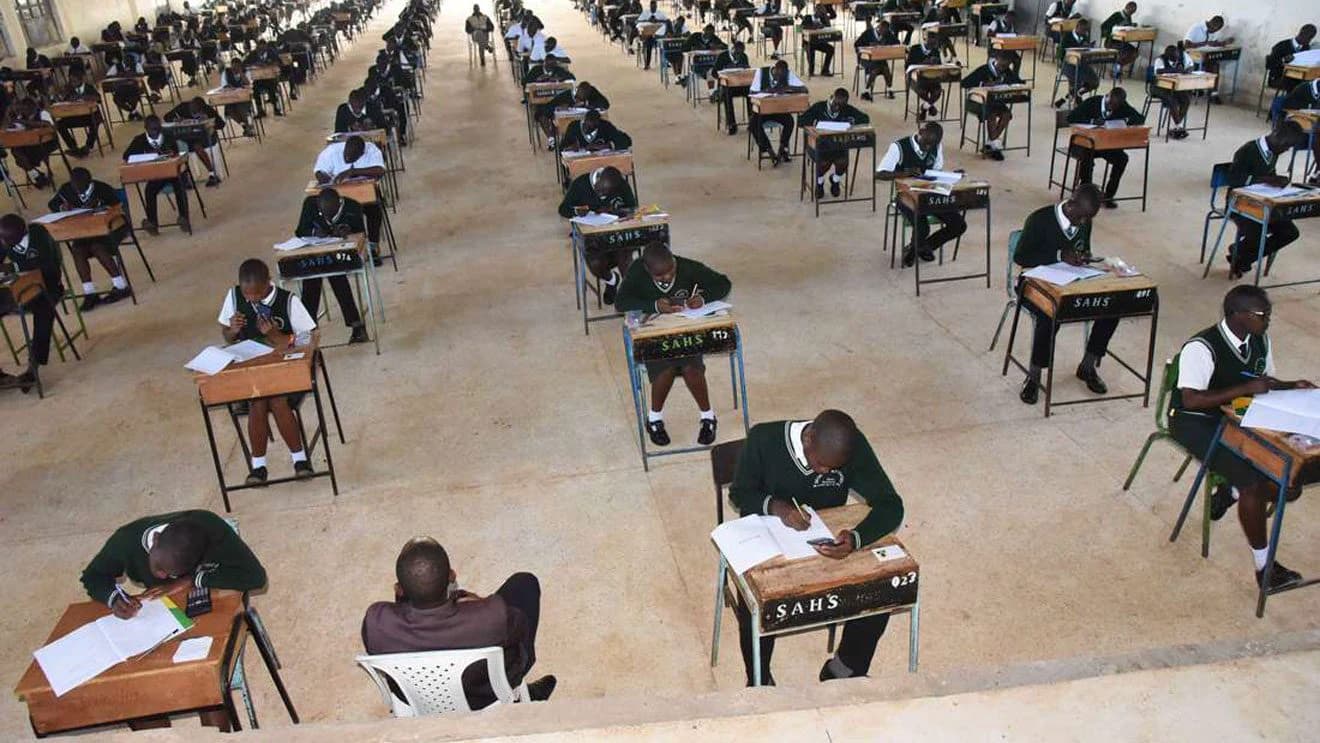
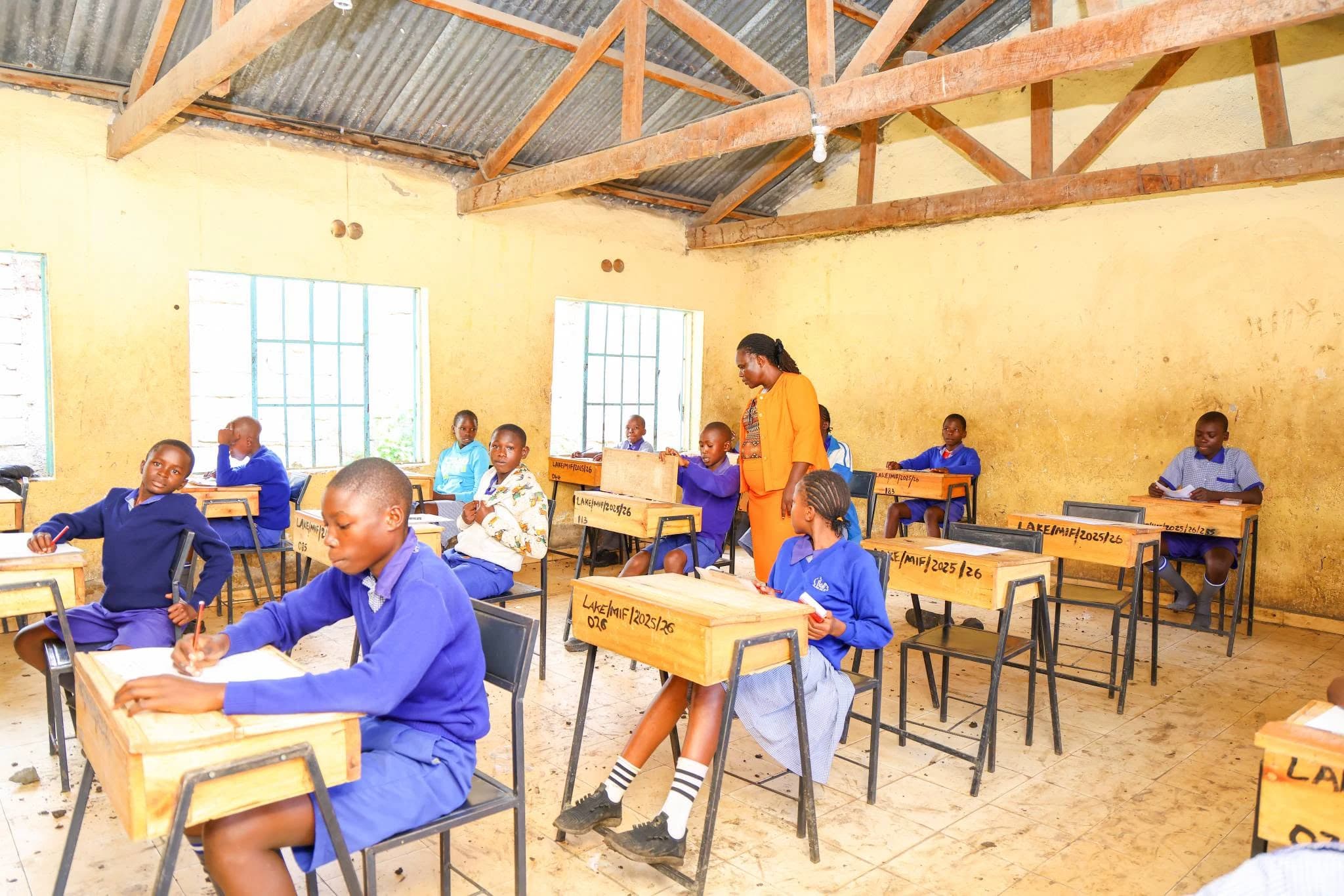
KNEC is prioritising the marking of Grade 9 scripts following the end of the five-day assessment on Friday, October 30, 2026. The exercise involves about 1.2 million candidates transitioning from junior school to senior school under the Competency-Based Education (CBE) framework.
On October 30, Basic Education Principal Secretary John Ololtuaa announced that KNEC would prioritise KJSEA marking to facilitate timely learner selection and placement into senior school. Teachers are expected to rely on official communication from the Council for confirmation of their reporting dates, subject assignments and marking centres.
The marking follows an examiner recruitment and training programme conducted ahead of the 2026 national examinations. KNEC invited shortlisted teachers to training covering both the KJSEA and the Kenya Certificate of Secondary Education (KCSE). Subject specialists and chief examiners took participants through standardised marking procedures, assessment rubrics and the expectations of the competency-based framework, with emphasis on critical thinking, practical application, problem-solving, creativity and learners' ability to communicate their understanding.(Education News Kenya — https://educationnews.co.ke/news/knec-prioritises-marking-of-1-2-million-kjsea-scripts-as-trained-examiners-await-deployment)
Eligibility requirements reported during recruitment included active employment under the Teachers Service Commission (TSC) or the Public Service Commission (PSC), a minimum Diploma in Education, at least three years of teaching experience, a clean disciplinary record and endorsement by the head of institution. The reported age limit was 50 years, and shortlisted participants were required to pay a training fee of Sh10,500.
Education-sector reports have named several institutions as venues for the 2026 marking exercise. They include Moi Girls School, Nairobi, for Kiswahili Paper 2; St George's Girls School, Nairobi, for Christian Religious Education (CRE); and Alliance High School for Creative Arts and Sports and English Paper 2. Others are Pangani Girls for Pre-Technical Studies, Maryhill Girls for Social Studies, Isinya Girls for Integrated Science, Starehe Boys Centre for Agriculture and Mang'u High School for Mathematics.
The allocations remain pending confirmation through official KNEC deployment messages, and examiners have been cautioned against making travel arrangements based on social media announcements or unofficial lists.
Reports circulating in the education sector indicate a proposed payment structure of Sh35 per script, a basic payment of Sh1,500 and a daily coordination allowance of Sh250. The figures are yet to be verified against the applicable KNEC payment circular.
At those rates, a teacher marking 1,000 scripts would earn Sh35,000 from the scripts alone. Adding the basic payment of Sh1,500 and the coordination allowance of Sh250 for 10 days would bring the total to Sh39,000. The actual amount would depend on the confirmed remuneration, the number of scripts handled and applicable allowances.
Reported payments for the 2025 KJSEA marking, inclusive of a Sh15,000 advance, varied across learning areas. English examiners received Sh48,000, Kiswahili Sh35,000, Mathematics Sh37,000, Integrated Science Paper 1 Sh42,000 and Integrated Science Paper 2 Sh57,000. Agriculture and Nutrition earned Sh42,000, Pre-Technical Studies Sh45,000, CRE and Islamic Religious Education (IRE) Sh33,000, Social Studies Sh36,000 and Creative Arts and Sports Sh75,000, the highest reported figure. Remuneration arrangements and workloads may differ this year.
The 2026 KJSEA used different question formats, requiring a combination of automated and human marking. Multiple-choice questions, including those in selected English and Kiswahili papers, were answered on Optical Mark Recognition (OMR) sheets, which are scanned and scored automatically.
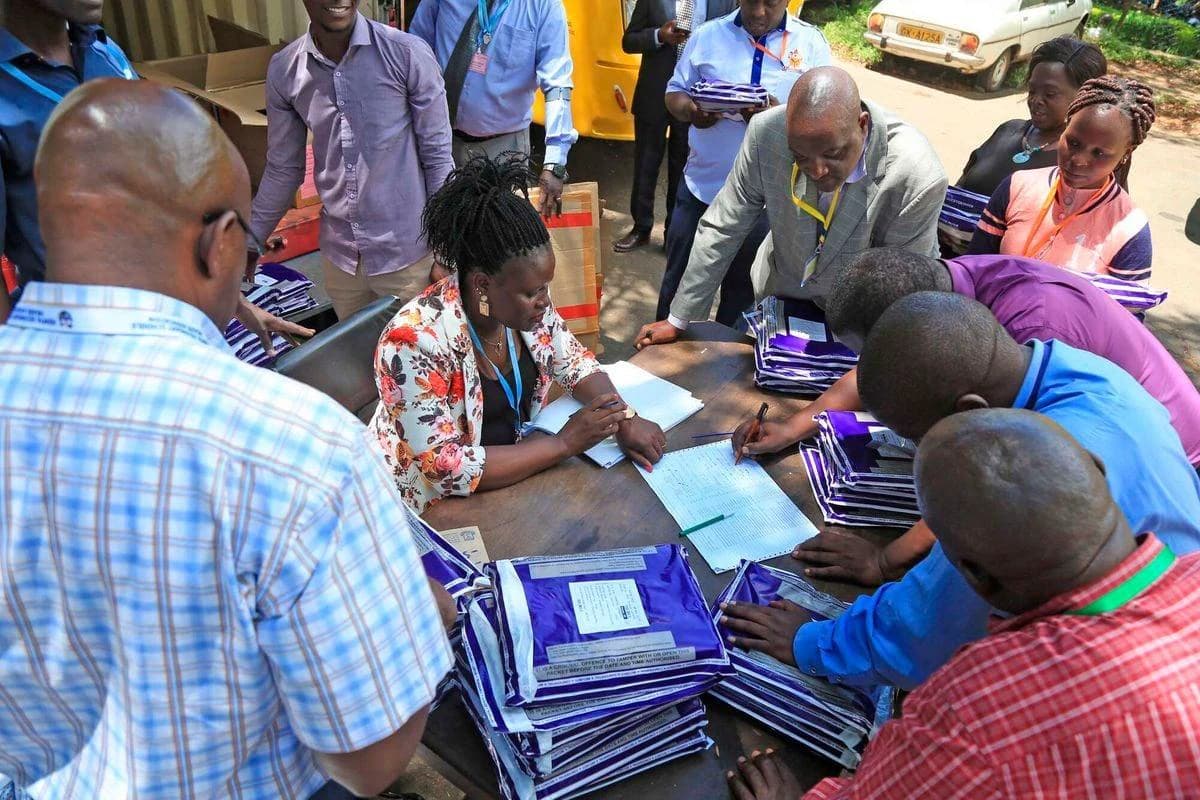
Papers with open-ended questions, where learners explain concepts, show mathematical procedures, give scientific reasoning and produce creative responses, require human examiners to apply professional judgement in line with approved marking schemes. Mathematics examiners, for instance, must assess reasoning and recognise acceptable alternative methods, while language examiners evaluate expression, grammar, organisation and creativity. Standardisation is meant to ensure that candidates are treated fairly and consistently regardless of their examination centres.
The next milestone after marking will be the release of results and the placement of learners into senior school. December 2026 has been widely anticipated as the results period, although a date is yet to be announced officially by KNEC or the Ministry of Education. The government intends the process to support the January 2027 transition into Grade 10.
Unlike the previous terminal examination, the KJSEA is designed to assess learner progress and inform placement rather than award a final basic education qualification. Candidates receive assessment reports reflecting their performance across the learning areas. Under CBE, the final basic education assessment takes place at Grade 12, leading to the Kenya Certificate of Basic Education (KCBE).
Trained examiners have been advised to remain attentive to official KNEC communication and to confirm their reporting dates, marking centres and subject assignments before travelling. They are also expected to carry their National Identity Cards and employment identification documents, and to make arrangements with their schools and families for an extended stay away from home.
Teachers have also been cautioned against individuals who claim they can secure marking opportunities in exchange for money. Deployment and payment information should be verified through official KNEC channels.
Beyond the income, the marking exercise exposes examiners to learners' strengths, weaknesses and common mistakes, which can help improve classroom instruction and assessment techniques.





Reader Discussion (0)
Sign in to comment