







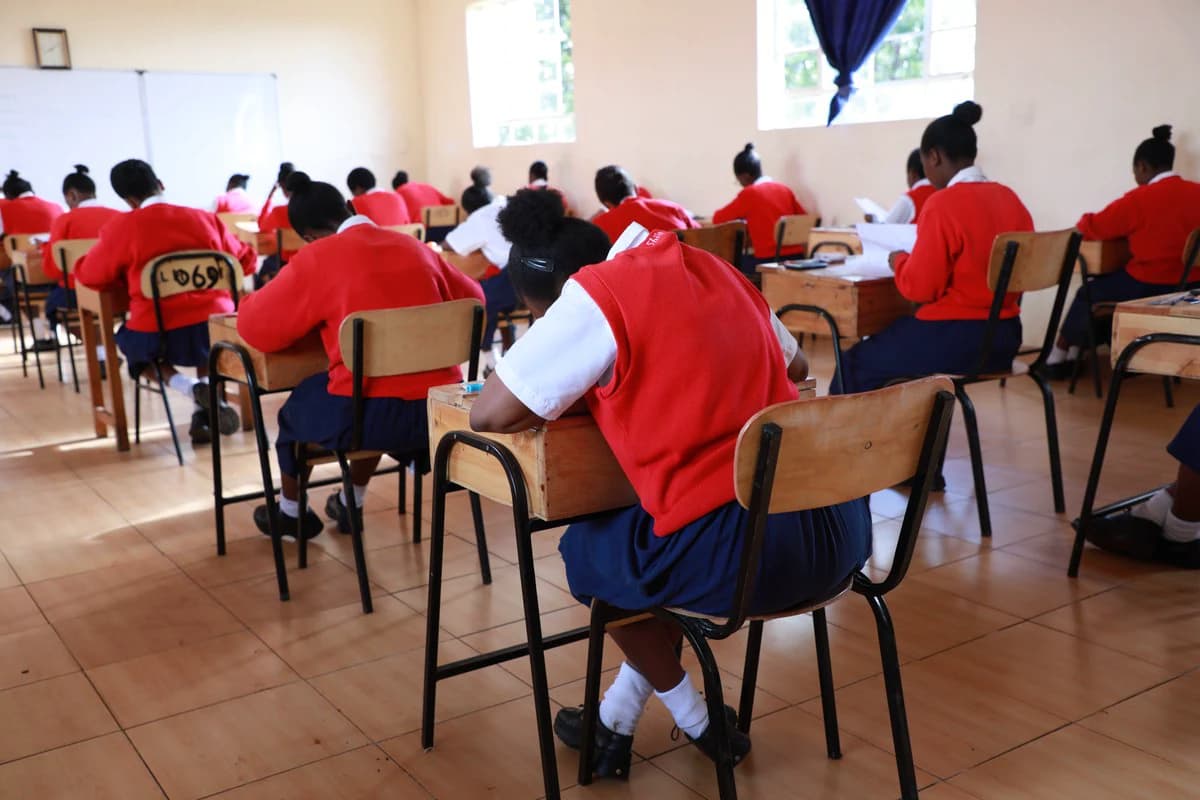
At first glance, these gestures are heartwarming. They communicate parental love, appreciation and pride. After years of school fees, examination pressure, sleepless nights, discipline and financial sacrifice, parents understandably feel entitled to celebrate with their children. However, beneath the beautiful photographs and emotional videos lies an important question: are we celebrating the completion of an examination or gradually turning academic milestones into competitions in material extravagance?
Recognising effort and strengthening family bonds
There are several positive aspects to this emerging culture of rewarding candidates. First, it acknowledges the emotional and psychological demands of secondary education. Preparing for KCSE is not an ordinary undertaking. Candidates endure academic pressure, strict school routines, limited family time and the anxiety associated with national examinations. Completing the examination is therefore a significant personal achievement, regardless of the eventual grade. A bouquet of flowers, a family dinner or even a car can communicate something every young person needs to hear: we appreciate your effort, and we are proud of you.
Secondly, such gestures can strengthen family relationships. Many parents spend years providing for their children’s education, sometimes making enormous sacrifices that children may not fully appreciate. A celebration creates an opportunity for families to reconnect after years of separation. It also allows parents to express affection beyond the usual language of paying fees, buying uniforms and providing necessities. In a society where some parents struggle to communicate their emotions, a thoughtful gift can become a powerful expression of love.
Thirdly, rewarding candidates can help build positive motivation. Recognition is an important component of human development. Children who feel appreciated are likely to develop confidence and a sense of belonging. A parent who rewards a child for discipline, resilience and commitment sends a message that effort matters. Importantly, the reward need not be expensive. A handwritten letter, a Bible, a meaningful book, a wristwatch or a simple family outing can carry enormous sentimental value.
There is also an argument that parents should be allowed to enjoy the fruits of their labour. If a family can comfortably afford to buy its child a car after completing secondary school, there is little justification for condemning that decision. Parents have different financial capacities, and celebrating a child’s milestone should not be subjected to unnecessary public judgement. What is extravagant to one family may be perfectly affordable to another. We should therefore avoid confusing financial privilege with moral failure.
The risks of comparison and material expectations
Nevertheless, this growing trend presents some concerns that deserve serious consideration.
The first is the danger of creating unhealthy comparisons among young people. Social media has transformed private family celebrations into public spectacles. A candidate who receives a car may attract thousands of congratulatory comments, while another whose parents can only afford a modest family meal may feel less appreciated. Children may begin measuring parental love through the monetary value of gifts. This is dangerous because it introduces material expectations into an achievement that should primarily be about personal growth, discipline and the completion of an important educational journey.
Secondly, there is the risk of encouraging entitlement. A young person who receives an expensive gift every time they complete an academic milestone may gradually develop an expectation that every achievement must come with a material reward. What happens when they complete university? What gift will be expected after securing their first job, getting married or achieving another significant milestone? Parents must be careful not to create a culture where children associate every responsibility or achievement with financial compensation.
Thirdly, the timing of these celebrations raises questions. KCSE candidates have completed their examinations, but they have not yet received their results. Completion of an examination is an achievement in itself, but it is different from demonstrating academic performance. Parents should celebrate the effort and perseverance without creating the impression that the outcome has already been determined. A car should not become a declaration of academic excellence before the results are known.
There is also the question of financial priorities. Some parents may feel pressured by social media to imitate celebrations beyond their means. In an environment where families are struggling with school fees, household expenses and other economic responsibilities, borrowing money to purchase expensive gifts simply to impress an online audience would be misplaced. A child’s future should not be compromised to create a momentary social media impression. No parent should take a loan to buy a car merely because another parent has done so.
Preparing candidates for life beyond school
More importantly, we must ask whether we are adequately preparing these young people for the next chapter of their lives. Completing KCSE is not the destination; it is a transition. The candidates are entering a period when they must begin making important decisions about their careers, further education, relationships, financial responsibility and personal independence.
Perhaps instead of concentrating exclusively on material gifts, parents should consider investing in their children’s future. Driving lessons, financial literacy programmes, career guidance, mentorship, digital skills and opportunities for internships could be equally valuable gifts. A young person who receives a car but lacks the maturity to manage responsibility may not benefit as much as one who receives guidance on managing money, making decisions and navigating adulthood.
Equally important is the need to appreciate candidates who may not have performed exceptionally well academically. KCSE results do not determine a person’s entire future. Some candidates will obtain outstanding grades, while others will struggle. Every child deserves love, dignity and encouragement. Parents should avoid making gifts conditional on attaining particular grades. Such an approach could reinforce the dangerous perception that a child’s worth is measured by examination performance.
Ultimately, I have no objection to parents gifting their children flowers, cars or anything they can comfortably afford. Indeed, children deserve to be celebrated. However, we must distinguish between celebrating a milestone and competing for social media attention. The most meaningful gift a parent can give a child is not necessarily the most expensive one.
Let us celebrate the candidates, recognise their sacrifices and appreciate the parents who stood by them. But let us also remember that the real measure of successful parenting is not the size of the gift presented after KCSE. It is the quality of the young adult we have prepared to face the world.
A flower will eventually wither, a car will depreciate and a smartphone will become obsolete. But the values of discipline, humility, integrity, responsibility and resilience instilled in a child can last a lifetime.
Perhaps the greatest gift we can give our KCSE candidates is not something they can show off on social media, but something they can carry into the rest of their lives.
Ashford is a teacher of English and Literature and comments on education and social affairs.



Reader Discussion (0)
Sign in to comment