





The proposed government takeover of salaries for teachers employed by Boards of Management (BOMs) in public schools should be viewed not as an impossible financial burden, but as a necessary investment in the stability, equity and sustainability of Kenya’s education system.
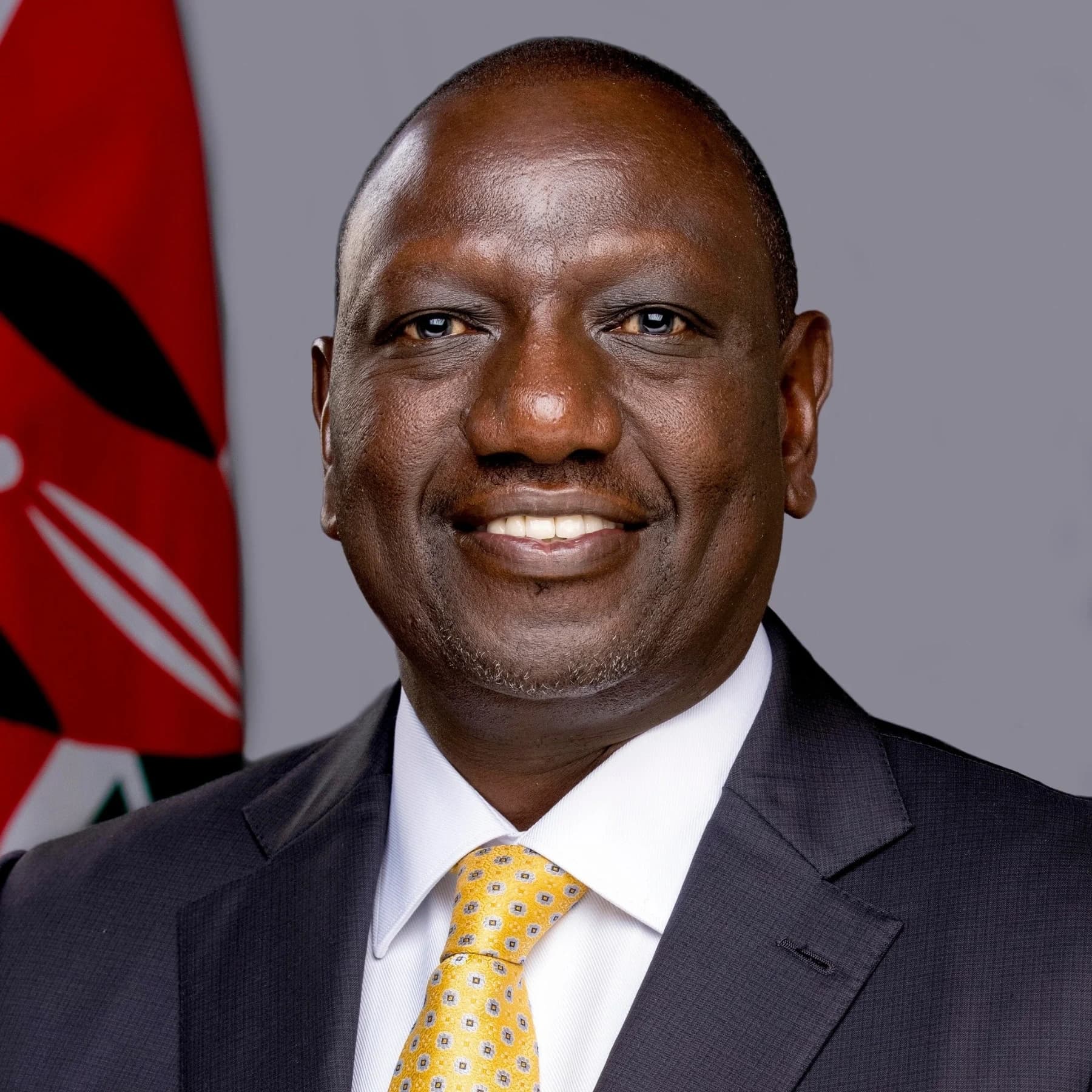
President William Ruto’s proposal for the national government to take over BOM teachers’ salaries offers an opportunity to recognise the contribution of educators who help public schools sustain teaching and learning activities despite staffing shortages.
Yet, despite their contribution, many remain outside the regular TSC employment establishment, with their salaries and working conditions largely dependent on the financial capacity of individual schools.
The argument that taking over their salaries could be too expensive must therefore be examined against actual government statistics and realistic financial projections rather than assumptions that the proposal is financially unachievable.
The workforce numbers and projected cost
The Ministry of Education’s Basic Education Statistical Booklet 2020 provides an important historical benchmark for establishing the size of the BOM teaching workforce.
According to the publication, public primary schools had 33,783 BOM teachers, comprising 17,095 men and 16,688 women. Public secondary schools had an additional 48,626 teachers employed by Boards of Management.
Combined, the two categories accounted for 82,409 BOM teachers.
These figures provide a stronger statistical foundation for the financial argument than the separate figure of 26,813 reported by The Standard on May 15, 2020, in an article titled Kenya short of 50,000 teachers, says State, which attributed the number to then TSC Chief Executive Officer Nancy Macharia during a presentation before Parliament’s Education Committee.
The difference between the two reported figures makes it important to identify the source and school category whenever BOM teacher statistics are quoted. For purposes of a preliminary national budget projection, the Ministry’s published primary and secondary school figures provide a useful historical benchmark.
However, the 82,409 figure is from 2020 and should not be presented as the verified number of BOM teachers currently serving in Kenya. A fresh national audit is necessary to establish the actual 2026 population, including teachers in the different levels of basic education.
Using the Ministry of Education’s historical figure of 82,409 teachers, the financial implications of the proposed government intervention become clearer.
If each eligible BOM teacher received KSh15,000 monthly, the government would require KSh1,236,135,000 every month to meet their basic salary obligations.
Annually, this would translate into KSh14,833,620,000, or approximately KSh14.83 billion.
Each teacher would receive KSh180,000 annually under the proposed monthly payment benchmark.
This is a substantial allocation, but it should not automatically be interpreted as an expenditure beyond the country’s capacity. It is a quantifiable financial commitment that can be assessed, prioritised and incorporated into medium-term national budget planning.
The central argument should therefore shift from whether Kenya can afford to pay BOM teachers to how the government can sustainably finance the programme.
The KSh14.83 billion projection represents basic salaries only. It excludes employer contributions, medical insurance, pension obligations, allowances and administrative expenses. The eventual government expenditure could consequently be higher, depending on the employment framework adopted.
Nevertheless, the figures demonstrate that the proposed intervention can be translated into a concrete budgetary commitment rather than remaining an abstract political promise.
The government could introduce the programme progressively, beginning with a verified register of eligible teachers and providing dedicated annual allocations until the entire eligible workforce is covered.
Such an arrangement would allow the Treasury and the Ministry of Education to plan expenditure while avoiding an abrupt financial burden on the national budget.
More importantly, the investment must be assessed against the wider responsibility of providing quality public education. The government already finances teacher recruitment, salaries, promotions, infrastructure, learning materials and other education programmes. Ensuring that teachers who are already delivering public education receive predictable remuneration should form part of that responsibility.
Employment terms and the need for a national audit
BOM teachers are not outsiders to Kenya’s education system. They are part of the human resource that sustains public schools, particularly where staffing shortages threaten effective curriculum delivery.
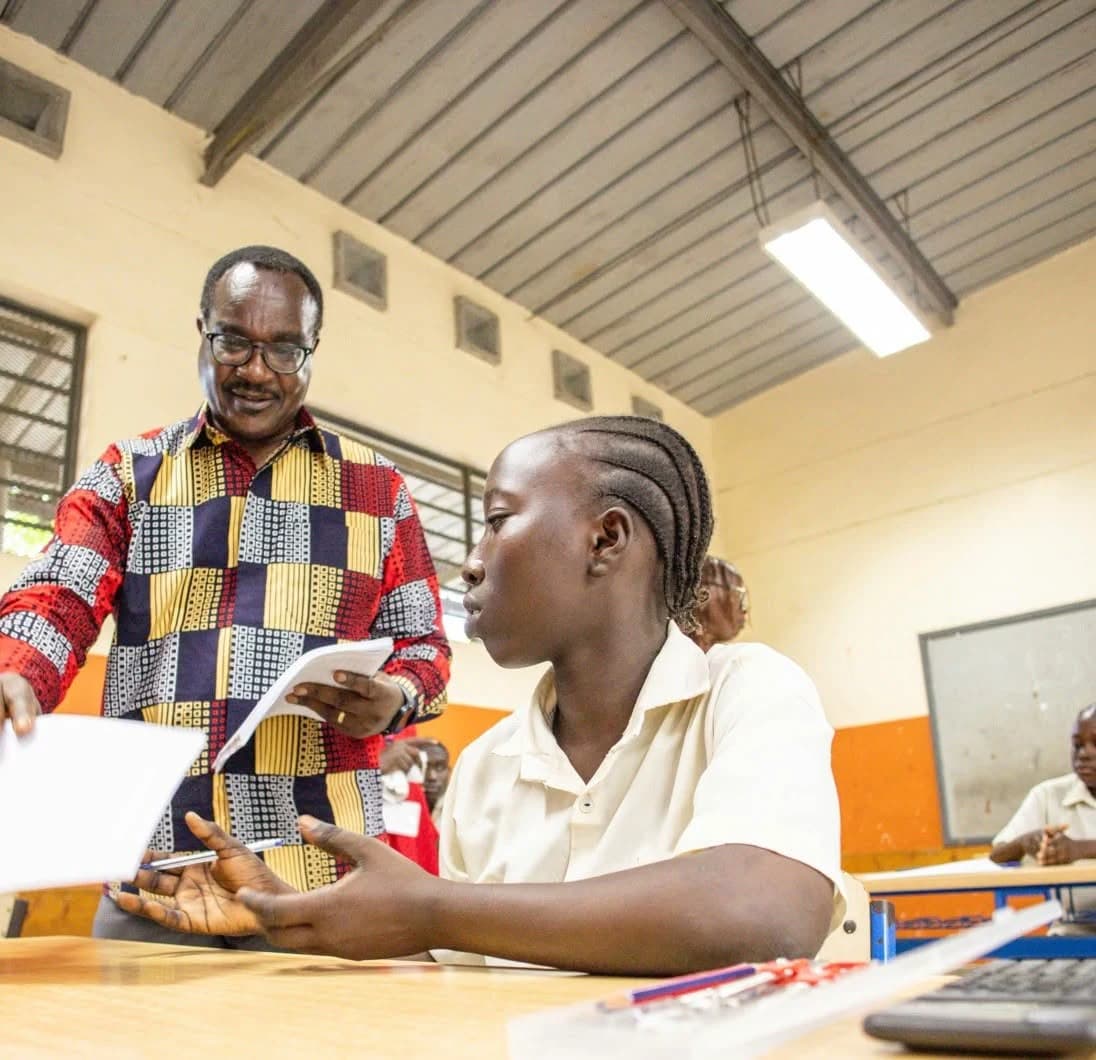
Many perform responsibilities comparable to those of teachers directly employed by the TSC, including classroom instruction, learner assessment, preparation of professional records and implementation of the Competency-Based Education curriculum.
Despite these comparable responsibilities, their remuneration, employment security and access to professional benefits can differ considerably.
Some BOM teachers have historically earned less than KSh10,000 monthly, according to previous education-sector reporting, although actual payments vary depending on individual schools’ financial capacities.
A proposed minimum payment of KSh15,000 monthly would provide a starting point for addressing this disparity. However, it should not become a ceiling on their professional worth.
Teachers’ qualifications, professional registration, teaching experience and responsibilities should inform a fair remuneration framework.
The government must also recognise that taking over salary payments and fully absorbing teachers into the TSC establishment are two different policy decisions.
If the intention is to integrate eligible BOM teachers into the regular TSC workforce, the Commission and the Ministry of Education must explain how they will be placed within the existing career structure, whether their years of service will be recognised and how their access to promotions, medical benefits, pension arrangements and other employment protections will be determined.
The country also needs clarity on whether the proposed arrangement will cover primary, junior and senior schools, and whether all eligible teachers will benefit or only those who meet specified qualifications and employment requirements.
An audit by the National Gender and Equality Commission, using TSC data, covered approximately 425,613 TSC-employed teachers as at June 2025. However, this figure represents teachers under the Commission and should not be confused with the total number of educators serving in public schools because it excludes teachers employed directly by individual Boards of Management.
This distinction is important when discussing teacher shortages and national staffing requirements. Kenya cannot have a complete picture of its teaching workforce while overlooking thousands of educators already working in public institutions outside the regular TSC establishment.
A comprehensive national audit should therefore establish the exact number of BOM teachers, their qualifications, years of service, deployment, current remuneration and eligibility for government-supported employment.
The exercise should also identify the distribution of teachers across primary, junior and senior schools, establish the staffing needs of individual institutions and eliminate possible duplication in employment records.
The Ministry of Education and TSC should work together to develop a transparent database that can guide recruitment, budgetary allocation and eventual implementation.
Without accurate figures, even a well-intentioned government intervention could encounter difficulties during implementation.
Easing parents’ burden and delivering the promise
Taking over BOM teachers’ salaries would also address another longstanding challenge: the financial pressure placed on parents through school-level arrangements for recruiting additional teachers.
Public education should not depend excessively on parents’ ability to finance essential teaching positions through additional levies.
Schools in economically disadvantaged communities often face greater difficulties raising sufficient resources to employ additional teachers. Consequently, learners in institutions with limited financial capacity may experience greater staffing challenges than those in better-resourced schools.
A government-funded arrangement would help reduce these inequalities by shifting responsibility for essential teaching personnel towards the national education financing framework.
It would also provide schools with greater predictability in staffing and help protect learning continuity.
However, the government must balance this commitment against other competing demands, including TSC recruitment, teacher promotions, infrastructure development, learning materials and the implementation of Competency-Based Education.
The answer should not be to abandon BOM teachers because of the cost, but to establish a sustainable financing model that recognises the importance of their contribution.
The proposed takeover presents an opportunity to correct an employment imbalance that has persisted for years in Kenya’s public education system.
The historical Ministry of Education figures provide a useful starting point. At KSh15,000 per teacher monthly, the estimated annual basic salary requirement for 82,409 teachers would be approximately KSh14.83 billion.
That amount is significant, but it is also measurable and capable of being incorporated into a carefully structured national financing programme.
The actual commitment will depend on an updated headcount, the final salary structure and the terms under which eligible teachers will be employed.
Ultimately, the government must move beyond announcing that it intends to pay BOM teachers. It must explain how many educators will benefit, how much each will earn, what employment status they will enjoy and how the programme will be financed over the long term.
For thousands of teachers who have continued serving public schools despite low remuneration and uncertain employment conditions, this proposal represents an opportunity for long-awaited recognition.
Kenya cannot demand better learning outcomes, successful curriculum implementation and improved educational standards while overlooking the welfare of a workforce that helps make those objectives possible.
Paying BOM teachers should therefore not be treated merely as an additional expenditure competing for limited resources. It should be recognised as an investment in teachers, learners and the future of public education.
The real test of the government’s commitment will not be the announcement of a payroll takeover, but whether it can translate that promise into fair remuneration, employment security and professional dignity.
Kenya can afford to plan for this investment. What is required now is accurate data, political commitment, transparent implementation and a sustainable budgetary framework.

Reader Discussion (0)
Sign in to comment