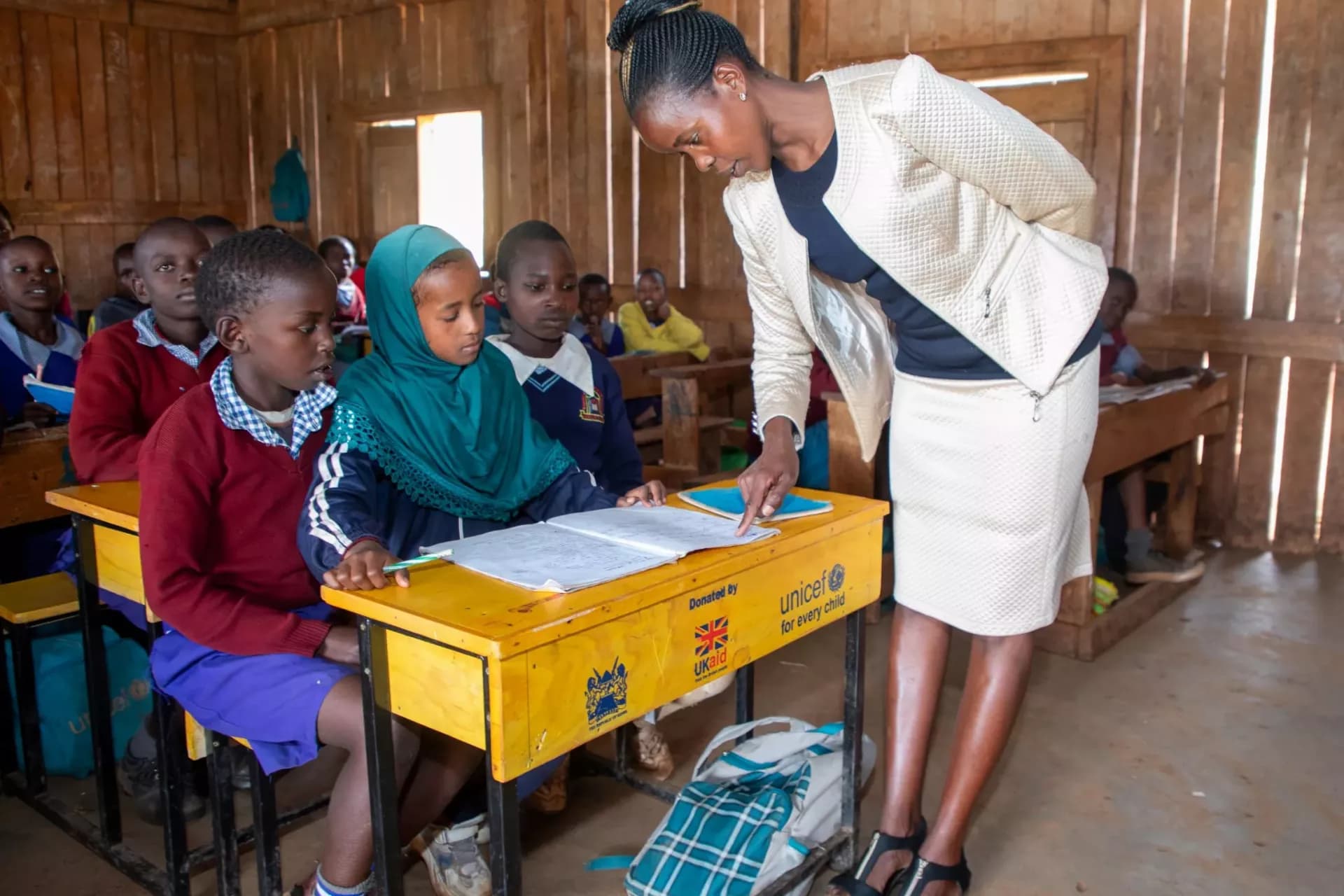
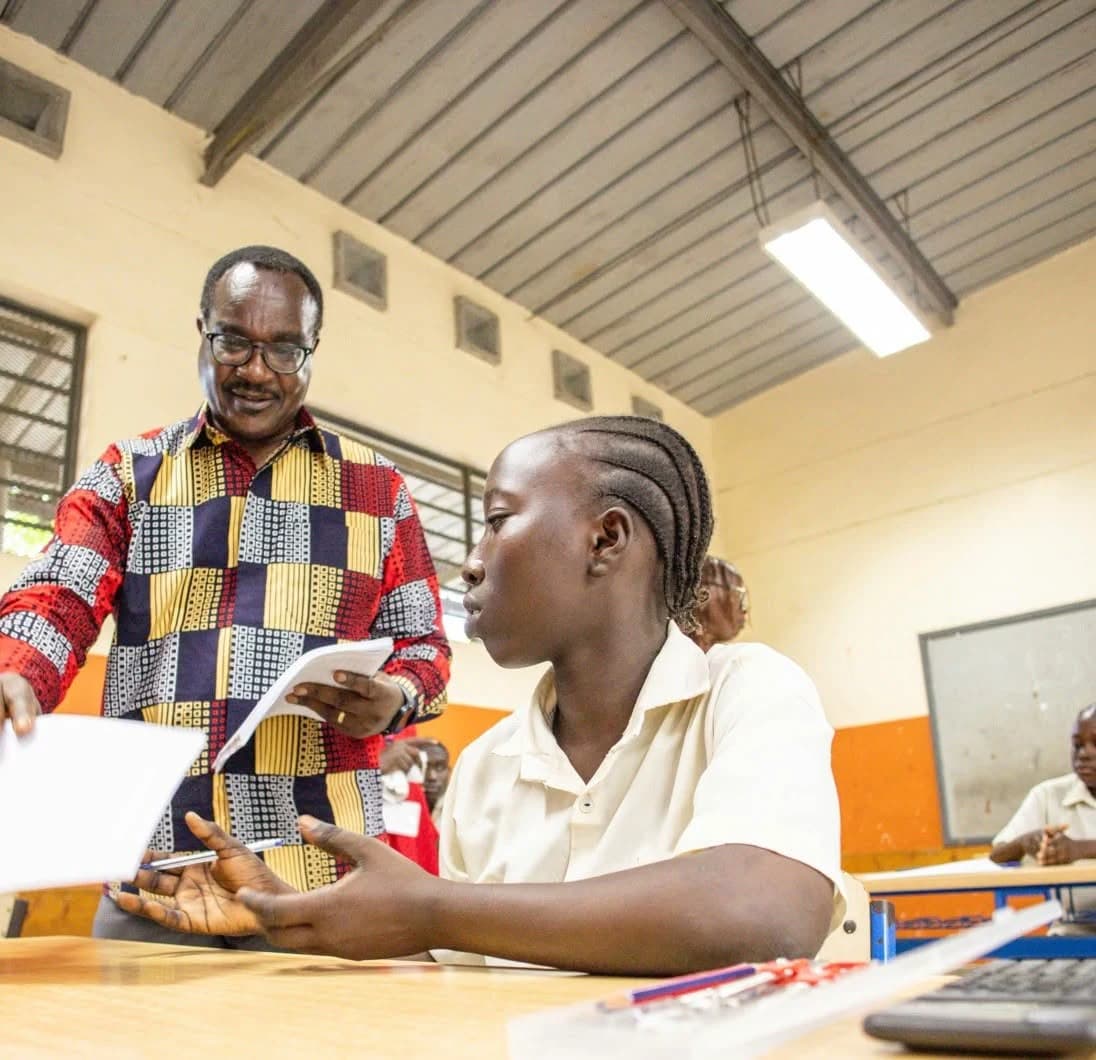




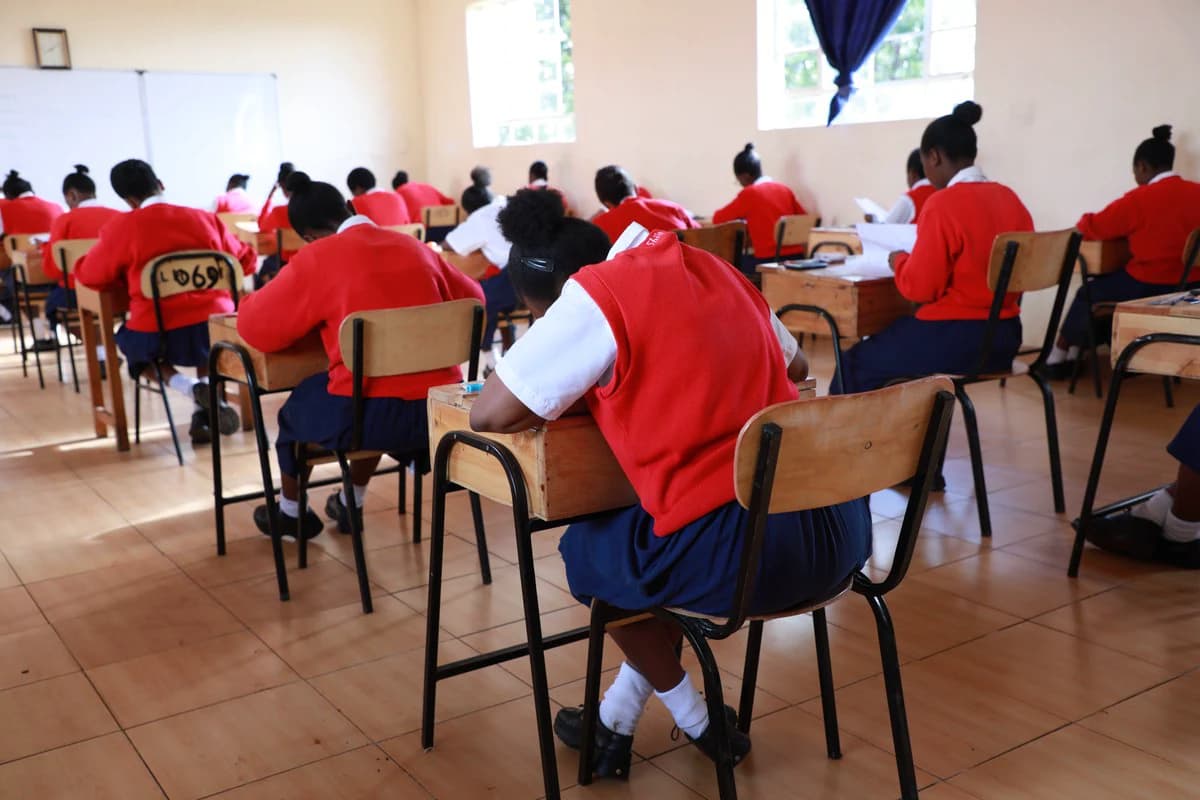
With 3,634,846 learners registered for the Kenya Primary School Education Assessment (KPSEA), Kenya Junior School Education Assessment (KJSEA) and Kenya Certificate of Secondary Education (KCSE), the exercise represented one of the largest coordinated education undertakings in the country’s history.
The three assessments brought together the Ministry of Education, the Kenya National Examinations Council (KNEC), the Teachers Service Commission (TSC), security agencies, school administrators and thousands of contracted examination professionals.
Although the government deserves recognition for coordinating the exercise despite flooding, insecurity, difficult terrain and logistical constraints, the season also raised serious questions about examination financing, teacher remuneration, learner retention, technological preparedness and the country’s readiness to implement the Competency-Based Education (CBE) system fully.
The experience has demonstrated that Kenya can organise examinations involving millions of candidates. What remains uncertain is whether the country has established a sufficiently sustainable administrative and financial framework to manage the growing demands of national assessments without repeatedly relying on emergency interventions.
An unprecedented national assessment undertaking
The 2026 examination season involved 1,380,463 KPSEA candidates, 1,206,028 KJSEA candidates and 1,048,355 KCSE candidates, bringing the combined candidature to 3,634,846 learners.
The figures demonstrate the enormous responsibility placed on KNEC, which had to coordinate examination materials, centre managers, invigilators, supervisors, security personnel, transport arrangements and marking programmes across the country.
The administration of the three assessments was particularly significant because Kenya is managing two education systems during the transition from 8-4-4 to CBE.
While KCSE continues to serve candidates completing the traditional secondary education cycle, KPSEA and KJSEA are increasingly important in evaluating learning progress and facilitating progression within the new curriculum.
The completion of the field administration exercise was therefore an important achievement. However, the growing number of candidates also raises questions about whether examination infrastructure, personnel and financing are expanding at the same pace as enrolment.
Technology and multi-agency coordination
One of the strongest aspects of the 2026 examination administration was coordination between KNEC, the Ministry of Education, TSC, the Ministry of Interior and other government agencies.
The use of digital security measures, including smart examination-container padlocks, strengthened monitoring and accountability during the storage and distribution of examination materials.
The deployment of security personnel and alternative transportation arrangements also helped safeguard examination materials and ensure that learners in difficult-to-access regions were not unnecessarily disadvantaged.
The government demonstrated flexibility by responding to logistical disruptions and providing special arrangements for candidates whose circumstances required additional assistance.
These developments show that technology and inter-agency cooperation can significantly improve examination administration.
Nevertheless, technology should complement rather than replace professional supervision, effective planning and institutional accountability.
The funding crisis facing KNEC
Perhaps the biggest structural weakness exposed during the examination season was the financial pressure facing KNEC.
Earlier budget estimates placed the examination administration requirement at approximately KSh14.7 billion against an allocation of KSh9.9 billion. Subsequent reporting indicated a higher overall requirement of approximately KSh16.6 billion, leaving an estimated funding gap of KSh6.7 billion.
The figures expose a fundamental contradiction in Kenya’s education administration: the country continues to expand its assessment responsibilities without consistently providing the examination council with sufficient and predictable financing.
The consequences extend beyond printing examination papers.
KNEC must finance transportation, security, assessment materials, technology, marking centres and payments to thousands of contracted professionals.
Delayed payments and accumulated obligations risk undermining the willingness of qualified teachers and other professionals to participate in future examination exercises.
The solution lies in establishing a protected, multi-year examination financing framework. The National Treasury and Parliament should ensure that KNEC receives adequate funding before the examination calendar begins.
The council should also publish transparent budgets distinguishing expenditure on printing, transportation, invigilation, marking, technology and school-based assessments.
Kenya cannot sustainably expand national examinations while treating their financing as an annual emergency.
Floods and insecurity expose logistical weaknesses
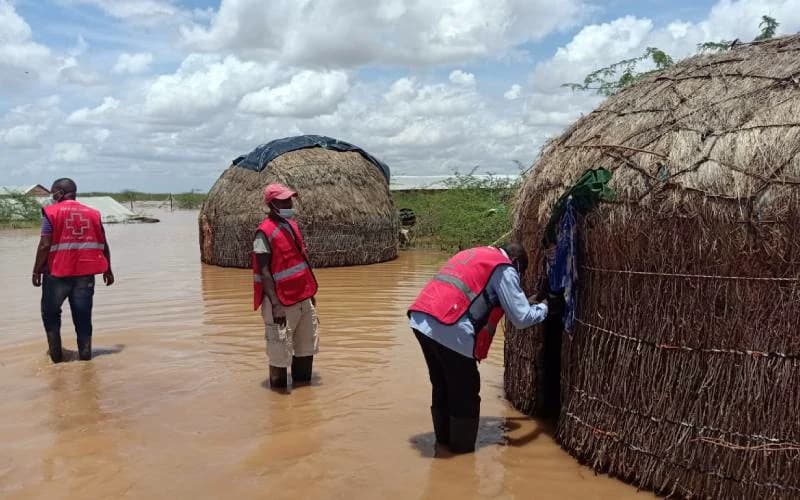
Heavy rainfall and insecurity disrupted examination administration in several parts of the country.
Flooded roads, damaged infrastructure and inaccessible communities complicated the transportation of examination materials. Insecurity in some regions also necessitated additional security arrangements and the temporary relocation of examination centres.
The deployment of helicopters and alternative transportation arrangements was commendable, but such interventions should not become the country’s permanent response to predictable seasonal challenges.
The Ministry of Education and KNEC should develop a permanent national examination contingency framework.
Every county should maintain updated risk maps identifying flood-prone areas, insecurity hotspots, remote schools and examination centres likely to become inaccessible during adverse weather.
Alternative examination distribution centres, emergency transport arrangements and reliable communication networks should be established before the examination season begins.
County governments should also prioritise access roads to schools and examination centres, particularly in remote communities.
The missing learners question
Another important issue emerging from comparisons of previous examination cohorts and current candidature figures is the need to strengthen learner tracking.
A comparison of earlier KCPE and KPSEA cohorts with the 2026 KCSE and KJSEA registrations raised questions about a difference of approximately 260,679 learners between the respective candidature figures.
The difference should not automatically be interpreted as proof that all these learners dropped out of school. Transfers, repetition, migration, changes in assessment participation and other circumstances may explain some of the discrepancy.
Nevertheless, the figures raise serious questions about the effectiveness of the 100 per cent transition policy and Kenya’s ability to track learners throughout their educational journey.
The Ministry of Education should establish a reliable national learner-tracking system linking enrolment records from primary school through junior school and senior school.
Every learner should have a unique education identifier that follows them throughout their schooling.
Where a learner fails to appear in subsequent school records or examination registration, the system should flag the case for verification by local education officers.
Sub-county directors, headteachers and relevant community structures should participate in identifying and tracing learners who interrupt their education.
The government must move beyond celebrating transition percentages and demonstrate how many children actually remain in education until completion.
KJSEA tests the CBE transition
The 2026 KJSEA was arguably the most consequential assessment from the perspective of the ongoing curriculum transition.
With 1,206,028 Grade 9 learners registered, the assessment represented an enormous administrative undertaking because its outcomes are central to the transition into senior school.
Unlike the traditional examination model, KJSEA operates within a broader assessment framework that considers learners’ competencies and performance across different learning areas.
The challenge is ensuring that assessment outcomes translate into fair, transparent and timely placement.
KNEC must complete marking, verification and processing accurately, while the Ministry of Education must ensure that placement arrangements reflect learners’ interests, demonstrated strengths and available school capacity.
The government should publish clear placement criteria, provide accessible appeal mechanisms and ensure that no learner is disadvantaged by inadequate institutional capacity.
Senior schools must also be assessed for classrooms, laboratories, workshops, teachers and other resources before placement is finalised.
The transition to Grade 10 should not become an exercise in assigning learners to schools without considering whether those institutions have the resources to deliver the selected pathways.
KPSEA must improve learning outcomes
KPSEA registered 1,380,463 Grade 6 learners, making it the largest of the three assessment categories.
Its importance goes beyond administering assessment papers. It provides an opportunity to evaluate learning achievement and identify areas requiring improvement before learners progress to junior school.
The value of KPSEA should therefore not be measured exclusively by whether candidates completed the assessment without disruption.
KNEC and the Ministry of Education should ensure that assessment reports provide meaningful information to schools, teachers and parents.
Schools should receive feedback identifying learning gaps, while teachers should use the information to strengthen literacy, numeracy and other foundational competencies.
The government should also invest in remedial learning programmes for learners who require additional support.
An assessment system that identifies weaknesses but fails to provide interventions does little to improve educational outcomes.
Teachers remain the backbone of examination administration
The 2026 examination season once again demonstrated the indispensable role teachers play in maintaining the credibility of national assessments.
Teachers prepare learners, supervise examinations, manage centres, coordinate examination materials and participate in marking.
However, concerns about remuneration, delayed allowances and inadequate facilitation remain significant challenges.
It is unreasonable to expect examination professionals to maintain the highest standards of accountability when contractual payment obligations to them are not honoured promptly.
KNEC should establish a guaranteed payment schedule for all contracted examination personnel.
Invigilators, supervisors, centre managers and examiners should receive clear communication regarding their allowances before accepting assignments.
A digital payment-tracking platform would also enable contracted professionals to verify their payment status and identify delays.
Teachers’ unions should participate in regular consultations on examination remuneration to prevent disagreements from escalating during examination periods.
The government should recognise that the integrity of national examinations depends heavily on the welfare, professionalism and motivation of those entrusted with administering them.
Stronger preventive measures
The increasing use of technology has strengthened examination security, but the credibility of national assessments ultimately depends on the integrity of everyone involved.
KNEC should strengthen confidential reporting channels, improve the vetting and training of examination personnel and ensure that suspected malpractice is investigated professionally.
Digital monitoring should be expanded where practical, while examination materials should remain under clearly documented chains of custody.
Investigations must distinguish between isolated misconduct and systemic examination failures. Innocent candidates should never be punished for the misconduct of individual officials.
The council should also conduct regular security audits to identify weaknesses before the next examination season.
KCSE marking must prioritise accuracy and fairness
The 2026 KCSE registered 1,048,355 candidates, taking its candidature beyond the one-million mark.
The planned deployment of approximately 34,170 examiners across 41 marking centres demonstrates the scale of the undertaking.
With results targeted for January 2027, KNEC faces the responsibility of completing the marking and verification process within the expected timeline.
However, speed should never compromise accuracy, fairness and consistency.
The council should strengthen examiner training, standardisation exercises, moderation and quality assurance.
Examiners should receive timely remuneration, adequate accommodation and proper working conditions.
KNEC must also maintain effective systems for handling verification requests and investigating suspected marking anomalies.
Ten reforms before the 2027 examination season
The lessons from 2026 should inform a comprehensive reform programme involving the Ministry of Education, KNEC, TSC, county governments and other stakeholders.
First, Kenya needs ring-fenced examination financing to ensure that KNEC receives adequate resources before the assessment calendar begins. This would prevent recurring funding emergencies and the accumulation of pending bills.
Second, the country requires permanent examination contingency arrangements. Flood-prone, insecure and inaccessible regions should have alternative transport routes, emergency distribution centres and reliable communication systems.
Third, a national learner-tracking system should be strengthened to identify children who disappear from school records during transitions between education levels.
Fourth, examination personnel should receive guaranteed payment timelines supported by digital tracking and transparent remuneration structures.
Fifth, KNEC requires adequate staffing, modern technology and sufficient operational capacity to manage the growing number of assessments.
Sixth, Grade 10 placement must be transparent, timely and supported by clear criteria, accessible appeals and adequate school infrastructure.
Seventh, KPSEA and KJSEA assessment reports should inform teaching interventions, curriculum improvement and targeted remedial programmes.
Eighth, examination management should be strengthened through professional training, proper vetting and accountability for malpractice.
Ninth, the government must accelerate investment in classrooms, laboratories, workshops, sanitation and other facilities required to support CBE pathways.
Finally, independent annual examination audits should evaluate expenditure, logistics, security, payment of personnel, assessment quality and administrative efficiency.
Examinations need permanent planning
The 2026 examination season has demonstrated that Kenya possesses the institutional capacity to coordinate national assessments involving millions of learners.
However, it has also shown that successful examination administration cannot depend indefinitely on emergency interventions, last-minute funding arrangements and the extraordinary efforts of individual officers.
The country needs a stronger examination management framework that anticipates challenges rather than simply responding to them.
KNEC must be adequately funded and empowered to fulfil its mandate. The Ministry of Education must strengthen learner tracking, school infrastructure and transition arrangements. TSC and teachers’ unions must ensure that teachers participating in examination administration are properly facilitated.
Most importantly, the transition to CBE requires a fundamental change in how Kenya approaches assessment.
KPSEA should help identify learning gaps, KJSEA should support informed progression into senior school, while KCSE should continue providing credible certification of secondary school achievement.
These assessments must serve learners rather than turn the examination season into an annual logistical and financial crisis.
Kenya should stop treating national examinations as isolated annual events and start managing them as permanent national education infrastructure requiring predictable financing, professional personnel, modern technology and strong institutional accountability.
The success of the 2027 examination season will not be determined merely by whether examination papers reach every school. It will depend on whether the government has acted on the lessons exposed in 2026 and built a system that protects learners, respects teachers and guarantees the credibility of national assessments.
Ultimately, the true success of Kenya’s examination system should be measured not only by the number of candidates who sit national assessments, but also by the number of learners who successfully progress through the education system, the quality of learning they receive and the fairness with which their achievements are evaluated.


Reader Discussion (0)
Sign in to comment