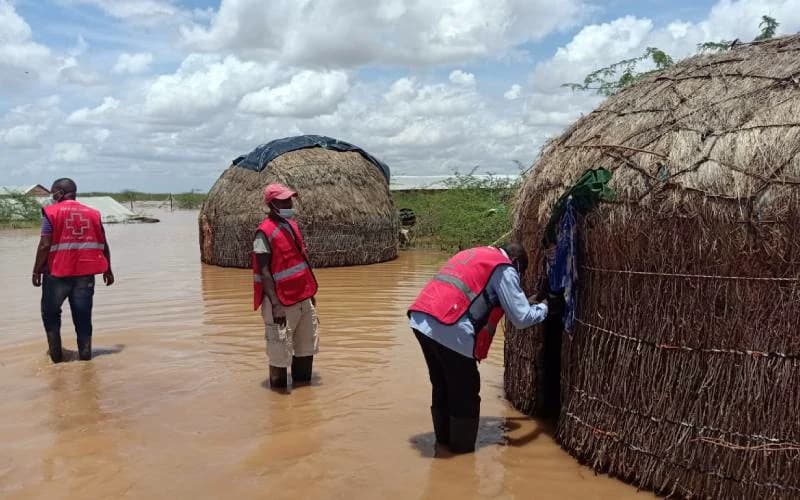


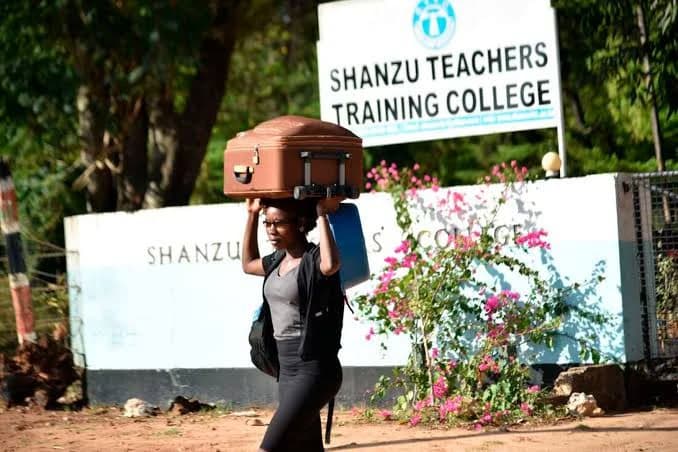






The disaster has affected communities across several counties, with Tana River and Taita-Taveta among the worst-hit regions as swollen rivers, flash floods and rising water levels threaten lives and livelihoods.
A situation report attributed to the Kenya Red Cross Society indicates that 1,141 households have been affected countrywide, with hundreds forced to abandon their homes in search of safer shelter.
The destruction has extended beyond residential areas, with farmland submerged, livestock missing, water facilities damaged and major transport routes rendered impassable.
The human cost has been particularly devastating. Six people have been reported dead in three counties, including two children swept away by flash floods in Kajiado and two people who drowned in Turkana.
In Kitui County, two people died after a boat capsized, while two other passengers were reported missing as search and rescue operations continued.
Tana River bears the greatest impact
Tana River County has recorded the highest number of affected households, with 796 families impacted and 525 displaced.
The situation is particularly serious in Tana North, where the seasonal Laga Wardesa River overflowed, sending floodwaters into settlements and residential compounds.
More than 300 households in Eldera, Kono Ramadha and Mata Wardesa have experienced flooding, with homes and surrounding infrastructure affected.
The disaster has also threatened the economic survival of farming and pastoralist communities.
More than 400 livestock have been affected, while approximately 250 acres of farmland have been submerged. The affected agricultural areas include Manono, Lailoni, Bubu, Kipao and Tarasaa.
For families dependent on agriculture and livestock, the destruction represents more than immediate property losses. It threatens household incomes, food supplies and their ability to recover once the floodwaters recede.
The flooding has created additional humanitarian concerns through damage to essential water and sanitation facilities.
Six hand-pump water sources have been damaged, while 15 pit latrines have been submerged. Another 50 latrines and 11 hand pumps remain at risk if conditions deteriorate.
Damage to these facilities could expose displaced populations to unsafe water and sanitation conditions.
In Taita-Taveta County, flooding in Voi has also forced families to evacuate their homes after rivers overflowed.
Floods disrupt major transport routes
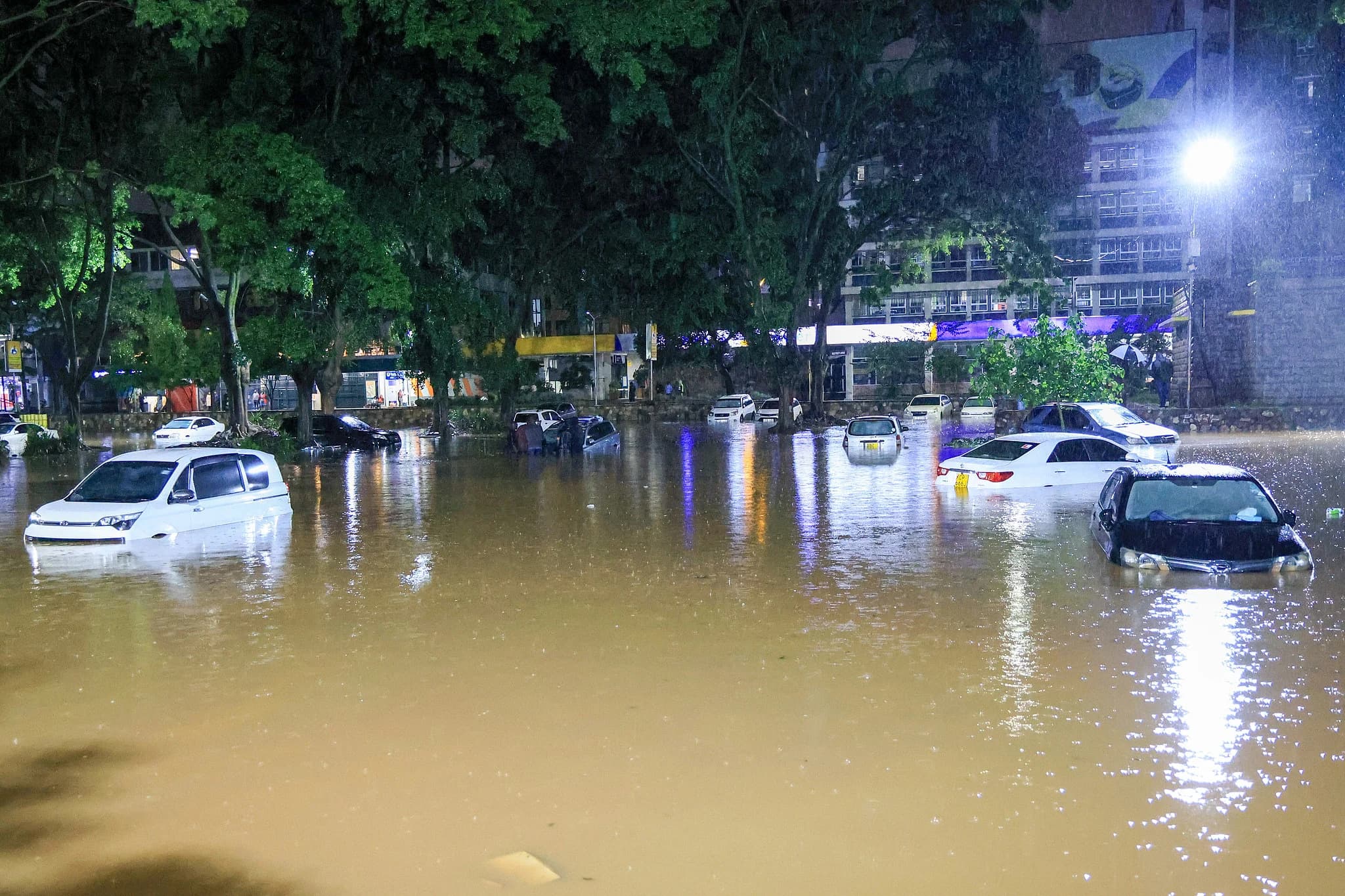
The destruction has spread to Kenya’s road network, disrupting transport and exposing motorists to dangerous travelling conditions.
Sections of the Mombasa-Nairobi Highway near Maungu became impassable, leaving motorists and truck drivers stranded for several hours.
The Kono Ramadha-Mlanjo road has also been cut off, restricting movement between affected communities and complicating emergency response operations.
In Kitui County, flooding at Mbakini Bridge disrupted traffic along the Kitui-Mwingi-Garissa Road.
Meanwhile, the Doldol-Nanyuki Road in Laikipia was affected after River Salama Ngororo overflowed.
These disruptions threaten the movement of passengers, commercial goods and emergency supplies, further complicating conditions for communities already struggling with the floods.
Emergency relief as rainfall continues
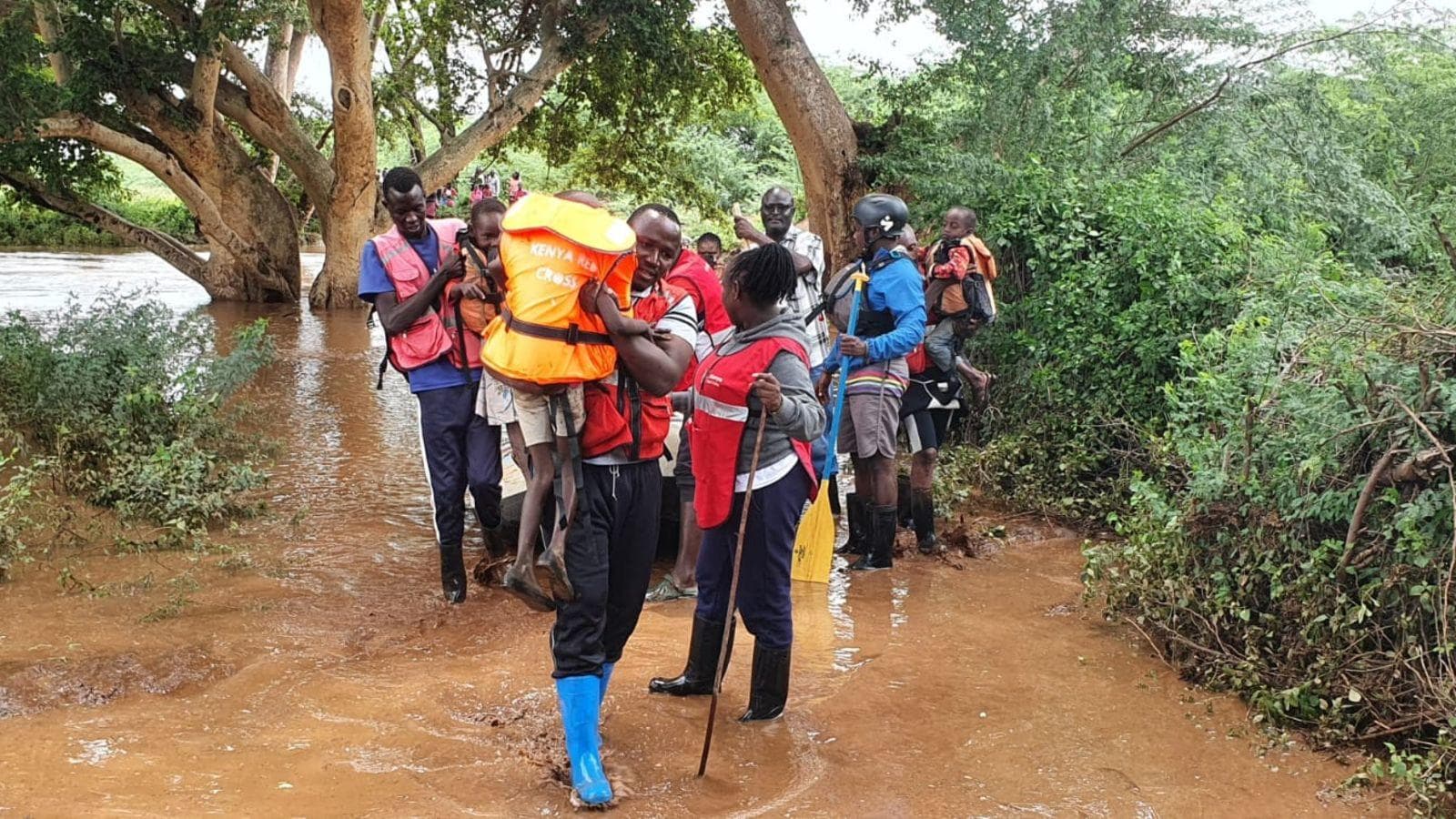
The Kenya Red Cross Society has deployed emergency response teams to assess damage, support displaced households and coordinate humanitarian assistance.
In Tana River, the organisation is working with humanitarian partners, including the United Nations Office for the Coordination of Humanitarian Affairs, to support vulnerable families.
Kenya Red Cross officials said registration was targeting approximately 15,500 people in the county for cash assistance to help them relocate to safer areas.
The organisation is also distributing emergency shelter materials and essential household supplies to families whose homes have been affected.
In Turkana County, 38 households have been displaced, while 382 livestock have been reported missing.
Although the cited situation report did not identify food shortages or malnutrition cases, prolonged flooding could threaten food security and increase pressure on relief operations.
The Kenya Meteorological Department’s forecast for November 17–23 indicated continued rainfall in several parts of the country.
The forecast has heightened concerns about further flooding, particularly in settlements near rivers and other vulnerable waterways.
November falls within Kenya’s October-November-December short-rains season, which brings increased rainfall to several parts of the country.
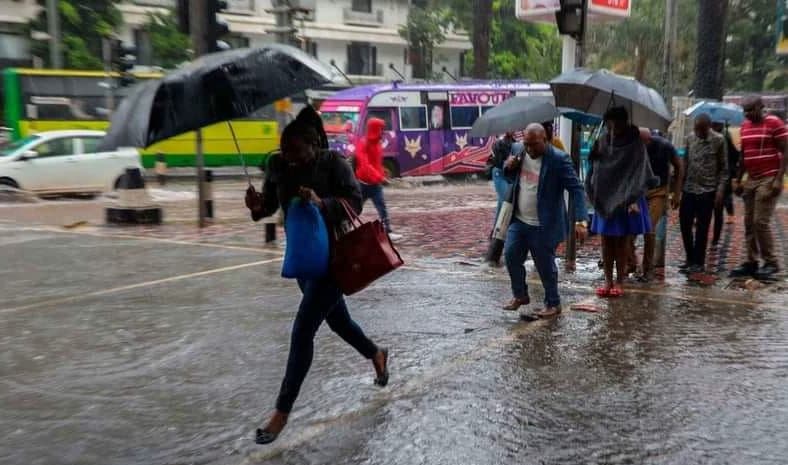
Continued downpours could trigger additional flash floods, raise river levels and cause further destruction to homes, roads, farms and public infrastructure.
Authorities and humanitarian organisations have urged residents in flood-prone areas to remain alert, follow official weather advisories and comply with evacuation instructions.
Residents have also been cautioned against crossing flooded roads and rivers. Households in vulnerable locations have been encouraged to move to higher ground before conditions become dangerous.
With at least six lives lost and more than 1,100 households affected in the reported assessment, the crisis presents a major test for emergency response agencies and disaster preparedness systems.
The immediate challenge is to prevent further fatalities, locate missing people, reach isolated communities and provide displaced families with essential assistance.

Reader Discussion (0)
Sign in to comment