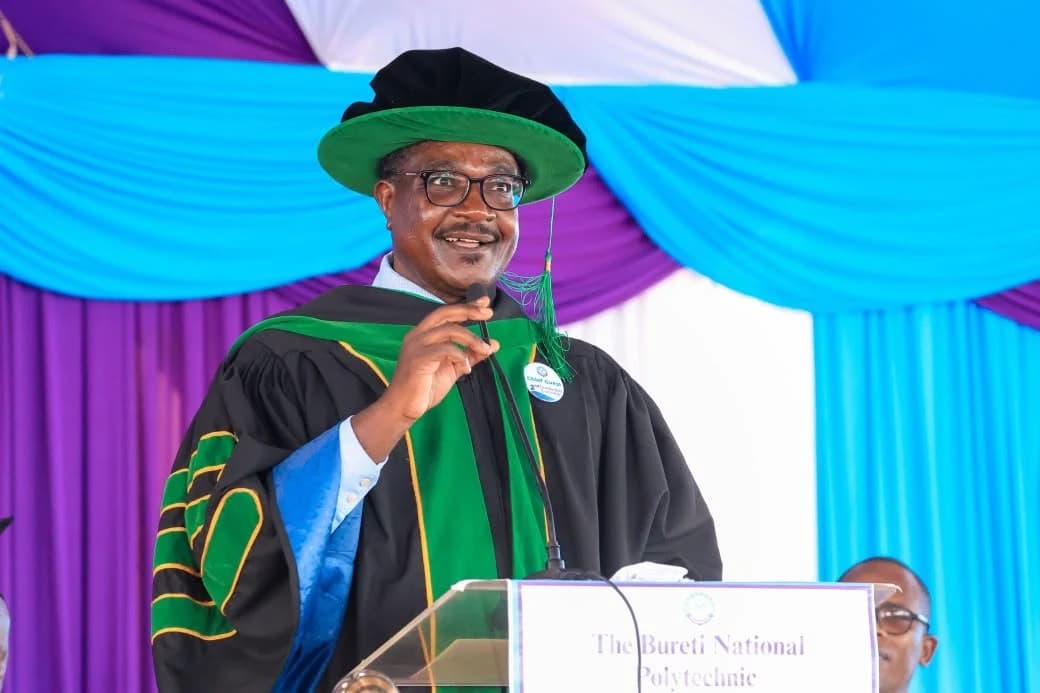



Education Cabinet Secretary Julius Migos Ogamba has announced proposed changes to the higher education financing framework that would give employed graduates a one-year grace period before they begin repaying government education loans.
The reforms, contained in the proposed Tertiary Placement and Funding Bill, are intended to ease the financial pressure on graduates entering the job market while strengthening the sustainability of the government's student financing programme.
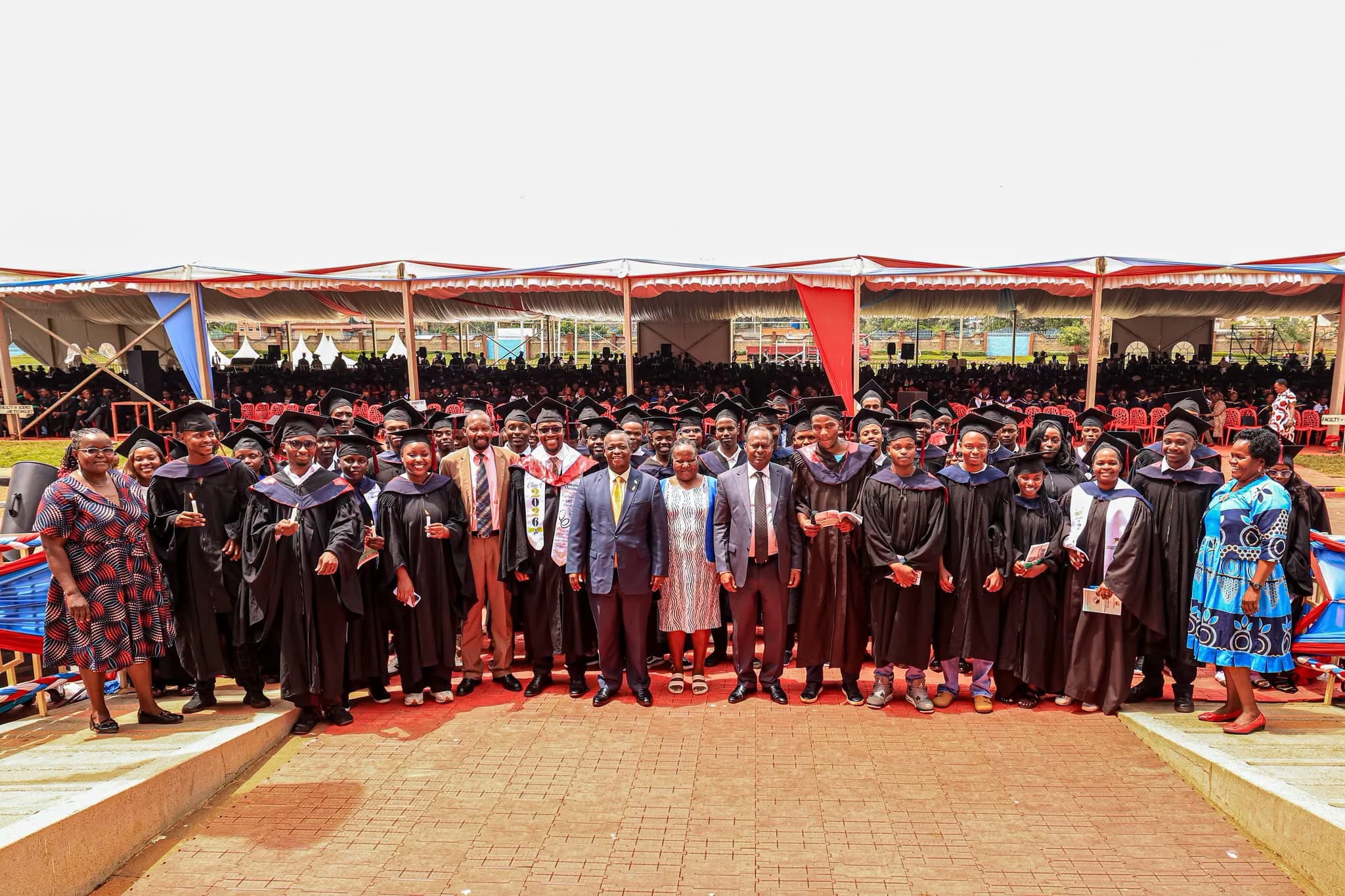
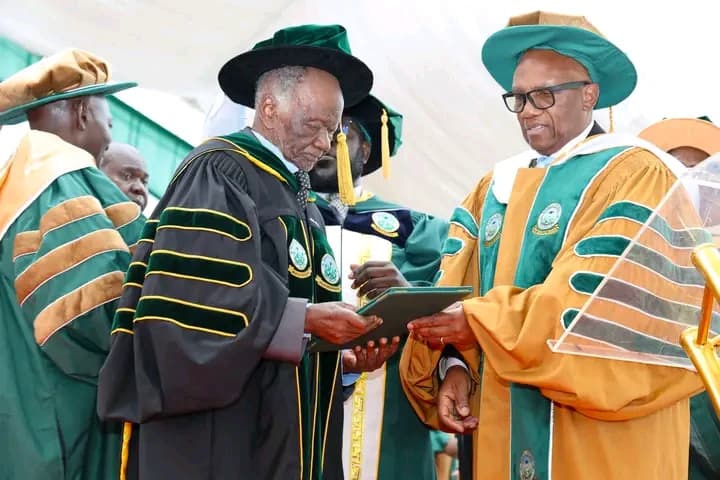
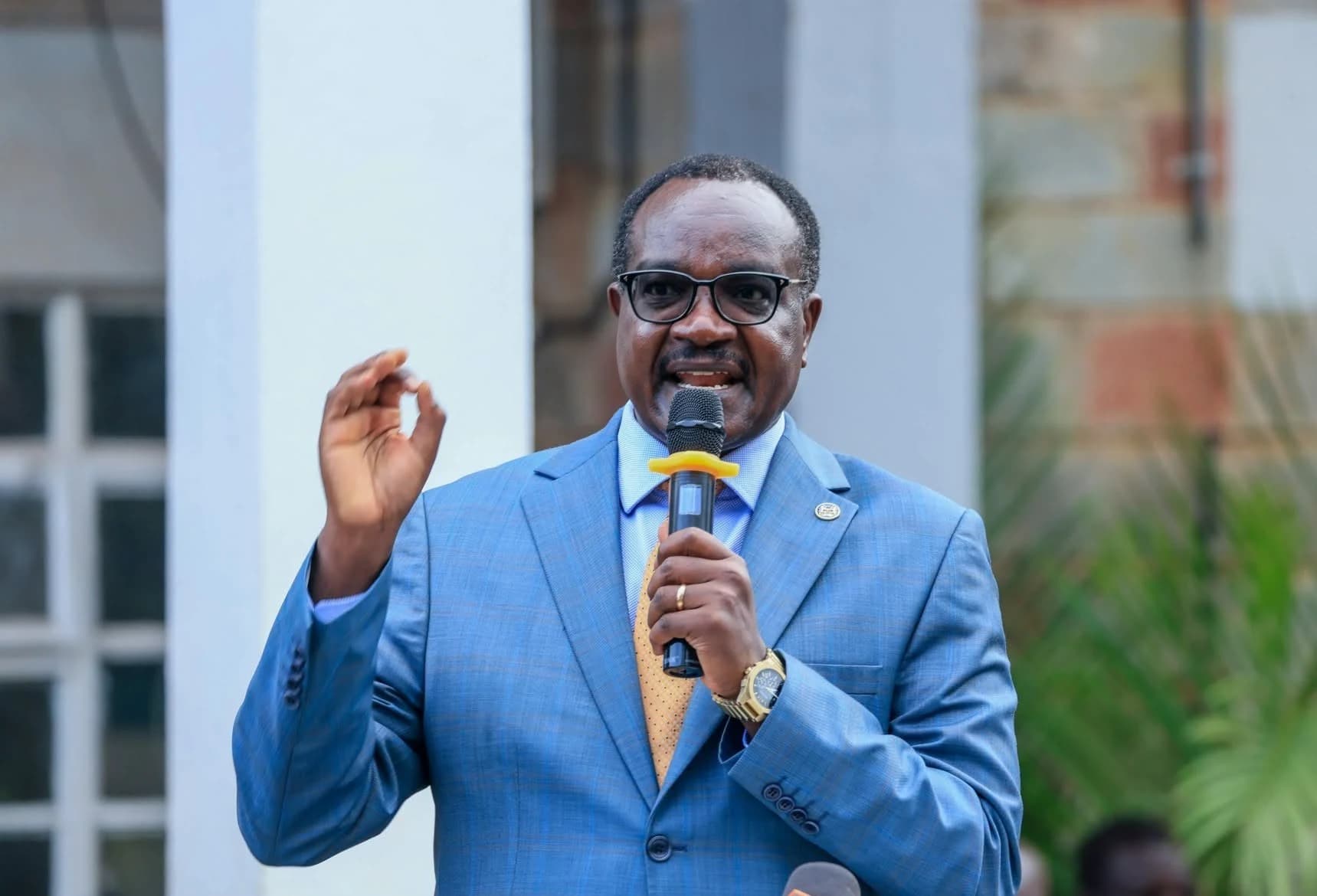
Speaking during the second graduation ceremony at Bureti National Polytechnic in Kericho County on Friday, November 20, 2026, Ogamba said the proposed legislation would introduce a more flexible approach to financing students in universities, colleges and technical and vocational education and training (TVET) institutions.
Under the proposed arrangement, graduates who secure employment would be allowed 12 months from the time they start working before repayment begins. The loans would then be repaid over 10 years.
Ogamba said the changes were partly informed by concerns over unemployment and the financial difficulties facing young graduates as they transition from education to the workplace.
The CS explained that the proposed framework would also change how government support is allocated, moving away from an approach that primarily considers parents' financial capacity to one that places the student at the centre of funding decisions.
He noted that the existing system had created challenges for learners pursuing expensive courses, including medicine, engineering and law, particularly where their parents could not afford the required contributions.
The proposed model seeks to ensure that students' access to education is determined by their academic needs and chosen programmes rather than their families' ability to finance their studies.
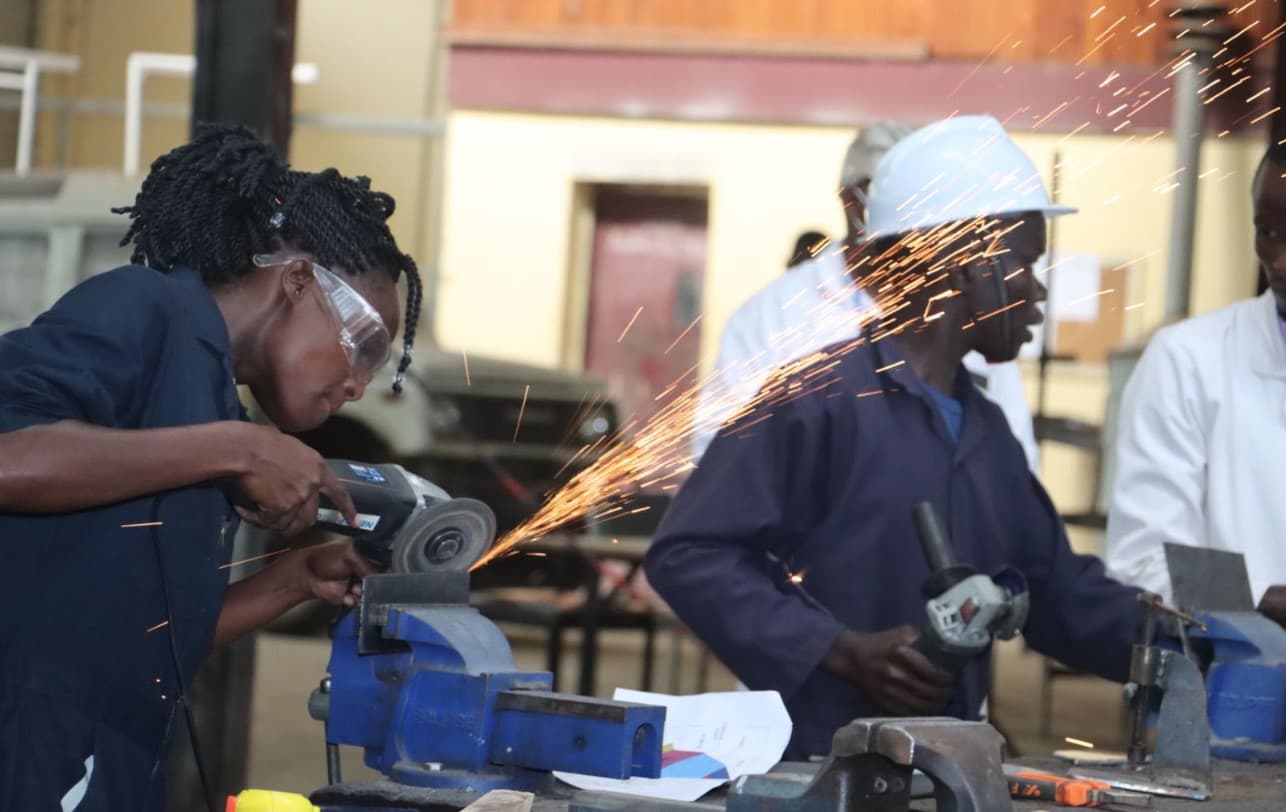
Under the proposed package, college and TVET students would qualify for loans of up to Sh100,000 per semester to cover tuition and personal upkeep. The indicative breakdown provides Sh67,000 for tuition and Sh38,000 for upkeep, which add up to Sh105,000, higher than the stated Sh100,000 ceiling.
The government also expects the new repayment arrangements to improve loan recovery from the current estimated 75 per cent to 85 per cent. According to Ogamba, improved recovery would strengthen the revolving student financing fund, allowing money recovered from previous beneficiaries to support subsequent generations of learners.
The proposed framework is expected to be implemented in the next financial year, with candidates who recently completed their Kenya Certificate of Secondary Education (KCSE) examinations among those expected to benefit.
The reforms come amid ongoing government efforts to expand access to tertiary education, particularly through technical and vocational training, while addressing concerns over the affordability and long-term financing of higher education. The proposed changes will, however, depend on the legislative process and the final provisions adopted under the Tertiary Placement and Funding Bill.

Reader Discussion (0)
Sign in to comment