

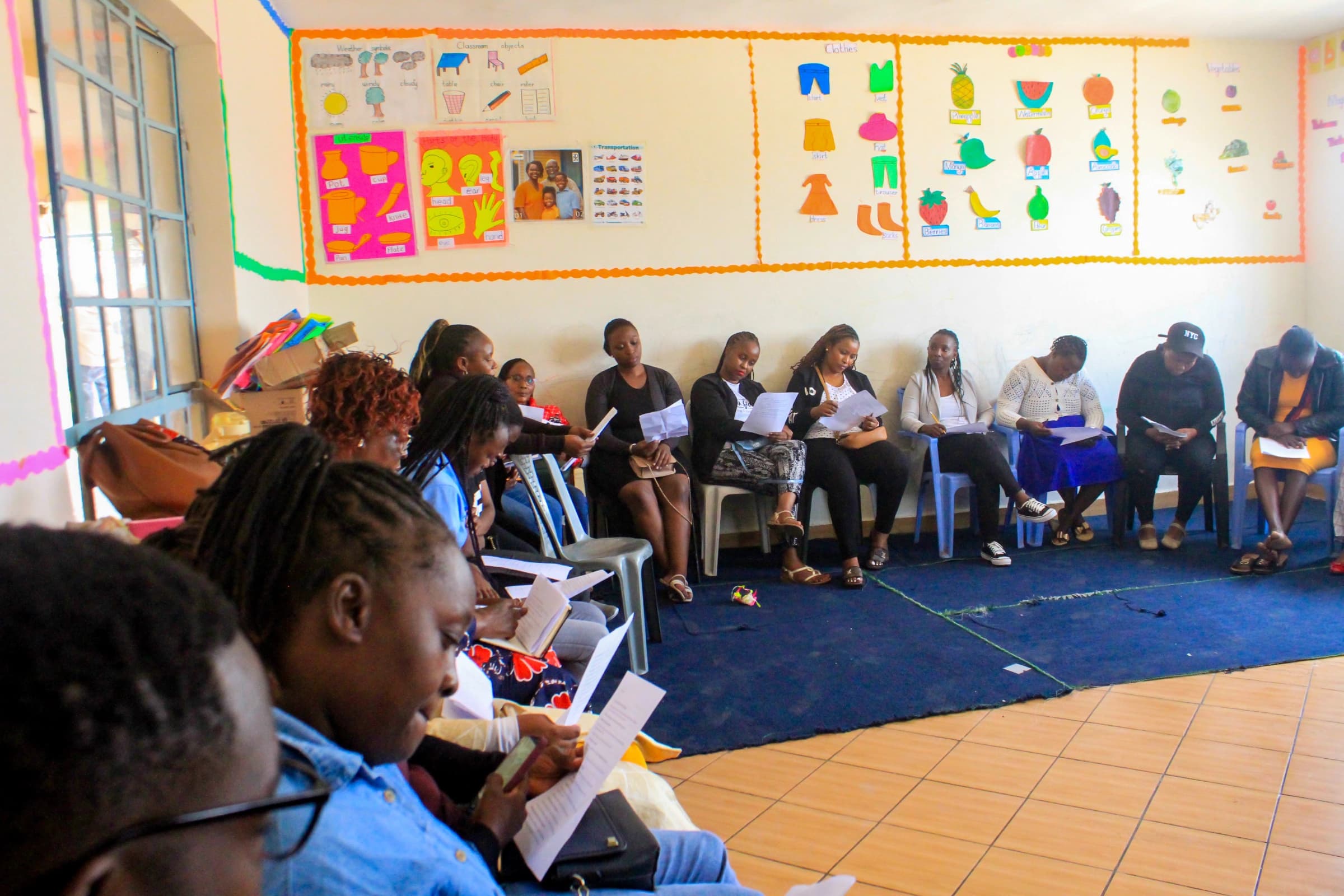


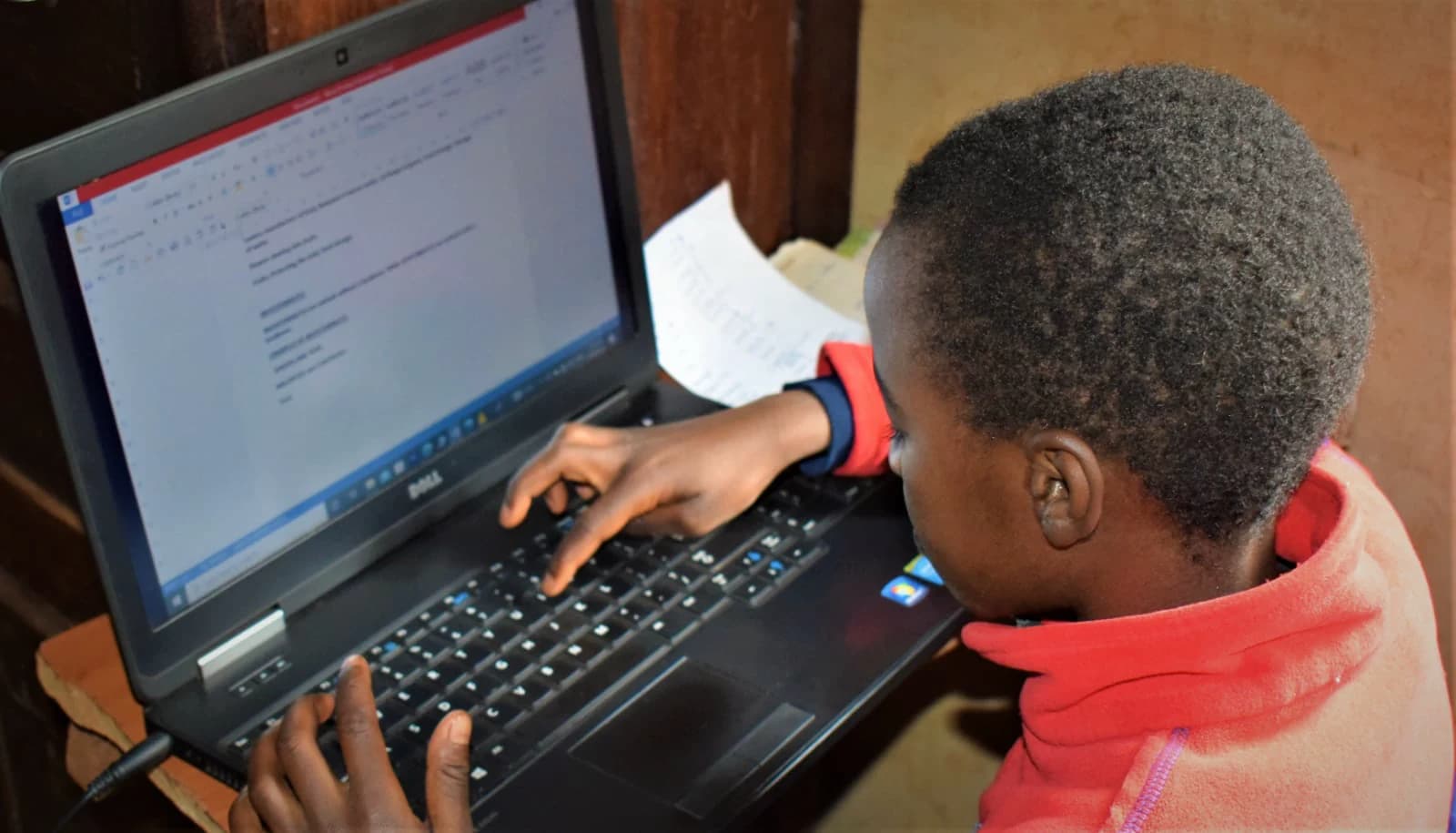




However, one of the increasingly overlooked challenges in education is the weakening relationship between parents and teachers. Although both parties share a common responsibility for a child’s success, communication gaps, conflicting expectations and limited cooperation have created a disconnect that threatens the overall learning experience.
Education must be a shared responsibility
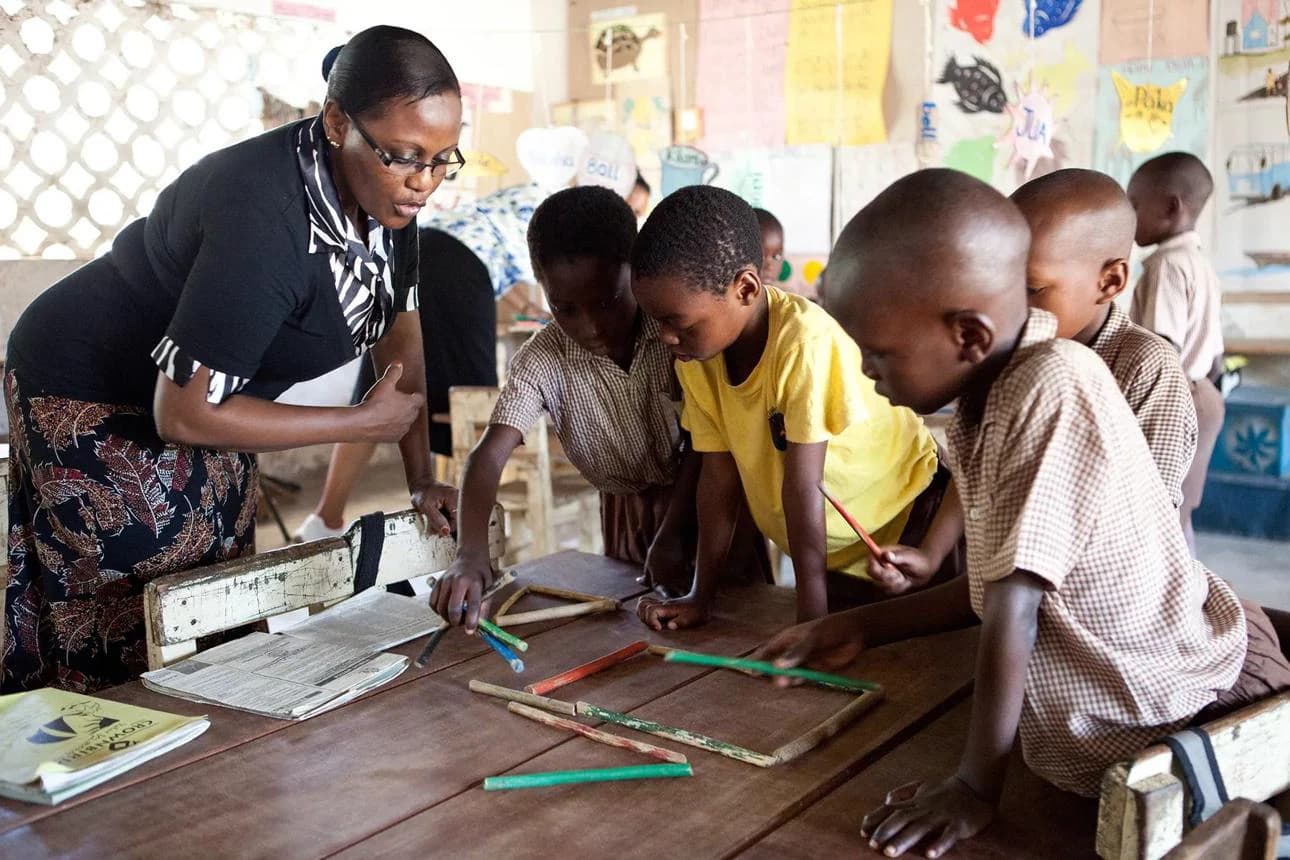
Teachers play a central role in shaping learners’ academic abilities, social development and personal growth. They spend considerable time guiding learners, identifying individual strengths, addressing weaknesses and providing the support necessary for academic progress.
Parents, meanwhile, influence children’s behaviour, attitudes, discipline and learning habits outside the classroom. The values instilled at home often determine how learners respond to authority, approach their studies and interact with others.
When these two environments complement each other, learners benefit from consistency, encouragement and a stronger support system. Children are more likely to develop confidence, demonstrate discipline and perform better when the expectations established at school are reinforced at home.
Unfortunately, this essential partnership is increasingly being undermined by changing lifestyles and inadequate engagement.
Communication breakdown is hurting learners
Busy work schedules, limited parental involvement, misunderstandings and unrealistic expectations have contributed to the growing distance between schools and families.
Some parents expect teachers to shoulder almost the entire responsibility for academic performance, discipline and character development. Others only establish contact with schools when examination results deteriorate, disciplinary concerns emerge or conflicts arise.
On the other hand, some teachers may not communicate sufficiently with parents about learners’ academic progress, behavioural challenges and individual support requirements.
This creates an environment in which both parties operate independently despite pursuing the same objective.
The greatest casualties are the learners. When children receive contradictory instructions from home and school, they may struggle with discipline, motivation, responsibility and respect for authority.
Learning difficulties can also go unnoticed or remain unresolved when parents and teachers fail to exchange timely information.
Parental involvement should go beyond school meetings
Meaningful parental participation should not be limited to annual general meetings, academic consultations or occasions when schools summon parents over disciplinary matters.
Parents should take an active interest in their children’s daily educational experiences. They should monitor learning progress, encourage reading, provide reasonable study time, discuss classroom experiences and maintain communication with teachers.
Equally important is the need for parents to appreciate teachers’ professional responsibilities and avoid undermining their authority in front of learners.
Disagreements should be addressed through constructive engagement rather than confrontation, accusations or public criticism.
Teachers, on their part, should recognise parents as important partners whose knowledge of their children can provide valuable insights into individual learning needs.
Technology can help rebuild the connection
Schools do not necessarily need complicated systems to improve communication with parents. Existing digital platforms, including WhatsApp groups, SMS notifications, telephone calls and electronic progress reports, can provide practical channels for regular engagement.
However, digital communication must be purposeful, respectful and properly managed. Schools should establish clear communication guidelines to prevent misinformation, unnecessary confrontations and the misuse of parents’ platforms.
Regular parent-teacher consultations should also focus on more than examination scores. Discussions should include discipline, emotional well-being, social development, attendance, talents and individual learning challenges.
The objective should be to understand the learner comprehensively rather than assign blame whenever difficulties emerge.
Schools and families must rebuild mutual trust
Restoring the relationship between parents and teachers requires commitment from both sides.
School administrators should create welcoming environments where parents feel comfortable raising concerns and receiving feedback. Teachers should communicate professionally, provide honest assessments and demonstrate a willingness to work with families.
Parents should reciprocate by respecting teachers, attending scheduled meetings and taking responsibility for reinforcing positive behaviour at home.
Education authorities and school management teams should also encourage structured parental engagement as part of broader efforts to improve learning outcomes.
Importantly, partnership should not translate into transferring teachers’ professional responsibilities to parents or allowing parental involvement to interfere with professional teaching practices. Each party must understand its responsibilities while appreciating the contribution of the other.
The future of education depends on a united approach
The persistent disconnect between parents and teachers should concern every stakeholder in education. Academic achievement cannot be sustained through classroom instruction alone, just as parental encouragement cannot replace professional teaching.
A learner requires a coordinated support system in which the home and school reinforce one another.
The quality of education is therefore influenced not only by what happens inside classrooms but also by the relationships surrounding the learner.
It is time for parents and teachers to move beyond occasional interactions and establish meaningful, continuous and respectful partnerships.
Ultimately, schools and families should never operate as competing institutions. They are complementary pillars of a child’s development. When they work together, learners stand a better chance of becoming disciplined, confident, responsible and academically successful citizens.



Reader Discussion (0)
Sign in to comment