








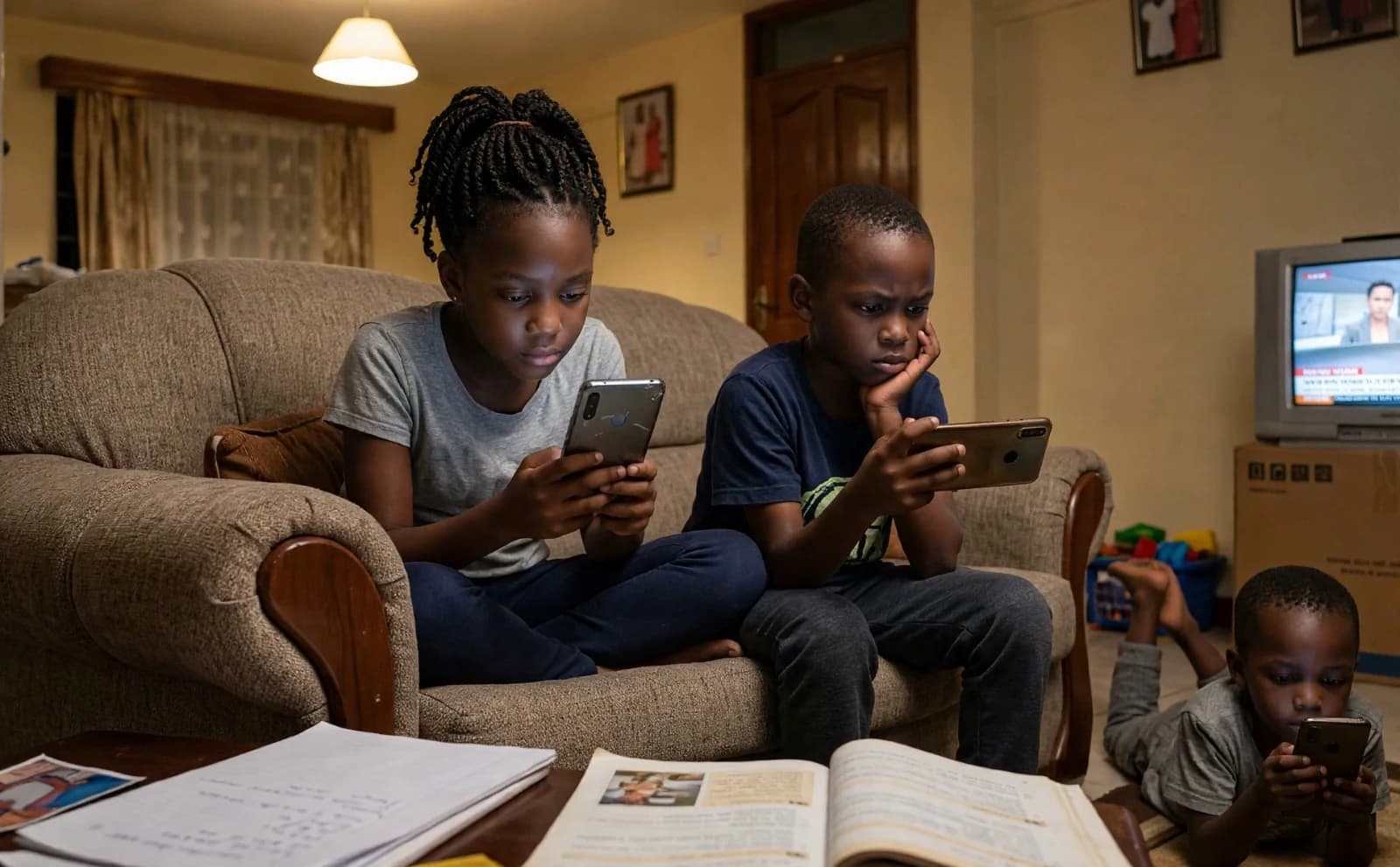
Social media has become one of the most powerful influences shaping the lives of today’s learners. Platforms such as TikTok, Facebook, Instagram, YouTube and X have transformed communication, entertainment and access to information. While these platforms offer opportunities for learning, creativity and personal development, their uncontrolled use raises concerns about students’ behaviour, academic commitment, emotional well-being and social relationships.
The challenge facing parents, teachers and education stakeholders is how to ensure that technology complements education rather than competes with it. Platforms used for communication and information sharing can also become sources of distraction, behavioural influence and, in some cases, problematic use among young people.
The concern is not simply that students are accessing social media, but that some do so without sufficient guidance, self-regulation or an understanding of the consequences of their digital activities.
Protecting concentration, behaviour and well-being
One concern associated with excessive social media use is its potential to disrupt sustained concentration.
Short videos, instant notifications, trending conversations and rapidly changing content compete for learners’ attention. Frequent interruptions can make activities requiring patience, sustained attention and intellectual effort more difficult to complete.
This presents a challenge to classroom learning. Reading lengthy materials, completing assignments, conducting research and engaging in critical thinking require concentration and mental discipline.
Learners whose digital entertainment repeatedly interrupts study time may struggle to maintain the attention required for meaningful academic engagement.
The danger is that reading, revision and independent learning can gradually lose their place in students’ daily priorities as digital entertainment takes precedence.
The influence of social media extends beyond academic performance. It can shape how students communicate, relate to authority and conduct themselves within and outside school.
Exposure to inappropriate content, aggressive exchanges, vulgar language and harmful trends can influence learners’ attitudes and behaviour. However, these effects vary between individuals and depend on the content encountered, the circumstances of use and the support available.
Some students imitate online personalities whose popularity is built around controversy, disrespect, provocative language and attention-seeking conduct. Such behaviour can find its way into classrooms, challenging established standards of discipline and mutual respect.
The situation is further complicated by cyberbullying, online intimidation and the circulation of embarrassing photographs and videos. Disagreements that previously remained within school compounds can escalate into online conflicts involving large audiences.
Schools must therefore understand that learner welfare is no longer confined to physical interactions. Behaviour in digital spaces has become an important dimension of student support and institutional management.
Behind the attractive images, entertaining videos and seemingly perfect lifestyles displayed online lie potential emotional challenges for young people.
Social media exposes students to comparisons involving physical appearance, material possessions, popularity and perceived success. Some learners may begin measuring their self-worth against carefully curated lifestyles that do not necessarily reflect reality.
The pursuit of likes, followers and online recognition can create pressure, anxiety and feelings of inadequacy.
Criticism, rejection and negative comments can also be distressing. For adolescents still developing their identities and emotional resilience, such experiences may undermine confidence and affect relationships.
Excessive use, particularly at night, can displace sleep, physical activity and face-to-face interaction. At the same time, online communication can provide friendship and support. The important consideration is whether a learner’s pattern of use supports or undermines their well-being.
These concerns matter because education is not merely about passing examinations. It also involves helping young people develop the confidence and interpersonal skills to participate responsibly in society.
Parents and schools must strengthen digital guidance
The responsibility for shaping responsible digital behaviour begins at home.
Parents must recognise that providing children with smartphones and unrestricted internet access without adequate guidance can expose them to situations they may not be sufficiently mature to manage.
Digital parenting should go beyond purchasing devices or paying for internet subscriptions. It requires reasonable, age-appropriate boundaries, supervision that respects children’s developing privacy, and open conversations about the opportunities and risks of social media.
Parents should also encourage physical activity, household responsibilities, reading and meaningful family interaction.
Most importantly, parents must lead by example. It is difficult to encourage responsible phone use when adults themselves are constantly absorbed in their devices.
Teachers cannot afford to ignore the influence of social media on contemporary learners. Schools need to strengthen guidance, counselling, digital literacy and positive discipline programmes.
Learners should be taught about cyberbullying, online privacy, misinformation, inappropriate content and the long-term implications of their digital footprints.
Clear guidelines governing mobile phone use within learning institutions are also necessary. Such policies should protect instructional time while accommodating authorised educational uses in line with applicable school rules.
Guidance and counselling departments must be equipped to identify and support learners experiencing online harassment, emotional distress and behavioural difficulties.
Teachers should also help students distinguish between productive digital engagement and online activities that repeatedly disrupt learning or well-being.
Making technology serve education
Despite the challenges, social media should not be dismissed as entirely harmful. Its educational potential remains significant when used appropriately.
Students can access tutorials, academic discussions, educational videos, digital libraries and international learning communities. These resources can complement classroom instruction, encourage creativity and expose learners to knowledge beyond their immediate environments.
Social media can also support innovation, entrepreneurship and digital communication skills.
The solution is therefore to equip learners with the knowledge, maturity and judgement to use technology responsibly, with access appropriate to their age and circumstances.
Digital literacy must become an important part of contemporary education. Learners should understand that being technologically connected does not automatically make someone digitally responsible.
The influence of social media presents an important test for Kenya’s education system. As the country expands technology-supported learning under Competency-Based Education, nurturing responsible digital citizens becomes increasingly important.
The objective should be to develop individuals who can use technology intelligently, ethically and productively.
Parents must fulfil their responsibility as the first educators, teachers must strengthen their role as mentors, and schools must create environments that promote discipline, intellectual curiosity and responsible technology use.
Ultimately, social media is neither an automatic threat nor a guaranteed educational solution. Its influence depends on the content encountered, platform design, patterns of use, individual circumstances and the guidance available.
Learners who develop sound digital judgement can use technology to innovate, learn and connect with others. When digital distractions repeatedly displace study, sleep and meaningful relationships, support and practical changes are needed.
The greatest educational challenge of the digital age is therefore not simply teaching students how to access technology, but teaching them when, why and how to use it responsibly.

Reader Discussion (0)
Sign in to comment