



Kenya spends an estimated KSh25 billion annually on HIV treatment, according to figures attributed to the National Syndemic Diseases Control Council (NSDCC), highlighting the financial and public health responsibility of managing an epidemic that has shaped the country’s healthcare system for more than four decades.
The expenditure has renewed attention on HIV prevention strategies, particularly among populations facing barriers to testing, treatment and other essential services.
According to NSDCC Chief Executive Officer Douglas Bosire, keeping each person living with HIV on treatment costs between KSh15,000 and KSh20,000 annually.
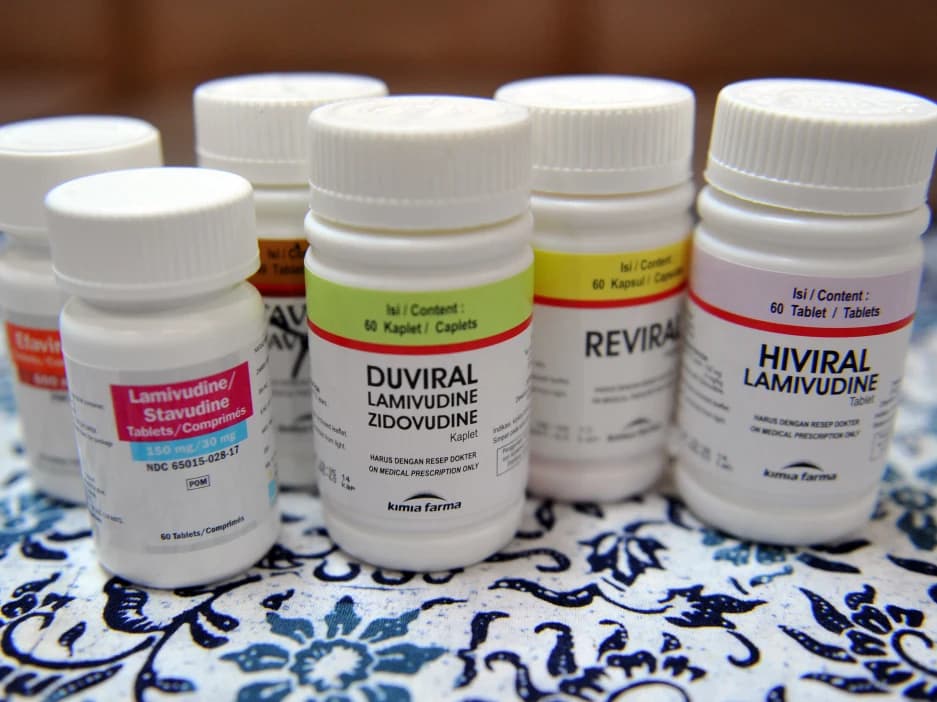
The expenditure underscores the importance of maintaining uninterrupted access to antiretroviral medication, which enables people living with HIV to lead healthier lives.
People who take treatment as prescribed and achieve and maintain an undetectable viral load do not transmit HIV to their sexual partners.
The figures also expose the delicate balance facing the government: sustaining treatment for people already living with HIV while investing sufficiently in prevention programmes to reduce new infections.
Targeted prevention without discrimination
Figures attributed to Bosire estimate that Kenya has approximately 300,000 female sex workers, making accessible prevention and treatment services for this population an important component of the national response.
Female sex workers and men who have sex with men are among the populations requiring targeted public health interventions.
These interventions include accessible HIV testing, condom distribution, pre-exposure prophylaxis (PrEP), treatment services and public education.
However, the underlying challenges extend beyond medical interventions. Poverty, violence, stigma, discrimination and limited access to healthcare can increase vulnerability to HIV and make it difficult for affected individuals to obtain preventive services.
Public health interventions must therefore address both medical and socioeconomic factors without discriminating against people based on their occupation or identity.
It is equally important to distinguish between HIV prevalence within a particular population and that population’s contribution to new infections nationally. The two measurements are not interchangeable.
Progress over four decades
Kenya’s response to HIV dates back to 1984, when the country’s first case was reported.
By the mid-1990s, the epidemic had become one of the country’s major public health challenges, placing immense pressure on hospitals, families, the workforce and the national economy.
Historical estimates placed adult HIV prevalence at approximately 10.5 per cent in 1996, reflecting the scale of the crisis at the time.
The subsequent expansion of testing, prevention, public awareness and antiretroviral treatment significantly changed the country’s response.
By 2015, prevalence had declined to approximately 5.9 per cent. Historical estimates for 2016 indicated that about 64 per cent of people living with HIV were receiving treatment, while approximately 51 per cent of all people living with HIV had achieved viral suppression.
These figures describe the response at that time and should not be interpreted as current treatment coverage.
The progress demonstrated the impact of sustained investment in healthcare services and access to life-saving medication.
Kenya has since continued expanding treatment coverage, strengthening HIV surveillance and improving access to prevention services.
Children and sustainable treatment remain priorities
The NSDCC’s 2026 estimates indicate that approximately 79 per cent of children living with HIV know their status, highlighting the importance of strengthening testing and early diagnosis.
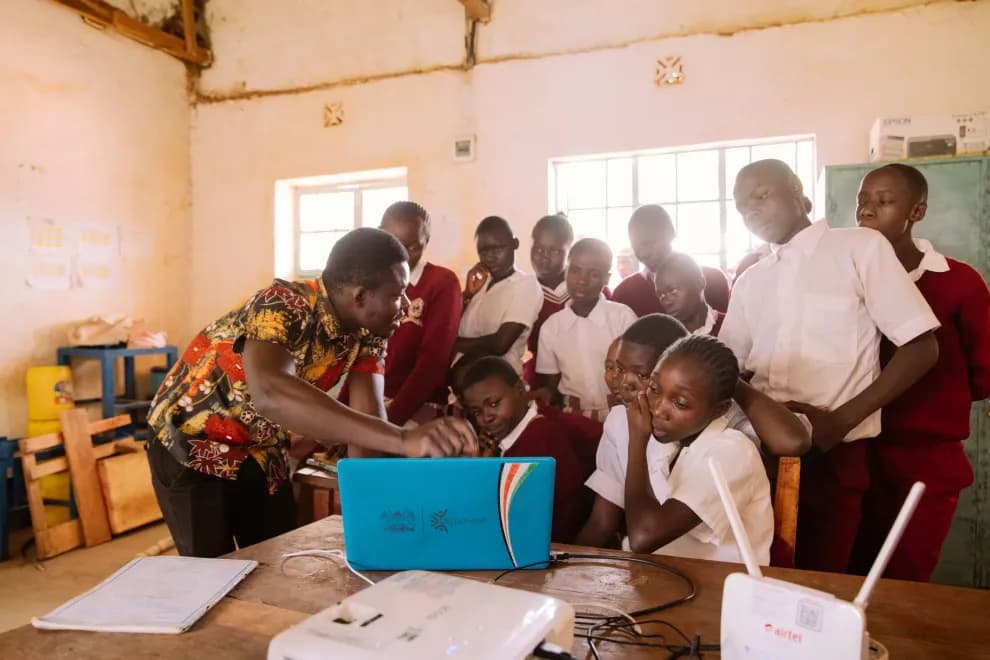
Childhood and adolescence are particularly important stages for prevention and care. Protection from violence and sexual exploitation, access to education, and appropriate health information and services can help reduce vulnerability.
Research examining HIV among female sex workers in Kenya has identified associations between HIV status and experiences such as childhood violence, teenage pregnancy and socioeconomic vulnerability. Such associations require careful interpretation and should not be presented as proof of causation.
These concerns demonstrate why HIV prevention cannot be addressed exclusively through hospitals and medication. Protection against violence, economic empowerment and comprehensive reproductive health services must form part of the broader response.
The estimated KSh25 billion annual treatment expenditure also raises questions about the long-term sustainability of Kenya’s HIV programme.
While antiretroviral treatment remains indispensable, reducing new infections would help ease future pressure on public healthcare resources.
The government must therefore maintain a balanced strategy that protects people already living with HIV while preventing new infections through education, early testing, accessible prevention services and targeted interventions.
Equally important is ensuring that people living with HIV receive treatment without interruption, stigma or discrimination.
Kenya has travelled a considerable distance since its first reported HIV case in 1984. However, treatment costs and continuing new infections demonstrate that sustained investment remains necessary.
The ultimate measure of success will be a country where people living with HIV enjoy longer, healthier lives and fewer Kenyans acquire the virus.

Reader Discussion (0)
Sign in to comment