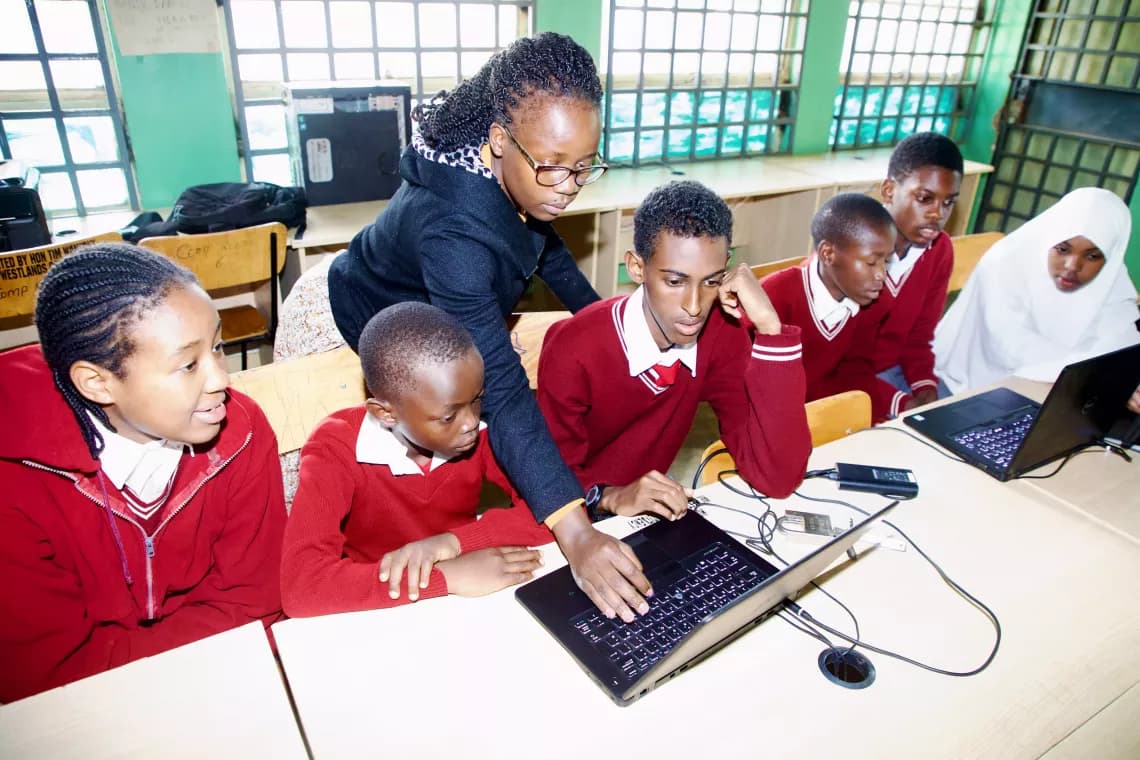





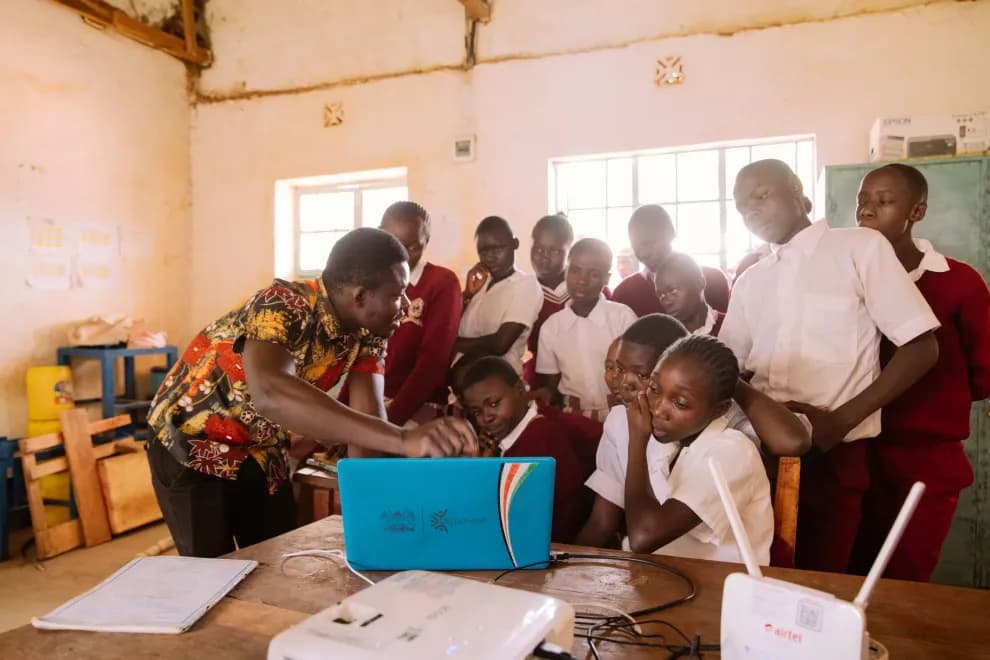


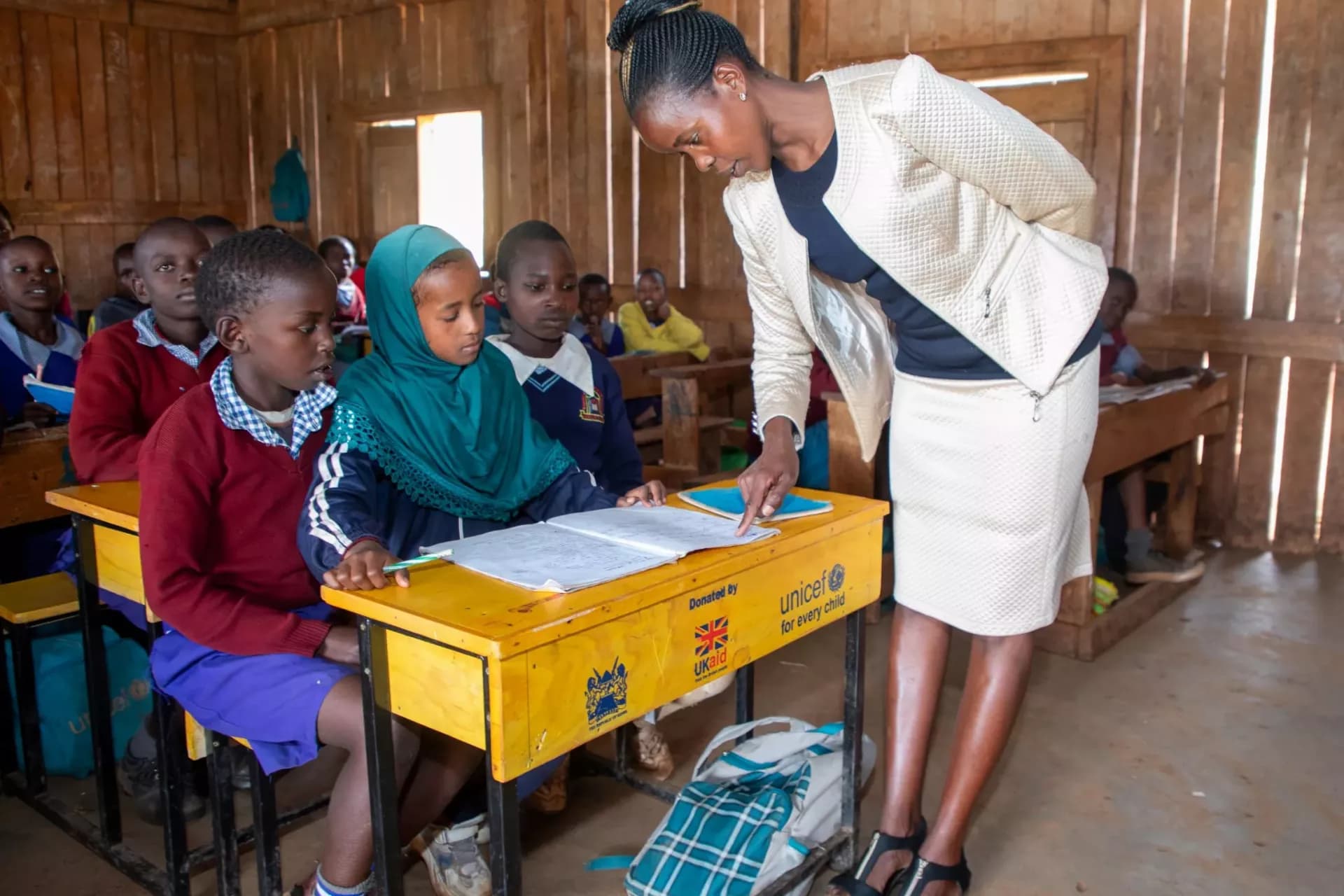
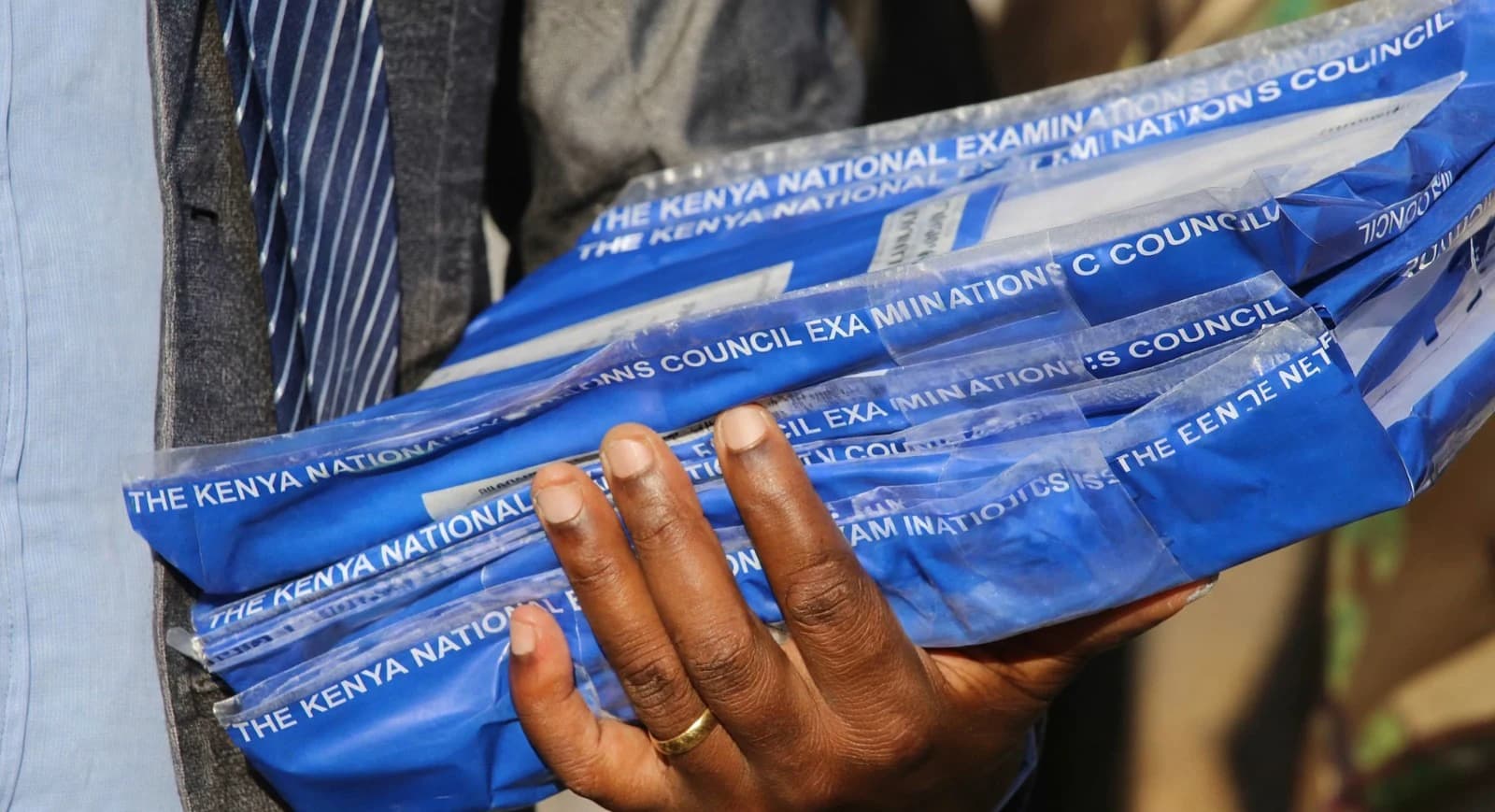
The true measure of an effective teacher should not merely be the number of students who score impressive grades in national examinations, but the quality of individuals they develop and prepare for society. Education must go beyond transferring information from teachers to learners. It must equip students with the intellectual capacity to acquire knowledge independently, interrogate ideas, solve problems and apply what they learn to real-life situations.
For generations, classroom instruction has largely revolved around what learners should know, with considerable emphasis on completing syllabuses, memorising notes and preparing for examinations. While academic achievement remains important, a fundamental question must now confront every educator: Are schools teaching students how to learn, or simply what to learn?
The distinction is significant. A learner who memorises information may perform exceptionally well in an examination but struggle when required to apply that knowledge in an unfamiliar situation. Conversely, a student who understands how to research, analyse, evaluate and develop solutions possesses competencies that remain relevant long after leaving school.
As Kenya advances the Competency-Based Education (CBE) agenda, teachers must reconsider their traditional classroom approaches and increasingly position themselves as facilitators, mentors and developers of independent thinking.
Helping learners understand how they learn
One important approach is metacognition, which involves learners understanding and monitoring their own thinking and learning. Associated with developmental psychologist John Flavell, metacognition encourages students to reflect on their learning processes, identify difficulties and develop strategies for improvement.
Teachers should go beyond asking whether learners have understood a lesson. They should encourage them to explain what they have learned, where they experienced difficulties and which strategies helped them understand challenging concepts. Learning journals, self-assessment exercises and reflective discussions can help develop this ability. The ultimate objective is to produce learners who understand how to improve without depending entirely on their teachers.
Another important transformation involves embracing constructivist learning, a perspective associated with theorists including Jean Piaget and Lev Vygotsky. This approach recognises that learners develop understanding by actively engaging with ideas and connecting new knowledge to what they already know.
Teachers should therefore create opportunities for experimentation, investigation, discovery, discussion and practical problem-solving, supported by clear instruction and guidance. Instead of simply providing notes on environmental conservation, for instance, students can investigate environmental challenges within their communities and propose practical interventions. Learning becomes more meaningful when students connect classroom knowledge with everyday experiences.
Teachers must equally move beyond basic knowledge recall and deliberately develop higher-order thinking skills. The revised Bloom’s Taxonomy provides a useful framework by distinguishing remembering, understanding, applying, analysing, evaluating and creating.
Classroom questions should challenge learners to think critically rather than merely reproduce information from textbooks. Instead of asking students only to define environmental pollution, teachers can require them to investigate its causes, evaluate its consequences and design possible solutions. Such activities nurture creativity, analytical reasoning and the ability to address unfamiliar challenges.
The effectiveness of learning also depends on how students retain and retrieve information. Active recall and spaced practice provide practical ways of strengthening retention.
Rather than relying exclusively on repeated reading, students should regularly practise retrieving information from memory through quizzes, flashcards, oral questions and classroom discussions. Teachers should also encourage learners to revisit concepts at different intervals instead of concentrating all their revision immediately before examinations.
This approach supports long-term retention and reduces excessive dependence on examination cramming. Consistent learning habits are more valuable than last-minute attempts to memorise entire textbooks.
Developing a growth mindset is equally important. Psychologist Carol Dweck’s work emphasises that abilities can develop through effective strategies, practice, feedback and support. Teachers should help learners understand that mistakes provide opportunities to identify gaps in understanding.
Recognising persistence, improvement, creativity and effective approaches can help build confidence and resilience. Students should be encouraged to replace the belief that they cannot accomplish a task with the understanding that they have not yet mastered it.
Through self-regulated learning, they should also learn to set personal targets, manage their time, monitor their progress and take responsibility for their academic development.
Education should also become more collaborative. Vygotsky’s sociocultural perspective highlights the importance of interaction in intellectual development. Peer teaching, group assignments, debates, collaborative research and classroom presentations allow learners to exchange ideas, challenge assumptions and deepen their understanding.
When students explain difficult subjects to their peers, they can reinforce their own knowledge while developing communication, teamwork and leadership skills.
In an increasingly digital world, teachers must additionally equip learners to research responsibly, verify information and use emerging technologies, including artificial intelligence, ethically. Technology should complement independent thinking rather than replace it.
Equally significant is making reflection and constructive feedback integral to classroom instruction. Learning should not end when a teacher completes a lesson or marks an assignment. Students need opportunities to examine their performance, recognise areas requiring improvement and determine their next steps.
Teachers should therefore move beyond awarding marks and provide meaningful feedback explaining what learners have done well, where they have struggled and how they can improve.
Learning portfolios, reflective exercises and self-assessment can help students develop responsibility for their educational progress. Such practices also nurture curiosity and a commitment to lifelong learning.
Implications for Competency-Based Education
Kenya’s transition to CBE presents an opportunity to transform classroom instruction. However, successful implementation cannot be measured merely through changes in textbooks, assessment procedures, curriculum designs or school timetables.
The real transformation must happen in the classroom, where teachers interact with learners and translate educational objectives into practical competencies.
Teachers require continuous professional development to strengthen their ability to nurture critical thinking, creativity, communication, collaboration and problem-solving. School administrators must also provide supportive environments where innovative teaching approaches can flourish.
Assessment practices should increasingly recognise the ability to apply knowledge, demonstrate practical skills and solve real-life problems. Schools must equally strengthen foundational literacy and numeracy while providing opportunities to investigate, experiment, create and discover.
Teachers must understand that implementing CBE is not simply about abandoning examinations or traditional teaching methods. It is about ensuring that academic knowledge translates into meaningful competencies that prepare learners for life beyond school.
Developing thinkers and lifelong learners
A successful education system should not simply produce students who remember information long enough to pass national examinations. It should develop individuals capable of questioning assumptions, investigating problems, generating solutions, communicating effectively and continuously acquiring new knowledge.
The responsibility of a teacher therefore extends far beyond completing the syllabus. Teachers must help learners discover how to think, learn, question and transform knowledge into practical solutions.
As Kenya continues implementing education reforms, the greatest achievement will not simply be improved examination statistics but the emergence of a generation that can think independently, innovate confidently and adapt to an increasingly complex world.
The best teacher is not necessarily the one who produces the highest number of examination toppers. It is the one who develops learners with the intellectual confidence, curiosity and practical skills to continue learning long after leaving the classroom.


Reader Discussion (0)
Sign in to comment