The Shakahola tragedy should not only be remembered as a national disaster involving religious extremism and the deaths of hundreds of people. It should also serve as a profound lesson for Kenya's education system on the need to produce learners who can think independently, question authority, distinguish truth from manipulation and make informed decisions.
Beyond religious extremism, the tragedy invites Kenyans to examine another dangerous social phenomenon: blind loyalty to influential personalities, including politicians.
The deaths associated with controversial preacher Paul Mackenzie exposed the devastating consequences of unquestioning obedience and the dangers of allowing influential individuals to exercise excessive control over vulnerable followers.
As investigations and court proceedings continue over the Shakahola tragedy in Kilifi County, an important question emerges: Is Kenya's education system adequately preparing young people to recognise manipulation, resist dangerous influence and exercise independent judgment?
From blind religious following to blind political loyalty
A recent Facebook post introduced a political dimension to the Shakahola conversation by comparing religious cult leaders with what its author described as political cult leaders.
The writer specifically mentioned former Cabinet Secretary Moses Kuria, arguing that Kenyans should also examine individuals who command excessive loyalty and influence among their political supporters.
The post suggested that the country should not only interrogate the influence of religious personalities but also examine the psychology of political following.
The comparison remains the Facebook author's opinion and does not establish wrongdoing by Kuria. Nevertheless, it raises an important question about whether some Kenyans have surrendered independent political judgment in favour of unquestioning loyalty to personalities.
In a democratic society, supporting a politician should never mean defending everything that individual says or does.
Political leaders should be evaluated on their policies, integrity, performance and contribution to national development rather than the intensity of their followers' loyalty.
Blind political loyalty can undermine democratic accountability when supporters begin treating criticism of their preferred leaders as a personal attack, regardless of the facts presented.
This is where education becomes particularly important.
Education must produce independent thinkers
One of the biggest lessons from Shakahola is that education should not be measured exclusively through examination grades, academic qualifications or the ability to reproduce information from textbooks.
A learner may perform exceptionally well academically but still struggle to identify misinformation, resist peer pressure or challenge dangerous instructions from an influential personality.
Kenya's education system must therefore prioritise critical thinking, moral reasoning, problem-solving, responsible citizenship and the ability to evaluate information before accepting it as truth.
The transition to Competency-Based Education (CBE) provides an opportunity to strengthen these essential competencies.
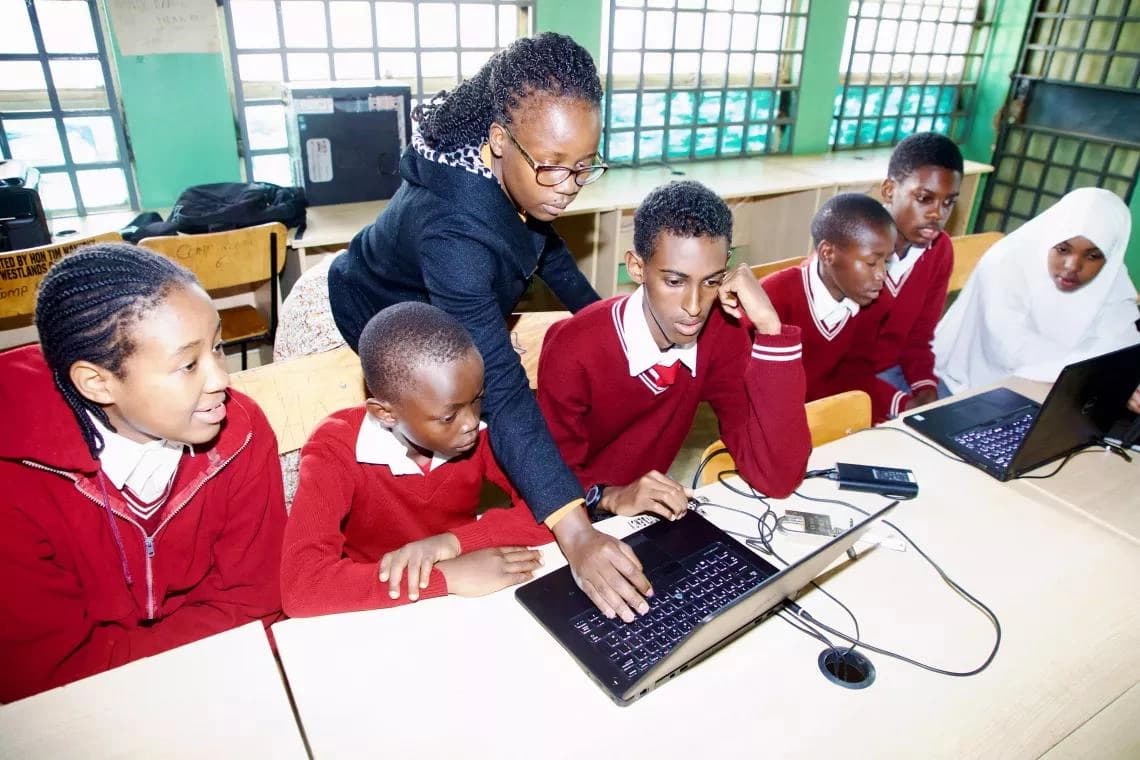
Schools should cultivate an environment where learners are encouraged to ask questions, seek clarification and respectfully challenge ideas they consider questionable.
Teachers should not create classrooms where obedience is confused with intelligence or where questioning an instruction is automatically interpreted as indiscipline.
Respect for teachers, parents, religious leaders and public officials remains important. However, respect should never eliminate the ability to distinguish between acceptable instructions and those that threaten human safety, dignity and fundamental rights.
Civic education should go beyond teaching learners about elections, political parties, Parliament and the Constitution.
It should equip them with the ability to interrogate political promises, examine public policies, question government decisions and hold elected leaders accountable.
Young people should understand that democracy is not a personality-worshipping contest.
A citizen can support a political leader and still disagree with that leader. One can belong to a political party without surrendering personal convictions.
Schools must nurture a generation that appreciates political competition without developing hostility towards people holding different opinions.
CBE should produce thinkers, not just examination candidates
The promise of Competency-Based Education should extend beyond practical skills and classroom activities.
A successful education system must produce individuals who can independently analyse situations, recognise manipulation, respect human dignity and take responsibility for their decisions.
The Shakahola tragedy and the wider debate about blind political loyalty demonstrate why critical thinking and civic responsibility should be central to education.
Perhaps the most important lesson from Shakahola is that academic achievement without independent thinking can leave individuals vulnerable to manipulation.
A society that teaches children to memorise information but fails to equip them to question dangerous ideas risks producing citizens who may become easy targets for exploitation.
Kenya must raise a generation that respects authority without worshipping it, appreciates religious freedom without surrendering its conscience, and participates in politics without becoming blindly loyal to personalities.
Ultimately, the success of education should not only be reflected in the number of candidates attaining top grades in KCSE or learners transitioning to universities.
It should also be measured by the ability of graduates to think independently, defend human dignity, recognise deception, challenge questionable leadership and make sound decisions even when confronted by powerful personalities.
Shakahola is a painful reminder that education must teach people not only what to think, but also how to think.
A country that fails to cultivate independent thinkers risks producing generations that can be easily manipulated by both religious and political personalities.


Reader Discussion (0)
Sign in to comment