





The findings expose structural weaknesses that threaten to undermine the implementation of the Competency-Based Education (CBE) framework, raising fundamental questions about whether the country’s education infrastructure is adequately prepared to support the reforms.
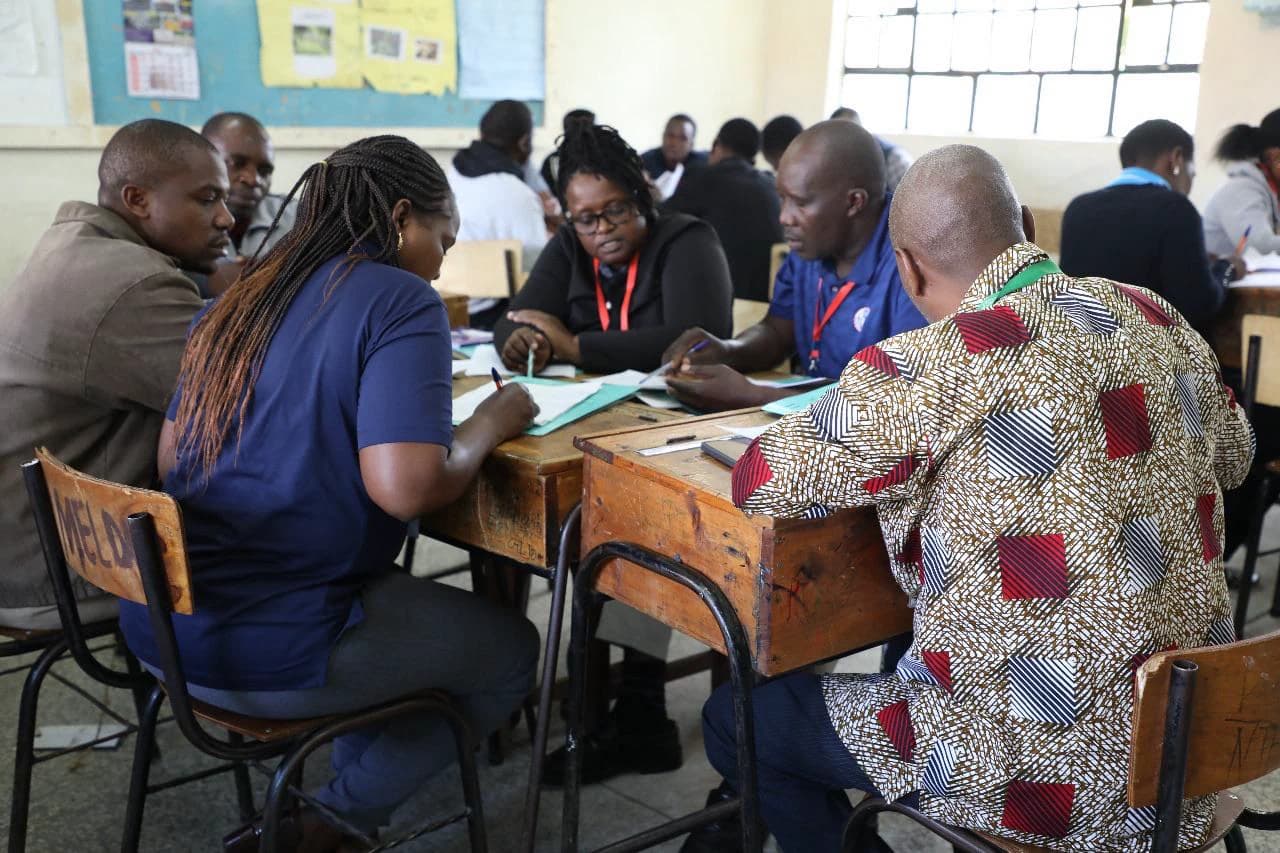
At the centre of the concerns is a teacher shortage that continues to place enormous pressure on public schools, particularly in regions where learner populations are growing faster than the available teaching workforce.
According to the report, Kenya has 121,873 basic learning institutions, with total enrolment in public schools standing at 14,042,706 learners, representing 78.9 per cent of the national school enrolment. Private institutions account for 3,746,636 learners, or 21.1 per cent.
Although the figures demonstrate the scale and reach of Kenya’s education system, they also reveal the enormous responsibility placed on teachers, school administrators and existing learning facilities.
The teacher shortage: A reform bottleneck that cannot be ignored
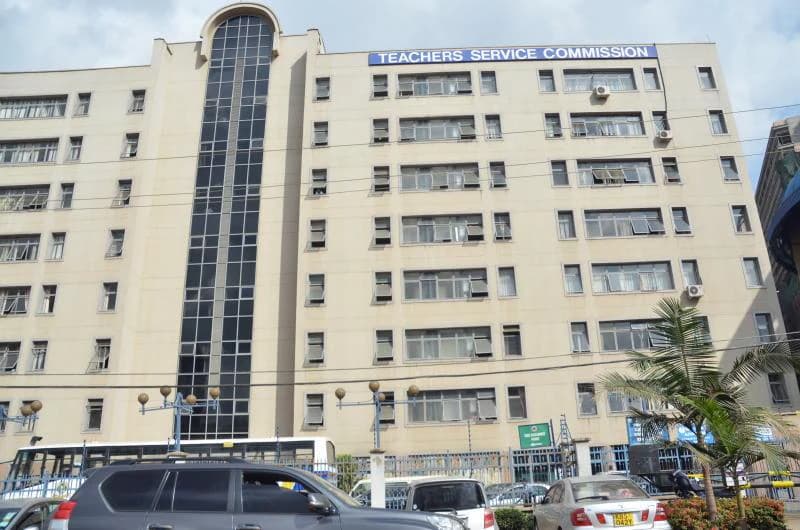
One of the most disturbing revelations is the learner-to-teacher ratio, which stands at 74:1 in junior schools when calculated against Teachers Service Commission (TSC)-employed teachers.
The national average conceals even more alarming inequalities across counties.
Mandera records 140 learners for every TSC-employed teacher in public schools, followed by Marsabit at 134, Kirinyaga at 133, Wajir at 130 and Nyandarua at 100.
These figures expose the unequal distribution of teaching personnel and the difficulties faced by schools operating under severe staffing constraints.
The situation raises an important policy question: How can teachers effectively implement a curriculum that emphasises individual learner competencies, continuous assessment, practical activities and personalised attention when classrooms are overwhelmed by numbers?
CBE requires more than teachers standing before classrooms delivering lessons. It demands observation, mentorship, assessment, feedback and sustained engagement with individual learners.
Such expectations become increasingly difficult when one teacher is responsible for an exceptionally large number of learners.
The government has previously maintained that it has recruited 100,000 teachers over the past four years. Officials have also indicated plans to employ an additional 20,000 teachers to improve staffing levels across the country.
While recruitment is commendable, the census demonstrates that the challenge extends beyond the national number of teachers employed.
Equitable distribution, subject specialisation, regional staffing disparities and the actual needs of individual schools must become central considerations in recruitment policy.
A country cannot claim to have addressed its teacher shortage merely by announcing recruitment figures. The real measure of progress should be whether learners in understaffed schools are finally accessing adequate teaching personnel.
Overcrowding and infrastructure deficits threaten quality learning
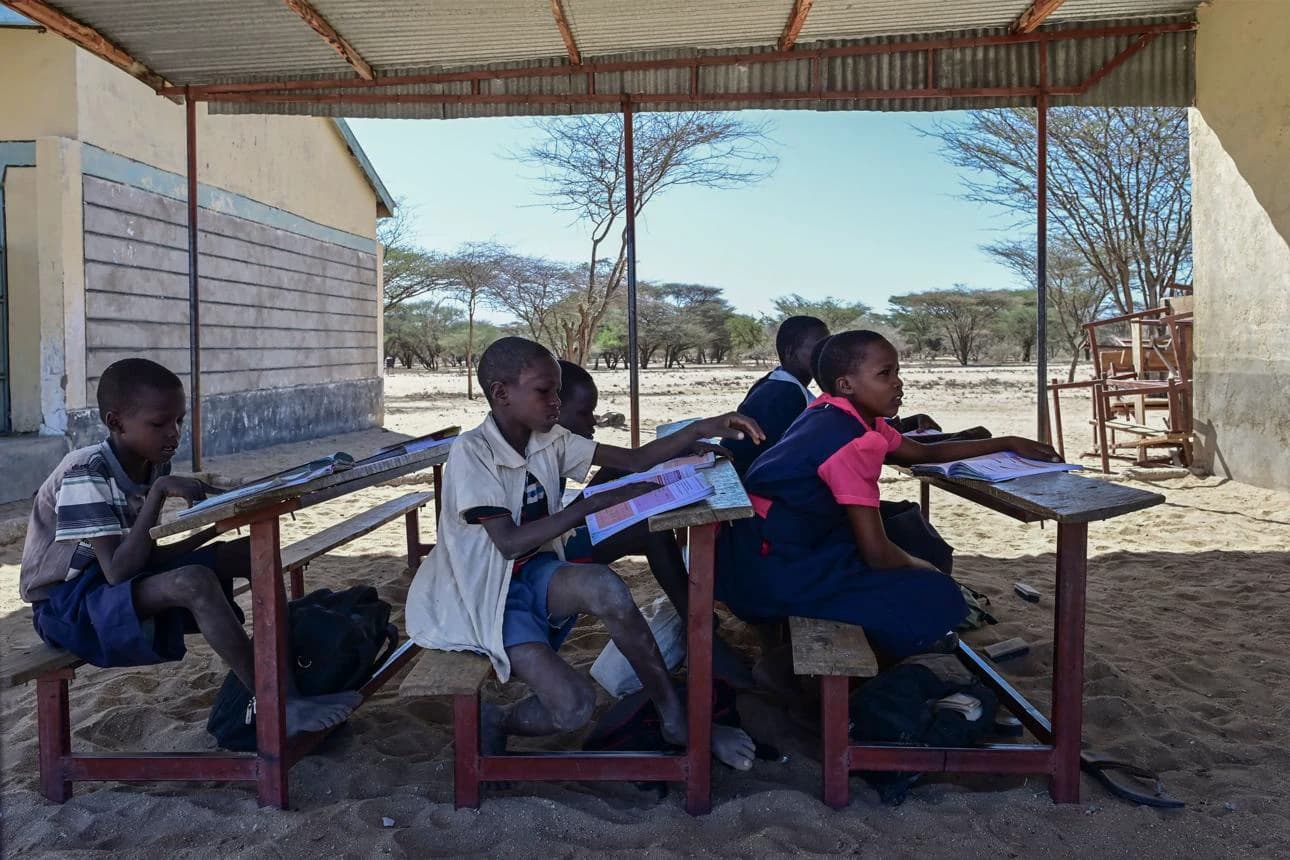
The census further exposes weaknesses in school infrastructure, particularly the availability and condition of classrooms.
Kenya has 492,652 classrooms, but 12.7 per cent are temporary structures.
Although public schools perform relatively better in terms of permanent classrooms, with 91.7 per cent compared to 76.5 per cent in private schools, significant challenges remain.
Turkana County records the highest learner-to-classroom ratios in pre-primary and secondary schools, at 76 and 64 learners, respectively.
These statistics illustrate the difficult conditions under which many learners and teachers operate.
An overcrowded classroom affects more than physical comfort. It compromises classroom management, limits individual attention, makes practical learning difficult and places additional pressure on teachers.
Under CBE, where learners are expected to demonstrate competencies through practical activities, collaboration, projects and continuous assessment, classroom adequacy becomes particularly important.
The government must, therefore, move beyond constructing classrooms as a numerical achievement and prioritise learning environments that support the actual demands of the curriculum.
Special needs education remains on the margins
Perhaps one of the most concerning findings relates to the inclusion of learners with special educational needs.
The report indicates that only 7.1 per cent of schools reported enrolling learners with special needs, while approximately 2 per cent of classrooms had been adapted to accommodate them.
This exposes a significant gap between the country’s commitment to inclusive education and the actual conditions in learning institutions.
Education reforms cannot be considered successful when learners with disabilities and other special educational needs continue to encounter physical, instructional and institutional barriers.
Inclusive education requires accessible classrooms, specialised teaching personnel, appropriate learning materials, assistive technology and deliberate investment in supportive learning environments.
It also requires teachers to receive adequate preparation to handle diverse learning needs.
The government must ensure that inclusion is treated as a fundamental component of education planning rather than an additional consideration addressed only when resources become available.
The digital divide could undermine CBE implementation
The census also raises serious concerns about Kenya’s preparedness for technology-driven education.
Only 6.4 per cent of schools have computer laboratories, while 19.6 per cent have internet connectivity. Approximately 29.8 per cent use computers for teaching.
These figures reveal a substantial digital divide that could complicate the implementation of technology-supported learning.
At a time when education policy increasingly emphasises digital literacy, innovation and technological competence, millions of learners risk being left behind because their schools lack the necessary facilities.
The challenge is not simply providing computers.
Schools need reliable electricity, internet connectivity, appropriate digital content, maintenance support and teachers who can confidently integrate technology into instruction.
Without these essentials, digital education risks becoming a policy aspiration rather than a meaningful classroom experience.
The real test is aligning reforms with available resources
The census presents an important opportunity for the government, TSC, Ministry of Education and other stakeholders to reconsider the priorities guiding education investment.
Curriculum reforms cannot succeed independently of the conditions under which teachers work and learners study.
The government must confront the relationship between teacher recruitment, classroom construction, learning resources, digital infrastructure and the growing demands of inclusive education.
There is also a need to strengthen school-level planning so that national resource allocation responds to actual institutional needs rather than relying exclusively on broad administrative targets.
The launch of the 2026 national mapping and census of Technical and Vocational Education and Training (TVET) institutions is equally significant. Reliable institutional data will help policymakers understand the capacity of the skills development sector and identify areas requiring additional investment.
Ultimately, the 2024 Kenya School Census Report should not become another government publication celebrated during its launch and forgotten during implementation.
It should serve as a practical accountability instrument against which education policies, budgetary allocations and reform commitments are measured.
Kenya’s education challenge is no longer simply about increasing enrolment or introducing new curricula. It is about ensuring that every learner has access to a competent teacher, an adequate classroom, appropriate learning materials and an environment that supports meaningful learning.
The uncomfortable truth is that curriculum reform without corresponding investment in the conditions necessary for its implementation risks creating expectations that schools are not adequately equipped to fulfil.
The success of CBE will ultimately be determined not by the sophistication of policy documents but by what happens inside ordinary classrooms across the country.


Reader Discussion (0)
Sign in to comment