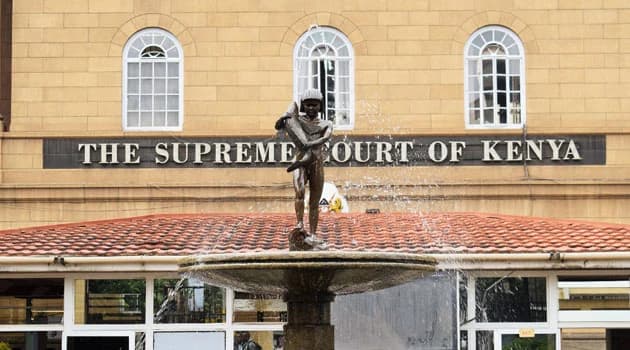
The future of school infrastructure projects supported by the National Government Constituencies Development Fund (NG-CDF) is drawing attention as the Supreme Court concludes hearing an appeal challenging the constitutionality of the fund.
The case has significant implications for public schools across the country, many of which have benefited from NG-CDF support in the construction of classrooms, laboratories, libraries, dormitories and other essential learning facilities.
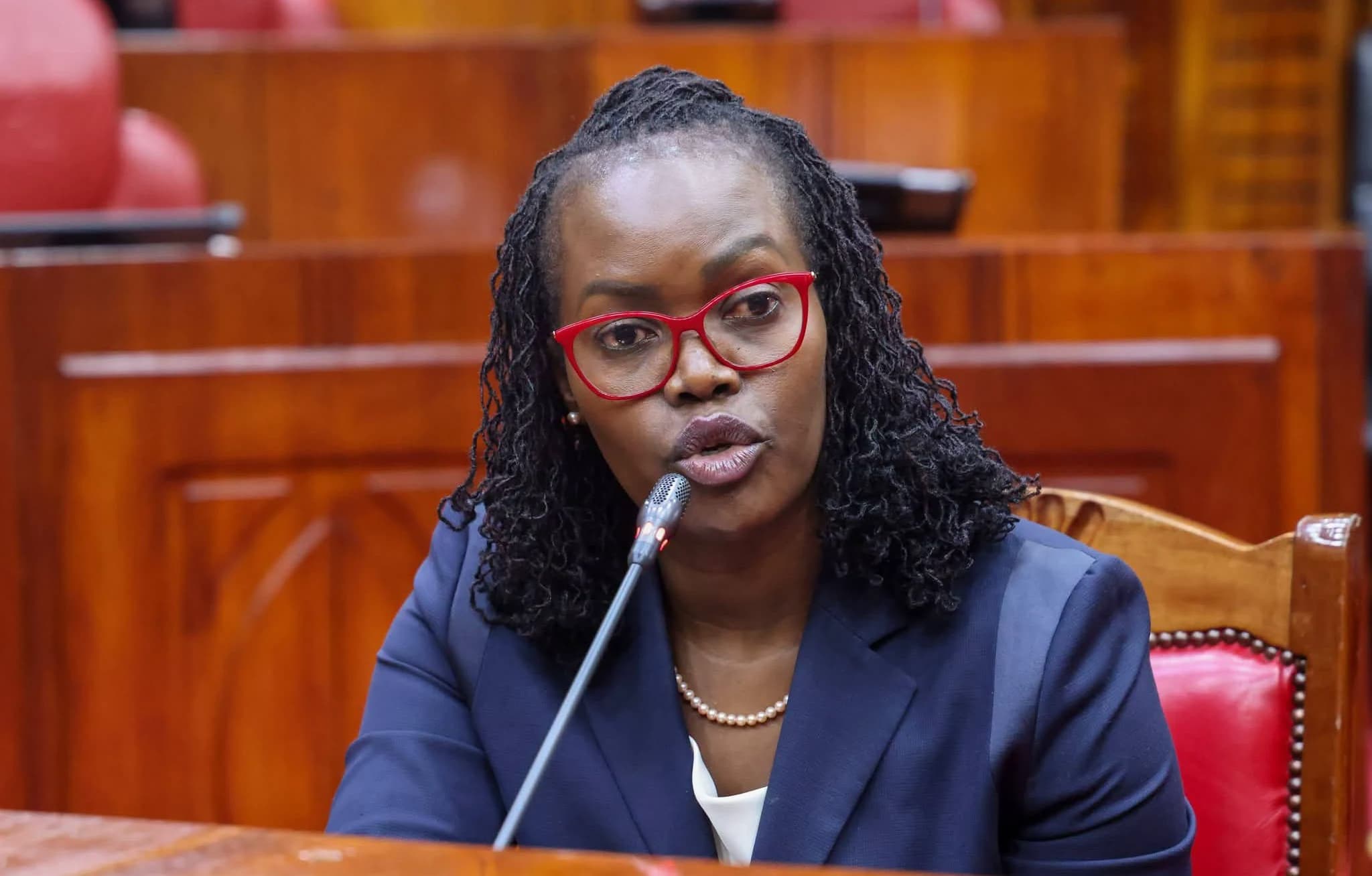
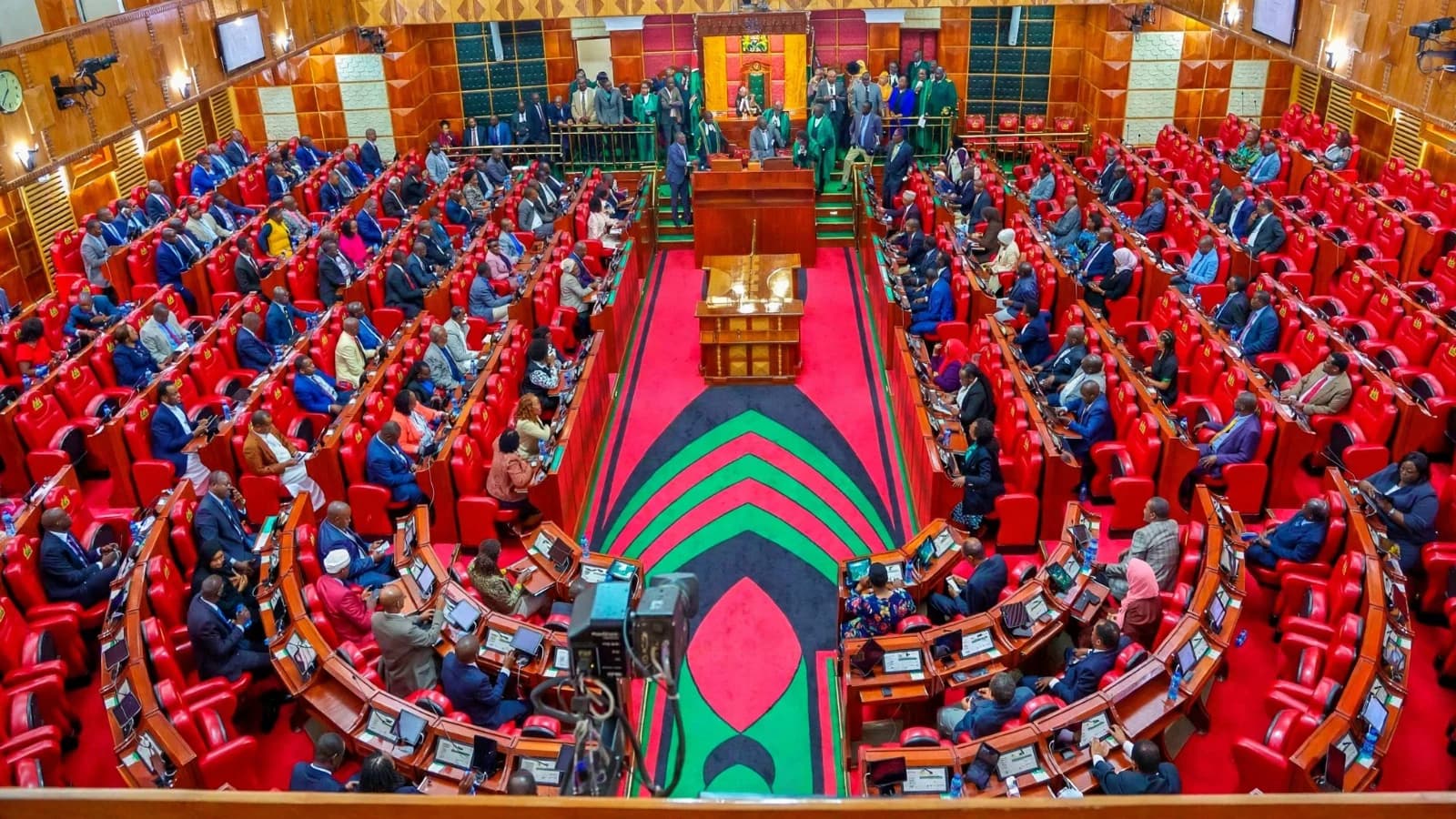
On Thursday, the National Assembly made its final submissions before a seven-judge Supreme Court bench chaired by Chief Justice Martha Koome, urging the court to uphold the constitutionality of the fund.
The House is seeking to defend the February 6, 2025, Court of Appeal judgment that declared NG-CDF constitutional, overturning an earlier High Court decision delivered in 2024 that had found the fund unconstitutional.(Education News Kenya — https://educationnews.co.ke/news/ng-cdf-legal-battle-puts-school-infrastructure-projects-in-spotlight-as-supreme-court-hears-appeal)
In its submissions, the National Assembly maintained that the NG-CDF Act, 2015, operates within the constitutional framework and does not undermine devolution or interfere with the responsibilities of county governments.
The legislators argued that the fund is domiciled within the State Department for Economic Planning under the National Treasury and is administered by an autonomous NG-CDF Board. The House further cited Article 95(2) of the Constitution, arguing that Parliament has the mandate to deliberate on and resolve issues affecting the people.
However, the appellants contend that the fund undermines the constitutional division of functions between the national and county governments, arguing that Members of Parliament should remain within their prescribed responsibilities of representation, legislation and oversight.
The National Assembly has urged the Supreme Court to dismiss the appeal, maintaining that legislative reforms undertaken following previous court pronouncements addressed concerns raised over the fund.
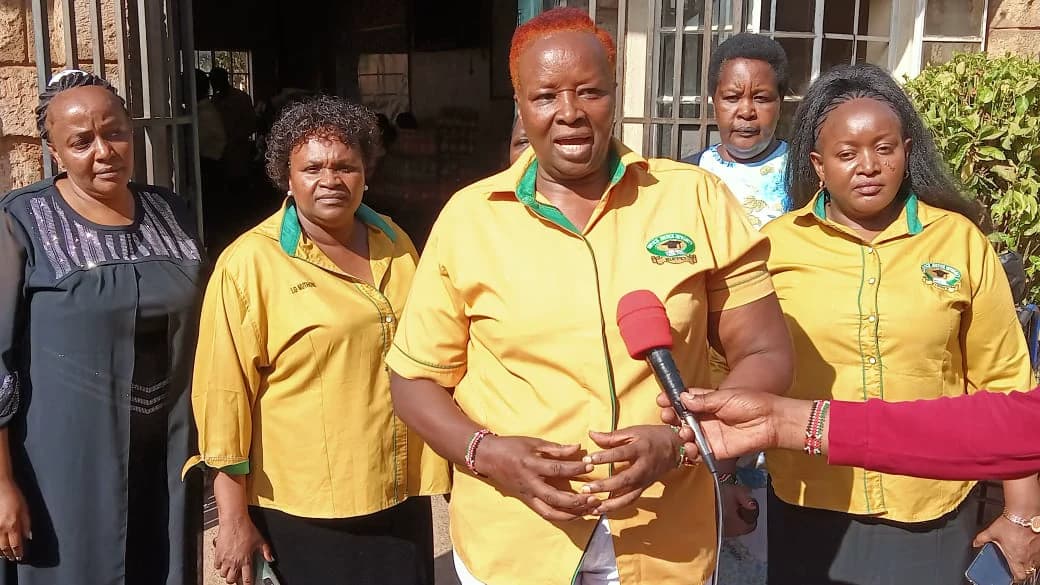
The outcome of the case will be closely watched by school administrators, education stakeholders and parents, particularly in constituencies where NG-CDF has supported the expansion and improvement of public learning institutions. The fund has also supported education through constituency-based bursary programmes, helping needy learners access and remain in school.
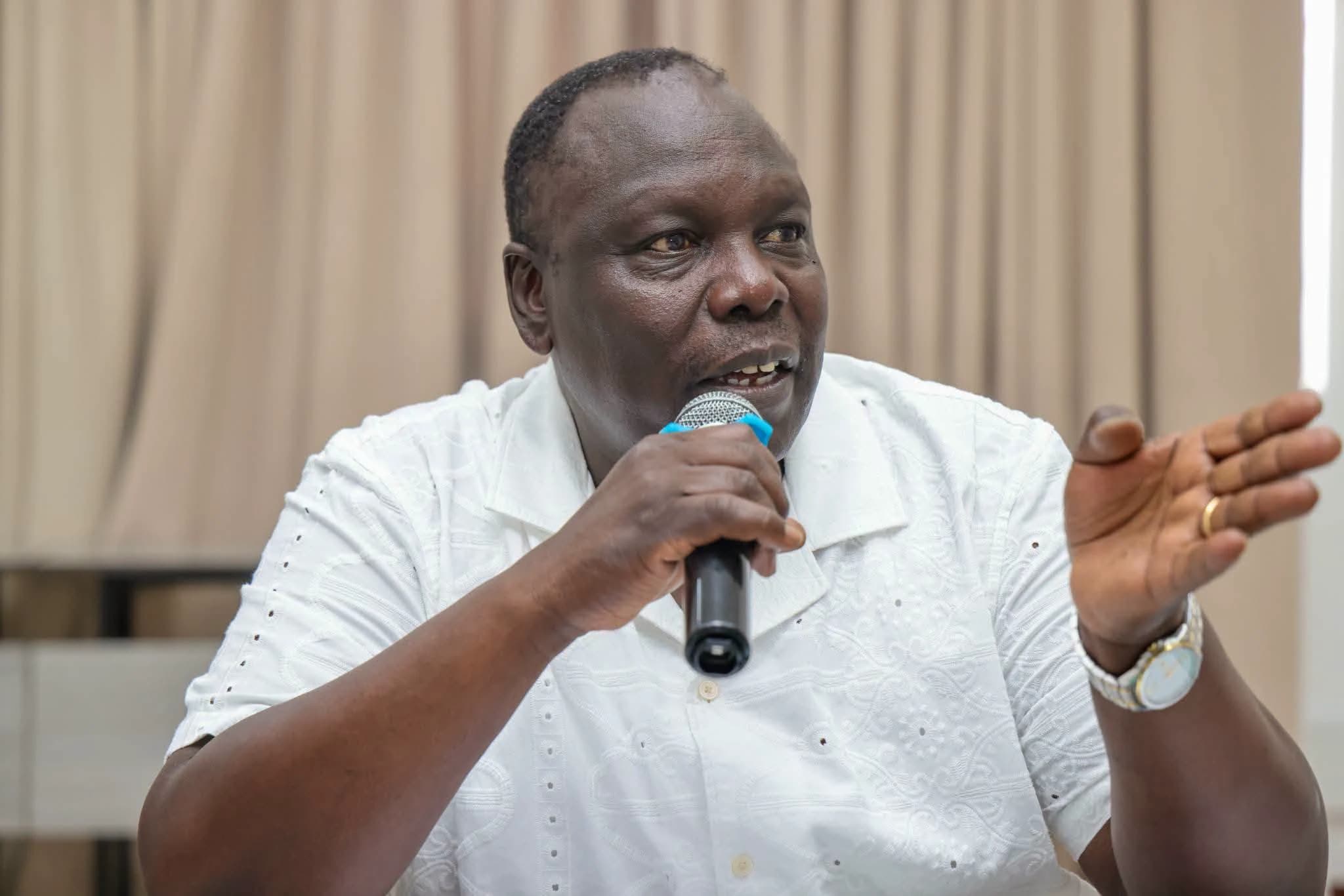
Among the legislators who participated in the National Assembly's legal defence were Justice and Legal Affairs Committee Chairperson Gitonga Murugara, Delegated Legislation Committee Chairperson Samuel Chepkonga, Peter Kaluma and Mwengi Mutuse.
The Supreme Court's determination is expected to provide clarity on the legal status and future administration of NG-CDF, with potential consequences for education development programmes implemented through the fund. For schools and communities that rely on the kitty to address infrastructure gaps, the ruling will be an important development in determining the future of constituency-based education support.






Reader Discussion (0)
Sign in to comment