The teaching profession carries responsibilities, emotional demands and institutional pressures that rarely receive the attention they deserve.
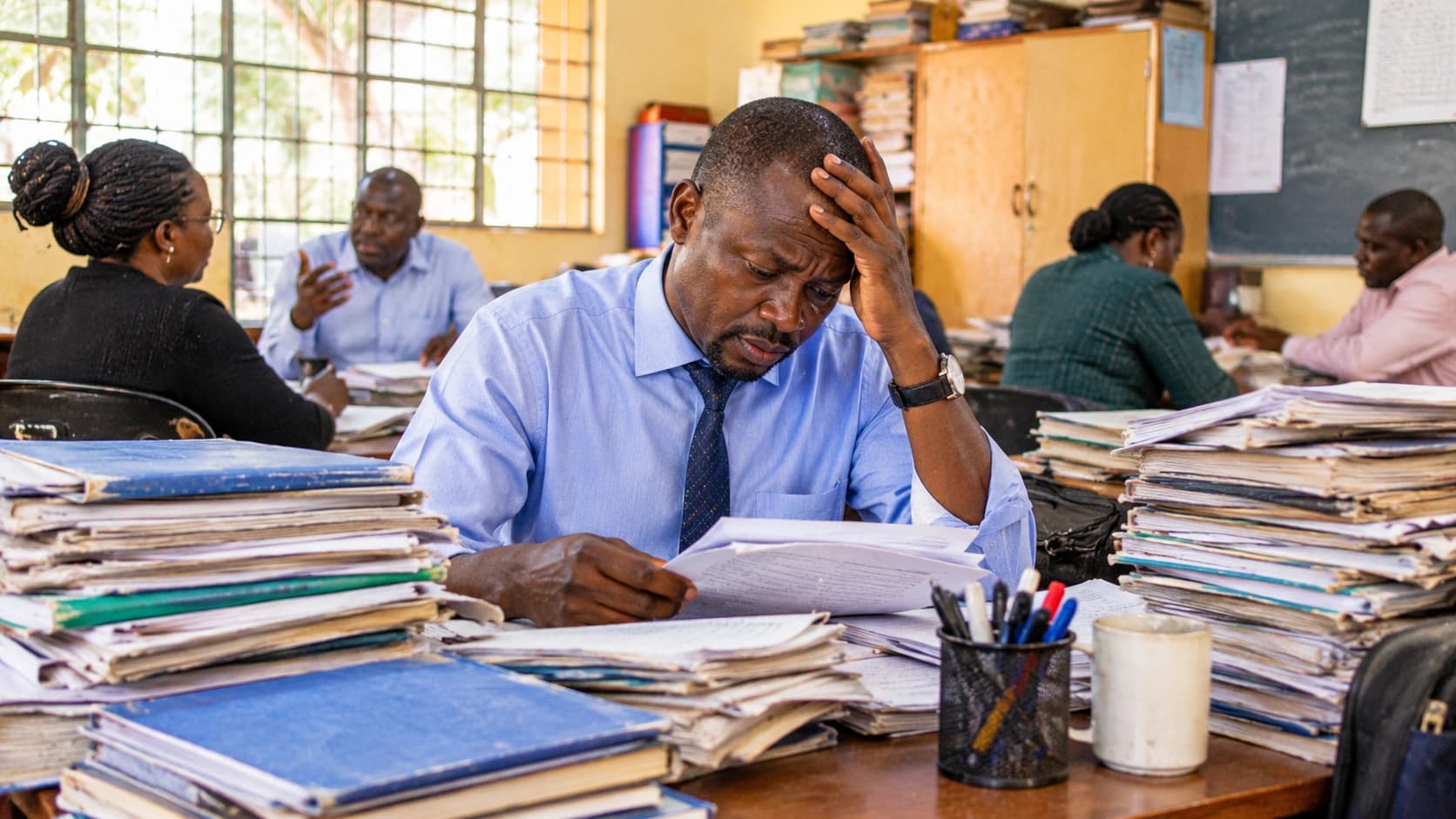
Teaching in a public school is often viewed through the familiar routine of lesson preparation, classroom instruction, marking and administering examinations. Yet this barely captures the realities confronting thousands of teachers who report to school every day. They are expected to educate, mentor, counsel, guide, discipline and nurture learners while navigating administrative demands, inadequate facilities and a changing education landscape.
Society often measures teachers by examination results and learners' performance without examining the conditions under which they are expected to deliver those outcomes. The challenges are not always visible in school performance records, inspection reports or official statistics, but they influence teacher motivation, professional satisfaction and the quality of education.
One of the greatest challenges is the mismatch between educational expectations and available resources. Teachers are expected to deliver quality instruction, identify individual learning needs and ensure that learners acquire the required competencies. Yet some schools continue to grapple with inadequate classrooms, poorly equipped laboratories, limited library facilities, unreliable internet connectivity and insufficient instructional materials.(Education News Kenya — https://educationnews.co.ke/news/beyond-lessons-and-marking-the-unseen-pressures-facing-kenyas-public-school-teachers)
Overcrowded classrooms make matters worse. Managing learners with different abilities, backgrounds and needs requires considerable patience and skill, and individualised attention becomes difficult. A teacher may recognise that a learner is struggling but lack the time and resources to provide the required intervention. The problem becomes sharper when teachers are expected to implement ambitious reforms without matching improvements in infrastructure and teaching resources. Quality education cannot be demanded in isolation from the conditions necessary to deliver it.
Beyond teaching, educators may be involved in enrolment exercises, data collection, surveys, institutional reporting and various school-based programmes. Accountability is necessary in education management, but excessive administrative demands can consume valuable instructional time that teachers need to prepare lessons, assess learners, give feedback and engage parents. There is a need to rationalise workloads and distinguish essential professional responsibilities from administrative assignments that could be handled through better institutional arrangements, so that teachers can concentrate on facilitating learning.
Teaching involves managing human relationships and responding to challenges that frequently extend beyond academic performance. Public school teachers interact with learners from diverse backgrounds, some of whom face poverty, family instability, neglect and personal difficulties that affect their ability to learn. Teachers are frequently expected to recognise these challenges, offer guidance, maintain discipline and provide emotional support, becoming trusted adults to learners experiencing difficulties at home or in their communities.
Teachers also have personal lives, family responsibilities and individual struggles, and they cannot indefinitely absorb the emotional pressures of the profession without support. Accessible counselling services, supportive school leadership and a healthy working environment should therefore form part of broader teacher welfare discussions.
Despite their central contribution to national development, teachers sometimes feel that their sacrifices are insufficiently recognised. Society often celebrates outstanding examination results without examining the commitment and additional effort required to achieve them, while teachers are expected to maintain high professional standards amid criticism, competing expectations and occasional misunderstandings with parents.
The relationship between schools, parents and teachers must be built on mutual respect and shared responsibility. Parents have an important role in shaping children's behaviour and supporting their education, while teachers must remain accountable for their professional conduct. Recognising teachers does not mean shielding them from legitimate scrutiny. It means appreciating their contribution and ensuring that criticism does not undermine their professional dignity.
The transition towards Competency-Based Education (CBE) requires educators to embrace learner-centred instruction, practical learning experiences, continuous assessment and the identification of individual talents. This is a significant evolution in what is expected of teachers, and its success depends on adequate preparation, relevant professional development, appropriate learning materials and supportive institutional structures. Teachers cannot be expected to deliver transformative outcomes through policy directives alone. Professional development should be continuous, practical and responsive to classroom realities, and the Teachers Service Commission (TSC) and other stakeholders have a responsibility to ensure teachers can strengthen their competencies and advance professionally.
A teacher does not merely deliver content and leave the classroom. Teachers influence behaviour, nurture confidence, identify potential, encourage discipline and help learners develop values that shape their future lives. These responsibilities are particularly demanding in schools with limited support personnel and specialised services, and they raise an important question: who supports the teacher? An effective education system must recognise that teachers also need professional assistance, institutional protection and opportunities to maintain their own wellbeing.
Improving the experiences of public school teachers requires deliberate action rather than occasional declarations of appreciation. School infrastructure must be strengthened to provide safe, adequately equipped and conducive learning environments. Administrative workloads should be reviewed to eliminate unnecessary assignments that interfere with instruction, and professional development must be prioritised to prepare teachers for emerging curriculum and technological demands.
Equally important is the need to strengthen career progression, recognise professional competence, promote fair treatment and provide welfare support. School leadership should consult and involve teachers in decisions affecting their responsibilities, and parents and communities must recognise that successful education is a partnership rather than a responsibility to be transferred entirely to teachers. Policymakers must appreciate that reforms are only as effective as the people implementing them.
Teachers continue to report to school, prepare lessons and guide learners despite inadequate resources, heavy administrative loads, emotional pressures and limited professional support. Their contribution deserves more than ceremonial recognition during Teachers' Day celebrations. It demands practical investment in their working conditions, professional growth, welfare and dignity.
Kenya cannot aspire to a globally competitive education system while overlooking the circumstances of the professionals expected to turn its ambitions into reality. The success of CBE, improved learning outcomes and national development depends on the quality, motivation and preparedness of teachers. Supporting them is not an act of generosity; it is an investment in the nation's intellectual, social and economic future.









Reader Discussion (0)
Sign in to comment